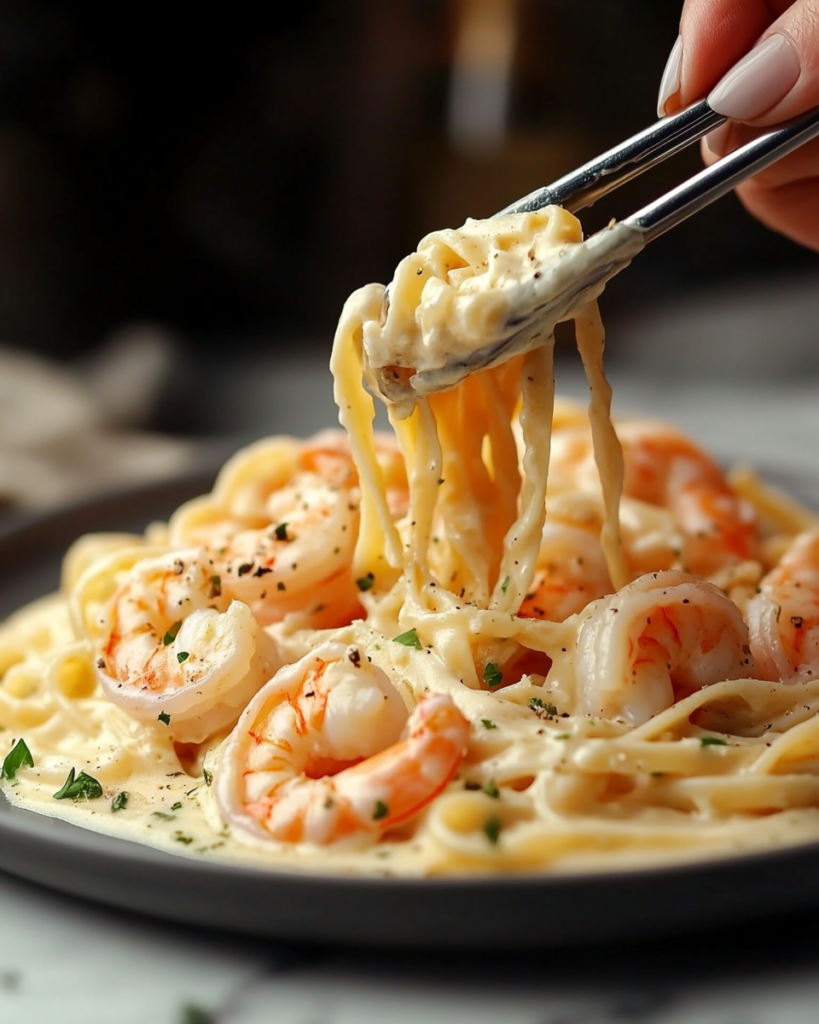
A creamy Tuscan-style shrimp linguine brings together tender shrimp, silky pasta, and a rich, garlic-forward sauce that clings to every strand. The dish carries a restaurant-style feel while staying practical enough for a weeknight meal at home. Shrimp cooks quickly, which makes it a natural fit for pasta recipes where timing matters and everything comes together in one pan.
Linguine holds the sauce well thanks to its flat, slightly wide shape. That texture gives each bite a balanced mix of pasta, sauce, and seafood. Sun-dried tomatoes add a concentrated tomato depth, while spinach softens into the sauce and adds a mild earthy note.
This dish works well when a warm, comforting pasta is on the table without requiring complicated steps. The sauce builds in layers, starting with aromatics, then cream, then cheese for body. The shrimp are added near the end so they stay tender and juicy.
Tuscan-inspired flavors often rely on garlic, cream, and tomatoes working together in a rich base. This version keeps that tradition while staying straightforward and home-friendly. It’s a skillet-style pasta that comes together in under an hour and feels satisfying any time of year.
Ingredients Overview

The foundation of Tuscan shrimp linguine comes from a few key elements that work together to create a creamy, balanced pasta dish. Shrimp provides a light seafood flavor and tender bite that pairs naturally with rich sauces. Medium or large shrimp work well since they hold their texture during quick cooking.
Linguine is the preferred pasta because its flat shape allows the sauce to coat each strand evenly. Spaghetti can be used if needed, though linguine offers a slightly thicker bite that suits cream-based sauces.
Heavy cream forms the base of the sauce, giving it body and a silky texture. Parmesan cheese melts into the cream, adding saltiness and depth. Garlic is essential here, offering warmth and aroma that carries through the entire dish.
Sun-dried tomatoes bring a concentrated sweetness and mild tang that balances the richness of the cream. Spinach is added toward the end so it softens without losing its structure, adding color and a gentle earthy tone.
Olive oil and butter are used for sautéing, building flavor from the start. Chicken broth helps loosen the sauce slightly so it coats the pasta without becoming too thick. A touch of red pepper flakes adds gentle heat, which can be adjusted based on preference.
Each ingredient plays a specific role, and together they create a creamy pasta that feels balanced rather than heavy.
Ingredients
12 ounces linguine
1 pound large shrimp, peeled and deveined
2 tablespoons olive oil
2 tablespoons unsalted butter
5 cloves garlic, minced
1/2 cup sun-dried tomatoes, chopped
1 1/2 cups heavy cream
1/2 cup chicken broth
3/4 cup grated Parmesan cheese
3 cups fresh spinach
1 teaspoon salt
1/2 teaspoon black pepper
1/2 teaspoon red pepper flakes
1 tablespoon lemon juice
2 tablespoons chopped parsley
Step-by-Step Instructions
Start by cooking the linguine in a large pot of salted boiling water. Cook until just tender with a slight bite. Reserve about one cup of pasta water before draining, then set the pasta aside while preparing the sauce.
Heat olive oil and butter in a large skillet over medium heat. Add the shrimp in a single layer and cook for about one to two minutes per side until they turn pink and opaque. Remove the shrimp from the skillet and set them aside to prevent overcooking.
In the same skillet, add minced garlic and cook briefly until fragrant. Stir constantly to prevent burning, as garlic can turn bitter quickly. Add sun-dried tomatoes and let them warm through, releasing their flavor into the oil and butter mixture.
Pour in chicken broth, scraping the bottom of the pan to lift any browned bits. These bits add depth to the sauce. Allow the liquid to simmer for a minute before adding heavy cream. Stir gently as the mixture begins to thicken slightly.
Add Parmesan cheese gradually, stirring until it melts into the sauce. The mixture should become smooth and creamy. If it becomes too thick, add a small amount of reserved pasta water until it reaches a silky consistency.
Add spinach and allow it to wilt into the sauce. This takes only a minute or two. Return the cooked shrimp to the skillet and stir to coat them in the sauce.
Add the drained linguine directly into the skillet. Toss everything together until the pasta is evenly coated. Add salt, black pepper, red pepper flakes, and lemon juice to balance the richness.
Let everything heat together for another minute so the flavors blend. The sauce should cling to the pasta without pooling at the bottom of the pan.
Tips, Variations & Substitutions
Shrimp should be cooked briefly to maintain tenderness. Overcooking can make it firm and dry, so it’s best to remove it from heat as soon as it turns opaque.
For a lighter sauce, half-and-half can replace part of the heavy cream, though the texture will be slightly less rich. Vegetable broth can replace chicken broth if preferred.
Adding mushrooms or zucchini can increase vegetable content without changing the overall character of the dish. These should be sautéed before adding garlic to develop flavor.
If sun-dried tomatoes are oil-packed, drain them lightly before chopping to avoid excess oil in the sauce. Dry-packed versions can be softened briefly in warm water.
Lemon juice should be added at the end to maintain brightness. Adding it too early can reduce its fresh flavor.
For extra depth, a small splash of white wine can be added after cooking garlic and before the broth. This adds subtle acidity that balances the cream.
Serving Ideas & Occasions
Tuscan shrimp linguine pairs well with simple sides like roasted vegetables, steamed asparagus, or a light green salad. These options balance the richness of the pasta without competing with its flavor.
A slice of warm bread works well for scooping up extra sauce from the plate. Garlic bread or crusty Italian-style bread both complement the dish.
This pasta fits well for relaxed dinners, small gatherings, or weekend meals when something warm and filling is desired. It also works as a centerpiece dish since it combines protein, pasta, and vegetables in one skillet.
For drinks, sparkling water with citrus or a chilled herbal iced tea pairs nicely with the creamy sauce.
Nutritional & Health Notes
This dish contains a balance of protein from shrimp, carbohydrates from pasta, and fats from cream and cheese. Shrimp provides lean protein and essential minerals such as selenium and iodine.
Spinach adds fiber and small amounts of vitamins A and C. Sun-dried tomatoes contribute antioxidants and a concentrated tomato flavor without adding significant volume.
Heavy cream and Parmesan increase calorie density, making the dish filling and rich. Portion control can help balance overall intake.
Using whole wheat linguine can increase fiber content, while reducing cream slightly can lower overall fat levels. However, the signature texture of the sauce comes from the cream base.
FAQs
Can I use frozen shrimp for this recipe?
Frozen shrimp works well as long as it is thawed properly before cooking. Place the shrimp in the refrigerator overnight or run them under cold water until fully thawed. Pat them dry before adding them to the skillet. Removing excess moisture helps them sear properly instead of steaming. Frozen shrimp can be just as tender as fresh when handled correctly, making them a practical option for this dish.
What type of pasta works if I do not have linguine?
Spaghetti, fettuccine, or tagliatelle can be used instead of linguine. Each type holds sauce slightly differently, but all work well with creamy bases. Fettuccine creates a thicker bite, while spaghetti gives a lighter texture. The key is cooking the pasta until just tender so it absorbs the sauce without becoming overly soft. Any long pasta shape pairs well with the shrimp and cream mixture.
Can I make this dish without cream?
Yes, the sauce can be made without heavy cream by using a combination of chicken broth and a small amount of milk or a plant-based alternative. The texture will be lighter and less rich, but still flavorful. Adding a bit more Parmesan helps thicken the sauce. A small spoon of flour cooked with butter at the beginning can also help create body without cream.
How do I prevent shrimp from becoming tough?
Shrimp cook very quickly, usually within a few minutes. They should be removed from heat as soon as they turn pink and opaque. Overcooking is the main reason shrimp become firm. Cooking them separately and adding them back at the end helps maintain their texture. Medium to large shrimp are also more forgiving than smaller sizes.
Can I add more vegetables to this pasta?
Yes, vegetables such as mushrooms, zucchini, bell peppers, or cherry tomatoes can be added. It is best to sauté firmer vegetables before adding garlic so they soften properly. Leafy greens like kale or arugula can be added near the end, similar to spinach. Adding vegetables increases volume and adds balance to the creamy sauce.
What can I use instead of sun-dried tomatoes?
Roasted red peppers or fresh cherry tomatoes can replace sun-dried tomatoes. Roasted peppers add a mild sweetness, while cherry tomatoes bring freshness and slight acidity. Sun-dried tomatoes have a more concentrated flavor, so substitutes will slightly change the taste profile, but the dish will still maintain its creamy character.
How do I store and reheat leftovers?
Leftovers should be stored in an airtight container in the refrigerator. When reheating, add a small splash of broth or milk to loosen the sauce, as it thickens when chilled. Warm gently on the stove over low heat or in short intervals in the microwave. Stir frequently to maintain a smooth texture and prevent the sauce from separating.