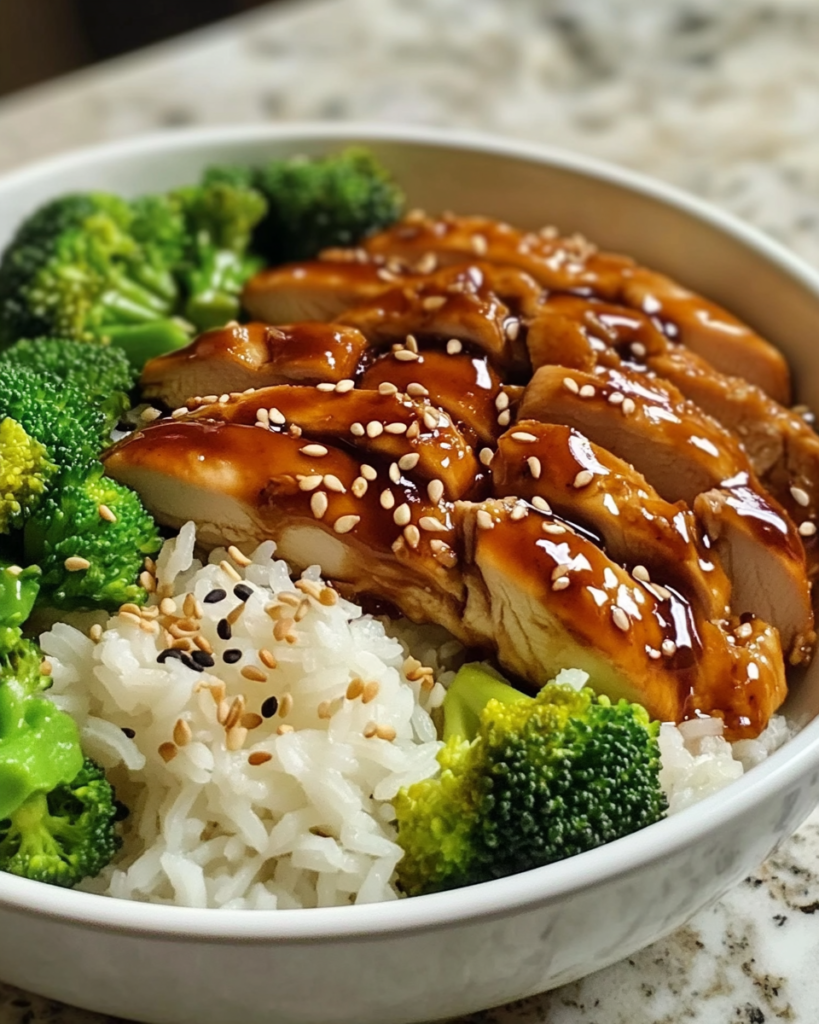
Teriyaki Chicken Meal Boxes bring together savory chicken, tender rice, and colorful vegetables in one practical dish that fits busy weekdays, lunch prep, and family dinners. The glossy teriyaki sauce coats every bite with a balanced blend of soy sauce, garlic, ginger, and light sweetness. Packed into meal containers, these boxes stay fresh, reheat well, and keep lunch plans organized throughout the week.
This dish works beautifully for anyone who enjoys homemade lunches with rich flavor and balanced texture. Juicy chicken pairs naturally with fluffy rice and crisp vegetables, while the sauce ties everything together without feeling too heavy. Teriyaki Chicken Meal Boxes also allow plenty of flexibility, so the ingredients can shift according to the season or personal taste.
Ingredients Overview

The foundation of Teriyaki Chicken Meal Boxes starts with boneless chicken thighs or chicken breasts. Chicken thighs stay especially juicy during reheating, while chicken breasts provide a leaner option with a firmer bite. Either choice absorbs the teriyaki sauce very well.
Soy sauce forms the savory backbone of the sauce. Low-sodium soy sauce works nicely because it gives control over the salt level without losing flavor depth. Brown sugar adds gentle sweetness and helps create the glossy coating associated with classic teriyaki dishes. Honey can replace brown sugar for a slightly floral finish.
Fresh garlic and ginger bring warmth and aroma to the sauce. Grated ginger offers brightness that balances the rich soy sauce, while garlic deepens the savory notes. Cornstarch thickens the sauce into a silky glaze that clings to the chicken and rice.
Rice acts as the hearty base for the meal boxes. Jasmine rice creates a soft fragrant texture, though brown rice adds extra fiber and a nuttier flavor. Quinoa also works well for a higher-protein alternative.
Vegetables add freshness, texture, and color. Broccoli, carrots, snap peas, and bell peppers remain slightly crisp after cooking and reheat nicely during the week. Sesame seeds and sliced green onions provide the finishing touch with subtle crunch and mild sharpness.
Ingredients
1 1/2 pounds boneless skinless chicken thighs, cut into bite-sized pieces
2 tablespoons vegetable oil
3 cups cooked jasmine rice
2 cups broccoli florets
1 cup sliced carrots
1 red bell pepper, sliced
1 cup snap peas
For the teriyaki sauce:
1/2 cup low-sodium soy sauce
1/4 cup brown sugar
2 tablespoons honey
3 cloves garlic, minced
1 tablespoon fresh ginger, grated
2 tablespoons rice vinegar
1 tablespoon sesame oil
1 tablespoon cornstarch
2 tablespoons water
For garnish:
2 green onions, sliced
1 tablespoon sesame seeds
Step-by-Step Instructions

Begin by cooking the rice according to package directions. Fluff the rice with a fork after cooking and allow it to cool slightly so it stays light rather than sticky inside the meal containers.
While the rice cooks, prepare the teriyaki sauce. In a medium bowl, whisk together soy sauce, brown sugar, honey, garlic, ginger, rice vinegar, and sesame oil. In a separate small bowl, stir the cornstarch with water until smooth. Set both mixtures aside.
Pat the chicken pieces dry with paper towels. Dry chicken browns more evenly and develops better texture in the pan. Heat a large skillet over medium-high heat and add the vegetable oil. Once the oil shimmers lightly, place the chicken in a single layer.
Cook the chicken for about 4 to 5 minutes on the first side without stirring too often. This helps create golden edges instead of steaming the meat. Flip the chicken and continue cooking for another 4 minutes until the pieces appear lightly caramelized and fully cooked through. The internal temperature should reach 165 degrees Fahrenheit.
Transfer the cooked chicken to a plate briefly. Add the broccoli, carrots, bell pepper, and snap peas to the skillet. Stir-fry the vegetables for 4 to 6 minutes until crisp-tender. They should stay vibrant and slightly firm because they continue softening during reheating.
Reduce the heat to medium. Return the chicken to the skillet and pour in the prepared teriyaki sauce mixture. Stir gently so every piece becomes coated. Add the cornstarch slurry and continue stirring for 2 to 3 minutes until the sauce thickens into a glossy glaze.
Avoid overheating the sauce after thickening because excessive heat can create an overly salty taste. The sauce should coat the back of a spoon while remaining smooth and shiny.
Divide the rice evenly among meal prep containers. Spoon the teriyaki chicken and vegetables over the rice. Scatter sliced green onions and sesame seeds on top for added texture and aroma.
Allow the meal boxes to cool slightly before sealing the containers. This step reduces excess moisture inside the containers and helps maintain fresher texture throughout storage. Refrigerate for up to four days.
For reheating, microwave each box for about 2 minutes, stirring halfway through for even warmth. A small splash of water helps loosen the sauce if needed.
Tips, Variations & Substitutions
Chicken thighs remain especially tender after reheating, though chicken breasts work nicely for a lighter version. Thinly sliced beef or shrimp can replace chicken with only slight adjustments to cooking time.
For extra vegetable variety, try zucchini, mushrooms, cabbage, or edamame. These ingredients absorb the sauce well and add additional texture. Frozen broccoli also works during busy weeks, though fresh vegetables stay firmer after reheating.
Brown rice provides a heartier texture and slightly nutty flavor. Cauliflower rice offers a lower-carbohydrate option that still pairs nicely with the savory teriyaki glaze. Noodles can replace rice for a different style of meal box.
A small spoonful of chili garlic sauce or red pepper flakes adds gentle heat without overpowering the teriyaki flavor. Pineapple chunks create a sweeter variation with juicy contrast against the savory sauce.
When preparing meal boxes ahead of time, slightly undercook the vegetables. This keeps them from becoming too soft after reheating later in the week.
If the sauce thickens too much during storage, stir in a teaspoon of water before reheating. The glaze quickly loosens and returns to a silky texture.
Serving Ideas & Occasions
Teriyaki Chicken Meal Boxes fit naturally into weekly lunch preparation because the flavors stay balanced and satisfying after reheating. They also work beautifully for quick dinners after long workdays since the ingredients come together in one skillet.
For side dishes, a chilled cucumber salad offers crisp contrast against the warm savory chicken. Miso soup pairs nicely during cooler months, while steamed dumplings create a more filling meal for larger appetites.
Green tea, sparkling water with citrus, or lightly sweetened iced tea complement the rich teriyaki glaze without overpowering the dish.
These meal boxes also suit casual gatherings, road trips, and packed lunches for school or work. Their organized portions help with planning meals ahead while still feeling homemade and comforting.
Nutritional & Health Notes
Teriyaki Chicken Meal Boxes provide a balanced combination of protein, carbohydrates, and vegetables. Chicken supplies satisfying protein that helps support fullness, while rice contributes steady energy for busy afternoons.
The vegetables add fiber, vitamins, and natural color to the meal. Broccoli and carrots contribute texture as well as nutrients, while snap peas and peppers brighten the overall flavor profile.
Using low-sodium soy sauce helps moderate salt content while still maintaining savory depth. Brown rice or quinoa can raise the fiber level further for a more filling option.
Homemade teriyaki sauce also allows better ingredient control compared to bottled sauces that sometimes contain heavier amounts of sugar or preservatives. Adjusting the sweetness level remains simple with small changes to the honey or brown sugar.
Portioning the meal into individual containers can also help with organized meal planning throughout the week.
FAQs
Can I prepare Teriyaki Chicken Meal Boxes several days ahead?
Yes, these meal boxes hold up very well in the refrigerator for up to four days when stored in tightly sealed containers. The sauce keeps the chicken moist during reheating, while the vegetables stay pleasant if cooked only until crisp-tender initially. Allow the food to cool slightly before closing the containers because trapped steam can soften the vegetables too much over time. For the freshest texture, store garnishes like sesame seeds and green onions separately and add them just before serving. Reheat gently in the microwave with a small splash of water if the sauce thickens during storage.
Which rice works best for these meal boxes?
Jasmine rice remains a popular option because of its soft texture and mild fragrance. Brown rice offers a firmer bite and additional fiber, which many people enjoy for meal preparation. Short-grain rice becomes stickier and creates a slightly heavier texture, while quinoa provides extra protein and a nutty flavor. Cauliflower rice also works for a lighter version. Regardless of the choice, slightly cooled rice packs more neatly into containers and reheats more evenly throughout the week.
Can I freeze Teriyaki Chicken Meal Boxes?
Yes, the chicken and rice freeze very well for longer storage. Vegetables such as broccoli and carrots may soften slightly after thawing, though they still taste good. Cool the food fully before transferring it into freezer-safe containers. Freeze for up to two months. Thaw overnight in the refrigerator before reheating. Microwaving directly from frozen also works, though the heating time increases significantly. Stirring halfway through reheating helps maintain even warmth and texture throughout the container.
How can I keep the chicken tender?
Chicken thighs naturally stay tender because of their slightly higher fat content. Avoid overcrowding the skillet because crowded chicken steams instead of browning properly. Cooking over medium-high heat creates caramelized edges while keeping the center juicy. Another helpful step involves removing the chicken from heat as soon as it reaches 165 degrees Fahrenheit. Overcooking can create dryness, especially with chicken breasts. Resting the chicken briefly before mixing it with the sauce also helps retain moisture.
Can I use bottled teriyaki sauce instead?
Bottled teriyaki sauce works well for convenience, especially during busy weeks. However, homemade sauce gives better control over sweetness and salt levels. Many bottled versions contain more sugar and thicker additives. If using bottled sauce, taste it before adding extra soy sauce or sweeteners. Some bottled sauces already contain garlic, ginger, or sesame flavors, so additional seasoning may not be necessary. Adding a small splash of rice vinegar can brighten bottled sauce and create a fresher flavor.
What vegetables reheat the best?
Broccoli, carrots, snap peas, bell peppers, and cabbage all reheat nicely without turning mushy too quickly. Firmer vegetables generally maintain texture better during storage. Zucchini and mushrooms taste good but soften more after reheating. Lightly undercooking the vegetables during the initial stir-fry stage helps preserve texture later. Adding delicate greens such as spinach after reheating rather than before storage also keeps the meal fresher overall.
How do I prevent soggy meal boxes?
Allowing the cooked ingredients to cool slightly before sealing the containers helps reduce trapped condensation. Excess steam often causes watery rice and soft vegetables. Using divided meal prep containers can also help separate ingredients and maintain better texture. Another useful step involves draining excess liquid from vegetables before packing the containers. Reheating with the lid slightly open allows steam to escape and prevents the rice from becoming overly moist.