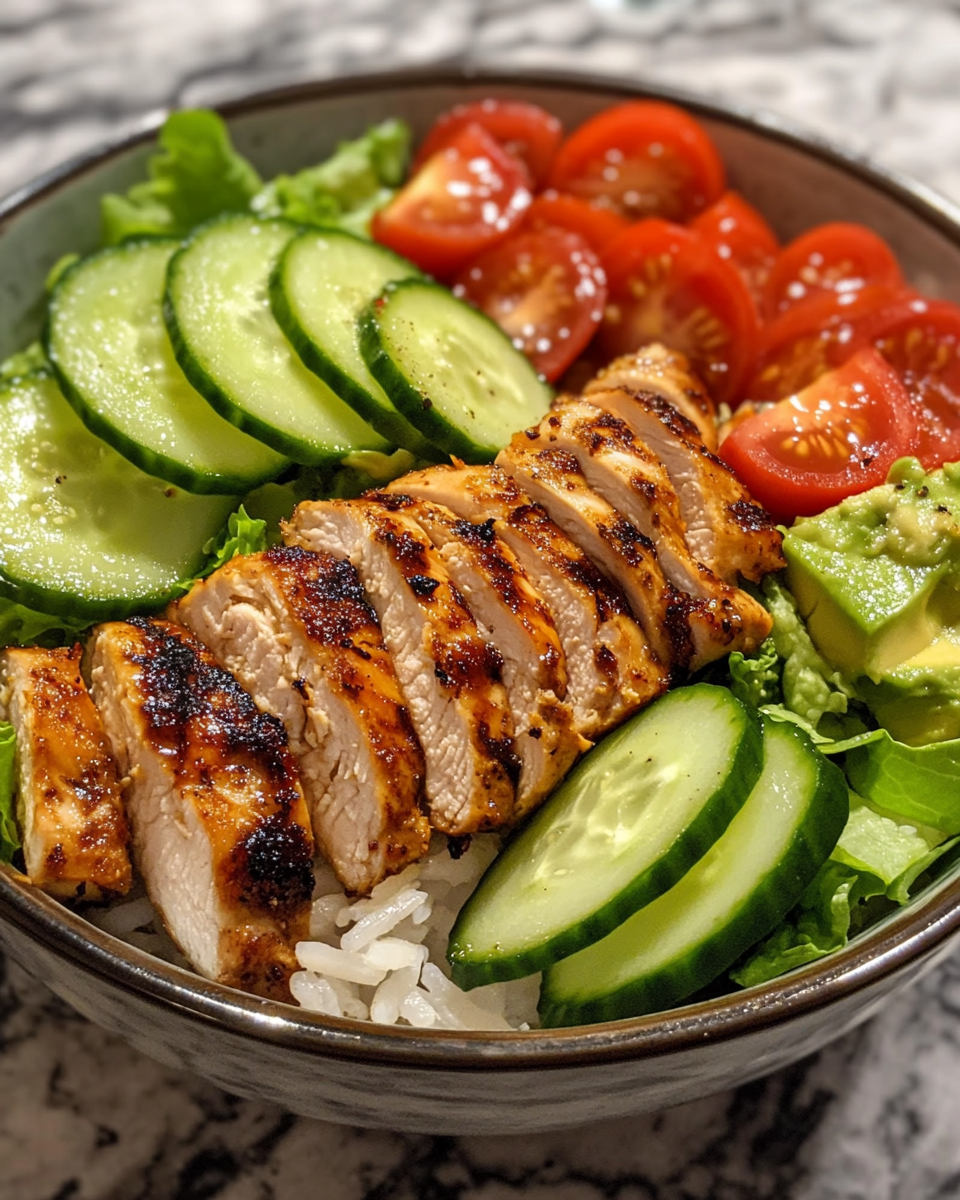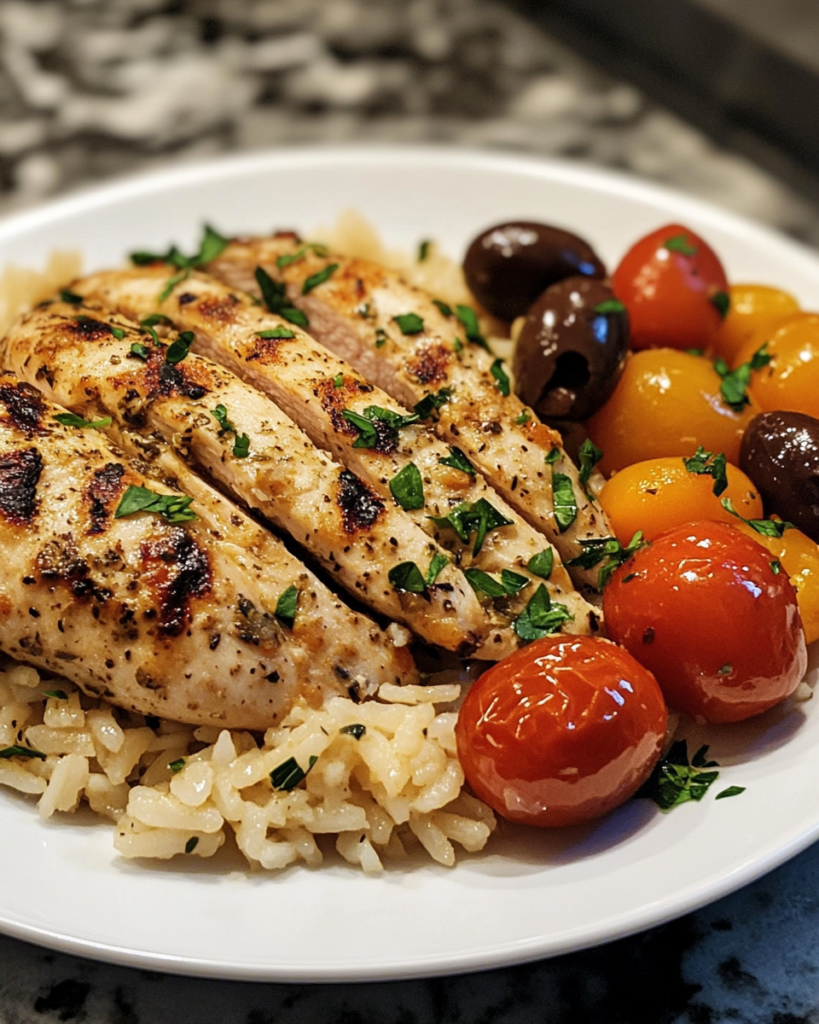
Mediterranean Chicken & Rice brings bright flavor, tender chicken, fluffy rice, and plenty of savory character into a single skillet. Garlic, lemon, herbs, olive oil, and warm spices blend beautifully with juicy chicken thighs and aromatic rice. This hearty dinner carries classic coastal flavor while remaining simple enough for a relaxed weekday supper.
A large skillet or Dutch oven works perfectly for this recipe because every ingredient cooks together gradually. Chicken drippings season the rice naturally, while broth, onion, and garlic create rich depth throughout each spoonful. Fresh parsley and lemon finish the dish with gentle brightness that balances the savory notes.
This recipe also adapts well for family dinners, meal preparation, or casual gatherings. Since the rice absorbs all the cooking liquid slowly, every bite carries layers of herb and spice flavor without requiring complicated preparation. Mediterranean Chicken & Rice delivers comfort, freshness, and satisfying texture within a single pan.
Ingredients Overview

Chicken thighs remain a popular choice for Mediterranean Chicken & Rice because darker meat stays juicy during simmering. Boneless skinless thighs cook evenly while adding rich flavor throughout the rice. Chicken breast works too, though slightly shorter cooking prevents dryness.
Long-grain white rice creates fluffy texture without turning sticky. Basmati rice also suits this dish beautifully thanks to its fragrant aroma and lighter texture. Brown rice may replace white rice, although additional broth and longer simmering become necessary.
Olive oil forms the savory base for sautéing onion and garlic. Since Mediterranean cooking relies heavily upon olive oil, choosing a flavorful variety contributes substantial depth. Onion softens gradually and sweetens during cooking, while garlic supplies bold aromatic notes.
Chicken broth infuses the rice with savory richness. Low-sodium broth allows greater seasoning control. Lemon juice balances the richness from olive oil and chicken while delivering classic Mediterranean brightness.
Paprika, oregano, cumin, black pepper, and parsley provide warm earthy flavor. Paprika contributes gentle smokiness, cumin adds warmth, and oregano brings herbal depth. Fresh parsley scattered across the finished skillet brightens every serving.
Cherry tomatoes introduce slight acidity and soft texture during simmering. Kalamata olives contribute briny contrast that pairs beautifully with lemon and herbs. Crumbled feta adds creamy salty richness across the final dish.
This recipe welcomes practical substitutions. Quinoa may replace rice for extra protein. Spinach may join during final simmering for additional greens. Chickpeas also pair beautifully with the seasoned chicken and rice mixture.
Ingredients
1 1/2 pounds boneless skinless chicken thighs
1 1/2 cups long-grain white rice
2 tablespoons olive oil
1 medium yellow onion, finely chopped
4 garlic cloves, minced
1 teaspoon paprika
1 teaspoon dried oregano
1/2 teaspoon ground cumin
1 teaspoon kosher salt
1/2 teaspoon black pepper
3 cups low-sodium chicken broth
1 cup cherry tomatoes, halved
1/2 cup sliced Kalamata olives
2 tablespoons fresh lemon juice
1 tablespoon lemon zest
1/4 cup chopped fresh parsley
1/2 cup crumbled feta cheese
Step-by-Step Instructions

Pat the chicken thighs dry using paper towels. Dry chicken browns far more evenly because excess surface moisture prevents caramelization. Season both sides with salt, pepper, paprika, oregano, and cumin.
Warm olive oil inside a large deep skillet or Dutch oven over medium-high heat. Place the chicken thighs into the hot pan without overcrowding. Cook for roughly 4 to 5 minutes per side until golden brown. Full cooking finishes later alongside the rice, so partial cooking remains completely fine during this stage.
Transfer the browned chicken onto a plate temporarily. Lower the heat slightly, then add the chopped onion into the same skillet. Stir frequently for roughly 5 minutes until softened and lightly golden. Add minced garlic and stir for roughly 30 seconds until fragrant. Garlic burns quickly, so constant stirring helps maintain balanced flavor.
Pour the uncooked rice into the skillet. Stir thoroughly so every grain becomes coated with olive oil and seasoning. Toasting the rice briefly adds subtle nutty flavor while helping the grains remain fluffy after simmering.
Pour chicken broth into the skillet carefully while scraping any browned bits from the bottom. Those caramelized pieces carry substantial savory depth. Stir in cherry tomatoes, olives, lemon zest, and lemon juice.
Nestle the browned chicken thighs directly into the rice mixture. Any collected juices from the resting chicken should enter the skillet too because they contribute additional flavor.
Bring the liquid to a gentle simmer. Once simmering begins, lower the heat to maintain very light bubbling. Cover the skillet tightly with a lid. Cook for roughly 20 minutes without lifting the lid repeatedly. Frequent uncovering releases steam and interrupts proper rice cooking.
After 20 minutes, check the rice texture carefully. The grains should appear tender while most liquid becomes absorbed. Chicken should register 165 degrees Fahrenheit internally. If slight liquid remains, continue cooking uncovered for several minutes until the rice reaches fluffy texture.
Scatter chopped parsley and crumbled feta across the skillet shortly before serving. Allow the dish to rest for roughly 5 minutes prior to serving because resting helps the rice finish absorbing remaining moisture evenly.
Avoid excessively high heat during simmering because aggressive bubbling may scorch the rice across the bottom before the center finishes cooking. Gentle heat creates evenly tender grains and juicy chicken throughout the skillet.
Tips, Variations & Substitutions
Basmati rice delivers lighter texture and aromatic fragrance that pairs beautifully with lemon and herbs. Jasmine rice also works nicely, though slightly softer texture develops during simmering.
Chicken breast may replace chicken thighs for leaner texture. Since breast meat cooks faster, checking internal temperature earlier helps prevent dryness. Bone-in chicken thighs create deeper flavor, although additional simmering becomes necessary.
For extra vegetables, stir spinach or chopped zucchini into the skillet during the final several minutes. Artichoke hearts also pair naturally with olives, lemon, and feta. Chickpeas contribute additional protein while maintaining classic Mediterranean character.
Brown rice remains another practical option. Since brown rice absorbs liquid differently, roughly 1 additional cup broth plus longer simmering usually becomes necessary.
Fresh herbs brighten the entire skillet substantially. Dill, basil, or mint may accompany parsley for additional herbal flavor. Fresh lemon wedges across the serving platter provide refreshing acidity alongside the savory rice.
Large heavy cookware produces the most even cooking because thinner pans sometimes scorch the rice prematurely. A snug-fitting lid also matters greatly because trapped steam cooks the rice evenly from top to bottom.
Leftovers store beautifully within sealed containers inside the refrigerator for roughly 4 days. A small splash of broth during reheating helps restore moisture without drying the rice.
Serving Ideas & Occasions
Mediterranean Chicken & Rice fits beautifully into casual family suppers, relaxed weekend gatherings, or practical meal preparation during busy schedules. Since everything cooks within a single skillet, serving and cleanup remain wonderfully simple.
Warm pita bread pairs beautifully alongside the savory rice and juicy chicken. Crisp cucumber salad with red onion and olive oil also balances the richer elements from feta and olives. Roasted vegetables such as eggplant, zucchini, or bell peppers complement the herb-filled flavor profile naturally.
Sparkling water with fresh lemon slices creates a refreshing pairing. Iced herbal tea also balances the savory spices comfortably during warmer weather.
This dish travels well for potlucks because the rice stays flavorful even after resting. Mediterranean Chicken & Rice also suits colder evenings thanks to its hearty texture and warming spices while still carrying bright citrus freshness.
Nutritional & Health Notes
Mediterranean Chicken & Rice supplies balanced nutrition through protein, carbohydrates, healthy fats, and vegetables within a single meal. Chicken thighs contribute satisfying protein and iron, while olive oil supplies heart-friendly unsaturated fats commonly associated with Mediterranean cooking traditions.
Rice delivers steady carbohydrate energy that pairs nicely with the protein-rich chicken. Adding spinach, zucchini, or chickpeas increases fiber and micronutrient content further.
Olives and feta contribute savory richness along with sodium, so reduced-sodium broth helps balance overall seasoning. Lemon juice and fresh herbs brighten flavor naturally without requiring excessive salt.
This recipe also adapts easily for varied dietary preferences. Brown rice contributes additional fiber, while reduced-fat feta lowers overall richness slightly. Since the dish cooks gradually within broth rather than heavy cream or butter, the overall texture remains hearty without feeling overly heavy.
FAQs
Can chicken breast replace chicken thighs?
Chicken breast works nicely within Mediterranean Chicken & Rice, although slightly different texture develops during cooking. Breast meat contains less fat than thighs, so careful simmering helps maintain tenderness. Cutting larger breasts into evenly sized portions promotes balanced cooking throughout the skillet.
Since breast meat cooks faster, checking internal temperature earlier becomes helpful. Once the chicken reaches 165 degrees Fahrenheit, removing the skillet from heat prevents dryness. Extra lemon juice or several spoonfuls of broth during serving also help preserve moisture beautifully.
Many home cooks still favor thighs because richer flavor develops naturally during simmering. Both versions remain delicious, particularly alongside olives, herbs, and feta.
Which rice variety works most successfully?
Long-grain white rice remains highly reliable because the grains stay fluffy and separate after simmering. Basmati rice also performs beautifully thanks to its fragrant aroma and lighter texture. Both absorb broth gradually without turning gummy.
Short-grain rice generally releases additional starch during cooking, creating softer texture that differs from traditional Mediterranean-style rice skillets. Brown rice remains another practical option, although additional broth plus longer simmering become necessary.
Rinsing rice briefly before cooking removes excess starch and encourages fluffier texture. Toasting the grains inside olive oil prior to adding broth also contributes subtle nutty flavor alongside improved texture.
Can Mediterranean Chicken & Rice enter meal preparation plans?
Mediterranean Chicken & Rice stores exceptionally well, making it highly practical for weekly meal preparation. After cooling fully, portion the chicken and rice into sealed containers. Refrigerated leftovers usually maintain quality for roughly 4 days.
During reheating, adding several spoonfuls of broth or water prevents dryness and refreshes the rice texture. Gentle reheating across medium-low heat inside a covered skillet often produces the most pleasant texture.
Fresh parsley or additional lemon juice added shortly before serving brightens leftovers beautifully. Many home cooks also stir fresh spinach into reheated portions for extra freshness during weekday lunches or suppers.
How can overly soft rice become avoided?
Excess liquid or aggressive simmering commonly causes overly soft rice. Measuring broth carefully helps maintain balanced texture throughout cooking. Gentle simmering rather than rapid boiling also prevents uneven moisture absorption.
Keeping the lid closed during cooking matters greatly because escaping steam changes liquid levels inside the skillet. Heavy cookware distributes heat more evenly, reducing scorching while helping the rice cook consistently.
If slight liquid remains after cooking finishes, allowing the skillet to rest uncovered briefly usually solves the issue. Resting also helps the grains settle into fluffier texture prior to serving.
Are additional vegetables suitable within this recipe?
Many vegetables pair naturally with Mediterranean Chicken & Rice. Spinach wilts beautifully during final simmering, while zucchini softens nicely without overpowering the dish. Bell peppers contribute sweetness alongside vibrant color.
Artichoke hearts, peas, or chickpeas also blend comfortably with olives, lemon, and herbs. Since vegetables release varying moisture levels, adding watery vegetables gradually prevents soggy rice texture.
Roasted vegetables served alongside the skillet create another excellent option. Eggplant, cauliflower, and carrots complement the warm spices and savory chicken beautifully while contributing additional texture variety.
Does feta remain necessary?
Feta contributes creamy salty richness that complements lemon, olives, and herbs beautifully, although the dish still tastes delicious without it. Goat cheese supplies similar tangy flavor with softer texture, while grated Parmesan creates richer savory notes.
For dairy-free preparation, simply omit the cheese entirely. Extra parsley, olives, or lemon zest still provide substantial flavor and freshness across the finished skillet.
Adding feta shortly before serving rather than during simmering preserves its pleasant creamy texture. Warm rice softens the cheese gently without causing complete melting throughout the skillet.
Which herbs pair nicely alongside Mediterranean flavors?
Parsley remains a classic finishing herb because its fresh clean flavor balances the savory rice beautifully. Dill also pairs wonderfully with lemon and feta, contributing gentle grassy notes throughout the dish.
Fresh basil supplies sweet herbal aroma that complements tomatoes naturally. Mint may sound unusual initially, although small amounts bring refreshing brightness alongside olives and citrus.
Dried oregano forms the savory backbone during cooking, while fresh herbs added near serving maintain brighter flavor. Combining several herbs together often creates deeper Mediterranean character across the finished skillet.