Silky Chicken Broth Parmesan Pasta 5 Quick Cozy Comfort Delight

Posted on

Uncategorized

Difficulty

Prep time

Cooking time

Total time

Servings

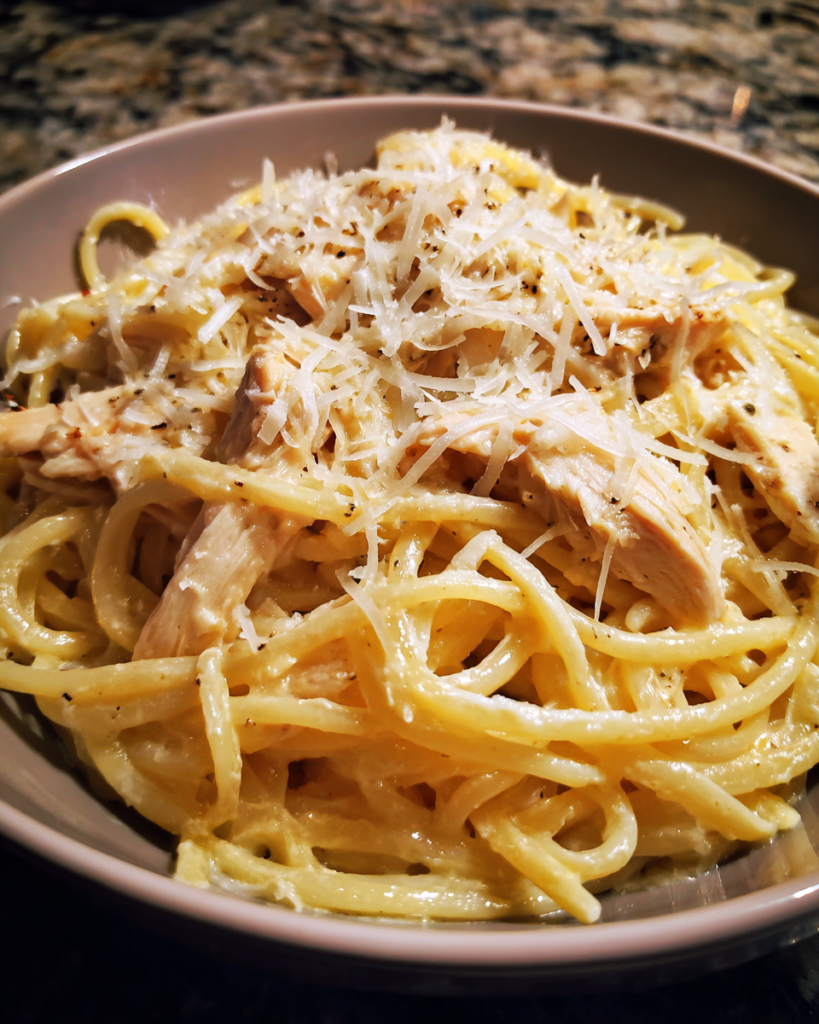
A bowl of Silky Chicken Broth Parmesan Pasta brings together gentle flavors, creamy texture, and a soothing aroma that fits right into a relaxed dinner at home. The pasta cooks directly in seasoned chicken broth, absorbing every bit of savory depth while releasing starch that naturally creates a velvety sauce.

This dish leans on pantry-friendly ingredients, yet the final result feels rich and satisfying. Parmesan melts into the broth, garlic adds warmth, and butter gives a smooth finish that clings to every strand of pasta. It’s the kind of meal that works when you want something comforting without complicated steps or long preparation.

The texture is what sets it apart. Instead of draining pasta water away, everything reduces together in one pot, forming a glossy coating that feels light but full of flavor. Each bite delivers soft pasta, savory broth notes, and a gentle cheese finish that lingers pleasantly.

It also works well for busy evenings or relaxed weekends when you want a warm bowl of food without much effort. The ingredients are simple, but the technique creates a restaurant-style feel at home.

Ingredients Overview

Chicken broth is the foundation of this dish, bringing savory depth and gentle saltiness. A good-quality broth gives the pasta a rich base flavor as it cooks, so each strand absorbs seasoning from the inside out. Homemade broth works beautifully, but store-bought versions are convenient and consistent.

Pasta plays an important role in texture. Long shapes like spaghetti or linguine work best because they release starch gradually while cooking in broth. This starch naturally thickens the liquid into a silky coating. Short pasta like fettuccine can also work if you prefer a heartier bite.

Parmesan cheese adds a nutty, salty layer that melts into the broth. Freshly grated Parmesan blends more smoothly than pre-shredded versions, which often contain anti-caking agents. The cheese helps create a creamy consistency without heavy cream.

Garlic and butter form the aromatic base. Garlic gives warmth and depth, while butter smooths out the texture and carries flavor across the entire dish. Olive oil can be used alongside butter for a slightly lighter finish.

Black pepper and salt adjust seasoning at the end. Since broth and cheese already bring saltiness, seasoning should be added gradually. Fresh herbs like parsley or thyme can be added for brightness.

A small amount of milk or cream is optional. It adds extra softness to the sauce, though the dish remains creamy even without it due to starch and cheese emulsification.

Ingredients

12 ounces spaghetti or linguine
4 cups chicken broth
2 tablespoons unsalted butter
1 tablespoon olive oil
4 cloves garlic, finely minced
1 cup freshly grated Parmesan cheese
1/2 teaspoon black pepper
Salt to taste
1/4 cup milk or light cream (optional)
2 tablespoons chopped fresh parsley
1/2 teaspoon dried thyme (optional)

Step-by-Step Instructions

Start by placing a large, deep skillet or pot over medium heat. Add butter and olive oil, allowing them to melt together until smooth. Once the mixture is warm, add minced garlic and stir gently for about 30 to 60 seconds. The garlic should become fragrant but not browned, as overheating can create bitterness.

Pour in the chicken broth and bring it to a gentle simmer. This forms the cooking base for the pasta. Once simmering, add the uncooked pasta directly into the broth. Stir frequently during the first few minutes to prevent sticking and to help the strands soften evenly.

As the pasta cooks, it will begin to release starch into the broth. This is what gradually creates a silky texture. Continue stirring every minute or so, keeping the heat steady. The liquid will slowly reduce and thicken as the pasta absorbs flavor.

Cook until the pasta reaches a tender texture with a slight firmness in the center. This usually takes around 10 to 12 minutes depending on the type used. If the liquid reduces too quickly before the pasta is done, add a small splash of extra broth or water.

Once the pasta is cooked, lower the heat. Stir in Parmesan cheese gradually, allowing it to melt into the broth. The mixture will transform into a smooth, creamy sauce that coats each strand. If using milk or cream, add it at this stage for added softness.

Season with black pepper and adjust salt carefully. Since both broth and cheese contain salt, small adjustments are usually enough. Stir everything together until the sauce looks glossy and evenly distributed.

Remove the pot from heat and let it sit for a minute. This resting time helps the sauce settle and thicken slightly. Finish with chopped parsley and optional thyme for a light herbal lift.

Serve immediately while warm and silky. The pasta will continue to absorb sauce as it sits, so serving right away keeps the texture at its best.

Tips, Variations & Substitutions

For a richer flavor, replace part of the chicken broth with a small amount of bone broth. This adds deeper savory notes without changing the texture. If a lighter version is preferred, use reduced-sodium broth to control salt levels.

Different pasta shapes can change the experience. Thin strands create a softer, more delicate feel, while thicker noodles give a more substantial bite. Short pasta can be used if you want a more rustic bowl-style dish.

To add protein, shredded rotisserie chicken blends well into the sauce. It absorbs the Parmesan and broth flavors without overpowering the dish. Cooked shrimp is another option for a lighter seafood variation.

Vegetables can also be added for variety. Spinach, peas, or sautéed mushrooms mix easily into the pasta during the final minutes of cooking. They add color and texture without changing the base structure.

For a slightly richer sauce, increase Parmesan or add a small spoon of cream cheese. This creates a denser, more indulgent consistency while keeping the same cooking method.

Serving Ideas & Occasions

This pasta pairs well with simple side dishes like roasted vegetables, steamed green beans, or a light salad with lemon dressing. The mild creamy base complements fresh, crisp flavors on the side.

It also works as a standalone meal due to its balanced combination of carbohydrates, protein from cheese, and savory broth. A slice of warm bread or garlic toast fits naturally alongside it for extra comfort.

It’s a fitting choice for weeknight dinners, casual gatherings, or quiet meals at home. The one-pot approach keeps preparation straightforward, making it practical for both busy and relaxed cooking days.

Nutritional & Health Notes

This dish offers a balanced combination of carbohydrates, fats, and protein. Pasta provides energy, while Parmesan contributes protein and calcium. Chicken broth adds minerals and flavor without heavy richness.

Butter and cheese bring fat content that supports satiety, making the meal satisfying in moderate portions. Using low-sodium broth helps control salt levels, especially for those monitoring intake.

Adding vegetables like spinach or peas increases fiber and micronutrients without changing the cooking process. Portion size can be adjusted depending on dietary needs, as the dish remains filling even in smaller servings.

FAQs

Can I use a different type of pasta?

Yes, many pasta shapes work well in this recipe. Long noodles like spaghetti or linguine create a smooth, silky texture because they release starch evenly. Short pasta such as penne or fusilli can also be used for a heartier bite. Cooking time may vary slightly depending on the shape, so it is important to monitor texture while simmering in broth.

What type of chicken broth works best?

A well-balanced chicken broth with moderate salt content works best. Homemade broth provides deeper flavor, but store-bought options are convenient and consistent. Low-sodium broth is useful if you prefer more control over seasoning. The broth forms the base of the dish, so quality directly affects the final taste.

Can I make this dish without cheese?

Yes, but the texture will be less creamy. Parmesan helps bind the broth and starch into a silky sauce. Without it, the pasta will remain more brothy rather than creamy. If avoiding cheese, a small amount of cream or plant-based alternatives can help create a smoother texture.

Why does the pasta cook in broth instead of water?

Cooking pasta in broth allows it to absorb savory flavor as it softens. At the same time, starch released from the pasta naturally thickens the liquid. This creates a cohesive sauce without needing separate steps or additional thickening agents.

Can I store leftovers?

Leftovers can be stored in a sealed container in the refrigerator. The pasta will absorb more liquid over time, so reheating with a splash of broth or water helps restore its creamy consistency. Warm gently on the stove or in the microwave.

Can I add protein to this recipe?

Yes, cooked chicken, shrimp, or even turkey work well. These proteins blend into the sauce and absorb the Parmesan flavor. Add them near the end of cooking so they warm through without overcooking.

How do I prevent the pasta from sticking?

Frequent stirring during the first few minutes of cooking helps prevent sticking. Using enough broth and maintaining a steady simmer also supports even cooking. If needed, add small amounts of extra broth while the pasta cooks.

[rank_math_breadcrumb]

Silky Chicken Broth Parmesan Pasta 5 Quick Cozy Comfort Delight

Photo of author
Author: Olivia
Published:

A bowl of Silky Chicken Broth Parmesan Pasta brings together gentle flavors, creamy texture, and a soothing aroma that fits right into a relaxed dinner at home. The pasta cooks directly in seasoned chicken broth, absorbing every bit of savory depth while releasing starch that naturally creates a velvety sauce.

This dish leans on pantry-friendly ingredients, yet the final result feels rich and satisfying. Parmesan melts into the broth, garlic adds warmth, and butter gives a smooth finish that clings to every strand of pasta. It’s the kind of meal that works when you want something comforting without complicated steps or long preparation.

The texture is what sets it apart. Instead of draining pasta water away, everything reduces together in one pot, forming a glossy coating that feels light but full of flavor. Each bite delivers soft pasta, savory broth notes, and a gentle cheese finish that lingers pleasantly.

It also works well for busy evenings or relaxed weekends when you want a warm bowl of food without much effort. The ingredients are simple, but the technique creates a restaurant-style feel at home.

Ingredients Overview

Chicken broth is the foundation of this dish, bringing savory depth and gentle saltiness. A good-quality broth gives the pasta a rich base flavor as it cooks, so each strand absorbs seasoning from the inside out. Homemade broth works beautifully, but store-bought versions are convenient and consistent.

Pasta plays an important role in texture. Long shapes like spaghetti or linguine work best because they release starch gradually while cooking in broth. This starch naturally thickens the liquid into a silky coating. Short pasta like fettuccine can also work if you prefer a heartier bite.

Parmesan cheese adds a nutty, salty layer that melts into the broth. Freshly grated Parmesan blends more smoothly than pre-shredded versions, which often contain anti-caking agents. The cheese helps create a creamy consistency without heavy cream.

Garlic and butter form the aromatic base. Garlic gives warmth and depth, while butter smooths out the texture and carries flavor across the entire dish. Olive oil can be used alongside butter for a slightly lighter finish.

Black pepper and salt adjust seasoning at the end. Since broth and cheese already bring saltiness, seasoning should be added gradually. Fresh herbs like parsley or thyme can be added for brightness.

A small amount of milk or cream is optional. It adds extra softness to the sauce, though the dish remains creamy even without it due to starch and cheese emulsification.

Ingredients

12 ounces spaghetti or linguine
4 cups chicken broth
2 tablespoons unsalted butter
1 tablespoon olive oil
4 cloves garlic, finely minced
1 cup freshly grated Parmesan cheese
1/2 teaspoon black pepper
Salt to taste
1/4 cup milk or light cream (optional)
2 tablespoons chopped fresh parsley
1/2 teaspoon dried thyme (optional)

Step-by-Step Instructions

Start by placing a large, deep skillet or pot over medium heat. Add butter and olive oil, allowing them to melt together until smooth. Once the mixture is warm, add minced garlic and stir gently for about 30 to 60 seconds. The garlic should become fragrant but not browned, as overheating can create bitterness.

Pour in the chicken broth and bring it to a gentle simmer. This forms the cooking base for the pasta. Once simmering, add the uncooked pasta directly into the broth. Stir frequently during the first few minutes to prevent sticking and to help the strands soften evenly.

As the pasta cooks, it will begin to release starch into the broth. This is what gradually creates a silky texture. Continue stirring every minute or so, keeping the heat steady. The liquid will slowly reduce and thicken as the pasta absorbs flavor.

Cook until the pasta reaches a tender texture with a slight firmness in the center. This usually takes around 10 to 12 minutes depending on the type used. If the liquid reduces too quickly before the pasta is done, add a small splash of extra broth or water.

Once the pasta is cooked, lower the heat. Stir in Parmesan cheese gradually, allowing it to melt into the broth. The mixture will transform into a smooth, creamy sauce that coats each strand. If using milk or cream, add it at this stage for added softness.

Season with black pepper and adjust salt carefully. Since both broth and cheese contain salt, small adjustments are usually enough. Stir everything together until the sauce looks glossy and evenly distributed.

Remove the pot from heat and let it sit for a minute. This resting time helps the sauce settle and thicken slightly. Finish with chopped parsley and optional thyme for a light herbal lift.

Serve immediately while warm and silky. The pasta will continue to absorb sauce as it sits, so serving right away keeps the texture at its best.

Tips, Variations & Substitutions

For a richer flavor, replace part of the chicken broth with a small amount of bone broth. This adds deeper savory notes without changing the texture. If a lighter version is preferred, use reduced-sodium broth to control salt levels.

Different pasta shapes can change the experience. Thin strands create a softer, more delicate feel, while thicker noodles give a more substantial bite. Short pasta can be used if you want a more rustic bowl-style dish.

To add protein, shredded rotisserie chicken blends well into the sauce. It absorbs the Parmesan and broth flavors without overpowering the dish. Cooked shrimp is another option for a lighter seafood variation.

Vegetables can also be added for variety. Spinach, peas, or sautéed mushrooms mix easily into the pasta during the final minutes of cooking. They add color and texture without changing the base structure.

For a slightly richer sauce, increase Parmesan or add a small spoon of cream cheese. This creates a denser, more indulgent consistency while keeping the same cooking method.

Serving Ideas & Occasions

This pasta pairs well with simple side dishes like roasted vegetables, steamed green beans, or a light salad with lemon dressing. The mild creamy base complements fresh, crisp flavors on the side.

It also works as a standalone meal due to its balanced combination of carbohydrates, protein from cheese, and savory broth. A slice of warm bread or garlic toast fits naturally alongside it for extra comfort.

It’s a fitting choice for weeknight dinners, casual gatherings, or quiet meals at home. The one-pot approach keeps preparation straightforward, making it practical for both busy and relaxed cooking days.

Nutritional & Health Notes

This dish offers a balanced combination of carbohydrates, fats, and protein. Pasta provides energy, while Parmesan contributes protein and calcium. Chicken broth adds minerals and flavor without heavy richness.

Butter and cheese bring fat content that supports satiety, making the meal satisfying in moderate portions. Using low-sodium broth helps control salt levels, especially for those monitoring intake.

Adding vegetables like spinach or peas increases fiber and micronutrients without changing the cooking process. Portion size can be adjusted depending on dietary needs, as the dish remains filling even in smaller servings.

FAQs

Can I use a different type of pasta?

Yes, many pasta shapes work well in this recipe. Long noodles like spaghetti or linguine create a smooth, silky texture because they release starch evenly. Short pasta such as penne or fusilli can also be used for a heartier bite. Cooking time may vary slightly depending on the shape, so it is important to monitor texture while simmering in broth.

What type of chicken broth works best?

A well-balanced chicken broth with moderate salt content works best. Homemade broth provides deeper flavor, but store-bought options are convenient and consistent. Low-sodium broth is useful if you prefer more control over seasoning. The broth forms the base of the dish, so quality directly affects the final taste.

Can I make this dish without cheese?

Yes, but the texture will be less creamy. Parmesan helps bind the broth and starch into a silky sauce. Without it, the pasta will remain more brothy rather than creamy. If avoiding cheese, a small amount of cream or plant-based alternatives can help create a smoother texture.

Why does the pasta cook in broth instead of water?

Cooking pasta in broth allows it to absorb savory flavor as it softens. At the same time, starch released from the pasta naturally thickens the liquid. This creates a cohesive sauce without needing separate steps or additional thickening agents.

Can I store leftovers?

Leftovers can be stored in a sealed container in the refrigerator. The pasta will absorb more liquid over time, so reheating with a splash of broth or water helps restore its creamy consistency. Warm gently on the stove or in the microwave.

Can I add protein to this recipe?

Yes, cooked chicken, shrimp, or even turkey work well. These proteins blend into the sauce and absorb the Parmesan flavor. Add them near the end of cooking so they warm through without overcooking.

How do I prevent the pasta from sticking?

Frequent stirring during the first few minutes of cooking helps prevent sticking. Using enough broth and maintaining a steady simmer also supports even cooking. If needed, add small amounts of extra broth while the pasta cooks.
Name

Lorem ipsum dolor sit amet, consectetur adipiscing elit. Suspendisse varius enim in eros elementum tristique. Duis cursus, mi quis viverra ornare, eros dolor interdum nulla, ut commodo diam libero vitae erat.

You Might Also Like...

Garlic Butter Steak & Veggies: 30-Minute Amazing Supper

Garlic Butter Steak & Veggies: 30-Minute Amazing Supper

Buffalo Chicken Meal Prep Bowls: 5 Practical Savory Plates

Buffalo Chicken Meal Prep Bowls: 5 Practical Savory Plates

Mediterranean Chicken & Rice: 5 Amazing Comforting Bowls

Mediterranean Chicken & Rice: 5 Amazing Comforting Bowls

Teriyaki Chicken Meal Boxes: 5 Simple Comforting Ideas

Teriyaki Chicken Meal Boxes: 5 Simple Comforting Ideas

Tags:

You might also like these recipes

Leave a Comment