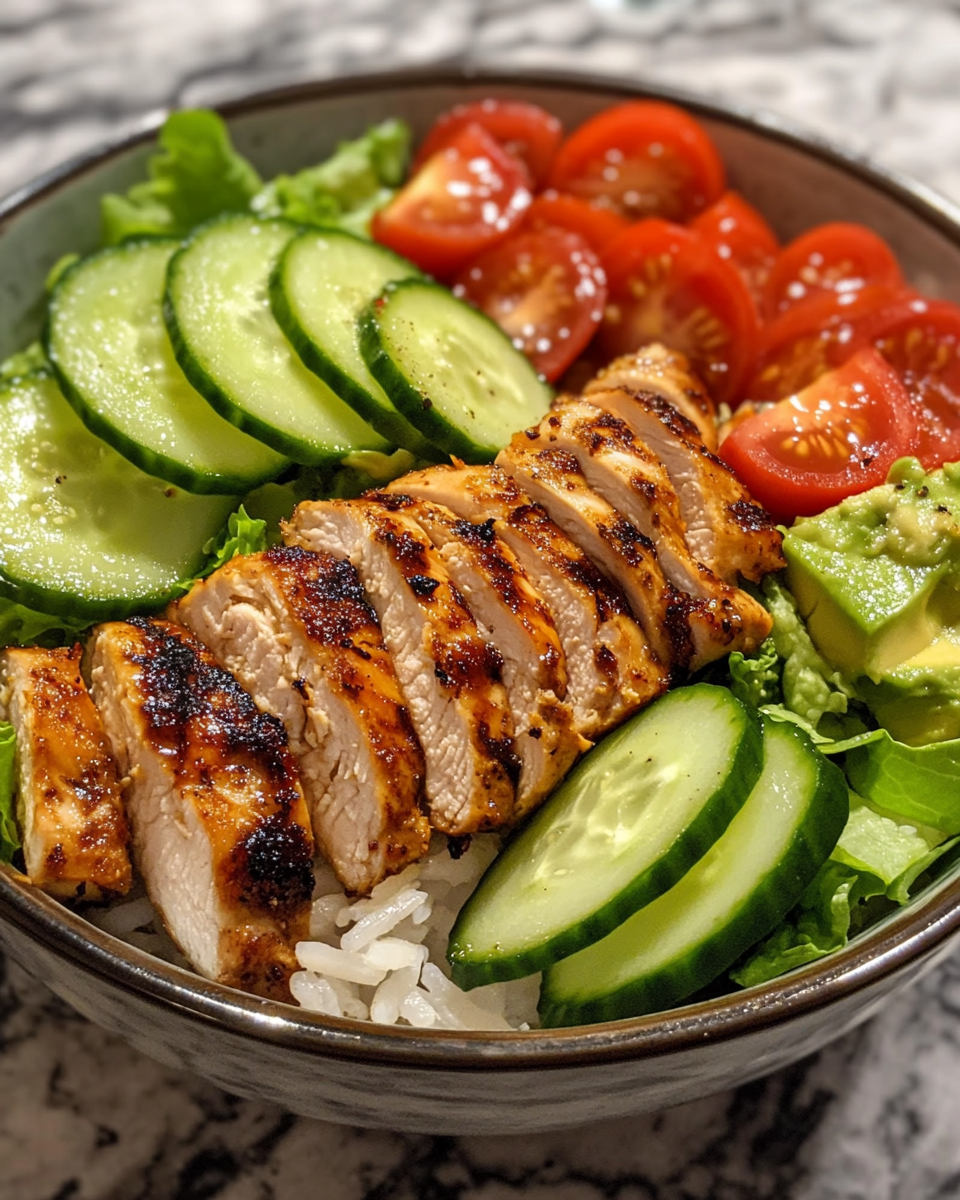
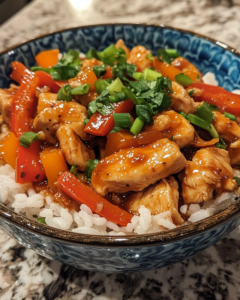
A Homestyle Chicken Noodle Skillet brings together tender chicken, soft noodles, and a savory pan sauce in a single pan for a warm, satisfying meal. This dish carries the feel of classic home cooking, where simple ingredients come together in a way that feels steady and filling. The skillet method keeps everything in one place, allowing the flavors to blend as they cook.
It is the kind of meal often made on busy evenings when something warm and steady is needed without extra steps or complicated prep. The chicken turns juicy as it cooks, the noodles soak in flavor, and the sauce ties everything together with a gentle richness. Each bite feels balanced, with soft texture and savory depth.
This recipe is built around everyday ingredients that are easy to find and flexible enough to adjust based on what is available in the kitchen. It is forgiving, practical, and ideal for cooks who want a straightforward dish with a homemade feel.
Ingredients Overview
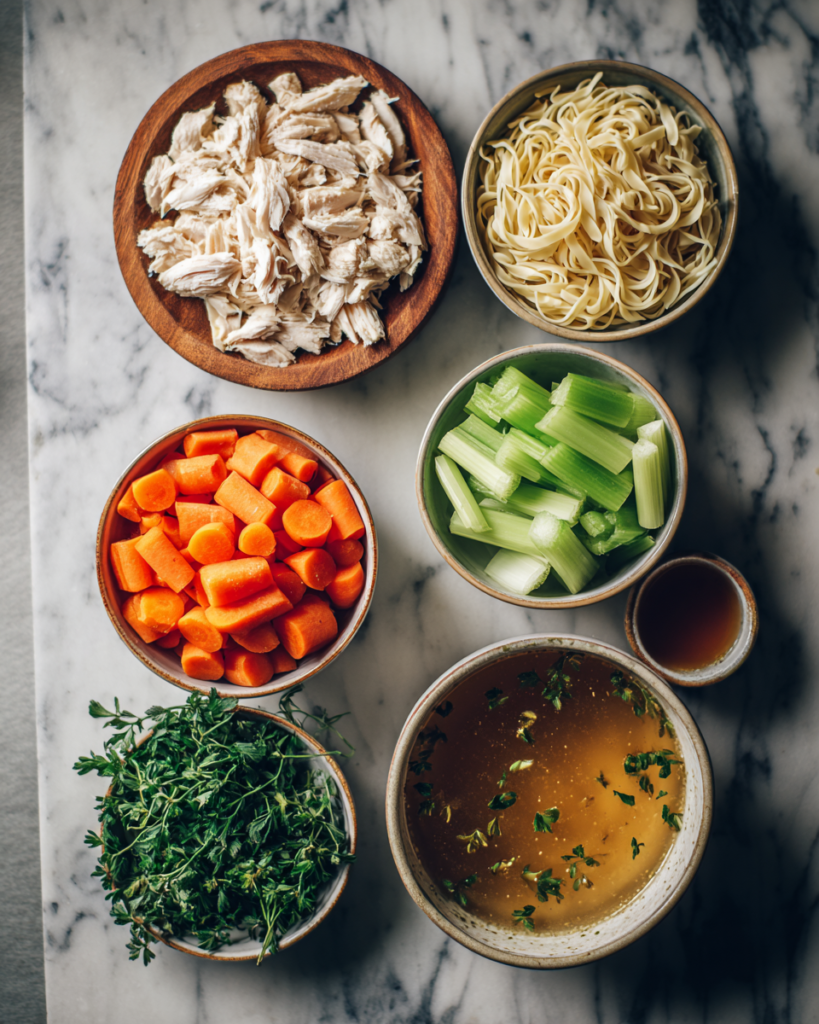
The foundation of this dish starts with chicken breast or thigh meat. Chicken breast gives a lean texture, while thigh meat adds extra juiciness and depth. Both work well because they absorb flavor from the skillet as they cook.
Egg noodles are the preferred choice because they hold their shape and soften beautifully in the sauce. Their slightly chewy texture pairs well with tender chicken pieces. If egg noodles are not available, other short pasta shapes such as rotini or bow ties can be used, though cooking time may vary slightly.
Aromatic ingredients like onion and garlic form the base flavor. Onion adds natural sweetness when cooked down, while garlic brings a warm savory tone. These two ingredients create depth without overpowering the dish.
The sauce is built using chicken broth and a small amount of cream or milk. The broth gives savory richness, while the dairy adds smoothness. Together they form a light but flavorful coating for the noodles.
Seasonings such as salt, black pepper, and dried herbs like thyme or parsley round out the flavor. These herbs give the dish a familiar home-cooked aroma without complicating the preparation.
Butter and a small amount of oil are used for sautéing. Butter adds richness, while oil helps prevent burning during the cooking process. A touch of flour can be used if a slightly thicker sauce is preferred.
Fresh parsley at the end adds a mild fresh note that brightens the final dish. It is optional but brings a clean contrast to the warm skillet flavors.
Ingredients
1 pound chicken breast or thighs, cut into bite-sized pieces
8 ounces egg noodles
2 tablespoons butter
1 tablespoon olive oil
1 small onion, finely chopped
3 cloves garlic, minced
2 cups chicken broth
1 cup milk or light cream
1 teaspoon salt
1/2 teaspoon black pepper
1 teaspoon dried thyme
1/2 teaspoon paprika
2 tablespoons all-purpose flour (optional, for thicker sauce)
2 tablespoons chopped fresh parsley
Step-by-Step Instructions

Start by heating a large skillet over medium heat. Add olive oil and butter, allowing the butter to melt fully. Once the pan is warm, place the chicken pieces into the skillet in a single layer. Let them cook without stirring for a few minutes so they can develop a light golden surface.
Stir the chicken and continue cooking until the pieces are mostly cooked through. Remove the chicken from the skillet and set it aside. This step helps keep the texture tender and prevents overcooking later in the process.
In the same skillet, add the chopped onion. Cook it slowly until it softens and becomes slightly translucent. Stir in the garlic and allow it to cook for a short time until fragrant. Keep the heat moderate to prevent burning, as garlic cooks quickly.
If using flour, sprinkle it over the onion and garlic mixture. Stir continuously so it blends evenly with the fat in the pan. This helps create a light base for a slightly thicker sauce later.
Slowly pour in the chicken broth while stirring. Scrape the bottom of the skillet gently to release any browned bits, as these add depth to the sauce. Add the milk or cream next, stirring until the mixture becomes smooth.
Return the cooked chicken to the skillet and bring the mixture to a gentle simmer. Add salt, black pepper, thyme, and paprika. Let the flavors blend for a few minutes while the sauce begins to warm through evenly.
Add the egg noodles directly into the skillet. Stir so they are fully covered in liquid. Cover the pan and let the noodles cook, stirring occasionally to prevent sticking. As they cook, they will absorb the sauce and soften.
Check the noodles for tenderness. If they need more time, allow them to simmer a bit longer, adding a small splash of broth if the skillet becomes too dry. The final texture should be soft but not mushy, with a creamy coating.
Once the noodles are cooked, return any remaining chicken juices to the pan and stir gently. Taste the dish and adjust seasoning if needed. Finish by sprinkling chopped parsley over the top before serving.
Tips, Variations & Substitutions
Chicken thighs can be used instead of chicken breast for a richer texture. They stay juicy even after longer cooking time, making them a reliable choice for skillet meals.
For added vegetables, peas, carrots, or spinach can be stirred in during the final minutes of cooking. These additions bring color and extra texture without changing the base flavor too much.
If a lighter version is preferred, whole milk can replace cream, or the dairy can be reduced slightly. The sauce will still coat the noodles but with a thinner consistency.
For a stronger herb profile, rosemary or Italian seasoning can be added. These herbs shift the flavor slightly toward a more rustic style while keeping the dish balanced.
Leftovers can be reheated gently with a splash of broth or milk to restore the creamy texture, as noodles tend to absorb sauce while resting.
Serving Ideas & Occasions
This skillet dish fits well into weeknight meals when a filling and steady dinner is needed without extra preparation. It works as a stand-alone meal since it already contains protein, starch, and sauce in one pan.
It pairs nicely with simple sides such as steamed green beans, roasted carrots, or a light garden salad. These sides add freshness and balance to the creamy texture of the noodles.
Warm bread or soft rolls also complement the dish, especially when used to scoop up extra sauce from the skillet. It is often served straight from the pan for a casual dining setting.
Nutritional & Health Notes
This dish provides a balanced mix of protein from chicken, carbohydrates from noodles, and fats from butter and cream. It can be adjusted to fit different dietary needs by changing the dairy or pasta type.
Using chicken breast lowers the fat content, while chicken thighs increase richness. Whole grain noodles can add more fiber, and additional vegetables can increase overall nutrient content.
Portion size plays a key role in keeping the meal balanced, as the sauce adds richness that can become heavy if served in large amounts.
FAQs
Can I use rotisserie chicken instead of raw chicken?
Yes, cooked chicken such as rotisserie chicken can be used in this recipe. It should be added after the sauce is prepared and just warmed through. This shortens cooking time and still allows the noodles to absorb flavor from the skillet. It is a practical option for quick meal preparation while keeping the dish steady and satisfying.
What type of noodles work best?
Egg noodles are the most common choice because they hold texture well and absorb sauce evenly. However, other short pasta types like rotini or penne can also be used. Cooking time may need slight adjustment depending on the shape and thickness of the pasta. The goal is to reach a soft texture without losing structure.
Can I make this without dairy?
Yes, the dairy can be replaced with additional chicken broth for a lighter sauce. The result will be less creamy but still flavorful due to the broth and seasonings. A small amount of olive oil can be added for extra richness if needed. The dish remains balanced even without milk or cream.
How do I prevent noodles from overcooking?
To prevent overcooking, keep the heat at a steady simmer and stir occasionally. Check the noodles a few minutes before the suggested cooking time ends. If they become tender early, remove the skillet from heat immediately. The noodles will continue to soften slightly as they rest in the sauce.
Can vegetables be added to this dish?
Yes, vegetables such as peas, spinach, mushrooms, or carrots can be added. They should be added at the appropriate time depending on cooking speed. Quick-cooking vegetables like spinach go in at the end, while firmer vegetables like carrots should be added earlier.
Can this dish be made ahead of time?
This skillet meal can be prepared ahead and stored in the refrigerator. When reheating, a small amount of broth or milk helps restore the sauce consistency. The noodles may soften further after storage, but the flavor remains steady.
What can I use instead of butter?
Butter can be replaced with olive oil or margarine if needed. Olive oil gives a lighter taste, while margarine provides a similar richness. The choice depends on personal preference and dietary needs, but both options work well in the skillet base.