Creamy Pesto Chicken Pasta: 5 Amazing Cozy Bowls

Posted on

Uncategorized

Difficulty

Prep time

Cooking time

Total time

Servings

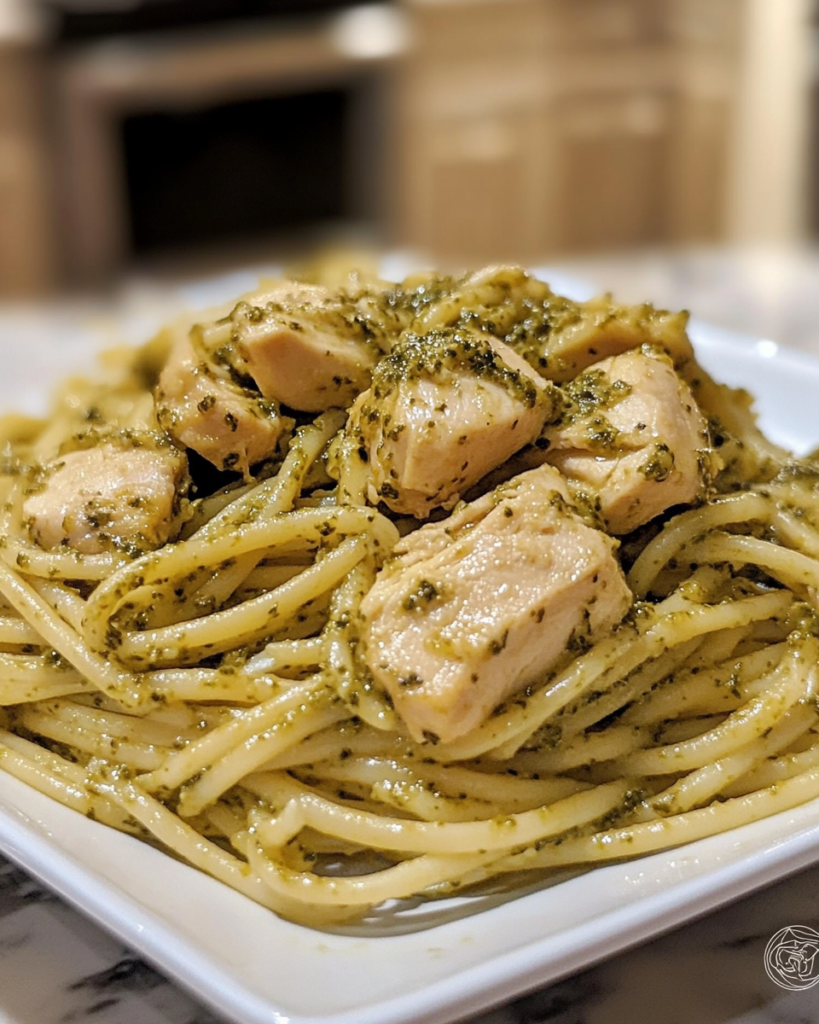
Creamy Pesto Chicken Pasta brings together tender chicken, basil pesto, garlic, parmesan, and pasta in a rich skillet dinner that feels comforting after a long day. The sauce coats every piece of pasta with silky texture while juicy chicken adds hearty flavor and satisfying bite.

This dish works well for weeknight cooking since most ingredients cook quickly in one pan and one pot. Store-bought pesto keeps prep simple, though homemade pesto also tastes wonderful here. The creamy sauce balances the bright basil flavor without becoming too heavy.

Families often enjoy this pasta because it pairs familiar ingredients with restaurant-style texture. A bowl of Creamy Pesto Chicken Pasta also fits casual gatherings, quiet dinners, or relaxed weekend meals with warm bread and salad on the side.

Ingredients Overview

Chicken breast forms the hearty base of this recipe. Boneless skinless chicken cooks quickly and stays tender when sliced into bite-sized pieces. Chicken thighs also work nicely for a richer texture and slightly deeper flavor.

Pesto gives the pasta its signature basil and garlic character. Traditional basil pesto contains basil, parmesan, pine nuts, garlic, and olive oil. Jarred pesto works very well during busy evenings, while homemade pesto offers fresher basil flavor. Spinach pesto or arugula pesto can also bring a slightly different taste profile.

Heavy cream creates the smooth sauce that clings to the pasta. Half-and-half can replace part of the cream for a lighter texture, though the sauce may become thinner. Parmesan cheese thickens the sauce naturally while adding salty depth.

Pasta shape matters because ridges and curves catch the creamy pesto sauce beautifully. Penne, rigatoni, rotini, or farfalle all work nicely. Short pasta shapes also mix evenly with chicken pieces.

Garlic and onion create savory depth at the start of cooking. Fresh garlic gives stronger flavor than garlic powder and pairs naturally with basil pesto. A small amount of butter and olive oil helps the chicken brown evenly without drying out.

Fresh spinach can be stirred into the sauce near the end for extra color and gentle earthiness. Crushed red pepper flakes add mild warmth if desired. A squeeze of lemon brightens the creamy sauce without overpowering the basil flavor.

Ingredients

1 pound boneless skinless chicken breast, cut into bite-sized pieces
12 ounces penne pasta
2 tablespoons olive oil
1 tablespoon butter
3 cloves garlic, minced
1 small yellow onion, finely diced
1 teaspoon salt
1/2 teaspoon black pepper
1/2 teaspoon Italian seasoning
1 cup heavy cream
1/2 cup chicken broth
3/4 cup basil pesto
3/4 cup grated parmesan cheese
2 cups fresh spinach
1 tablespoon lemon juice
1/4 teaspoon crushed red pepper flakes
Fresh basil leaves for garnish

Step-by-Step Instructions

Bring a large pot of salted water to a boil. Cook the penne according to package directions until al dente. Reserve about 1 cup of pasta water before draining. Set the pasta aside.

Pat the chicken pieces dry with paper towels. Dry chicken browns more evenly and develops richer flavor in the skillet. Season the chicken with salt, pepper, and Italian seasoning.

Heat olive oil and butter in a large skillet over medium-high heat. Add the chicken in a single layer. Avoid overcrowding the pan because crowded chicken steams instead of browning. Cook for about 4 to 5 minutes, stirring occasionally, until the outside turns golden and the center reaches a safe internal temperature.

Transfer the cooked chicken to a plate. Reduce the heat to medium. Add the diced onion to the same skillet and cook for about 3 minutes until softened. Stir in the garlic and cook for another 30 seconds until fragrant. Garlic burns quickly, so stir constantly during this step.

Pour in the chicken broth and gently scrape the bottom of the skillet to lift browned bits. Those browned bits add rich savory flavor to the sauce. Stir in the heavy cream and allow the mixture to simmer gently for 2 to 3 minutes.

Add the pesto and parmesan cheese. Stir steadily until the cheese melts into the sauce. If the sauce appears too thick, add a splash of reserved pasta water. The starchy water helps the sauce cling smoothly to the pasta.

Return the chicken to the skillet. Add the cooked pasta and toss gently until coated. Stir in the spinach and cook just until wilted. Finish with lemon juice and crushed red pepper flakes.

Taste the sauce before serving. Parmesan and pesto both contain salt, so extra seasoning may not be needed. Garnish with basil leaves and additional parmesan.

One common problem with creamy pasta dishes comes from overheating the sauce after adding cheese. High heat can cause separation or grainy texture. Gentle simmering keeps the sauce smooth and velvety.

Tips, Variations & Substitutions

Chicken thighs bring richer flavor and remain juicy during reheating. Shrimp also pairs nicely with pesto cream sauce and cooks in only a few minutes. For a meat-free version, sautéed mushrooms or roasted zucchini work beautifully.

Whole wheat pasta gives the dish a slightly nuttier flavor and firmer texture. Gluten-free pasta can also work well, though cooking times vary between brands. Stir gluten-free pasta gently to prevent breakage.

Sun-dried tomatoes add tangy sweetness and extra color. Toasted pine nuts or walnuts bring pleasant crunch across the creamy pasta. A handful of baby peas also pairs naturally with basil pesto.

If the sauce thickens too much during storage, stir in a small splash of milk or broth during reheating. Low heat keeps the sauce creamy without splitting.

Freshly grated parmesan melts more smoothly than pre-shredded cheese because packaged cheese often contains anti-caking ingredients. For stronger basil flavor, stir an extra spoonful of pesto into the pasta just before serving.

This recipe tastes best immediately after cooking, though leftovers still hold rich flavor for lunch the next day. Store cooled pasta in an airtight container in the refrigerator for up to three days.

Serving Ideas & Occasions

Creamy Pesto Chicken Pasta pairs wonderfully with garlic bread, focaccia, or warm ciabatta. A crisp green salad with balsamic dressing balances the richness of the cream sauce nicely. Roasted asparagus, broccoli, or green beans also fit beautifully beside the pasta.

Sparkling water with lemon or chilled white wine complements the basil and parmesan flavors without overwhelming the dish. During cooler evenings, this pasta feels especially comforting beside a bowl of roasted vegetables or tomato soup.

Many families enjoy this recipe during busy weekdays because the cooking process stays simple while still feeling satisfying. It also works well for casual dinner gatherings since the creamy sauce holds warmth nicely on the table.

For holiday meals or birthday dinners, garnish the pasta with extra basil, parmesan curls, and cracked black pepper for a polished presentation that still feels relaxed and welcoming.

Nutritional & Health Notes

Creamy Pesto Chicken Pasta contains protein from chicken and parmesan along with carbohydrates from pasta for balanced energy. Basil pesto contributes healthy fats from olive oil and nuts while spinach adds fiber, iron, and color.

Heavy cream creates the rich texture that defines this dish, though lighter dairy options can reduce overall richness if preferred. Using whole wheat pasta may increase fiber content and provide slightly steadier fullness after meals.

Portion balance matters with creamy pasta dishes. Pairing this recipe with vegetables or salad creates a more balanced dinner plate. Chicken breast offers lean protein while pesto contributes savory herbal flavor without relying heavily on extra butter.

Homemade pesto can also help control sodium levels since packaged pesto sometimes contains added salt. Fresh herbs and garlic naturally bring strong flavor to the sauce, allowing moderate seasoning while still keeping the dish satisfying and comforting.

FAQs

Can I prepare Creamy Pesto Chicken Pasta ahead of time?

Yes, parts of this recipe can be prepared earlier in the day to shorten dinner prep later. The chicken may be cooked and refrigerated separately while the pasta can also be boiled ahead and lightly coated with olive oil to prevent sticking. When ready to serve, warm the chicken gently in a skillet before preparing the cream sauce. Freshly prepared sauce usually gives the smoothest texture, so many cooks prefer cooking that portion shortly before dinner. If fully assembled ahead of time, the pasta may absorb some sauce during storage. Stirring in a little milk or broth during reheating helps restore creamy texture without thinning the flavor too much.

Which pasta shape works best for this recipe?

Short pasta shapes usually hold creamy pesto sauce most effectively because ridges and curves trap the sauce around each bite. Penne, rotini, rigatoni, and farfalle all work very nicely. Rotini especially catches small bits of pesto and parmesan throughout the spirals. Long pasta such as fettuccine or linguine can still work well, though the sauce distribution feels slightly different. Cooking the pasta until just al dente is important because softer pasta may become overly tender once mixed into the warm sauce. Saving pasta water also helps adjust the final texture so the sauce coats every piece evenly instead of becoming thick or sticky.

Can I freeze Creamy Pesto Chicken Pasta?

Cream-based sauces sometimes change texture after freezing because dairy can separate during thawing and reheating. While freezing remains possible, the sauce may lose some smoothness compared to freshly cooked pasta. For better texture, cool the pasta completely before transferring it into airtight freezer containers. Freeze for up to two months. Thaw overnight in the refrigerator before reheating slowly over low heat. Adding a splash of cream, milk, or broth while warming can help bring the sauce back together. Fresh basil garnish should always be added after reheating rather than before freezing since herbs darken and lose brightness during storage.

How can I keep the sauce from becoming too thick?

Cream sauces naturally thicken as they cool, especially after pasta absorbs liquid during resting. Reserved pasta water remains the easiest solution because the starch helps loosen the sauce while keeping smooth texture. Add a few tablespoons at a time until the consistency feels creamy again. Broth or milk can also help if extra pasta water is unavailable. Avoid cooking the sauce over very high heat after adding parmesan because excessive heat can tighten the sauce quickly. Stirring frequently also keeps the cream from sticking to the pan. Serving the pasta shortly after cooking gives the silkiest texture and best overall consistency.

Is homemade pesto better than store-bought pesto?

Homemade pesto offers brighter basil flavor and fresher aroma since the ingredients are blended shortly before cooking. Many cooks enjoy adjusting garlic, parmesan, or nuts according to personal taste. However, good-quality store-bought pesto still produces delicious results and saves significant prep time during busy evenings. Refrigerated pesto often tastes fresher than shelf-stable jars, though both work well in creamy pasta dishes. If using packaged pesto, taste the sauce before adding extra salt because prepared pesto can already contain a fair amount of seasoning. Both options create rich basil flavor once blended into the warm cream sauce and parmesan.

What vegetables pair nicely with this pasta?

Spinach works beautifully because it wilts quickly into the warm sauce without overpowering the basil flavor. Broccoli, asparagus, peas, zucchini, and roasted cherry tomatoes also complement creamy pesto sauce very nicely. Roasted vegetables add deeper caramelized flavor while lighter vegetables keep the meal balanced beside the rich cream sauce. Mushrooms bring earthy flavor and pair especially well with parmesan and garlic. If adding firmer vegetables such as broccoli, blanch them briefly before stirring into the pasta. Softer vegetables like spinach or peas only need a minute or two in the skillet before serving. Fresh herbs added at the end keep the dish tasting bright and fresh.

How should leftovers be reheated?

Low heat works best for reheating creamy pasta dishes because high temperatures can cause the sauce to separate or become oily. Place leftovers in a skillet over medium-low heat and add a splash of milk, cream, or chicken broth. Stir gently until the sauce loosens and warms evenly. Microwave reheating also works, though shorter heating intervals with stirring between each round help maintain smoother texture. Leftover pasta generally tastes best within three days when stored in a sealed container in the refrigerator. Fresh basil or parmesan added after reheating brings back some of the fresh flavor and creamy appearance from the original meal.

[rank_math_breadcrumb]

Creamy Pesto Chicken Pasta: 5 Amazing Cozy Bowls

Photo of author
Author: Olivia
Published:

Creamy Pesto Chicken Pasta brings together tender chicken, basil pesto, garlic, parmesan, and pasta in a rich skillet dinner that feels comforting after a long day. The sauce coats every piece of pasta with silky texture while juicy chicken adds hearty flavor and satisfying bite.

This dish works well for weeknight cooking since most ingredients cook quickly in one pan and one pot. Store-bought pesto keeps prep simple, though homemade pesto also tastes wonderful here. The creamy sauce balances the bright basil flavor without becoming too heavy.

Families often enjoy this pasta because it pairs familiar ingredients with restaurant-style texture. A bowl of Creamy Pesto Chicken Pasta also fits casual gatherings, quiet dinners, or relaxed weekend meals with warm bread and salad on the side.

Ingredients Overview

Chicken breast forms the hearty base of this recipe. Boneless skinless chicken cooks quickly and stays tender when sliced into bite-sized pieces. Chicken thighs also work nicely for a richer texture and slightly deeper flavor.

Pesto gives the pasta its signature basil and garlic character. Traditional basil pesto contains basil, parmesan, pine nuts, garlic, and olive oil. Jarred pesto works very well during busy evenings, while homemade pesto offers fresher basil flavor. Spinach pesto or arugula pesto can also bring a slightly different taste profile.

Heavy cream creates the smooth sauce that clings to the pasta. Half-and-half can replace part of the cream for a lighter texture, though the sauce may become thinner. Parmesan cheese thickens the sauce naturally while adding salty depth.

Pasta shape matters because ridges and curves catch the creamy pesto sauce beautifully. Penne, rigatoni, rotini, or farfalle all work nicely. Short pasta shapes also mix evenly with chicken pieces.

Garlic and onion create savory depth at the start of cooking. Fresh garlic gives stronger flavor than garlic powder and pairs naturally with basil pesto. A small amount of butter and olive oil helps the chicken brown evenly without drying out.

Fresh spinach can be stirred into the sauce near the end for extra color and gentle earthiness. Crushed red pepper flakes add mild warmth if desired. A squeeze of lemon brightens the creamy sauce without overpowering the basil flavor.

Ingredients

1 pound boneless skinless chicken breast, cut into bite-sized pieces
12 ounces penne pasta
2 tablespoons olive oil
1 tablespoon butter
3 cloves garlic, minced
1 small yellow onion, finely diced
1 teaspoon salt
1/2 teaspoon black pepper
1/2 teaspoon Italian seasoning
1 cup heavy cream
1/2 cup chicken broth
3/4 cup basil pesto
3/4 cup grated parmesan cheese
2 cups fresh spinach
1 tablespoon lemon juice
1/4 teaspoon crushed red pepper flakes
Fresh basil leaves for garnish

Step-by-Step Instructions

Bring a large pot of salted water to a boil. Cook the penne according to package directions until al dente. Reserve about 1 cup of pasta water before draining. Set the pasta aside.

Pat the chicken pieces dry with paper towels. Dry chicken browns more evenly and develops richer flavor in the skillet. Season the chicken with salt, pepper, and Italian seasoning.

Heat olive oil and butter in a large skillet over medium-high heat. Add the chicken in a single layer. Avoid overcrowding the pan because crowded chicken steams instead of browning. Cook for about 4 to 5 minutes, stirring occasionally, until the outside turns golden and the center reaches a safe internal temperature.

Transfer the cooked chicken to a plate. Reduce the heat to medium. Add the diced onion to the same skillet and cook for about 3 minutes until softened. Stir in the garlic and cook for another 30 seconds until fragrant. Garlic burns quickly, so stir constantly during this step.

Pour in the chicken broth and gently scrape the bottom of the skillet to lift browned bits. Those browned bits add rich savory flavor to the sauce. Stir in the heavy cream and allow the mixture to simmer gently for 2 to 3 minutes.

Add the pesto and parmesan cheese. Stir steadily until the cheese melts into the sauce. If the sauce appears too thick, add a splash of reserved pasta water. The starchy water helps the sauce cling smoothly to the pasta.

Return the chicken to the skillet. Add the cooked pasta and toss gently until coated. Stir in the spinach and cook just until wilted. Finish with lemon juice and crushed red pepper flakes.

Taste the sauce before serving. Parmesan and pesto both contain salt, so extra seasoning may not be needed. Garnish with basil leaves and additional parmesan.

One common problem with creamy pasta dishes comes from overheating the sauce after adding cheese. High heat can cause separation or grainy texture. Gentle simmering keeps the sauce smooth and velvety.

Tips, Variations & Substitutions

Chicken thighs bring richer flavor and remain juicy during reheating. Shrimp also pairs nicely with pesto cream sauce and cooks in only a few minutes. For a meat-free version, sautéed mushrooms or roasted zucchini work beautifully.

Whole wheat pasta gives the dish a slightly nuttier flavor and firmer texture. Gluten-free pasta can also work well, though cooking times vary between brands. Stir gluten-free pasta gently to prevent breakage.

Sun-dried tomatoes add tangy sweetness and extra color. Toasted pine nuts or walnuts bring pleasant crunch across the creamy pasta. A handful of baby peas also pairs naturally with basil pesto.

If the sauce thickens too much during storage, stir in a small splash of milk or broth during reheating. Low heat keeps the sauce creamy without splitting.

Freshly grated parmesan melts more smoothly than pre-shredded cheese because packaged cheese often contains anti-caking ingredients. For stronger basil flavor, stir an extra spoonful of pesto into the pasta just before serving.

This recipe tastes best immediately after cooking, though leftovers still hold rich flavor for lunch the next day. Store cooled pasta in an airtight container in the refrigerator for up to three days.

Serving Ideas & Occasions

Creamy Pesto Chicken Pasta pairs wonderfully with garlic bread, focaccia, or warm ciabatta. A crisp green salad with balsamic dressing balances the richness of the cream sauce nicely. Roasted asparagus, broccoli, or green beans also fit beautifully beside the pasta.

Sparkling water with lemon or chilled white wine complements the basil and parmesan flavors without overwhelming the dish. During cooler evenings, this pasta feels especially comforting beside a bowl of roasted vegetables or tomato soup.

Many families enjoy this recipe during busy weekdays because the cooking process stays simple while still feeling satisfying. It also works well for casual dinner gatherings since the creamy sauce holds warmth nicely on the table.

For holiday meals or birthday dinners, garnish the pasta with extra basil, parmesan curls, and cracked black pepper for a polished presentation that still feels relaxed and welcoming.

Nutritional & Health Notes

Creamy Pesto Chicken Pasta contains protein from chicken and parmesan along with carbohydrates from pasta for balanced energy. Basil pesto contributes healthy fats from olive oil and nuts while spinach adds fiber, iron, and color.

Heavy cream creates the rich texture that defines this dish, though lighter dairy options can reduce overall richness if preferred. Using whole wheat pasta may increase fiber content and provide slightly steadier fullness after meals.

Portion balance matters with creamy pasta dishes. Pairing this recipe with vegetables or salad creates a more balanced dinner plate. Chicken breast offers lean protein while pesto contributes savory herbal flavor without relying heavily on extra butter.

Homemade pesto can also help control sodium levels since packaged pesto sometimes contains added salt. Fresh herbs and garlic naturally bring strong flavor to the sauce, allowing moderate seasoning while still keeping the dish satisfying and comforting.

FAQs

Can I prepare Creamy Pesto Chicken Pasta ahead of time?

Yes, parts of this recipe can be prepared earlier in the day to shorten dinner prep later. The chicken may be cooked and refrigerated separately while the pasta can also be boiled ahead and lightly coated with olive oil to prevent sticking. When ready to serve, warm the chicken gently in a skillet before preparing the cream sauce. Freshly prepared sauce usually gives the smoothest texture, so many cooks prefer cooking that portion shortly before dinner. If fully assembled ahead of time, the pasta may absorb some sauce during storage. Stirring in a little milk or broth during reheating helps restore creamy texture without thinning the flavor too much.

Which pasta shape works best for this recipe?

Short pasta shapes usually hold creamy pesto sauce most effectively because ridges and curves trap the sauce around each bite. Penne, rotini, rigatoni, and farfalle all work very nicely. Rotini especially catches small bits of pesto and parmesan throughout the spirals. Long pasta such as fettuccine or linguine can still work well, though the sauce distribution feels slightly different. Cooking the pasta until just al dente is important because softer pasta may become overly tender once mixed into the warm sauce. Saving pasta water also helps adjust the final texture so the sauce coats every piece evenly instead of becoming thick or sticky.

Can I freeze Creamy Pesto Chicken Pasta?

Cream-based sauces sometimes change texture after freezing because dairy can separate during thawing and reheating. While freezing remains possible, the sauce may lose some smoothness compared to freshly cooked pasta. For better texture, cool the pasta completely before transferring it into airtight freezer containers. Freeze for up to two months. Thaw overnight in the refrigerator before reheating slowly over low heat. Adding a splash of cream, milk, or broth while warming can help bring the sauce back together. Fresh basil garnish should always be added after reheating rather than before freezing since herbs darken and lose brightness during storage.

How can I keep the sauce from becoming too thick?

Cream sauces naturally thicken as they cool, especially after pasta absorbs liquid during resting. Reserved pasta water remains the easiest solution because the starch helps loosen the sauce while keeping smooth texture. Add a few tablespoons at a time until the consistency feels creamy again. Broth or milk can also help if extra pasta water is unavailable. Avoid cooking the sauce over very high heat after adding parmesan because excessive heat can tighten the sauce quickly. Stirring frequently also keeps the cream from sticking to the pan. Serving the pasta shortly after cooking gives the silkiest texture and best overall consistency.

Is homemade pesto better than store-bought pesto?

Homemade pesto offers brighter basil flavor and fresher aroma since the ingredients are blended shortly before cooking. Many cooks enjoy adjusting garlic, parmesan, or nuts according to personal taste. However, good-quality store-bought pesto still produces delicious results and saves significant prep time during busy evenings. Refrigerated pesto often tastes fresher than shelf-stable jars, though both work well in creamy pasta dishes. If using packaged pesto, taste the sauce before adding extra salt because prepared pesto can already contain a fair amount of seasoning. Both options create rich basil flavor once blended into the warm cream sauce and parmesan.

What vegetables pair nicely with this pasta?

Spinach works beautifully because it wilts quickly into the warm sauce without overpowering the basil flavor. Broccoli, asparagus, peas, zucchini, and roasted cherry tomatoes also complement creamy pesto sauce very nicely. Roasted vegetables add deeper caramelized flavor while lighter vegetables keep the meal balanced beside the rich cream sauce. Mushrooms bring earthy flavor and pair especially well with parmesan and garlic. If adding firmer vegetables such as broccoli, blanch them briefly before stirring into the pasta. Softer vegetables like spinach or peas only need a minute or two in the skillet before serving. Fresh herbs added at the end keep the dish tasting bright and fresh.

How should leftovers be reheated?

Low heat works best for reheating creamy pasta dishes because high temperatures can cause the sauce to separate or become oily. Place leftovers in a skillet over medium-low heat and add a splash of milk, cream, or chicken broth. Stir gently until the sauce loosens and warms evenly. Microwave reheating also works, though shorter heating intervals with stirring between each round help maintain smoother texture. Leftover pasta generally tastes best within three days when stored in a sealed container in the refrigerator. Fresh basil or parmesan added after reheating brings back some of the fresh flavor and creamy appearance from the original meal.
Name

Lorem ipsum dolor sit amet, consectetur adipiscing elit. Suspendisse varius enim in eros elementum tristique. Duis cursus, mi quis viverra ornare, eros dolor interdum nulla, ut commodo diam libero vitae erat.

You Might Also Like...

Garlic Butter Steak & Veggies: 30-Minute Amazing Supper

Garlic Butter Steak & Veggies: 30-Minute Amazing Supper

Buffalo Chicken Meal Prep Bowls: 5 Practical Savory Plates

Buffalo Chicken Meal Prep Bowls: 5 Practical Savory Plates

Mediterranean Chicken & Rice: 5 Amazing Comforting Bowls

Mediterranean Chicken & Rice: 5 Amazing Comforting Bowls

Teriyaki Chicken Meal Boxes: 5 Simple Comforting Ideas

Teriyaki Chicken Meal Boxes: 5 Simple Comforting Ideas

Tags:

You might also like these recipes

Leave a Comment