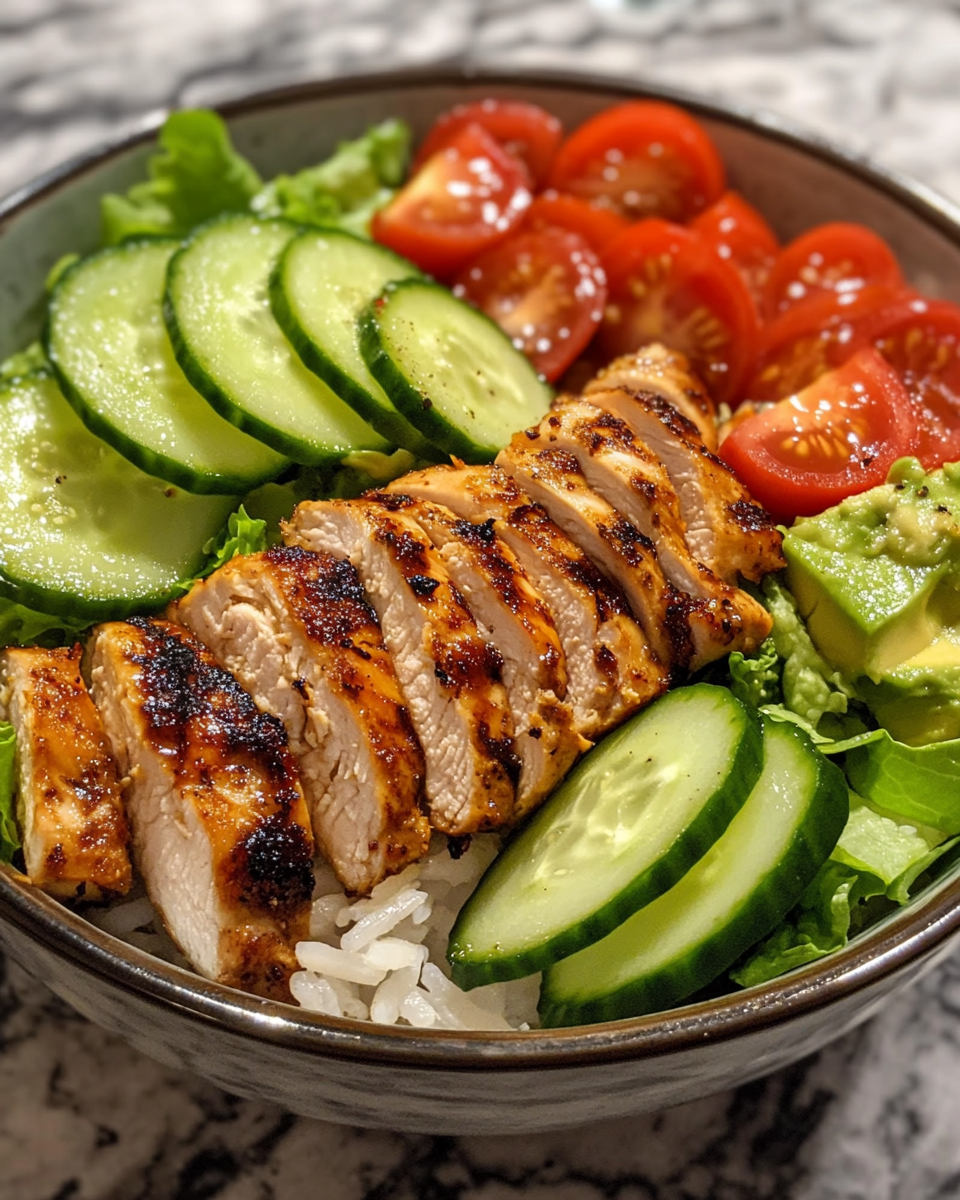
A bowl of Chicken Pesto Pasta brings together tender chicken, basil pesto, and pasta in a comforting combination that fits both busy evenings and relaxed meals. This dish centers on the balance between herb-forward sauce and savory protein, creating a satisfying plate with minimal complexity in preparation steps.
The pasta absorbs the basil-rich sauce while the chicken adds depth and texture. Each element plays a clear role, resulting in a meal that feels balanced, aromatic, and filling without requiring complicated cooking techniques.
Ingredients Overview
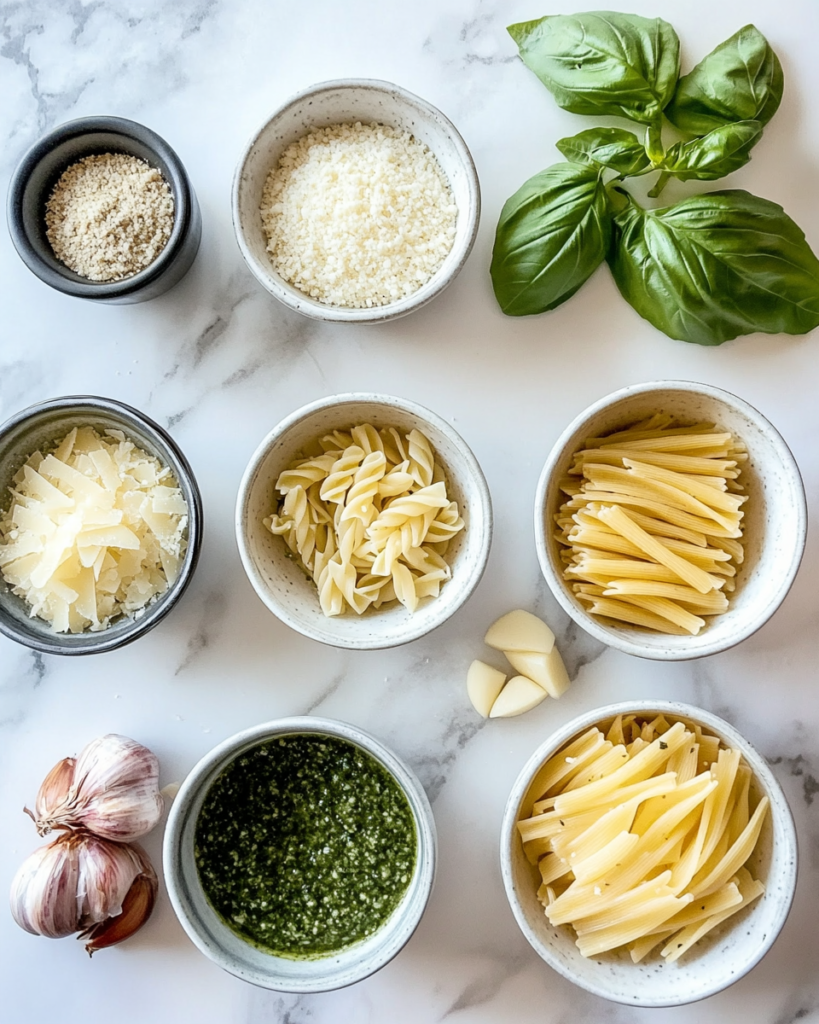
Chicken Pesto Pasta relies on a handful of familiar components that work together through contrast and harmony. Pasta forms the base, offering structure and a mild flavor that carries sauce well. Short pasta shapes such as penne or fusilli are often used because their ridges and curves hold pesto effectively.
Chicken breast provides lean protein with a tender bite when cooked properly. It pairs naturally with pesto due to its mild flavor profile, allowing the basil, garlic, and cheese elements of the sauce to stand out. Thigh meat can also be used for a richer texture.
Pesto sauce is built from basil leaves, garlic, olive oil, pine nuts, and grated cheese. The mixture creates a thick, aromatic coating that binds the pasta and chicken together. Store-bought pesto works for convenience, while homemade versions allow control over texture and salt levels.
Olive oil supports the cooking process and helps coat ingredients evenly. Salt and black pepper season the dish throughout preparation. Parmesan cheese adds a finishing layer of savory depth.
Optional additions such as cherry tomatoes or spinach can introduce freshness and color without changing the core structure of the dish. These additions blend easily into the sauce and pasta mixture.
Ingredients
12 ounces penne pasta
2 large chicken breasts, sliced
1 tablespoon olive oil
1 teaspoon salt
1/2 teaspoon black pepper
1 cup basil pesto
1/2 cup grated Parmesan cheese
2 cloves garlic, minced
1/2 cup reserved pasta water
1 cup cherry tomatoes, halved
2 cups fresh spinach leaves
Step-by-Step Instructions

Begin by bringing a large pot of salted water to a steady boil. Add the pasta and cook until firm but tender. Stir occasionally to prevent sticking. Before draining, reserve a portion of the cooking water, which will later help bind the sauce to the pasta.
While the pasta cooks, prepare the chicken. Slice it into even strips for consistent cooking. Heat olive oil in a large skillet over medium heat. Add the chicken pieces in a single layer and season with salt and black pepper. Allow the chicken to cook until lightly golden on the outside and fully cooked through on the inside, stirring occasionally to prevent uneven browning.
Once the chicken is cooked, add minced garlic to the skillet. Stir gently to release aroma without burning the garlic. The heat from the pan will soften the garlic quickly, blending it into the chicken.
Lower the heat slightly and add pesto sauce to the skillet. Stir until the chicken is fully coated. If the mixture appears thick, add a small amount of reserved pasta water to loosen the texture and create a smooth sauce consistency.
Add the drained pasta directly into the skillet. Toss everything together so the sauce coats each piece evenly. The pasta should absorb the pesto while maintaining structure. Add more pasta water if needed to adjust texture.
Fold in cherry tomatoes and spinach. The tomatoes soften slightly from residual heat, while the spinach wilts gently into the mixture. Stir until evenly distributed.
Finish by sprinkling grated Parmesan cheese over the top. Stir once more to blend the cheese into the warm pasta, allowing it to melt slightly and thicken the sauce.
Serve immediately while warm, ensuring each portion contains pasta, chicken, and vegetables coated in pesto.
Tips, Variations & Substitutions
Chicken can be replaced with turkey or plant-based protein alternatives for different dietary preferences. Both options absorb pesto well and maintain a satisfying texture when cooked properly.
For pasta variety, shapes such as rigatoni, fusilli, or farfalle work well because they hold sauce in their curves and ridges. Whole wheat pasta can also be used for a firmer texture.
Homemade pesto allows control over salt and oil levels. A smoother pesto creates a lighter coating, while a thicker blend results in a richer texture on the pasta.
Vegetable additions can vary based on preference. Zucchini, roasted red peppers, or peas integrate easily without altering the base structure of the dish.
For added richness, a small splash of cream can be mixed into the sauce, creating a softer, silkier coating on the pasta and chicken.
Serving Ideas & Occasions
Chicken Pesto Pasta works well as a central dish for casual dinners, shared meals, or packed lunches. It pairs easily with simple side dishes such as garlic bread or a light green salad.
For beverage pairing, sparkling water with citrus or chilled herbal tea complements the herb-based sauce without overpowering the flavors.
This dish also fits well into meal rotation planning due to its balanced structure of protein, carbohydrates, and vegetables. It reheats gently on low heat with a small splash of liquid to restore sauce texture.
Nutritional & Health Notes
This dish provides a balanced combination of protein from chicken, carbohydrates from pasta, and fats from olive oil and pesto. Basil contributes aromatic compounds, while olive oil supplies a source of unsaturated fats.
Portion balance plays an important role in overall nutrition. Adjusting pasta quantity or increasing vegetable content can shift the dish toward a lighter profile.
Parmesan adds calcium and protein while contributing strong savory flavor in small amounts. Using moderate quantities helps maintain balance across the dish.
FAQs
What type of pasta works well with this dish?
Short pasta shapes such as penne, fusilli, and farfalle work effectively because they hold pesto sauce within their grooves and curves. These shapes provide structure and allow the sauce to coat evenly, creating consistent flavor in each bite. Long pasta such as spaghetti can also be used, though it holds less sauce compared to ridged varieties.
Can chicken thighs be used instead of chicken breast?
Chicken thighs can be used as an alternative. They contain slightly higher fat content, resulting in a richer texture and deeper flavor. Cooking steps remain the same, though thighs may require a slightly longer cooking period to reach full tenderness. Cutting them into even pieces helps maintain consistent doneness.
Is homemade pesto required?
Homemade pesto is not required. Store-bought pesto works well and provides consistent flavor. Homemade versions allow adjustment of garlic, oil, and cheese levels for personal preference. Both options blend effectively with pasta and chicken, producing similar results in texture and taste.
Can vegetables be added to the dish?
Vegetables such as spinach, cherry tomatoes, zucchini, or peas can be added without altering the base structure. These ingredients integrate easily into the sauce and pasta mixture. They also contribute color and additional texture, creating a more varied dish.
How can the sauce consistency be adjusted?
Reserved pasta water plays a key role in adjusting sauce texture. Adding small amounts gradually helps loosen thick pesto and allows it to coat pasta evenly. The starch in the water helps bind the sauce to the pasta for a smoother finish.
Can this dish be stored for later consumption?
The dish can be stored in a sealed container and kept in a chilled environment. When reheating, a small amount of water or olive oil helps restore the original texture. Gentle heating on low heat works best to prevent drying.
What can be served alongside this dish?
Simple side options such as mixed greens, roasted vegetables, or lightly toasted bread pair well with Chicken Pesto Pasta. These sides complement the herb-based sauce without overwhelming its flavor profile.