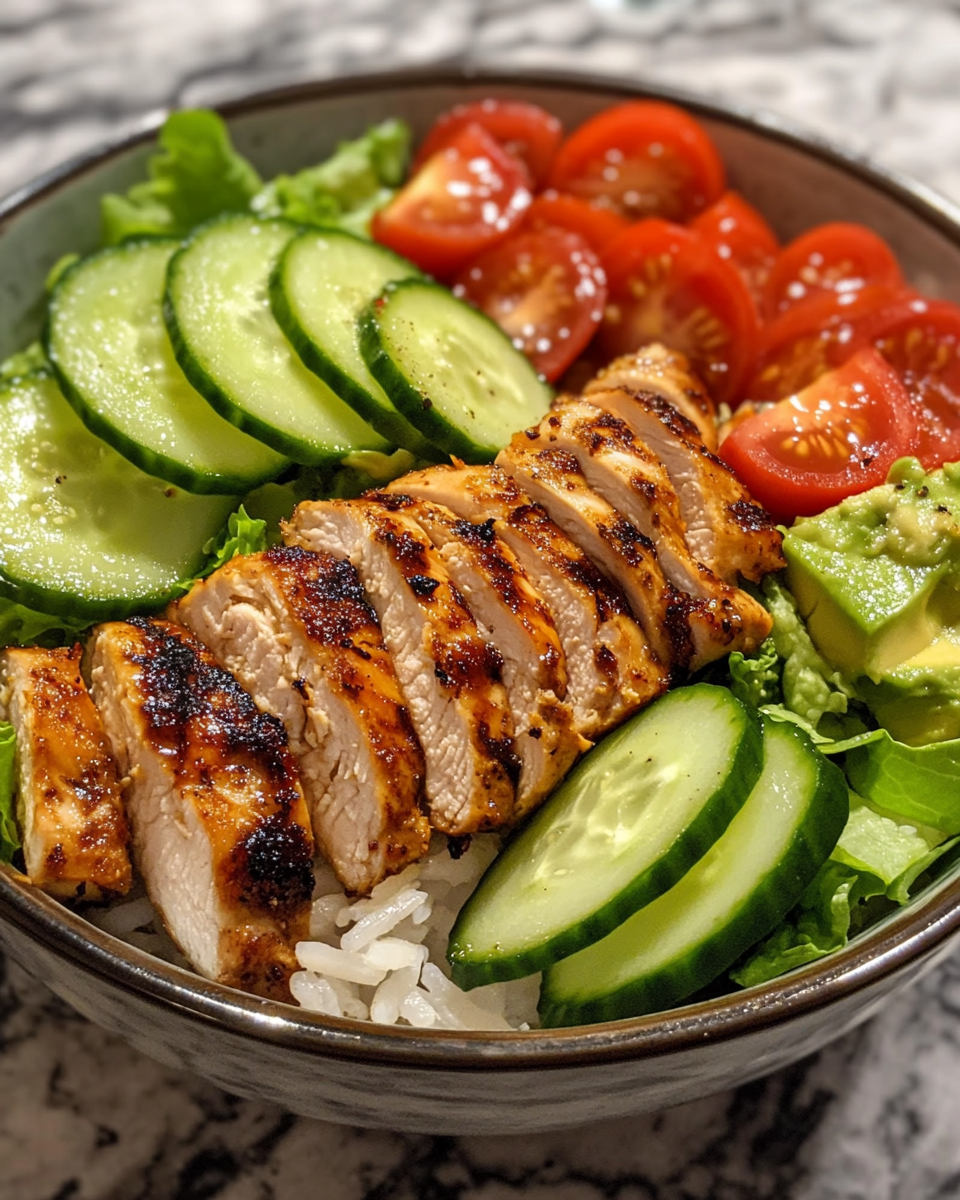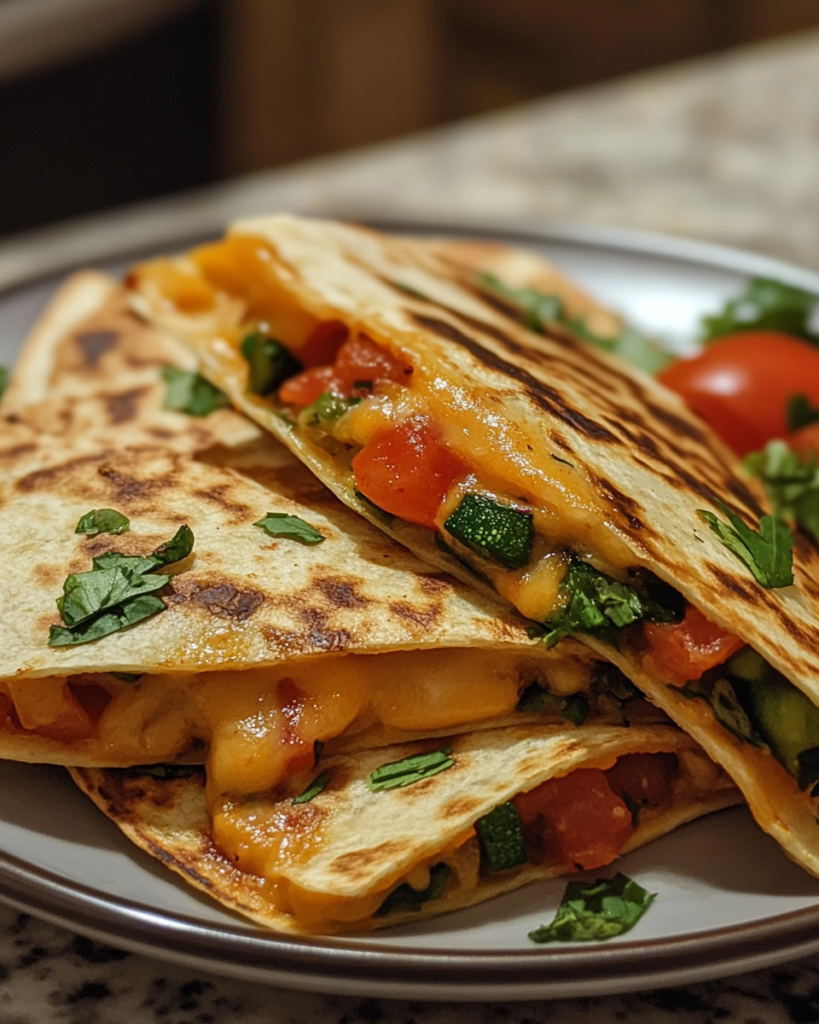
A Cheese Veggie Quesadilla (Simple Lunch) brings together warm tortillas, melted cheese, and colorful vegetables in a skillet-cooked fold that fits neatly into a midday meal. Crisp edges, soft filling, and gentle seasoning create a balanced bite that works for fast home cooking or relaxed kitchen sessions.
This dish relies on basic preparation steps and flexible ingredients. Bell peppers, onions, spinach, and mushrooms pair with cheese to form a rich filling that stays tender inside a toasted tortilla shell. The result is a handheld meal with contrast in texture and mild savory depth.
It works well for kitchen routines that favor short preparation and minimal cleanup. Each quesadilla cooks quickly on a flat pan, turning simple components into a warm layered fold that can be sliced into wedges for serving.
Ingredients Overview

Flour tortillas act as the structure of the dish, holding the filling while crisping slightly on direct heat. Medium size tortillas work well since they fold easily without tearing. Whole wheat versions bring a slightly nutty tone, while classic white flour tortillas deliver a softer bite.
Cheese forms the creamy base inside the quesadilla. A blend of mozzarella and cheddar creates stretch and depth. Mozzarella melts smoothly, while cheddar adds a sharper savory edge. Monterey Jack can replace either option for a milder flavor profile.
Vegetables add color, texture, and light sweetness. Bell peppers bring crunch and natural sweetness when sautéed briefly. Onions soften and add aroma. Spinach wilts quickly, blending into the filling without overpowering it. Mushrooms introduce an earthy note that balances the cheese richness.
A small amount of oil or butter helps crisp the tortilla surface during cooking. Olive oil provides a clean flavor, while butter adds a richer browned finish. Seasoning typically includes salt, black pepper, garlic powder, and optional paprika for mild warmth.
Each component plays a role in balance. Cheese binds the filling, vegetables prevent heaviness, and tortillas provide structure. The combination creates a compact meal that holds together when sliced.
Ingredients
4 medium flour tortillas
1 cup shredded mozzarella cheese
1 cup shredded cheddar cheese
1/2 cup bell peppers, thinly sliced
1/3 cup red onion, thinly sliced
1/2 cup mushrooms, sliced
1 cup fresh spinach leaves
1 tablespoon olive oil
1 tablespoon butter
1/2 teaspoon salt
1/4 teaspoon black pepper
1/2 teaspoon garlic powder
1/4 teaspoon paprika
Step-by-Step Instructions

Step 1: Prepare vegetables
Slice bell peppers, onions, and mushrooms into thin even pieces. Spinach leaves remain whole. Uniform slicing helps all vegetables cook at a similar rate on the pan.
Step 2: Warm vegetables
Place a skillet over medium heat and add olive oil. Add onions and mushrooms, stirring gently until they soften. Add bell peppers and continue cooking until slightly tender. Add spinach last and stir until it wilts. Remove vegetables from heat and place aside.
Step 3: Season filling
Sprinkle salt, black pepper, garlic powder, and paprika over the cooked vegetables. Stir lightly so seasoning spreads evenly across the mixture.
Step 4: Prepare tortilla base
Place a clean skillet over medium heat. Add a small portion of butter and allow it to melt and coat the surface. Lay a tortilla flat on the skillet.
Step 5: Add filling layers
Spread a portion of mozzarella and cheddar cheese over half the tortilla. Add a portion of cooked vegetables on top of the cheese layer. Add another light layer of cheese on top of vegetables to help bind the filling during heating.
Step 6: Fold and toast
Fold the tortilla in half over the filling. Press gently with a spatula so the surface contacts the pan evenly. Cook until the bottom turns golden and crisp.
Step 7: Flip carefully
Turn the quesadilla using a wide spatula. Cook the opposite side until it becomes golden and crisp while cheese inside melts fully.
Step 8: Rest and slice
Remove from heat and place on a cutting board. Allow a short cooling period so the filling sets slightly. Slice into triangular wedges for serving.
Repeat steps for remaining tortillas and filling.
Tips, Variations & Substitutions
Different vegetables can replace or join the filling mix. Zucchini slices, corn kernels, or chopped kale can shift flavor and texture. Each vegetable should be cooked lightly before assembly to reduce moisture inside the tortilla.
Cheese variations can adjust richness. Pepper Jack adds mild heat, while provolone creates a smoother melt. A small portion of cream cheese mixed with shredded cheese creates extra creaminess.
For a protein addition, cooked black beans or diced cooked chicken can be added inside the vegetable layer. These additions increase fullness while maintaining balance with cheese.
Cooking heat control matters. Medium heat prevents burning while allowing cheese to melt fully. High heat can cause tortilla edges to darken before filling warms properly.
A dry skillet creates crisp texture, while a small amount of butter increases browning. Both methods work depending on preferred finish.
Serving Ideas & Occasions
Cheese Veggie Quesadilla works well as a midday meal, light evening dish, or quick kitchen option during busy schedules. It pairs with salsa, sour cream, or mashed avocado for dipping.
Side options include simple green salad, roasted potatoes, or fresh fruit slices. These sides add contrast without overwhelming the main dish.
Beverage pairing can include iced tea, citrus water, or light fruit juice. These drinks complement the savory filling without heavy flavor overlap.
It fits casual dining, shared platters, or personal meals prepared in small batches. Sliced wedges also work well for informal gatherings where finger food is preferred.
Nutritional & Health Notes
This dish provides a balance of carbohydrates from tortillas, protein and fat from cheese, and fiber from vegetables. The vegetable mix contributes vitamins and minerals, while cheese adds calcium and protein.
Portion size influences overall balance. Smaller servings fit lighter dietary patterns, while larger portions increase energy intake.
Using whole wheat tortillas increases fiber content. Reducing cheese slightly lowers fat content while still keeping a creamy texture through vegetable moisture.
Oil and butter quantities can be adjusted based on preference. Lower amounts result in lighter crispness, while slightly higher amounts increase golden texture on the tortilla surface.
FAQs
Can flour tortillas be replaced with another base?
Yes, corn tortillas can be used instead of flour tortillas. Corn tortillas create a firmer texture and slightly different flavor profile. They may not fold as easily, so smaller individual portions are recommended. Whole grain tortillas also work and add a denser texture. Each option changes structure slightly but maintains the core filling concept of cheese and vegetables.
Which cheese melts well inside quesadillas?
Mozzarella, cheddar, and Monterey Jack melt smoothly inside quesadillas. Mozzarella creates stretch, cheddar adds sharp flavor, and Monterey Jack provides mild creaminess. Blending cheeses produces a balanced filling that holds together after slicing. Hard cheeses such as Parmesan are not ideal as primary fillings since they do not melt smoothly.
Which vegetables fit well in this dish?
Bell peppers, onions, spinach, mushrooms, zucchini, and corn all work well. These vegetables soften quickly and pair with cheese without overpowering flavor. It is important to cook high-moisture vegetables lightly before assembly to avoid excess liquid inside the tortilla during heating.
Can this dish be prepared ahead of cooking?
Vegetables can be sliced and cooked ahead, then stored in a covered container in a refrigerator. Cheese can also be pre-shredded. Final assembly and skillet cooking should occur close to serving so tortillas stay crisp and filling remains warm.
What pan works well for cooking quesadillas?
A flat skillet or cast iron pan works well since it distributes heat evenly across the tortilla surface. Nonstick pans also work and reduce sticking during flipping. Even heat helps achieve consistent browning without burning edges.
How can crisp texture be improved?
Light butter or oil on the skillet surface improves browning. Cooking over medium heat allows gradual crisping without burning. Pressing gently with a spatula helps contact between tortilla and pan, leading to even texture.
Can this dish include protein additions?
Yes, cooked chicken, beans, or tofu can be added inside the filling. These additions should be pre-cooked and lightly seasoned. They blend with cheese and vegetables without changing cooking method, since skillet heating remains the same.