Italian Herb Beef Pasta Bake: 5 Amazing Cozy Bites

Posted on

Uncategorized

Difficulty

Prep time

Cooking time

Total time

Servings

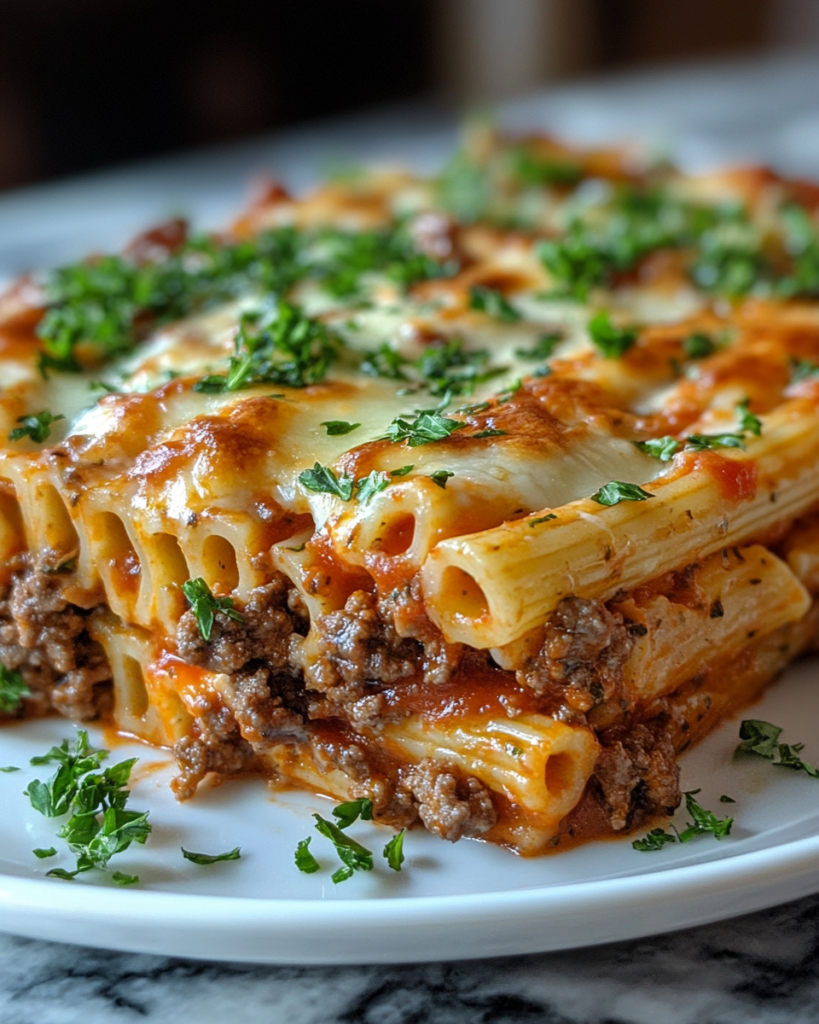
Italian Herb Beef Pasta Bake brings together tender pasta, seasoned beef, tomato sauce, melted cheese, and fragrant herbs in a bubbling casserole that fills the kitchen with rich savory aroma. This hearty dinner carries the comfort of a traditional family supper while offering plenty of texture from creamy cheese, juicy beef, and pasta cooked until perfectly tender.

A pasta bake works beautifully for busy evenings because most of the preparation happens in a single skillet and baking dish. The layers settle together during baking, creating deep flavor throughout every serving. Italian seasoning, garlic, oregano, basil, and parsley blend into the tomato sauce while mozzarella forms a golden layer across the surface.

This recipe also stores beautifully for later meals. The flavors deepen after resting, making leftovers especially satisfying for lunch or another evening dinner. Italian Herb Beef Pasta Bake pairs well with crisp salad greens, roasted vegetables, or warm garlic bread for a filling meal suitable for family gatherings, potlucks, or quiet weeknight suppers.

Ingredients Overview

The heart of Italian Herb Beef Pasta Bake starts with sturdy pasta shapes that hold sauce well during baking. Penne and rigatoni both work nicely because their ridges trap the seasoned tomato mixture inside each bite. Cooking the pasta slightly under al dente helps it finish properly inside the oven without turning soft.

Ground beef gives the casserole rich savory flavor and hearty texture. An 85/15 blend balances tenderness with enough richness for depth without leaving excessive grease. Leaner beef may taste slightly dry after baking, while fattier blends can weigh down the sauce.

Tomato sauce and diced tomatoes form the base of the dish. The sauce coats the pasta evenly while diced tomatoes add texture and gentle sweetness. Garlic and onion bring warmth and savory balance that supports the herb mixture.

Italian seasoning combines oregano, basil, thyme, rosemary, and parsley for a classic flavor profile. Extra basil or parsley can brighten the casserole further before serving. Red pepper flakes bring gentle warmth for anyone who enjoys mild heat.

Mozzarella creates the signature melted topping while parmesan adds nutty salty flavor throughout the bake. Ricotta can also be folded between layers for additional creaminess.

Chicken sausage or ground turkey may replace beef for a lighter variation. Gluten-free pasta also works well if cooked carefully to avoid over-softening during baking.

Ingredients

12 ounces penne pasta

1 tablespoon olive oil

1 pound ground beef

1 small yellow onion, finely chopped

4 garlic cloves, minced

1 teaspoon dried oregano

1 teaspoon dried basil

1 teaspoon dried parsley

1/2 teaspoon dried thyme

1/2 teaspoon salt

1/2 teaspoon black pepper

1/4 teaspoon red pepper flakes

24 ounces marinara sauce

1 can diced tomatoes, drained

1 tablespoon tomato paste

1 1/2 cups shredded mozzarella cheese

1/2 cup grated parmesan cheese

1/2 cup ricotta cheese

2 tablespoons chopped fresh parsley

Step-by-Step Instructions

Preheat the oven to 375 degrees Fahrenheit. Lightly grease a 9-by-13-inch baking dish with olive oil or cooking spray. Bring a large pot of salted water to a boil and cook the pasta until slightly firm in the center, usually about two minutes less than package directions. Drain the pasta and set it aside.

Warm olive oil in a large skillet over medium heat. Add the chopped onion and cook for about five minutes until softened and lightly golden around the edges. Stir frequently so the onion cooks evenly without dark spots. Add the garlic and stir for another minute until fragrant.

Add the ground beef to the skillet. Break it into small crumbles with a wooden spoon while cooking. Continue cooking until the beef loses all pink color and develops browned edges. Drain excess grease carefully so the casserole does not turn oily.

Sprinkle oregano, basil, parsley, thyme, salt, black pepper, and red pepper flakes into the skillet. Stir thoroughly so the herbs coat the beef mixture evenly. Add tomato paste and cook for one minute to deepen the flavor.

Pour in marinara sauce and diced tomatoes. Stir until combined and allow the sauce to simmer gently for about eight minutes. The sauce should thicken slightly while remaining smooth enough to coat the pasta comfortably.

Fold the cooked pasta into the sauce mixture. Stir carefully so every piece becomes coated evenly. Taste the sauce and adjust seasoning if needed.

Spread half of the pasta mixture into the prepared baking dish. Spoon small portions of ricotta across the layer, then sprinkle part of the mozzarella and parmesan over the top. Add the remaining pasta mixture and finish with the remaining cheeses.

Cover the baking dish loosely with foil and bake for 20 minutes. Remove the foil and continue baking for another 10 to 15 minutes until the cheese melts completely and develops golden spots across the surface.

Allow the casserole to rest for about 10 minutes before serving. This resting period helps the layers settle and makes slicing easier. Scatter fresh parsley over the top before serving.

Avoid overcooking the pasta during boiling because it continues cooking inside the oven. Excess liquid can also thin the casserole too much, so drained tomatoes work particularly well here. If the cheese browns too quickly, place foil lightly across the top during the final baking stage.

Tips, Variations & Substitutions

Rigatoni, ziti, rotini, or medium shells all work beautifully in this casserole because their shapes capture sauce throughout the dish. Smaller pasta shapes may soften faster during baking, so slightly shorter baking time may help maintain texture.

Ground turkey or Italian chicken sausage can replace beef while still pairing nicely with the herb mixture. Mild Italian sausage also adds extra savory richness for anyone seeking bolder flavor.

Ricotta adds creamy texture between layers, though cottage cheese may replace it for a lighter variation. Extra parmesan across the surface creates additional golden crispness during baking.

Spinach, mushrooms, zucchini, or roasted red peppers fit naturally into the sauce. Vegetables should release minimal moisture before entering the casserole. Mushrooms especially benefit from separate sautéing before mixing into the sauce.

For deeper herb flavor, stir chopped fresh basil into the sauce shortly before baking. Fresh parsley scattered over the casserole brightens the finished dish beautifully.

This casserole can also be assembled earlier in the day and refrigerated before baking. Add roughly 10 additional minutes to the baking time if starting from a chilled state.

Freezing works nicely as well. Wrap the assembled unbaked casserole tightly with foil and freeze for up to three months. Thaw overnight in the refrigerator before baking.

Serving Ideas & Occasions

Italian Herb Beef Pasta Bake suits numerous occasions because it feeds several people comfortably while remaining simple to prepare. It works beautifully for family suppers, neighborhood gatherings, casual celebrations, or weekend meal preparation.

Garlic bread offers crisp texture beside the creamy baked pasta. Caesar salad, arugula salad, or mixed greens dressed with vinaigrette balance the hearty richness of the casserole nicely. Roasted broccoli, asparagus, or green beans also pair beautifully alongside the tomato and herb flavors.

Sparkling water with lemon, iced tea, or red grape juice all complement the savory profile comfortably. During colder months, this casserole brings warmth and comfort to the dinner table, while summer gatherings appreciate its easy preparation for larger groups.

Leftover portions reheat particularly well for lunch. A quick warming session in the oven or microwave keeps the pasta tender while restoring the melted cheese topping.

Nutritional & Health Notes

Italian Herb Beef Pasta Bake contains balanced portions of protein, carbohydrates, and dairy, creating a filling meal suitable for active households. Ground beef contributes protein and iron while cheese adds calcium and richness.

Choosing lean ground beef can slightly reduce overall fat content without sacrificing flavor. Whole wheat pasta adds extra fiber and a slightly nuttier flavor profile. Additional vegetables such as spinach or zucchini raise nutrient variety while blending naturally into the sauce.

Portion size plays an important role because baked pasta dishes can become quite filling. Pairing the casserole with vegetables or salad helps create a balanced dinner plate.

Tomato-based sauces also contribute vitamins and natural acidity that balance the richness of the beef and cheese. Homemade marinara may reduce sodium levels compared with heavily seasoned packaged sauces.

This casserole remains satisfying while still offering flexibility for lighter ingredient adjustments based on personal preference.

FAQs

Can I prepare Italian Herb Beef Pasta Bake earlier in the day?

Yes, this casserole works very well as a prepare-ahead dinner. Assemble the entire dish through the layering stage, cover tightly with foil or plastic wrap, and refrigerate for several hours before baking. Chilling allows the herb flavors to settle into the sauce beautifully. When ready for dinner, transfer the baking dish directly into the oven and add roughly 10 additional minutes to the baking time since the casserole starts cold. Keeping the dish covered during the first portion of baking helps the center warm evenly. Fresh parsley and extra cheese should remain separate until shortly before baking for the freshest texture and flavor.

Which pasta shape works nicely for this casserole?

Penne and rigatoni remain especially suitable because their hollow centers and ridged surfaces hold sauce beautifully during baking. Ziti, rotini, or medium shells also perform nicely. Thin pasta shapes such as spaghetti or angel hair tend to soften excessively inside casseroles and may not hold the sauce as evenly. Slightly undercooking the pasta before combining it with the sauce helps maintain firm texture after baking. Pasta continues absorbing moisture in the oven, so starting with slightly firm noodles prevents mushy results. Choosing sturdy pasta shapes creates balanced texture throughout the casserole.

Can this recipe become vegetarian?

Yes, replacing the beef with sautéed vegetables creates a hearty vegetarian variation. Mushrooms, zucchini, spinach, eggplant, and bell peppers pair especially well with tomato sauce and Italian herbs. Mushrooms offer savory depth that mirrors some of the richness usually supplied by beef. Plant-based meat crumbles also fit comfortably into this recipe. Cooking vegetables separately before adding them into the sauce helps remove extra moisture and keeps the casserole from turning watery. Extra parmesan or mozzarella can add richness if desired. The herb mixture still shines beautifully even without meat.

How should leftovers be stored?

Allow leftover casserole to cool slightly before transferring portions into airtight containers. Refrigerated leftovers remain enjoyable for about four days. Reheat individual portions in the microwave or warm larger portions in a covered baking dish inside a moderate oven until heated through. A splash of water or extra marinara sauce can refresh the texture during reheating if the pasta absorbs too much moisture. Freezing also works nicely for longer storage. Wrap portions tightly and thaw overnight in the refrigerator before reheating for the smoothest texture.

Why did my pasta bake turn dry?

Dry casserole usually comes from overbaked pasta or insufficient sauce. Pasta continues absorbing liquid during baking, so slightly undercooking it beforehand helps maintain tenderness. Using enough marinara sauce also matters because some moisture evaporates inside the oven. Covering the casserole with foil during the first stage of baking traps steam and protects the surface from drying too quickly. Lean beef can occasionally contribute less richness as well, so adding ricotta or slightly more cheese can help create creamier texture. Resting the casserole after baking also allows moisture to settle back through the layers.

Can different cheeses be used?

Absolutely. Mozzarella creates smooth melted texture while parmesan contributes salty savory depth, though several cheeses work beautifully here. Provolone melts smoothly and adds slightly smoky flavor. Fontina creates creamy richness, while shredded asiago contributes sharper flavor. Ricotta between layers gives the casserole soft creamy pockets throughout each serving. Combining two or three cheeses often creates especially balanced flavor and texture. Freshly shredded cheese usually melts more smoothly than packaged pre-shredded varieties because it contains fewer anti-caking ingredients that sometimes affect texture during baking.

What side dishes pair nicely with Italian Herb Beef Pasta Bake?

Crisp green salads pair beautifully beside this rich casserole because the fresh vegetables balance the savory baked pasta. Caesar salad, mixed greens with vinaigrette, or arugula with lemon dressing all complement the herb and tomato flavors comfortably. Garlic bread or toasted baguette slices offer crunchy texture for scooping extra sauce. Roasted vegetables such as broccoli, asparagus, or carrots also work particularly well beside the casserole. Lighter beverages such as sparkling water with citrus or iced tea balance the richness of the cheese and beef without overpowering the meal.

[rank_math_breadcrumb]

Italian Herb Beef Pasta Bake: 5 Amazing Cozy Bites

Photo of author
Author: Olivia
Published:

Italian Herb Beef Pasta Bake brings together tender pasta, seasoned beef, tomato sauce, melted cheese, and fragrant herbs in a bubbling casserole that fills the kitchen with rich savory aroma. This hearty dinner carries the comfort of a traditional family supper while offering plenty of texture from creamy cheese, juicy beef, and pasta cooked until perfectly tender.

A pasta bake works beautifully for busy evenings because most of the preparation happens in a single skillet and baking dish. The layers settle together during baking, creating deep flavor throughout every serving. Italian seasoning, garlic, oregano, basil, and parsley blend into the tomato sauce while mozzarella forms a golden layer across the surface.

This recipe also stores beautifully for later meals. The flavors deepen after resting, making leftovers especially satisfying for lunch or another evening dinner. Italian Herb Beef Pasta Bake pairs well with crisp salad greens, roasted vegetables, or warm garlic bread for a filling meal suitable for family gatherings, potlucks, or quiet weeknight suppers.

Ingredients Overview

The heart of Italian Herb Beef Pasta Bake starts with sturdy pasta shapes that hold sauce well during baking. Penne and rigatoni both work nicely because their ridges trap the seasoned tomato mixture inside each bite. Cooking the pasta slightly under al dente helps it finish properly inside the oven without turning soft.

Ground beef gives the casserole rich savory flavor and hearty texture. An 85/15 blend balances tenderness with enough richness for depth without leaving excessive grease. Leaner beef may taste slightly dry after baking, while fattier blends can weigh down the sauce.

Tomato sauce and diced tomatoes form the base of the dish. The sauce coats the pasta evenly while diced tomatoes add texture and gentle sweetness. Garlic and onion bring warmth and savory balance that supports the herb mixture.

Italian seasoning combines oregano, basil, thyme, rosemary, and parsley for a classic flavor profile. Extra basil or parsley can brighten the casserole further before serving. Red pepper flakes bring gentle warmth for anyone who enjoys mild heat.

Mozzarella creates the signature melted topping while parmesan adds nutty salty flavor throughout the bake. Ricotta can also be folded between layers for additional creaminess.

Chicken sausage or ground turkey may replace beef for a lighter variation. Gluten-free pasta also works well if cooked carefully to avoid over-softening during baking.

Ingredients

12 ounces penne pasta

1 tablespoon olive oil

1 pound ground beef

1 small yellow onion, finely chopped

4 garlic cloves, minced

1 teaspoon dried oregano

1 teaspoon dried basil

1 teaspoon dried parsley

1/2 teaspoon dried thyme

1/2 teaspoon salt

1/2 teaspoon black pepper

1/4 teaspoon red pepper flakes

24 ounces marinara sauce

1 can diced tomatoes, drained

1 tablespoon tomato paste

1 1/2 cups shredded mozzarella cheese

1/2 cup grated parmesan cheese

1/2 cup ricotta cheese

2 tablespoons chopped fresh parsley

Step-by-Step Instructions

Preheat the oven to 375 degrees Fahrenheit. Lightly grease a 9-by-13-inch baking dish with olive oil or cooking spray. Bring a large pot of salted water to a boil and cook the pasta until slightly firm in the center, usually about two minutes less than package directions. Drain the pasta and set it aside.

Warm olive oil in a large skillet over medium heat. Add the chopped onion and cook for about five minutes until softened and lightly golden around the edges. Stir frequently so the onion cooks evenly without dark spots. Add the garlic and stir for another minute until fragrant.

Add the ground beef to the skillet. Break it into small crumbles with a wooden spoon while cooking. Continue cooking until the beef loses all pink color and develops browned edges. Drain excess grease carefully so the casserole does not turn oily.

Sprinkle oregano, basil, parsley, thyme, salt, black pepper, and red pepper flakes into the skillet. Stir thoroughly so the herbs coat the beef mixture evenly. Add tomato paste and cook for one minute to deepen the flavor.

Pour in marinara sauce and diced tomatoes. Stir until combined and allow the sauce to simmer gently for about eight minutes. The sauce should thicken slightly while remaining smooth enough to coat the pasta comfortably.

Fold the cooked pasta into the sauce mixture. Stir carefully so every piece becomes coated evenly. Taste the sauce and adjust seasoning if needed.

Spread half of the pasta mixture into the prepared baking dish. Spoon small portions of ricotta across the layer, then sprinkle part of the mozzarella and parmesan over the top. Add the remaining pasta mixture and finish with the remaining cheeses.

Cover the baking dish loosely with foil and bake for 20 minutes. Remove the foil and continue baking for another 10 to 15 minutes until the cheese melts completely and develops golden spots across the surface.

Allow the casserole to rest for about 10 minutes before serving. This resting period helps the layers settle and makes slicing easier. Scatter fresh parsley over the top before serving.

Avoid overcooking the pasta during boiling because it continues cooking inside the oven. Excess liquid can also thin the casserole too much, so drained tomatoes work particularly well here. If the cheese browns too quickly, place foil lightly across the top during the final baking stage.

Tips, Variations & Substitutions

Rigatoni, ziti, rotini, or medium shells all work beautifully in this casserole because their shapes capture sauce throughout the dish. Smaller pasta shapes may soften faster during baking, so slightly shorter baking time may help maintain texture.

Ground turkey or Italian chicken sausage can replace beef while still pairing nicely with the herb mixture. Mild Italian sausage also adds extra savory richness for anyone seeking bolder flavor.

Ricotta adds creamy texture between layers, though cottage cheese may replace it for a lighter variation. Extra parmesan across the surface creates additional golden crispness during baking.

Spinach, mushrooms, zucchini, or roasted red peppers fit naturally into the sauce. Vegetables should release minimal moisture before entering the casserole. Mushrooms especially benefit from separate sautéing before mixing into the sauce.

For deeper herb flavor, stir chopped fresh basil into the sauce shortly before baking. Fresh parsley scattered over the casserole brightens the finished dish beautifully.

This casserole can also be assembled earlier in the day and refrigerated before baking. Add roughly 10 additional minutes to the baking time if starting from a chilled state.

Freezing works nicely as well. Wrap the assembled unbaked casserole tightly with foil and freeze for up to three months. Thaw overnight in the refrigerator before baking.

Serving Ideas & Occasions

Italian Herb Beef Pasta Bake suits numerous occasions because it feeds several people comfortably while remaining simple to prepare. It works beautifully for family suppers, neighborhood gatherings, casual celebrations, or weekend meal preparation.

Garlic bread offers crisp texture beside the creamy baked pasta. Caesar salad, arugula salad, or mixed greens dressed with vinaigrette balance the hearty richness of the casserole nicely. Roasted broccoli, asparagus, or green beans also pair beautifully alongside the tomato and herb flavors.

Sparkling water with lemon, iced tea, or red grape juice all complement the savory profile comfortably. During colder months, this casserole brings warmth and comfort to the dinner table, while summer gatherings appreciate its easy preparation for larger groups.

Leftover portions reheat particularly well for lunch. A quick warming session in the oven or microwave keeps the pasta tender while restoring the melted cheese topping.

Nutritional & Health Notes

Italian Herb Beef Pasta Bake contains balanced portions of protein, carbohydrates, and dairy, creating a filling meal suitable for active households. Ground beef contributes protein and iron while cheese adds calcium and richness.

Choosing lean ground beef can slightly reduce overall fat content without sacrificing flavor. Whole wheat pasta adds extra fiber and a slightly nuttier flavor profile. Additional vegetables such as spinach or zucchini raise nutrient variety while blending naturally into the sauce.

Portion size plays an important role because baked pasta dishes can become quite filling. Pairing the casserole with vegetables or salad helps create a balanced dinner plate.

Tomato-based sauces also contribute vitamins and natural acidity that balance the richness of the beef and cheese. Homemade marinara may reduce sodium levels compared with heavily seasoned packaged sauces.

This casserole remains satisfying while still offering flexibility for lighter ingredient adjustments based on personal preference.

FAQs

Can I prepare Italian Herb Beef Pasta Bake earlier in the day?

Yes, this casserole works very well as a prepare-ahead dinner. Assemble the entire dish through the layering stage, cover tightly with foil or plastic wrap, and refrigerate for several hours before baking. Chilling allows the herb flavors to settle into the sauce beautifully. When ready for dinner, transfer the baking dish directly into the oven and add roughly 10 additional minutes to the baking time since the casserole starts cold. Keeping the dish covered during the first portion of baking helps the center warm evenly. Fresh parsley and extra cheese should remain separate until shortly before baking for the freshest texture and flavor.

Which pasta shape works nicely for this casserole?

Penne and rigatoni remain especially suitable because their hollow centers and ridged surfaces hold sauce beautifully during baking. Ziti, rotini, or medium shells also perform nicely. Thin pasta shapes such as spaghetti or angel hair tend to soften excessively inside casseroles and may not hold the sauce as evenly. Slightly undercooking the pasta before combining it with the sauce helps maintain firm texture after baking. Pasta continues absorbing moisture in the oven, so starting with slightly firm noodles prevents mushy results. Choosing sturdy pasta shapes creates balanced texture throughout the casserole.

Can this recipe become vegetarian?

Yes, replacing the beef with sautéed vegetables creates a hearty vegetarian variation. Mushrooms, zucchini, spinach, eggplant, and bell peppers pair especially well with tomato sauce and Italian herbs. Mushrooms offer savory depth that mirrors some of the richness usually supplied by beef. Plant-based meat crumbles also fit comfortably into this recipe. Cooking vegetables separately before adding them into the sauce helps remove extra moisture and keeps the casserole from turning watery. Extra parmesan or mozzarella can add richness if desired. The herb mixture still shines beautifully even without meat.

How should leftovers be stored?

Allow leftover casserole to cool slightly before transferring portions into airtight containers. Refrigerated leftovers remain enjoyable for about four days. Reheat individual portions in the microwave or warm larger portions in a covered baking dish inside a moderate oven until heated through. A splash of water or extra marinara sauce can refresh the texture during reheating if the pasta absorbs too much moisture. Freezing also works nicely for longer storage. Wrap portions tightly and thaw overnight in the refrigerator before reheating for the smoothest texture.

Why did my pasta bake turn dry?

Dry casserole usually comes from overbaked pasta or insufficient sauce. Pasta continues absorbing liquid during baking, so slightly undercooking it beforehand helps maintain tenderness. Using enough marinara sauce also matters because some moisture evaporates inside the oven. Covering the casserole with foil during the first stage of baking traps steam and protects the surface from drying too quickly. Lean beef can occasionally contribute less richness as well, so adding ricotta or slightly more cheese can help create creamier texture. Resting the casserole after baking also allows moisture to settle back through the layers.

Can different cheeses be used?

Absolutely. Mozzarella creates smooth melted texture while parmesan contributes salty savory depth, though several cheeses work beautifully here. Provolone melts smoothly and adds slightly smoky flavor. Fontina creates creamy richness, while shredded asiago contributes sharper flavor. Ricotta between layers gives the casserole soft creamy pockets throughout each serving. Combining two or three cheeses often creates especially balanced flavor and texture. Freshly shredded cheese usually melts more smoothly than packaged pre-shredded varieties because it contains fewer anti-caking ingredients that sometimes affect texture during baking.

What side dishes pair nicely with Italian Herb Beef Pasta Bake?

Crisp green salads pair beautifully beside this rich casserole because the fresh vegetables balance the savory baked pasta. Caesar salad, mixed greens with vinaigrette, or arugula with lemon dressing all complement the herb and tomato flavors comfortably. Garlic bread or toasted baguette slices offer crunchy texture for scooping extra sauce. Roasted vegetables such as broccoli, asparagus, or carrots also work particularly well beside the casserole. Lighter beverages such as sparkling water with citrus or iced tea balance the richness of the cheese and beef without overpowering the meal.
Name

Lorem ipsum dolor sit amet, consectetur adipiscing elit. Suspendisse varius enim in eros elementum tristique. Duis cursus, mi quis viverra ornare, eros dolor interdum nulla, ut commodo diam libero vitae erat.

You Might Also Like...

Garlic Butter Steak & Veggies: 30-Minute Amazing Supper

Garlic Butter Steak & Veggies: 30-Minute Amazing Supper

Buffalo Chicken Meal Prep Bowls: 5 Practical Savory Plates

Buffalo Chicken Meal Prep Bowls: 5 Practical Savory Plates

Mediterranean Chicken & Rice: 5 Amazing Comforting Bowls

Mediterranean Chicken & Rice: 5 Amazing Comforting Bowls

Teriyaki Chicken Meal Boxes: 5 Simple Comforting Ideas

Teriyaki Chicken Meal Boxes: 5 Simple Comforting Ideas

Tags:

You might also like these recipes

Leave a Comment