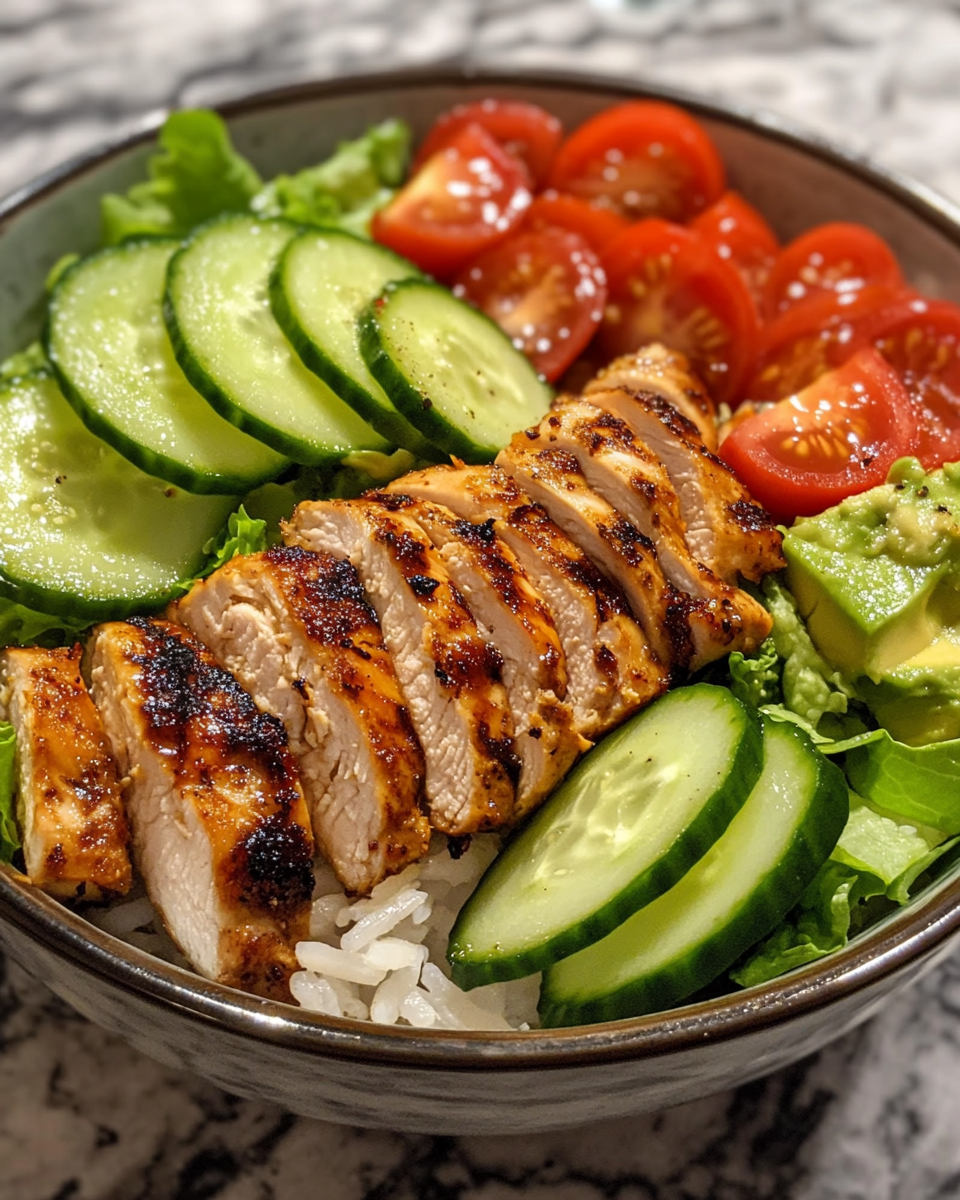
A rich skillet-style pasta dish brings together seared steak strips, tender pasta, and a silky garlic butter sauce. Garlic Butter Steak Pasta delivers deep savory flavor with a creamy finish that clings to every strand of pasta. The combination of browned steak and aromatic garlic butter creates a satisfying balance of texture and taste in each serving.
Ingredients Overview

The foundation of Garlic Butter Steak Pasta relies on a few key components that work together to create depth and richness. Steak provides a hearty, savory base. Cuts such as sirloin or ribeye offer tenderness when cooked quickly over high heat, while maintaining a juicy interior. Proper slicing against the grain contributes to a softer bite.
Butter forms the backbone of the sauce. When gently melted with garlic, it creates an aromatic base that coats the pasta. Garlic brings sharpness and fragrance, softening as it cooks and blending into the butter for a rounded flavor profile. Fresh garlic delivers stronger aroma compared to pre-minced options.
Pasta serves as the structure that carries the sauce. Shapes such as fettuccine or linguine work especially well because their long strands hold onto the butter mixture. Salted pasta water lightly seasons the noodles from within.
Olive oil assists in achieving a well-seared crust on the steak. A small amount prevents sticking and supports even browning. Parmesan adds a salty, nutty finish when sprinkled at serving. Black pepper and salt adjust seasoning balance, while optional parsley brings freshness and color contrast.
Cream may be added for a slightly richer sauce, though the butter base alone already provides a silky texture. Red pepper flakes can introduce mild heat without overpowering the garlic and steak combination. Each ingredient plays a specific role, creating harmony in flavor and texture.
Ingredients
12 ounces fettuccine pasta
1 pound sirloin steak, thinly sliced
3 tablespoons olive oil
4 tablespoons unsalted butter
5 garlic cloves, minced
1 teaspoon salt
1 teaspoon black pepper
1/2 teaspoon red pepper flakes (optional)
1/2 cup heavy cream (optional)
1/2 cup grated Parmesan cheese
2 tablespoons chopped fresh parsley
1/2 cup reserved pasta water
Step-by-Step Instructions

Begin by preparing the pasta. A large pot of salted water should be brought to a steady boil. Add the fettuccine and cook until firm but tender. Reserve a portion of the cooking water before draining. This starchy liquid helps bind the sauce later.
Heat a heavy skillet over high heat. Add olive oil and allow it to reach a shimmering surface. Place sliced steak in a single layer. Sear quickly without crowding the pan. Browning on each side creates a flavorful crust while preserving tenderness inside. Remove steak and set aside.
Lower heat slightly and add butter to the same skillet. Once melted, stir in minced garlic. Gentle cooking releases aroma without burning the garlic. A light golden color signals readiness.
Return steak to the skillet and toss to coat in garlic butter. Season with salt, black pepper, and red pepper flakes if desired. Stir carefully so the steak absorbs the aromatic mixture.
Add drained pasta directly into the skillet. Toss together with steak and sauce. Gradually pour reserved pasta water to loosen the mixture and create a silky coating that clings to the noodles. If cream is used, incorporate it at this stage for a smoother texture.
Sprinkle Parmesan cheese over the pasta while stirring. The cheese melts into the sauce, adding body and a slightly salty finish. Continue tossing until all components are evenly combined and coated.
Remove skillet from heat. Finish with chopped parsley for freshness and color contrast. Serve immediately while warm, allowing the sauce to remain glossy and fluid.
Avoid overcooking the steak, as prolonged heat can reduce tenderness. Garlic should be watched closely since it can turn bitter if exposed to high heat for too long. Pasta should remain slightly firm so it holds shape when mixed with sauce.
Tips, Variations & Substitutions
Different cuts of beef can be used depending on preference and availability. Ribeye offers higher marbling for extra richness, while flank steak provides a leaner option with bold flavor when sliced thinly. Allowing the meat to rest briefly after searing helps retain juices.
For a lighter version, cream can be omitted entirely, relying solely on butter and pasta water for the sauce base. Adding a small splash of lemon juice can introduce brightness that balances the richness of butter and beef.
Additional vegetables such as mushrooms or spinach can be sautéed in the same skillet after removing the steak. These ingredients absorb garlic butter flavor and add texture variety without overpowering the main components.
Different pasta shapes can also be used. Penne holds sauce within its ridges, while spaghetti provides a smoother coating. Each variation slightly changes texture interaction without altering core flavor balance.
For extra depth, a small amount of soy sauce can be introduced to the steak during searing. This adds a subtle savory note that blends with garlic and butter without dominating the dish.
Serving Ideas & Occasions
Garlic Butter Steak Pasta fits well as a main dish for evening meals or gatherings where a warm, hearty plate is desired. It pairs nicely with simple side salads containing crisp greens and light vinaigrettes, which balance the richness of the pasta.
Bread with a lightly toasted crust can accompany the dish, helping to gather remaining sauce from the plate. Roasted vegetables such as asparagus or carrots complement the savory profile without overwhelming it.
For drinks, sparkling water with citrus or a lightly chilled non-alcoholic beverage pairs smoothly with the buttery texture. The dish also works well for casual gatherings or weekend meals where comfort-focused cooking is preferred.
Nutritional & Health Notes
This dish contains a balance of protein, carbohydrates, and fats. Steak provides a strong protein base along with iron and essential nutrients. Pasta supplies energy through complex carbohydrates, while butter and olive oil contribute fats that support flavor and texture.
Portion control plays an important role in maintaining balance, as butter-based sauces are naturally rich. Reducing butter quantity or using leaner steak cuts can adjust overall richness without changing flavor structure significantly.
Adding vegetables such as spinach or mushrooms increases fiber content and introduces additional micronutrients. Parmesan cheese contributes calcium and enhances savory depth with a small serving size.
FAQs
Which steak cut works well for Garlic Butter Steak Pasta?
Tender cuts such as sirloin, ribeye, or strip steak perform well in this dish. These cuts cook quickly over high heat while maintaining juiciness. Thin slicing against the grain helps improve tenderness. Leaner cuts like flank steak can also be used when properly prepared. Quick searing is important to preserve moisture and avoid toughness.
Can cream be omitted from the sauce?
Cream can be left out without affecting core flavor. The combination of butter, garlic, and reserved pasta water creates a naturally silky sauce. Cream only adds extra richness and a slightly thicker texture. When omitted, adjusting pasta water quantity helps maintain smooth coating consistency across the noodles and steak.
Which pasta shape works best?
Long pasta types such as fettuccine or linguine hold sauce effectively due to their surface area. These shapes allow butter and garlic mixture to cling evenly. Short pasta like penne can also be used, offering small pockets that capture sauce. Choice depends on texture preference rather than strict requirement.
Can other proteins replace steak?
Chicken or shrimp can replace steak while maintaining similar cooking methods. Chicken should be sliced thin for quick cooking, while shrimp requires minimal searing time. Flavor pairing with garlic butter remains consistent across these alternatives, though texture and richness will differ slightly from beef.
How should leftovers be stored?
Leftovers should be placed in an airtight container and kept refrigerated. Reheating gently on low heat with a splash of water or broth helps restore sauce texture. Overheating can dry out pasta and toughen steak, so gradual warming is preferred.
Is it possible to add vegetables?
Vegetables such as mushrooms, spinach, or bell peppers integrate well into the dish. They can be sautéed in the same skillet after removing steak. These additions absorb garlic butter flavor and introduce texture variation without overpowering the main components.
What prevents garlic from burning in the sauce?
Garlic should be cooked over moderate heat once butter is added. Constant stirring helps prevent direct scorching. Once garlic turns lightly golden and fragrant, additional ingredients should be introduced quickly. Burnt garlic creates bitterness, so controlled heat management is important.