Chicken Alfredo 1 Ultimate Cozy Recipe

Posted on

Uncategorized

Difficulty

Prep time

Cooking time

Total time

Servings

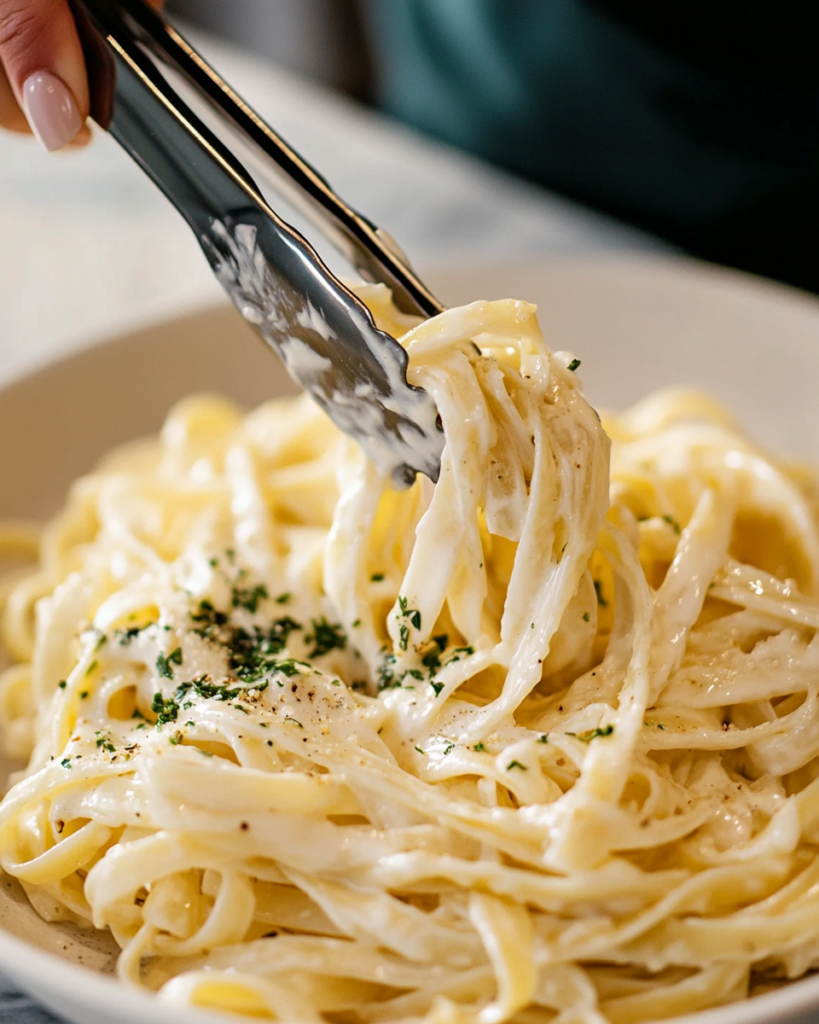
Creamy Chicken Alfredo brings together tender chicken strips, silky Parmesan sauce, and soft fettuccine pasta for a warm, satisfying meal. This version of Chicken Alfredo focuses on rich dairy flavor, gentle seasoning, and a smooth texture that clings to each strand of pasta.

The dish originates from classic Italian-American kitchen traditions, where butter, cream, and cheese form a rich base for pasta. Chicken adds hearty protein, turning a traditional pasta plate into a filling dinner option suitable for many occasions.

Each bite carries buttery sauce, lightly seared chicken, and a gentle garlic aroma that lingers. The combination creates a comforting plate that works well for family meals, casual gatherings, or quiet evenings.

Ingredients Overview

Chicken Alfredo relies on a short list of ingredients, each contributing a specific role in flavor and texture. Fettuccine pasta serves as the base, offering a wide surface that holds creamy sauce effectively. Its firm bite contrasts with the smooth sauce, creating balance.

Chicken breast provides lean protein with a mild taste that absorbs seasoning well. Slicing it into thin strips allows quick, even cooking while maintaining tenderness.

Heavy cream forms the foundation of the sauce, delivering richness and a velvety texture. When gently heated, it thickens and blends with cheese for a cohesive finish.

Parmesan cheese introduces salty depth and helps thicken the sauce naturally. Freshly grated cheese melts more smoothly compared to pre-shredded versions.

Garlic adds aroma and subtle sharpness. Butter contributes richness and helps carry flavors across the sauce base. Olive oil assists with cooking chicken, preventing sticking while adding light fruitiness.

Salt and black pepper round out seasoning. A touch of nutmeg can be added for warmth, though it remains optional.

Ingredient substitutions are possible. Chicken thighs can replace chicken breast for a juicier texture. Half-and-half may replace heavy cream for a lighter sauce, though thickness will reduce slightly. Romano cheese can substitute Parmesan for a sharper profile.

Ingredients

12 ounces fettuccine pasta
1 pound chicken breast, sliced into strips
2 tablespoons olive oil
3 tablespoons unsalted butter
3 cloves garlic, finely chopped
1 1/2 cups heavy cream
1 cup freshly grated Parmesan cheese
1/2 teaspoon salt
1/2 teaspoon black pepper
1/4 teaspoon ground nutmeg (optional)
2 tablespoons chopped parsley

Step-by-Step Instructions
Begin by preparing the chicken. Slice chicken breast into thin, even strips for consistent cooking. Season lightly with salt and black pepper.

Warm olive oil in a wide skillet over medium heat. Add chicken strips and cook until edges turn golden and center is fully cooked. Remove chicken and set aside.

Fill a large pot with water and bring it to a rolling boil. Add fettuccine pasta and cook until firm yet tender. Drain pasta and reserve a small portion of cooking liquid for later adjustment of sauce texture.

In a separate saucepan, melt butter over low to medium heat. Add chopped garlic and cook briefly until aroma develops, taking care to avoid browning.

Pour heavy cream into saucepan while stirring gently. Allow mixture to warm gradually until small bubbles form along edges. Add grated Parmesan cheese slowly, stirring continuously until smooth and thickened.

Season sauce with salt, black pepper, and optional nutmeg. Continue stirring until sauce reaches a creamy consistency that coats a spoon lightly.

Return cooked chicken strips into sauce, stirring to coat evenly. Add drained pasta into sauce mixture, folding gently until every strand is covered.

If sauce becomes too thick, add reserved pasta liquid in small amounts until desired consistency is reached.

Allow mixture to rest briefly so flavors settle and sauce adheres well to pasta. Sprinkle chopped parsley over surface before serving.

Avoid high heat during sauce preparation, since dairy can separate under intense temperature. Stir continuously when cheese is added to maintain smooth texture.

Tips, Variations & Substitutions

Chicken Alfredo adapts well to different preferences. For deeper flavor, chicken can be seasoned with paprika or dried herbs before cooking. Mushrooms or spinach can be added for additional texture and earthy notes.

Whole wheat or gluten-free pasta can replace traditional fettuccine without changing sauce preparation. For a lighter version, part of heavy cream can be replaced with milk, though sauce thickness will reduce.

Garlic quantity can be adjusted depending on preference for stronger or milder aroma. A small amount of lemon zest can brighten overall flavor without altering creaminess.

Leftover chicken Alfredo stores well for short periods and reheats gently over low heat with a splash of cream or milk to restore texture.

Serving Ideas & Occasions

Chicken Alfredo pairs well with simple vegetable sides such as steamed broccoli, roasted carrots, or sautéed green beans. A light salad with crisp greens provides contrast to creamy pasta.

Garlic bread or toasted baguette slices complement sauce and add crunch. Beverages such as sparkling water or mild herbal tea balance richness.

This dish often appears during family dinners, casual gatherings, or quiet evening meals when a warm, filling plate is preferred.

Nutritional & Health Notes

Chicken Alfredo contains protein from chicken and calcium from dairy ingredients. The dish also provides carbohydrates from pasta, forming a balanced energy source.

Heavy cream and cheese contribute saturated fats, so portion size plays an important role in overall balance. Using smaller servings alongside vegetables can create a more rounded meal.

Garlic and parsley introduce small amounts of micronutrients and antioxidants. Adjusting cream quantity or choosing lighter dairy options can reduce overall richness while preserving flavor.

FAQs

Can chicken thighs replace chicken breast?

Chicken thighs can replace chicken breast without altering preparation steps. Thigh meat contains slightly higher fat content, resulting in a juicier texture. Cooking duration may vary slightly, since thighs often require a few additional minutes to reach full doneness. Slicing into uniform pieces helps maintain even cooking. Flavor remains mild, allowing sauce to remain dominant.

Can sauce thickness be adjusted?

Sauce thickness can be adjusted using reserved pasta liquid. Adding small amounts while stirring allows control over consistency. Cream quantity also influences thickness. Gentle heat helps maintain smooth texture without separation. If sauce becomes too thin, continued stirring over low heat encourages mild thickening from cheese and cream interaction.

Can different pasta shapes be used?

Fettuccine works well due to its wide surface, but other pasta shapes such as linguine or penne can be used. Shape selection influences sauce coating. Short pasta tends to hold sauce within ridges or tubes, while long pasta offers smooth wrapping. Cooking duration should follow package instructions for chosen pasta type.

Can dairy alternatives be used?

Dairy alternatives such as plant-based cream substitutes can replace heavy cream. Texture may vary depending on product type. Plant-based cheese alternatives can also be used, though melting behavior differs from traditional Parmesan. Flavor profile will shift slightly but sauce structure can still be achieved through gentle heating and stirring.

What prevents sauce separation?

Sauce separation often occurs when heat becomes too high. Maintaining low to medium heat during cream and cheese integration prevents curdling. Continuous stirring helps distribute heat evenly. Adding cheese gradually instead of all at once also supports smooth blending.

Can vegetables be added?

Vegetables such as spinach, broccoli, or peas can be added during final mixing. These ingredients introduce texture and color contrast. Light cooking or steaming before adding helps maintain tenderness without overpowering sauce structure. Vegetable additions should be balanced to avoid overwhelming creamy base.

Can leftovers be reheated?

Leftovers can be reheated over low heat with small amounts of cream or milk. Gentle stirring restores sauce texture. Microwave reheating also works if done in short intervals with stirring between cycles. Avoid high heat during reheating to maintain smooth consistency.

[rank_math_breadcrumb]

Chicken Alfredo 1 Ultimate Cozy Recipe

Photo of author
Author: Olivia
Published:

Creamy Chicken Alfredo brings together tender chicken strips, silky Parmesan sauce, and soft fettuccine pasta for a warm, satisfying meal. This version of Chicken Alfredo focuses on rich dairy flavor, gentle seasoning, and a smooth texture that clings to each strand of pasta.

The dish originates from classic Italian-American kitchen traditions, where butter, cream, and cheese form a rich base for pasta. Chicken adds hearty protein, turning a traditional pasta plate into a filling dinner option suitable for many occasions.

Each bite carries buttery sauce, lightly seared chicken, and a gentle garlic aroma that lingers. The combination creates a comforting plate that works well for family meals, casual gatherings, or quiet evenings.

Ingredients Overview

Chicken Alfredo relies on a short list of ingredients, each contributing a specific role in flavor and texture. Fettuccine pasta serves as the base, offering a wide surface that holds creamy sauce effectively. Its firm bite contrasts with the smooth sauce, creating balance.

Chicken breast provides lean protein with a mild taste that absorbs seasoning well. Slicing it into thin strips allows quick, even cooking while maintaining tenderness.

Heavy cream forms the foundation of the sauce, delivering richness and a velvety texture. When gently heated, it thickens and blends with cheese for a cohesive finish.

Parmesan cheese introduces salty depth and helps thicken the sauce naturally. Freshly grated cheese melts more smoothly compared to pre-shredded versions.

Garlic adds aroma and subtle sharpness. Butter contributes richness and helps carry flavors across the sauce base. Olive oil assists with cooking chicken, preventing sticking while adding light fruitiness.

Salt and black pepper round out seasoning. A touch of nutmeg can be added for warmth, though it remains optional.

Ingredient substitutions are possible. Chicken thighs can replace chicken breast for a juicier texture. Half-and-half may replace heavy cream for a lighter sauce, though thickness will reduce slightly. Romano cheese can substitute Parmesan for a sharper profile.

Ingredients

12 ounces fettuccine pasta
1 pound chicken breast, sliced into strips
2 tablespoons olive oil
3 tablespoons unsalted butter
3 cloves garlic, finely chopped
1 1/2 cups heavy cream
1 cup freshly grated Parmesan cheese
1/2 teaspoon salt
1/2 teaspoon black pepper
1/4 teaspoon ground nutmeg (optional)
2 tablespoons chopped parsley

Step-by-Step Instructions

Begin by preparing the chicken. Slice chicken breast into thin, even strips for consistent cooking. Season lightly with salt and black pepper.

Warm olive oil in a wide skillet over medium heat. Add chicken strips and cook until edges turn golden and center is fully cooked. Remove chicken and set aside.

Fill a large pot with water and bring it to a rolling boil. Add fettuccine pasta and cook until firm yet tender. Drain pasta and reserve a small portion of cooking liquid for later adjustment of sauce texture.

In a separate saucepan, melt butter over low to medium heat. Add chopped garlic and cook briefly until aroma develops, taking care to avoid browning.

Pour heavy cream into saucepan while stirring gently. Allow mixture to warm gradually until small bubbles form along edges. Add grated Parmesan cheese slowly, stirring continuously until smooth and thickened.

Season sauce with salt, black pepper, and optional nutmeg. Continue stirring until sauce reaches a creamy consistency that coats a spoon lightly.

Return cooked chicken strips into sauce, stirring to coat evenly. Add drained pasta into sauce mixture, folding gently until every strand is covered.

If sauce becomes too thick, add reserved pasta liquid in small amounts until desired consistency is reached.

Allow mixture to rest briefly so flavors settle and sauce adheres well to pasta. Sprinkle chopped parsley over surface before serving.

Avoid high heat during sauce preparation, since dairy can separate under intense temperature. Stir continuously when cheese is added to maintain smooth texture.

Tips, Variations & Substitutions

Chicken Alfredo adapts well to different preferences. For deeper flavor, chicken can be seasoned with paprika or dried herbs before cooking. Mushrooms or spinach can be added for additional texture and earthy notes.

Whole wheat or gluten-free pasta can replace traditional fettuccine without changing sauce preparation. For a lighter version, part of heavy cream can be replaced with milk, though sauce thickness will reduce.

Garlic quantity can be adjusted depending on preference for stronger or milder aroma. A small amount of lemon zest can brighten overall flavor without altering creaminess.

Leftover chicken Alfredo stores well for short periods and reheats gently over low heat with a splash of cream or milk to restore texture.

Serving Ideas & Occasions

Chicken Alfredo pairs well with simple vegetable sides such as steamed broccoli, roasted carrots, or sautéed green beans. A light salad with crisp greens provides contrast to creamy pasta.

Garlic bread or toasted baguette slices complement sauce and add crunch. Beverages such as sparkling water or mild herbal tea balance richness.

This dish often appears during family dinners, casual gatherings, or quiet evening meals when a warm, filling plate is preferred.

Nutritional & Health Notes

Chicken Alfredo contains protein from chicken and calcium from dairy ingredients. The dish also provides carbohydrates from pasta, forming a balanced energy source.

Heavy cream and cheese contribute saturated fats, so portion size plays an important role in overall balance. Using smaller servings alongside vegetables can create a more rounded meal.

Garlic and parsley introduce small amounts of micronutrients and antioxidants. Adjusting cream quantity or choosing lighter dairy options can reduce overall richness while preserving flavor.

FAQs

Can chicken thighs replace chicken breast?

Chicken thighs can replace chicken breast without altering preparation steps. Thigh meat contains slightly higher fat content, resulting in a juicier texture. Cooking duration may vary slightly, since thighs often require a few additional minutes to reach full doneness. Slicing into uniform pieces helps maintain even cooking. Flavor remains mild, allowing sauce to remain dominant.

Can sauce thickness be adjusted?

Sauce thickness can be adjusted using reserved pasta liquid. Adding small amounts while stirring allows control over consistency. Cream quantity also influences thickness. Gentle heat helps maintain smooth texture without separation. If sauce becomes too thin, continued stirring over low heat encourages mild thickening from cheese and cream interaction.

Can different pasta shapes be used?

Fettuccine works well due to its wide surface, but other pasta shapes such as linguine or penne can be used. Shape selection influences sauce coating. Short pasta tends to hold sauce within ridges or tubes, while long pasta offers smooth wrapping. Cooking duration should follow package instructions for chosen pasta type.

Can dairy alternatives be used?

Dairy alternatives such as plant-based cream substitutes can replace heavy cream. Texture may vary depending on product type. Plant-based cheese alternatives can also be used, though melting behavior differs from traditional Parmesan. Flavor profile will shift slightly but sauce structure can still be achieved through gentle heating and stirring.

What prevents sauce separation?

Sauce separation often occurs when heat becomes too high. Maintaining low to medium heat during cream and cheese integration prevents curdling. Continuous stirring helps distribute heat evenly. Adding cheese gradually instead of all at once also supports smooth blending.

Can vegetables be added?

Vegetables such as spinach, broccoli, or peas can be added during final mixing. These ingredients introduce texture and color contrast. Light cooking or steaming before adding helps maintain tenderness without overpowering sauce structure. Vegetable additions should be balanced to avoid overwhelming creamy base.

Can leftovers be reheated?

Leftovers can be reheated over low heat with small amounts of cream or milk. Gentle stirring restores sauce texture. Microwave reheating also works if done in short intervals with stirring between cycles. Avoid high heat during reheating to maintain smooth consistency.
Name

Lorem ipsum dolor sit amet, consectetur adipiscing elit. Suspendisse varius enim in eros elementum tristique. Duis cursus, mi quis viverra ornare, eros dolor interdum nulla, ut commodo diam libero vitae erat.

You Might Also Like...

Garlic Butter Steak & Veggies: 30-Minute Amazing Supper

Garlic Butter Steak & Veggies: 30-Minute Amazing Supper

Buffalo Chicken Meal Prep Bowls: 5 Practical Savory Plates

Buffalo Chicken Meal Prep Bowls: 5 Practical Savory Plates

Mediterranean Chicken & Rice: 5 Amazing Comforting Bowls

Mediterranean Chicken & Rice: 5 Amazing Comforting Bowls

Teriyaki Chicken Meal Boxes: 5 Simple Comforting Ideas

Teriyaki Chicken Meal Boxes: 5 Simple Comforting Ideas

Tags:

You might also like these recipes

Leave a Comment