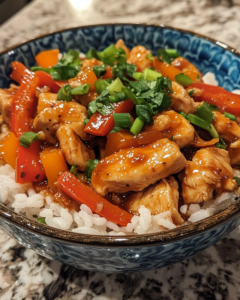
Healthy Chicken Fried Rice (Meal Prep Lunch) 7 Simple Savory

Posted on

Uncategorized

Difficulty

Prep time

Cooking time

Total time

Servings

A balanced bowl of chicken fried rice prepared for meal planning brings together tender grains, lean protein, and crisp vegetables in a single pan. This version of healthy chicken fried rice focuses on lighter cooking methods while still keeping a rich, satisfying texture suitable for weekday lunches.

Meal prep cooking often centers around dishes that hold well in refrigeration and reheat without losing structure. Fried rice fits that purpose because each grain stays separate, absorbing seasoning while maintaining bite. Chicken adds lean protein, while vegetables contribute color, texture, and natural sweetness.

This recipe avoids heavy oils and relies on controlled heat, quick stir-frying, and careful seasoning. The result is a dish that works well in portioned containers for several days, staying balanced and pleasant even after reheating.

Ingredients Overview

Chicken fried rice relies on a few essential components that work together to create structure and depth. Rice forms the base, ideally cooked ahead so the grains dry slightly and separate easily in the pan. This prevents clumping and supports even browning during cooking.

Chicken breast serves as the main protein source. It cooks quickly and stays tender when cut into small, even cubes. Light seasoning before cooking helps build flavor from the start.

Vegetables such as carrots, peas, and green onions provide contrast in texture. Carrots add subtle sweetness and firmness, peas bring softness, and green onions introduce a mild aromatic note that lifts the entire dish.

Eggs contribute softness and help bind ingredients lightly without making the dish heavy. A small amount of soy sauce provides saltiness and umami depth. Garlic and ginger form the aromatic base, giving warmth and fragrance without overpowering the dish.

A small amount of neutral oil supports stir-frying at high heat. Optional additions such as sesame oil can be used at the end for a subtle toasted note.

For substitutions, brown rice can replace white rice for a higher fiber option, though it will have a firmer bite. Chicken thighs can be used for a richer flavor profile. Vegetables can be adjusted based on availability, as long as moisture content remains balanced to avoid sogginess.

Ingredients

2 cups cooked jasmine rice, chilled
1 large chicken breast, diced small
2 large eggs, lightly beaten
1 cup carrots, finely diced
1 cup frozen peas, thawed
3 green onions, sliced
2 cloves garlic, minced
1 teaspoon fresh ginger, grated
2 tablespoons low sodium soy sauce
1 tablespoon neutral oil
1 teaspoon sesame oil
Salt, small pinch
Black pepper, small pinch

Step-by-Step Instructions

Begin by preparing all components before cooking starts. Chilled rice works best because it keeps grains separate during stir-frying. Freshly cooked rice tends to soften too much and may create a sticky texture.

Heat a large skillet or wok over medium-high heat. Add neutral oil and allow it to warm until it spreads easily across the surface. Add diced chicken in a single layer. Cook until edges turn lightly golden and interior reaches full doneness. Remove chicken and set aside.

In the same pan, add garlic and ginger. Stir briefly until aromatic release appears. Add carrots and cook until slightly softened but still firm. This stage builds a layered base of flavor in the pan.

Push vegetables to the side and pour beaten eggs into the empty space. Allow eggs to set slightly, then gently scramble until soft curds form. Mix with vegetables once partially cooked.

Add chilled rice into the pan. Break apart any clumps using a spatula, pressing gently while tossing. Maintain steady heat so rice begins to take on light toasted edges without burning.

Return cooked chicken to the pan. Add peas and green onions. Pour soy sauce evenly across the mixture, stirring to distribute seasoning throughout all components.

Continue stirring until rice grains appear evenly coated and heated through. The texture should remain separate and slightly firm, not soft or mushy.

Finish with a small drizzle of sesame oil. Stir once more to distribute aroma. Remove from heat and allow the dish to rest briefly before portioning into containers.

Tips, Variations & Substitutions

Chilling rice before cooking plays a key role in achieving proper texture. Fresh rice holds moisture, which can lead to clumping during stir-frying. Spreading cooked rice on a tray before refrigeration helps grains firm up evenly.

Protein options can shift based on preference. Turkey or shrimp can replace chicken while maintaining similar cooking times. Tofu works as a plant-based option when pressed to remove excess moisture before cooking.

Vegetable combinations can vary widely. Bell peppers, corn, or zucchini can be added, though high-moisture vegetables should be used in moderation to maintain texture balance.

For flavor variation, a small amount of chili flakes or chili paste can be added during cooking for mild heat. Lime juice added at serving brings brightness without altering structure.

Portioning into meal containers while slightly warm helps preserve moisture balance without condensation buildup. Reheating in a skillet rather than a microwave maintains better texture.

Serving Ideas & Occasions

Healthy chicken fried rice fits well into weekday meal planning, especially for lunch containers. It pairs well with light cucumber salads or steamed greens for added freshness.

For a more filling spread, it can be served alongside miso soup or clear broth-based soups. The dish also works as a standalone meal due to its balanced composition of protein, carbohydrates, and vegetables.

It travels well, making it suitable for work lunches or school meal preparation. The structure remains stable after reheating, which supports batch cooking routines across several days.

Nutritional & Health Notes

This dish offers a balanced profile of macronutrients. Chicken breast provides lean protein, supporting muscle maintenance and steady energy release. Rice supplies carbohydrates for sustained fuel.

Vegetables contribute fiber, vitamins, and minerals while keeping calorie density moderate. Eggs add additional protein and a soft texture without increasing heaviness.

Using controlled oil amounts keeps fat content moderate. Soy sauce contributes sodium, so low sodium versions help maintain balance. Overall composition supports portion-based eating patterns without excessive richness.

FAQs

Can cooked rice be used straight from the refrigerator?

Chilled rice works well because it separates easily in the pan. Fresh rice holds more moisture and tends to clump during stir-frying. Refrigerated rice creates a firmer texture that supports even heating and light browning. Spreading rice on a tray before chilling improves results further by allowing steam to escape evenly. This preparation step helps maintain structure during cooking.

What type of chicken works best?

Chicken breast is commonly used due to its lean profile and quick cooking time. Cutting it into small, uniform pieces allows even heat distribution. Chicken thighs can also be used for a richer flavor and slightly juicier texture. Both options work well in stir-fry cooking, as long as pieces remain consistent in size for balanced doneness across the pan.

Can frozen vegetables be used?

Frozen vegetables such as peas or mixed blends work well in this dish. They should be thawed slightly before cooking to reduce excess moisture. Adding them during the final stages of cooking prevents over-softening. Frozen options offer convenience while still maintaining color and texture when handled properly during stir-frying.

How can excess moisture in fried rice be avoided?

Excess moisture usually comes from fresh rice or wet vegetables. Using chilled rice reduces this issue significantly. Cooking vegetables over higher heat for a short duration helps evaporate surface moisture. Avoid adding too much sauce at once, as gradual seasoning allows better control of texture throughout the dish.

Can oil be reduced in this recipe?

Oil can be reduced, though a small amount is still important for heat transfer and texture development. Nonstick cookware helps limit oil usage. Stir-frying in batches rather than overcrowding the pan also reduces sticking without requiring additional fat. Balance between dryness and proper browning is key.

How long can meal prep portions be stored?

Portioned fried rice can be stored in sealed containers in refrigeration for several days. Cooling fully before sealing helps prevent condensation. Reheating in a skillet maintains better texture compared to microwave heating. Stirring during reheating restores even warmth throughout the dish.

Can additional sauces be added?

Additional sauces such as light chili sauce or a small amount of oyster-style seasoning can be added depending on preference. These should be used in moderation to avoid overpowering the base flavors. Adding sauces at the end of cooking helps maintain control over seasoning balance.

[rank_math_breadcrumb]

Healthy Chicken Fried Rice (Meal Prep Lunch) 7 Simple Savory

Photo of author
Author: Olivia
Published:

A balanced bowl of chicken fried rice prepared for meal planning brings together tender grains, lean protein, and crisp vegetables in a single pan. This version of healthy chicken fried rice focuses on lighter cooking methods while still keeping a rich, satisfying texture suitable for weekday lunches.

Meal prep cooking often centers around dishes that hold well in refrigeration and reheat without losing structure. Fried rice fits that purpose because each grain stays separate, absorbing seasoning while maintaining bite. Chicken adds lean protein, while vegetables contribute color, texture, and natural sweetness.

This recipe avoids heavy oils and relies on controlled heat, quick stir-frying, and careful seasoning. The result is a dish that works well in portioned containers for several days, staying balanced and pleasant even after reheating.

Ingredients Overview

Chicken fried rice relies on a few essential components that work together to create structure and depth. Rice forms the base, ideally cooked ahead so the grains dry slightly and separate easily in the pan. This prevents clumping and supports even browning during cooking.

Chicken breast serves as the main protein source. It cooks quickly and stays tender when cut into small, even cubes. Light seasoning before cooking helps build flavor from the start.

Vegetables such as carrots, peas, and green onions provide contrast in texture. Carrots add subtle sweetness and firmness, peas bring softness, and green onions introduce a mild aromatic note that lifts the entire dish.

Eggs contribute softness and help bind ingredients lightly without making the dish heavy. A small amount of soy sauce provides saltiness and umami depth. Garlic and ginger form the aromatic base, giving warmth and fragrance without overpowering the dish.

A small amount of neutral oil supports stir-frying at high heat. Optional additions such as sesame oil can be used at the end for a subtle toasted note.

For substitutions, brown rice can replace white rice for a higher fiber option, though it will have a firmer bite. Chicken thighs can be used for a richer flavor profile. Vegetables can be adjusted based on availability, as long as moisture content remains balanced to avoid sogginess.

Ingredients

2 cups cooked jasmine rice, chilled
1 large chicken breast, diced small
2 large eggs, lightly beaten
1 cup carrots, finely diced
1 cup frozen peas, thawed
3 green onions, sliced
2 cloves garlic, minced
1 teaspoon fresh ginger, grated
2 tablespoons low sodium soy sauce
1 tablespoon neutral oil
1 teaspoon sesame oil
Salt, small pinch
Black pepper, small pinch

Step-by-Step Instructions

Begin by preparing all components before cooking starts. Chilled rice works best because it keeps grains separate during stir-frying. Freshly cooked rice tends to soften too much and may create a sticky texture.

Heat a large skillet or wok over medium-high heat. Add neutral oil and allow it to warm until it spreads easily across the surface. Add diced chicken in a single layer. Cook until edges turn lightly golden and interior reaches full doneness. Remove chicken and set aside.

In the same pan, add garlic and ginger. Stir briefly until aromatic release appears. Add carrots and cook until slightly softened but still firm. This stage builds a layered base of flavor in the pan.

Push vegetables to the side and pour beaten eggs into the empty space. Allow eggs to set slightly, then gently scramble until soft curds form. Mix with vegetables once partially cooked.

Add chilled rice into the pan. Break apart any clumps using a spatula, pressing gently while tossing. Maintain steady heat so rice begins to take on light toasted edges without burning.

Return cooked chicken to the pan. Add peas and green onions. Pour soy sauce evenly across the mixture, stirring to distribute seasoning throughout all components.

Continue stirring until rice grains appear evenly coated and heated through. The texture should remain separate and slightly firm, not soft or mushy.

Finish with a small drizzle of sesame oil. Stir once more to distribute aroma. Remove from heat and allow the dish to rest briefly before portioning into containers.

Tips, Variations & Substitutions

Chilling rice before cooking plays a key role in achieving proper texture. Fresh rice holds moisture, which can lead to clumping during stir-frying. Spreading cooked rice on a tray before refrigeration helps grains firm up evenly.

Protein options can shift based on preference. Turkey or shrimp can replace chicken while maintaining similar cooking times. Tofu works as a plant-based option when pressed to remove excess moisture before cooking.

Vegetable combinations can vary widely. Bell peppers, corn, or zucchini can be added, though high-moisture vegetables should be used in moderation to maintain texture balance.

For flavor variation, a small amount of chili flakes or chili paste can be added during cooking for mild heat. Lime juice added at serving brings brightness without altering structure.

Portioning into meal containers while slightly warm helps preserve moisture balance without condensation buildup. Reheating in a skillet rather than a microwave maintains better texture.

Serving Ideas & Occasions

Healthy chicken fried rice fits well into weekday meal planning, especially for lunch containers. It pairs well with light cucumber salads or steamed greens for added freshness.

For a more filling spread, it can be served alongside miso soup or clear broth-based soups. The dish also works as a standalone meal due to its balanced composition of protein, carbohydrates, and vegetables.

It travels well, making it suitable for work lunches or school meal preparation. The structure remains stable after reheating, which supports batch cooking routines across several days.

Nutritional & Health Notes

This dish offers a balanced profile of macronutrients. Chicken breast provides lean protein, supporting muscle maintenance and steady energy release. Rice supplies carbohydrates for sustained fuel.

Vegetables contribute fiber, vitamins, and minerals while keeping calorie density moderate. Eggs add additional protein and a soft texture without increasing heaviness.

Using controlled oil amounts keeps fat content moderate. Soy sauce contributes sodium, so low sodium versions help maintain balance. Overall composition supports portion-based eating patterns without excessive richness.

FAQs

Can cooked rice be used straight from the refrigerator?

Chilled rice works well because it separates easily in the pan. Fresh rice holds more moisture and tends to clump during stir-frying. Refrigerated rice creates a firmer texture that supports even heating and light browning. Spreading rice on a tray before chilling improves results further by allowing steam to escape evenly. This preparation step helps maintain structure during cooking.

What type of chicken works best?

Chicken breast is commonly used due to its lean profile and quick cooking time. Cutting it into small, uniform pieces allows even heat distribution. Chicken thighs can also be used for a richer flavor and slightly juicier texture. Both options work well in stir-fry cooking, as long as pieces remain consistent in size for balanced doneness across the pan.

Can frozen vegetables be used?

Frozen vegetables such as peas or mixed blends work well in this dish. They should be thawed slightly before cooking to reduce excess moisture. Adding them during the final stages of cooking prevents over-softening. Frozen options offer convenience while still maintaining color and texture when handled properly during stir-frying.

How can excess moisture in fried rice be avoided?

Excess moisture usually comes from fresh rice or wet vegetables. Using chilled rice reduces this issue significantly. Cooking vegetables over higher heat for a short duration helps evaporate surface moisture. Avoid adding too much sauce at once, as gradual seasoning allows better control of texture throughout the dish.

Can oil be reduced in this recipe?

Oil can be reduced, though a small amount is still important for heat transfer and texture development. Nonstick cookware helps limit oil usage. Stir-frying in batches rather than overcrowding the pan also reduces sticking without requiring additional fat. Balance between dryness and proper browning is key.

How long can meal prep portions be stored?

Portioned fried rice can be stored in sealed containers in refrigeration for several days. Cooling fully before sealing helps prevent condensation. Reheating in a skillet maintains better texture compared to microwave heating. Stirring during reheating restores even warmth throughout the dish.

Can additional sauces be added?

Additional sauces such as light chili sauce or a small amount of oyster-style seasoning can be added depending on preference. These should be used in moderation to avoid overpowering the base flavors. Adding sauces at the end of cooking helps maintain control over seasoning balance.
Name

Lorem ipsum dolor sit amet, consectetur adipiscing elit. Suspendisse varius enim in eros elementum tristique. Duis cursus, mi quis viverra ornare, eros dolor interdum nulla, ut commodo diam libero vitae erat.

You Might Also Like...

Garlic Butter Steak & Veggies: 30-Minute Amazing Supper

Garlic Butter Steak & Veggies: 30-Minute Amazing Supper

Buffalo Chicken Meal Prep Bowls: 5 Practical Savory Plates

Buffalo Chicken Meal Prep Bowls: 5 Practical Savory Plates

Mediterranean Chicken & Rice: 5 Amazing Comforting Bowls

Mediterranean Chicken & Rice: 5 Amazing Comforting Bowls

Teriyaki Chicken Meal Boxes: 5 Simple Comforting Ideas

Teriyaki Chicken Meal Boxes: 5 Simple Comforting Ideas

Tags:

You might also like these recipes

Leave a Comment