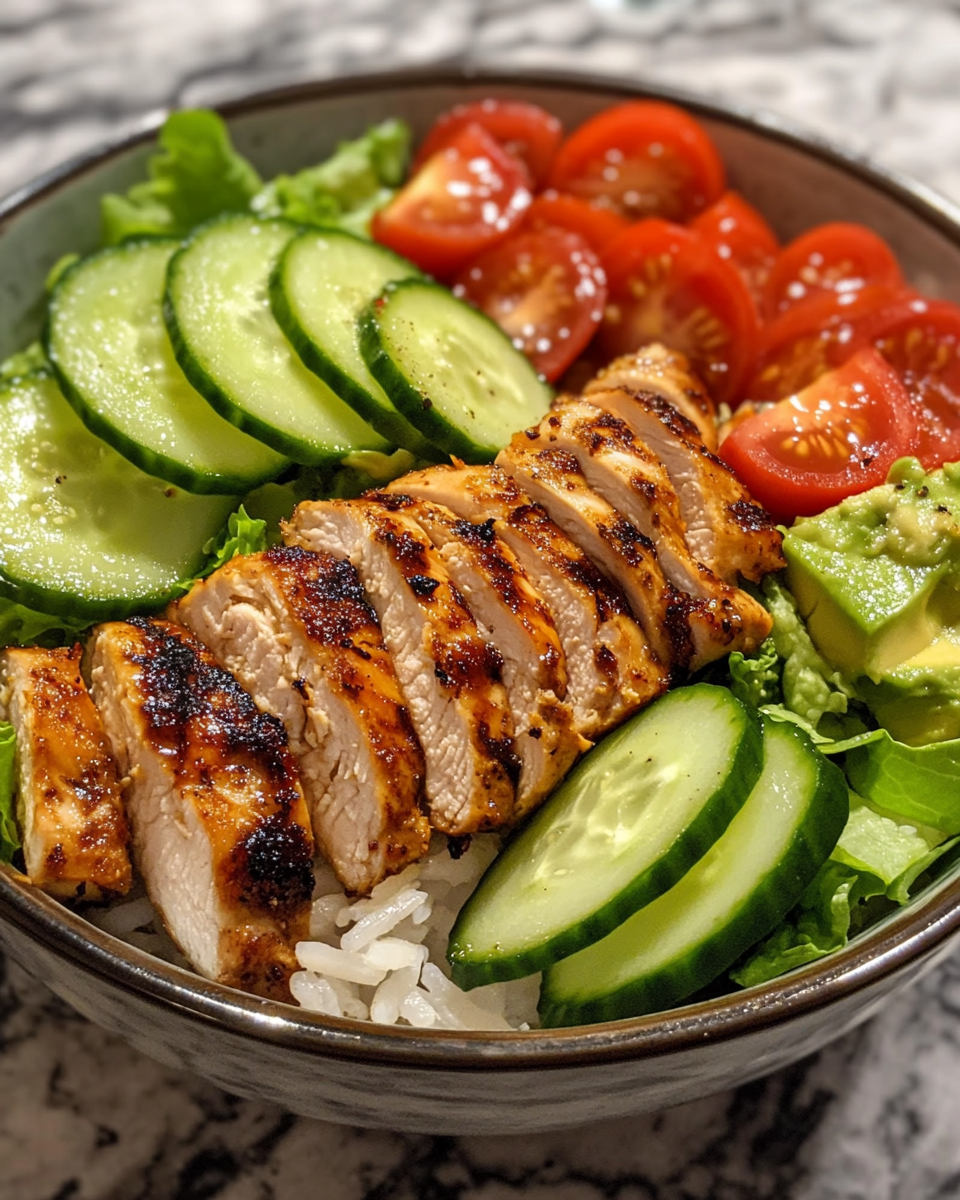
A comforting vegetable fried rice dish brings together tender grains of rice, colorful vegetables, and aromatic seasoning in a single pan. Vegetable Fried Rice is a practical kitchen staple that fits into many cooking routines, especially when a balanced, filling dish is desired without complexity. Each bite carries a mix of textures from soft rice to crisp vegetables, all brought together with gentle heat and steady stirring.
This dish is especially popular for its adaptability. It works well with leftover rice and a variety of vegetables that are commonly available in most kitchens. The cooking process is straightforward, relying on timing, heat control, and ingredient order rather than advanced culinary techniques.
Whether served as a standalone meal or alongside other dishes, vegetable fried rice delivers satisfying texture and flavor. The combination of soy seasoning, aromatics, and lightly cooked vegetables creates a balanced profile that appeals across many preferences.
Ingredients Overview

The foundation of vegetable fried rice is cooked rice that has been cooled. Slightly dry rice grains are preferred because they separate easily during cooking and absorb seasoning without becoming mushy. Long-grain varieties such as jasmine or basmati offer a light texture, while medium-grain rice provides a slightly softer bite.
Vegetables play a central role in both color and texture. Common choices include carrots, peas, bell peppers, and green beans. These ingredients contribute natural sweetness, mild crunch, and visual contrast. They also cook quickly, making them suitable for high-heat pan cooking.
Aromatics such as garlic and onion provide depth. When lightly sautéed, they release a warm fragrance that forms the base layer of flavor. Soy sauce adds saltiness and a rich umami character, while a small amount of sesame oil introduces a nutty aroma that lingers in the finished dish.
Eggs are often included for added protein and softness. When scrambled directly in the pan, they form tender curds that blend smoothly with rice and vegetables. However, this ingredient can be omitted for a plant-based version without losing structural balance.
Oil is used to control heat transfer and prevent sticking. Neutral oils such as canola or sunflower work well because they allow other flavors to remain clear. A small amount is sufficient, as excessive oil can weigh down the final texture.
Optional additions include scallions, corn kernels, or mushrooms. These ingredients can be adjusted depending on availability, allowing flexibility without altering the cooking method.
Ingredients
2 cups cooked jasmine rice, cooled
2 tablespoons neutral cooking oil
2 cloves garlic, minced
1/2 cup onion, finely chopped
1/2 cup carrots, diced small
1/2 cup green peas
1/2 cup bell pepper, diced
2 large eggs, lightly beaten
3 tablespoons soy sauce
1 teaspoon sesame oil
1/4 teaspoon black pepper
2 scallions, sliced
Step-by-Step Instructions

Begin by preparing all ingredients before heating the pan. Having vegetables chopped and sauces measured helps maintain steady cooking once heat is applied. Cold, cooked rice should be gently separated with fingers or a spoon to remove clumps.
Heat a large wok or deep skillet over medium-high heat. Add neutral oil and allow it to spread evenly across the surface. Once the oil becomes slightly fluid, add minced garlic and chopped onion. Stir gently for about one minute until a light aroma develops and onions begin to soften.
Add diced carrots next, as they require slightly longer cooking than other vegetables. Stir continuously for two to three minutes until they begin to soften but still retain a light crunch. Follow with bell pepper and green peas, mixing evenly so heat distributes across all vegetables.
Push vegetables to one side of the pan. Pour beaten eggs into the empty space. Allow them to set slightly before gently scrambling. Once soft curds form, mix them with the vegetables.
Add the cooled rice to the pan. Break apart any remaining clumps while stirring. Keep the heat steady so the rice warms evenly without sticking. Stir-frying at this stage is important for achieving a consistent texture.
Pour soy sauce evenly across the rice while stirring. This helps distribute color and seasoning. Continue stirring for several minutes until rice takes on a light golden tone and all ingredients are well combined.
Drizzle sesame oil over the mixture and sprinkle black pepper. Stir once more to incorporate the aroma. Turn off heat and finish with sliced scallions folded gently into the rice.
Avoid overcrowding the pan, as this can trap moisture and lead to a soft texture instead of a lightly toasted finish. Maintaining consistent heat and continuous movement of ingredients helps achieve a balanced result.
Tips, Variations & Substitutions
Day-old rice performs better than freshly cooked rice because it contains less moisture. If fresh rice is used, spreading it on a tray to cool and dry slightly can help improve texture.
Vegetable combinations can be adjusted based on preference or availability. Mushrooms add an earthy depth, while corn contributes mild sweetness. Zucchini can also be used, though it should be added later in cooking to avoid excess softness.
For a stronger flavor profile, a small amount of grated ginger can be added with garlic at the beginning stage. This introduces a warm aromatic layer without overpowering other ingredients.
Protein options can be expanded beyond eggs. Firm tofu cubes or small pieces of cooked chicken can be incorporated. These should be added after vegetables are partially cooked so they maintain structure.
For a lighter seasoning approach, reduce soy sauce slightly and balance with a splash of vegetable broth. This keeps the rice from becoming too salty while still maintaining depth.
Serving Ideas & Occasions
Vegetable fried rice is commonly served as a standalone dish due to its balanced composition of grains, vegetables, and protein. It pairs well with simple side dishes such as steamed greens, light soups, or grilled skewers.
It is suitable for casual meals, packed lunches, or quick evening preparation. The dish holds its texture well after cooling, making it practical for transport and reheating.
Beverage pairings can include lightly brewed teas or chilled sparkling water. These help balance the savory profile of the rice without overpowering its subtle aromatics.
Garnishes such as extra scallions or toasted sesame seeds can be added before serving to introduce a mild finishing touch.
Nutritional & Health Notes
Vegetable fried rice provides a balanced mix of carbohydrates, fiber, and moderate protein depending on ingredient choices. Rice supplies energy, while vegetables contribute vitamins and minerals.
Using a variety of colorful vegetables increases nutrient diversity. Carrots offer beta-carotene, peas provide plant-based protein, and bell peppers contribute vitamin C.
Oil quantity can be adjusted to control overall calorie density. Using minimal oil while maintaining proper heat helps achieve a lighter dish without sacrificing texture.
Soy sauce contributes sodium, so reduced-sodium versions can be selected for those monitoring salt intake. Adding extra vegetables also helps balance the overall composition.
Eggs or plant-based proteins improve satiety and help create a more complete meal profile.
FAQs
Can leftover rice be used for this dish?
Leftover rice is commonly used because it has a firmer texture and lower moisture content. This helps grains separate easily during cooking and prevents clumping. When using rice that has been refrigerated, gently break apart any hardened sections before adding it to the pan. If freshly cooked rice is the only option available, spreading it on a tray to cool can help reduce excess moisture before cooking begins.
Which vegetables work well in this recipe?
Many vegetables can be used depending on availability. Carrots, peas, bell peppers, green beans, and corn are commonly chosen due to their texture and mild flavor. Mushrooms also work well, adding an earthy note. It is important to cut vegetables into small, uniform pieces so they cook evenly in the pan. Harder vegetables should be added earlier, while softer ones can be added later.
Can this dish be prepared without eggs?
Eggs are optional in vegetable fried rice. They add softness and additional protein, but the dish remains balanced without them. For a plant-based version, tofu can be used as an alternative protein source. It should be lightly pan-cooked before mixing with rice to maintain structure. Removing eggs does not significantly change the cooking process.
How can rice avoid sticking during cooking?
Proper heat control and continuous stirring help prevent sticking. Using a wok or large skillet allows even heat distribution. A small amount of oil should coat the surface before ingredients are added. Cold rice that has been separated beforehand also reduces clumping. Avoid overcrowding the pan, as excess moisture can cause sticking.
Is it possible to adjust seasoning levels?
Seasoning can be adjusted based on preference. Soy sauce provides the main salt component, so reducing or increasing its amount will directly affect flavor intensity. A small amount of sesame oil can be added for aroma, but it should remain limited to avoid overpowering other ingredients. Tasting during preparation helps guide adjustments.
What type of rice works best?
Long-grain rice such as jasmine or basmati is often preferred due to its light texture and separation after cooking. Medium-grain rice can also be used but may produce a slightly softer result. The key factor is ensuring rice is cooked ahead of time and cooled so grains remain distinct during stir-frying.
Can additional protein be added?
Additional protein can be included without changing the cooking method significantly. Cooked chicken, shrimp, or firm tofu can be mixed into the rice after vegetables are partially cooked. These ingredients should be prepared in advance so they integrate smoothly into the dish without extending cooking duration unnecessarily.