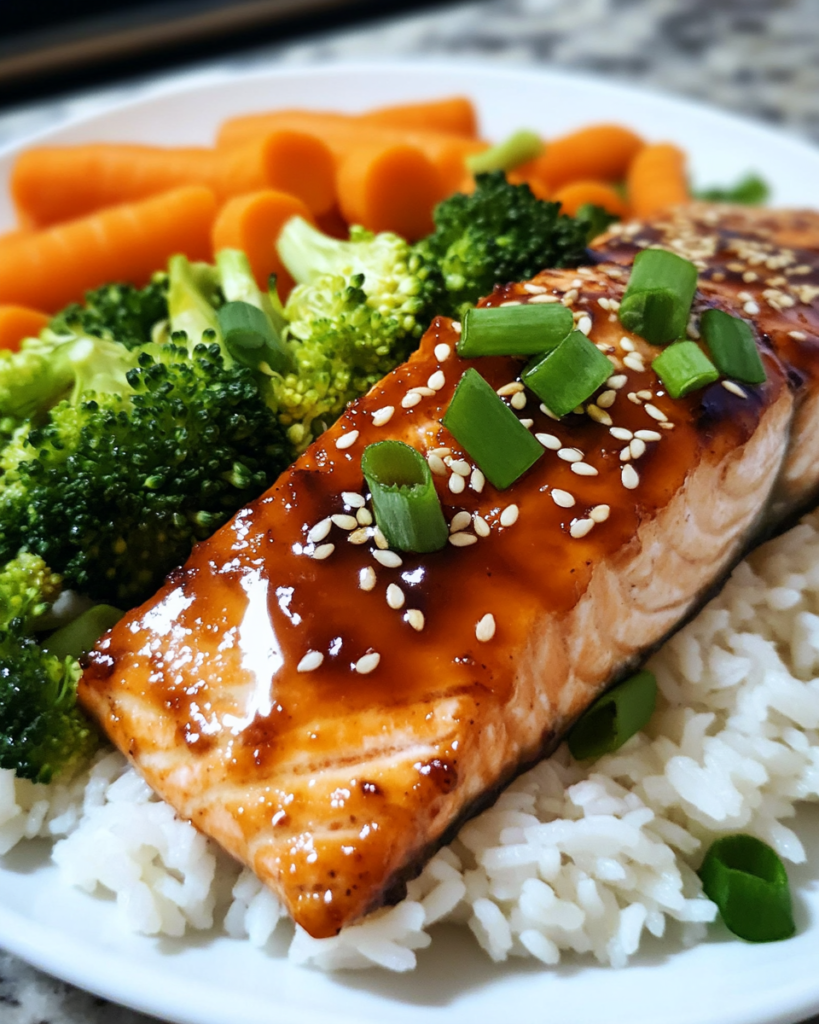
Teriyaki Salmon Meal Prep brings together tender salmon, savory rice, and crisp vegetables in a balanced dish that works beautifully for busy weekdays. The rich glaze coats each salmon fillet with a glossy finish while garlic, ginger, and soy sauce bring deep flavor to every bite. This style of meal prep keeps lunches and dinners organized without feeling repetitive or bland.
One of the strongest parts of this recipe is how well it stores throughout the week. The salmon stays moist, the rice reheats beautifully, and the vegetables keep their texture with simple preparation. A homemade teriyaki sauce also gives the dish a fresher flavor than bottled varieties commonly found at the store.
The bowls can be packed into containers for work lunches, post-workout dinners, or easy family meals during packed schedules. With balanced protein, carbohydrates, and vegetables, this recipe feels hearty while still remaining fresh and light.
Ingredients Overview
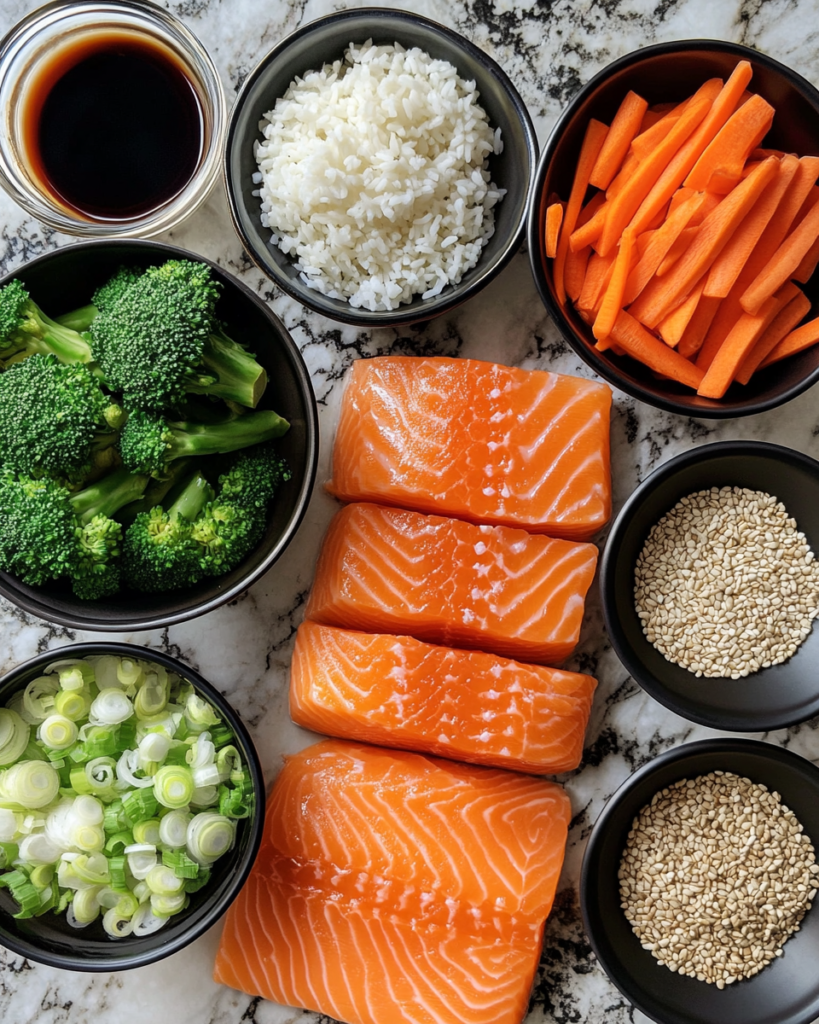
The salmon is the centerpiece of this recipe. Fresh salmon fillets hold up very well during reheating and absorb the teriyaki glaze beautifully. Atlantic salmon has a rich texture with higher fat content, while sockeye salmon has a firmer bite and deeper color. Either option works nicely for meal prep.
Soy sauce forms the savory base of the teriyaki glaze. Low-sodium soy sauce helps control saltiness while still giving the sauce its classic flavor. Honey adds sweetness and helps the glaze caramelize slightly during baking. Brown sugar may also be used if preferred. Fresh garlic and ginger give warmth and depth that bottled sauces often lack.
Rice acts as the comforting base of the bowls. Jasmine rice has a soft texture and fragrant aroma, though brown rice works very well for extra fiber and a nuttier flavor. Quinoa can also replace rice for additional protein.
The vegetables add freshness, texture, and color. Broccoli holds up especially well in meal prep containers, while carrots bring natural sweetness and crunch. Edamame contributes extra protein and pairs naturally with the teriyaki flavors. Cucumbers are best added after reheating for a cool contrast.
Sesame oil gives the sauce a lightly toasted finish. Cornstarch thickens the glaze into a silky coating that clings to the salmon rather than pooling at the bottom of the containers.
Together, these ingredients create balanced bowls with savory, sweet, and fresh elements in every forkful.
Ingredients
4 salmon fillets, about 6 ounces each
1 1/2 cups jasmine rice
3 cups water
3 cups broccoli florets
1 cup shredded carrots
1 cup shelled edamame
1 cucumber, sliced
2 tablespoons sesame seeds
2 green onions, sliced
For the teriyaki sauce:
1/2 cup low-sodium soy sauce
3 tablespoons honey
2 tablespoons brown sugar
1 tablespoon rice vinegar
1 tablespoon sesame oil
3 cloves garlic, minced
1 tablespoon fresh ginger, grated
1 tablespoon cornstarch
2 tablespoons water
For cooking:
1 tablespoon olive oil
1/2 teaspoon salt
1/4 teaspoon black pepper
Step-by-Step Instructions
Start by preparing the rice. Rinse the jasmine rice under cold water until the water runs mostly clear. This helps remove excess starch and keeps the rice from turning gummy. Combine the rice and water in a medium saucepan. Bring it to a boil, reduce the heat to low, cover, and cook for about 15 minutes. Remove from the heat and let it rest for another 10 minutes before fluffing with a fork.
While the rice cooks, prepare the teriyaki sauce. In a saucepan, combine soy sauce, honey, brown sugar, rice vinegar, sesame oil, garlic, and ginger. Warm the mixture over medium heat until lightly simmering. In a small bowl, stir together the cornstarch and water until smooth. Pour the slurry into the saucepan and stir continuously until the sauce thickens into a glossy glaze. Remove from the heat once the sauce coats the back of a spoon.
Preheat the oven to 400 degrees Fahrenheit. Line a baking sheet with parchment paper or lightly grease it with olive oil. Place the salmon fillets skin-side down on the sheet. Sprinkle with salt and black pepper.
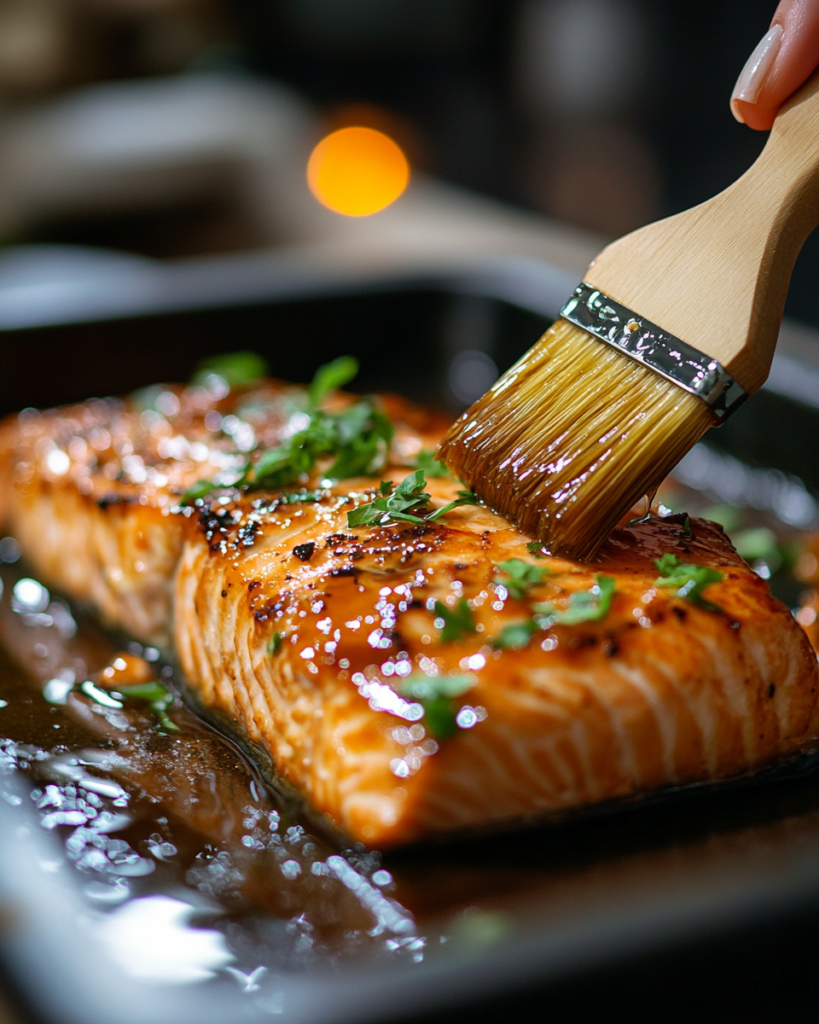
Brush a generous layer of teriyaki sauce over each fillet. Bake the salmon for 12 to 15 minutes depending on thickness. The fish should flake easily with a fork and appear opaque in the center. Avoid overcooking, since salmon can dry out quickly during reheating later in the week.
During the final few minutes of baking, steam the broccoli and edamame until just tender. The vegetables should still have a slight bite rather than becoming soft and dull. Overcooked vegetables lose texture after refrigeration.
Once the salmon finishes cooking, brush another light layer of teriyaki sauce over the top for added flavor. Let the fillets cool slightly before portioning them into containers.
Divide the rice evenly among five meal prep containers. Add broccoli, carrots, edamame, and cucumber slices around the rice. Place one salmon fillet into each container. Spoon a small amount of remaining sauce over the salmon.
Finish with sesame seeds and sliced green onions. Allow the containers to cool before sealing them with lids. Refrigerate for up to four days.
When reheating, warm the bowls gently in the microwave in short intervals. Adding a teaspoon of water to the rice before heating helps maintain a soft texture. Keep cucumber slices separate if preferred for a fresher bite.
Tips, Variations & Substitutions
For richer flavor, marinate the salmon in part of the teriyaki sauce for 20 to 30 minutes before baking. Longer marinating is not necessary because soy sauce can overpower the fish.
Brown rice adds extra fiber and stays hearty during refrigeration. Cauliflower rice works nicely for a lighter bowl with fewer carbohydrates. Quinoa also pairs beautifully with the salmon and vegetables.
Chicken thighs may replace salmon if preferred. Tofu is another strong option for a vegetarian version. Press the tofu well before cooking so it develops a firmer texture and absorbs the sauce properly.
Roasted vegetables bring deeper flavor than steamed vegetables. Bell peppers, snap peas, zucchini, and mushrooms all work very well in these bowls. A small drizzle of chili crisp or sriracha can add gentle heat.
When preparing several containers at once, cool the food before sealing. Trapped steam can create excess moisture that affects texture during storage.
If the teriyaki sauce becomes too thick after refrigeration, stir in a teaspoon of warm water before reheating. Fresh lime wedges can brighten the bowls just before serving.
Glass meal prep containers are especially useful for this recipe because they reheat evenly and help the salmon keep its texture.
Serving Ideas & Occasions
Teriyaki Salmon Meal Prep works beautifully for weekday lunches, quick dinners, and organized weekly cooking sessions. The bowls are filling enough for evening meals while still feeling light enough for midday lunches at work or school.
For side dishes, miso soup, seaweed salad, or lightly dressed cabbage slaw pair naturally with the savory salmon. Pickled vegetables also add brightness and contrast against the rich teriyaki glaze.
Green tea, sparkling water with citrus, or chilled jasmine tea complement the sweet and savory flavors especially well. For dinner gatherings, the salmon can also be served fresh from the oven with rice and vegetables arranged family-style on a large platter.
These bowls are especially useful during busy weeks because they hold their texture and flavor for several days. They also fit nicely into fitness-focused meal planning thanks to the balanced combination of protein, carbohydrates, and vegetables.
Nutritional & Health Notes
Salmon is rich in protein and contains omega-3 fatty acids that support a balanced diet. It is naturally satisfying and pairs well with grains and vegetables for a complete meal.
Broccoli, carrots, and edamame contribute fiber, vitamins, and texture. Including several vegetables in meal prep bowls adds variety while helping the meals remain filling without relying heavily on rich sauces or fried ingredients.
Using homemade teriyaki sauce gives better control over sodium and sweetness compared to many bottled sauces. Low-sodium soy sauce helps balance flavor while reducing excess salt.
Brown rice or quinoa can increase fiber content further for those seeking a more hearty grain base. Cauliflower rice offers a lighter option with fewer carbohydrates while still pairing well with the salmon.
Portioning the bowls into containers ahead of time also supports balanced eating habits during packed schedules. Having prepared meals ready in the refrigerator often reduces reliance on takeout or heavily processed convenience foods.
Can I prepare Teriyaki Salmon Meal Prep ahead for the entire week?
Yes, this recipe works very well for advance preparation. The salmon, rice, and vegetables hold up nicely in the refrigerator for about four days when stored in airtight containers. For the freshest texture, allow the food to cool before sealing the containers. This reduces excess moisture buildup inside the containers. If preparing meals farther ahead, the salmon can also be frozen separately for longer storage. Reheat the bowls gently in short microwave intervals so the salmon stays moist rather than drying out. Adding fresh cucumber or green onions after reheating also helps the bowls taste freshly prepared even several days later.
What type of salmon works nicely for meal prep bowls?
Atlantic salmon is commonly used because it stays moist and tender after reheating. Sockeye salmon has a firmer texture and stronger flavor, which also pairs beautifully with teriyaki sauce. Skin-on fillets are especially helpful because the skin protects the fish during cooking and keeps it juicy. Center-cut fillets cook more evenly and fit nicely into meal prep containers. Frozen salmon also works well if thawed properly in the refrigerator overnight. Try choosing fillets with similar thickness so all portions cook at the same rate and maintain a consistent texture throughout the batch.
Can I cook the salmon in an air fryer instead of the oven?
Yes, the air fryer works beautifully for this recipe. Preheat the air fryer to 390 degrees Fahrenheit and lightly oil the basket. Cook the salmon for about 8 to 10 minutes depending on thickness. Brush the teriyaki glaze over the fillets before cooking and again during the final few minutes for extra flavor. The air fryer creates lightly caramelized edges while keeping the center moist. Watch closely near the end because salmon can overcook quickly in circulating heat. Allow the salmon to rest briefly before placing it into meal prep containers so the juices settle properly.
How do I stop the salmon from drying out during reheating?
Gentle reheating is the key. Microwave the bowls in short intervals at medium power rather than heating continuously at full power. Covering the container loosely also helps trap light steam around the fish. A spoonful of extra teriyaki sauce over the salmon before reheating can restore moisture and flavor. Avoid overheating because salmon continues cooking slightly even after removal from the microwave. Slightly undercooking the salmon during the original baking stage also helps maintain tenderness after refrigeration and reheating later in the week.
Can I use frozen vegetables in these bowls?
Frozen vegetables are a practical option for meal prep and work especially well with broccoli, edamame, and stir-fry blends. They save preparation time and usually retain strong flavor and nutrition because they are frozen shortly after harvesting. Steam or roast the vegetables only until tender to avoid overly soft textures after refrigeration. Let them cool slightly before packing the containers. Frozen vegetables may release more moisture than fresh vegetables, so avoid overcrowding the meal prep containers. Pairing frozen vegetables with fresh cucumber or green onion creates a balanced texture throughout the bowls.
Is homemade teriyaki sauce better than bottled sauce?
Homemade teriyaki sauce often tastes fresher and allows better control over sweetness and sodium. Many bottled sauces contain large amounts of sugar and preservatives that can overpower the salmon. With homemade sauce, the balance of soy sauce, garlic, ginger, and honey can be adjusted according to personal preference. The sauce also thickens naturally with cornstarch, creating a glossy coating that clings nicely to the salmon and rice. Preparing the sauce only takes a few minutes and can significantly improve the flavor of the finished bowls.
What other grains can replace rice in this recipe?
Several grains pair beautifully with teriyaki salmon. Brown rice brings a nuttier flavor and extra fiber. Quinoa adds protein and a slightly earthy texture that balances the sweet glaze nicely. Farro creates a pleasantly chewy texture and works especially well with roasted vegetables. Cauliflower rice is a lighter option for those wanting fewer carbohydrates. Even soba noodles can work for a different variation of the bowls. Whatever base is chosen, keeping the grain lightly seasoned helps the teriyaki salmon remain the primary flavor in the dish.