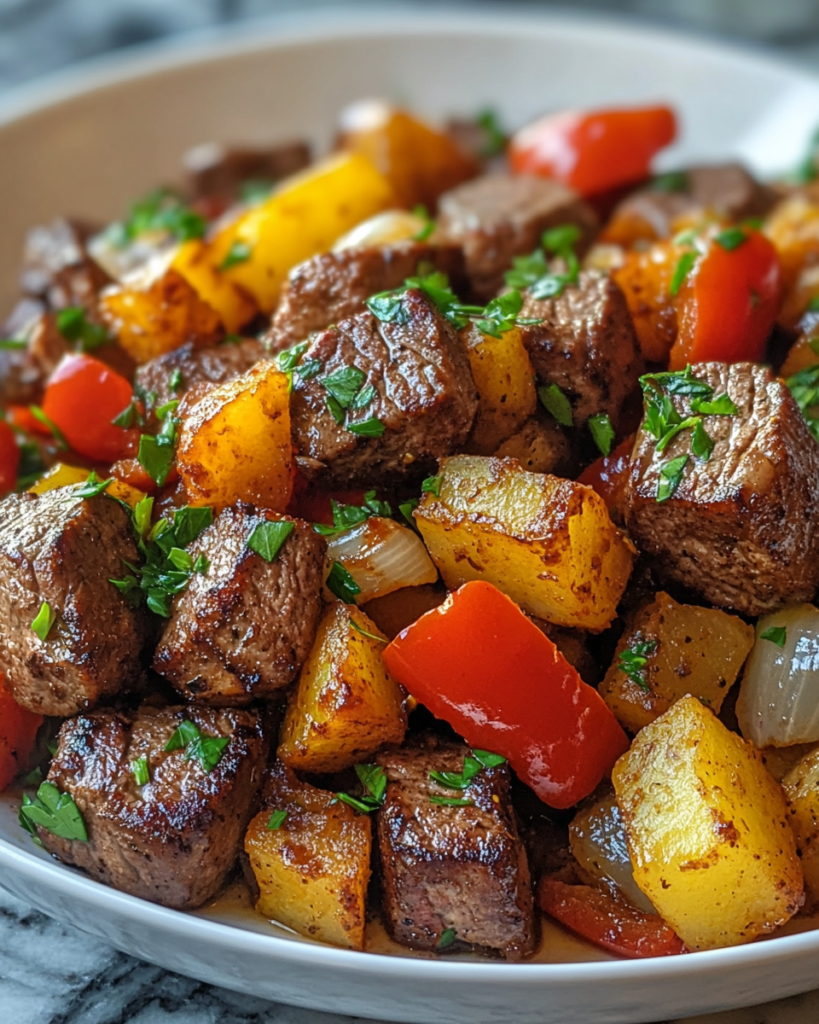
Steak & Hash Brown Skillet Prep brings crisp potatoes, tender beef, and savory seasoning into one hearty pan. This filling dish works well for breakfast, brunch, or supper and comes together with pantry staples plus a few fresh items. A hot skillet gives the potatoes a golden crust while the steak stays juicy with rich flavor in every bite.
This skillet meal fits busy weekdays since it stores well and reheats without losing texture. Many home cooks enjoy this recipe because it balances protein, potatoes, and vegetables in a single dish with very little cleanup. A cast-iron skillet gives the finest crust on the hash browns, though any heavy pan works nicely.
Ingredients Overview
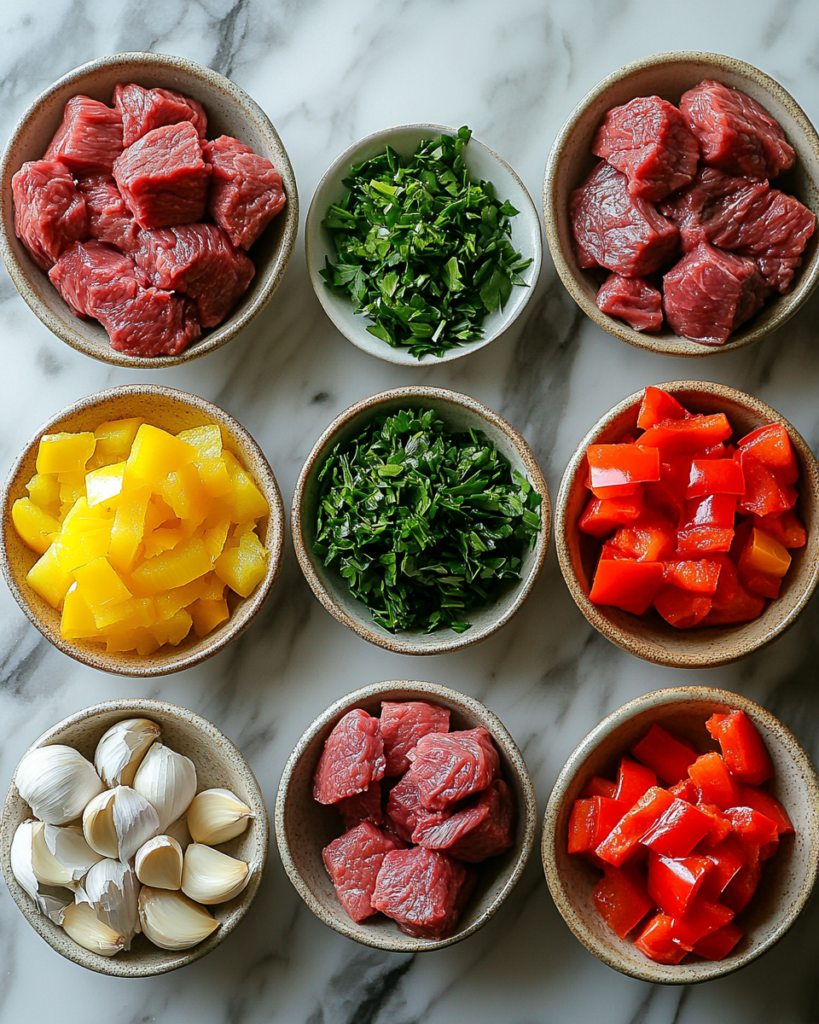
The steak is the center of this skillet recipe, bringing deep savory flavor and hearty texture. Sirloin works very well because it cooks quickly while staying tender. Ribeye also tastes rich and juicy, though it contains slightly more fat. Thin slices cook evenly and blend smoothly with the potatoes.
Frozen hash browns keep prep fast and convenient. Shredded hash browns create crisp edges throughout the skillet while diced hash browns give a chunkier texture. Fresh potatoes can also work after shredding and drying thoroughly with a towel to remove extra moisture.
Bell peppers and onions add sweetness plus color. Green peppers bring a slightly earthy taste while red peppers carry gentle sweetness. Yellow onions soften beautifully during cooking and blend into the potatoes without overpowering the dish.
Garlic adds warm depth without dominating the skillet. Smoked paprika contributes mild smokiness and helps the potatoes develop a rich color during cooking. Black pepper and salt balance the flavors while fresh parsley brightens the finished meal.
Cheddar cheese melts across the skillet for a creamy finish. Monterey Jack or pepper jack also taste wonderful. Butter and olive oil help the potatoes crisp while preventing sticking. Eggs can also top the skillet for a breakfast-style version that feels extra filling.
Ingredients
1 pound sirloin steak, thinly sliced
4 cups frozen shredded hash browns
1 tablespoon olive oil
1 tablespoon butter
1 small yellow onion, diced
1 green bell pepper, diced
2 cloves garlic, minced
1 teaspoon smoked paprika
1 teaspoon salt
1/2 teaspoon black pepper
1/2 teaspoon onion powder
1 cup shredded cheddar cheese
2 tablespoons chopped fresh parsley
Step-by-Step Instructions
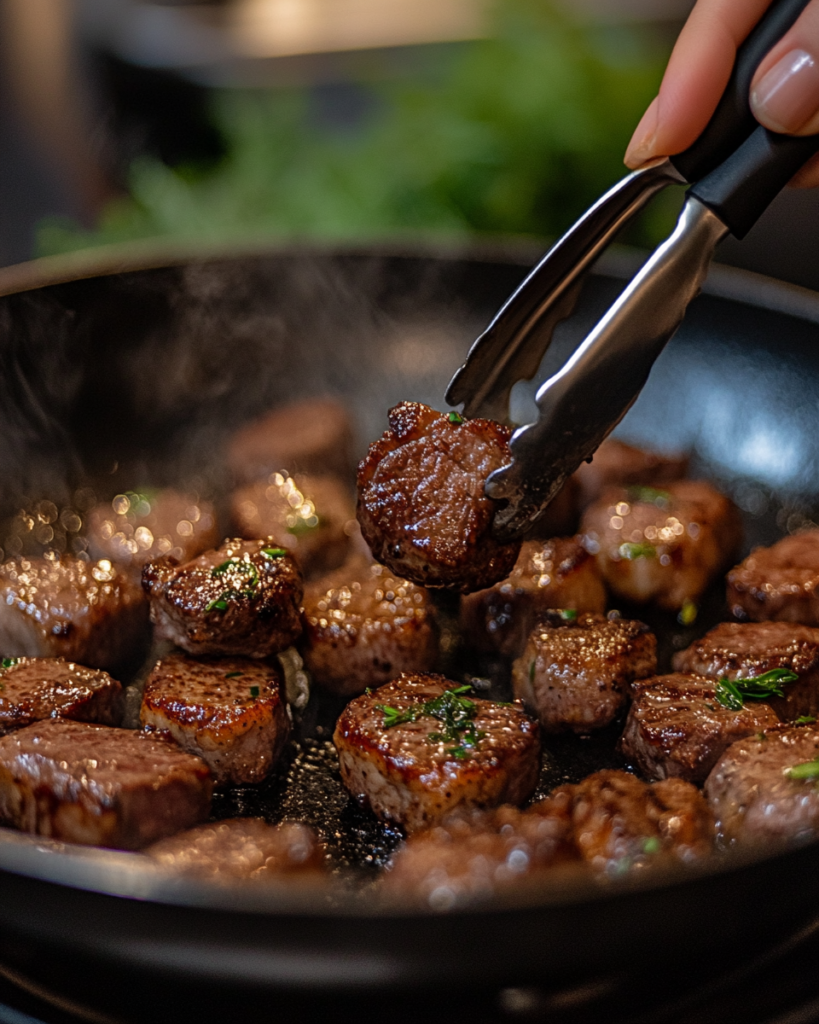
Pat the steak slices dry with paper towels before cooking. Removing surface moisture helps the beef brown nicely rather than steam. Sprinkle the steak with half the salt, half the black pepper, and the onion powder.
Heat a large cast-iron skillet over medium-high heat. Add olive oil and allow it to warm fully before placing the steak into the pan. Spread the slices into a single layer so the meat browns properly. Cook for about 2 minutes per side until the edges develop deep color while the center stays tender. Transfer the steak to a plate.
Reduce the heat slightly and add butter to the skillet. Stir in the diced onion and bell pepper. Cook for about 4 minutes until softened and lightly golden. Add the garlic and stir for another 30 seconds until fragrant.
Spread the hash browns across the skillet in an even layer. Press them lightly with a spatula to help a crust form on the bottom. Sprinkle with smoked paprika, remaining salt, and remaining black pepper.
Allow the potatoes to cook without stirring for about 5 minutes. This resting period helps the bottom turn crisp and golden. Stir carefully and continue cooking for another 8 to 10 minutes, turning occasionally until the potatoes cook through and develop browned edges.
Return the steak to the skillet and fold it gently into the potatoes and vegetables. Warm everything together for about 2 minutes so the flavors blend evenly.
Scatter shredded cheddar across the top. Cover the skillet briefly until the cheese melts fully. Fresh parsley finishes the dish with light herbal flavor and bright color.
Avoid overcrowding the skillet because crowded ingredients trap steam and soften the potatoes. If needed, cook in batches for crisp texture. Another common issue comes from stirring too early. Leaving the potatoes untouched for several minutes allows a proper crust to form.
Serve the skillet hot directly from the pan for the finest texture and flavor.
Tips, Variations & Substitutions
Thin steak slices cook quickly and stay tender, so avoid thick cuts unless slicing them very carefully against the grain. A sharp knife also helps create even pieces that cook at the same pace.
Fresh potatoes work beautifully in this recipe. Russet potatoes tend to crisp best because they contain less moisture. After shredding fresh potatoes, rinse and dry them thoroughly before cooking. Damp potatoes soften rather than brown.
For extra richness, stir a spoonful of sour cream into each serving. A small splash of hot sauce also pairs nicely with the beef and potatoes. Mushrooms bring earthy flavor and blend smoothly into the skillet with the onions and peppers.
Chicken sausage or turkey steak can replace beef for a lighter version. Vegetarian cooks may swap the steak with sautéed mushrooms or plant-based strips. Dairy-free cheese also melts nicely across the top for guests avoiding milk products.
A breakfast version tastes wonderful with fried eggs added over the finished skillet. The runny yolks coat the potatoes and steak beautifully. Some cooks also enjoy adding chopped spinach near the end of cooking for added color and texture.
Store leftovers in sealed containers in the refrigerator for up to four days. Reheat in a skillet rather than a microwave if possible since the potatoes stay crisper that way.
Serving Ideas & Occasions
Steak & Hash Brown Skillet Prep works wonderfully for family breakfasts, weekend brunch spreads, or casual evening meals. Since the dish cooks in one skillet, it also suits camping trips or cabin weekends where kitchen space stays limited.
Fresh fruit balances the richness of the beef and potatoes nicely. Orange slices, melon, or berries all pair beautifully with the savory flavors. Toast, biscuits, or warm tortillas also fit well beside the skillet.
For drinks, coffee works naturally during breakfast while iced tea or sparkling water pairs nicely during supper. A crisp green salad can lighten the plate during evening meals without taking attention away from the skillet itself.
This recipe also suits meal prep because the portions pack easily into containers for busy weekdays. Many cooks prepare a large batch on Sunday and enjoy quick reheated servings throughout the week.
Nutritional & Health Notes
This skillet recipe contains a hearty mix of protein, carbohydrates, and fat, creating a balanced meal that feels filling and satisfying. Steak supplies protein plus iron, while potatoes provide carbohydrates for steady energy.
Bell peppers and onions contribute vitamins along with natural sweetness. Using olive oil instead of large amounts of butter keeps the dish slightly lighter while still helping the potatoes crisp properly.
Portion size matters because cheese, steak, and potatoes together create a rich meal. Pairing the skillet with vegetables or fresh fruit can balance the plate comfortably.
Lower-fat cheese and lean sirloin reduce overall fat content without sacrificing flavor. Reduced-sodium seasoning blends also work well for cooks watching salt intake.
Because the recipe reheats nicely, it can support organized weekly meal planning and help reduce extra food waste in the kitchen.
FAQs
Can I prepare this skillet ahead of time?
Yes, this skillet works very well for advance prep. The steak can be sliced and seasoned one day early, while the peppers and onions may also be chopped beforehand. Store each item separately in sealed containers inside the refrigerator until cooking time arrives.
Cooked portions also reheat nicely. For the finest texture, warm leftovers in a skillet over medium heat instead of using a microwave. This method helps the potatoes regain some crispness while the steak stays tender. If the skillet appears dry during reheating, add a tiny splash of oil or butter. Fresh parsley added after reheating helps brighten the flavor again before serving.
Which steak cut tastes best in this recipe?
Sirloin remains one of the finest choices because it balances tenderness, flavor, and price very nicely. Ribeye tastes richer due to extra marbling, while flank steak also works after slicing thinly against the grain.
Avoid very thick or tough cuts unless marinated beforehand because the skillet cooks quickly. Thin slices brown fast and blend smoothly with the potatoes without turning chewy. Letting the steak rest briefly after cooking also keeps the juices inside the meat rather than leaking into the skillet. Freshly sliced steak folded back into the potatoes near the end gives the finest texture throughout the dish.
Can I use fresh potatoes instead of frozen hash browns?
Fresh potatoes work wonderfully in this skillet. Russet potatoes usually create the crispiest texture because they contain less moisture than waxy varieties. After shredding the potatoes, rinse them lightly and dry them very thoroughly with clean towels.
Removing excess moisture remains very important because wet potatoes soften instead of browning. Once dry, cook them exactly like frozen hash browns. Spread them into a thin layer and avoid stirring too frequently. Allowing the potatoes to rest against the hot skillet gives them a golden crust with crisp edges that taste rich beside the steak and vegetables.
How do I keep the hash browns crisp?
A hot skillet and dry potatoes create the finest crisp texture. Allow the pan to heat fully before adding the hash browns. Crowded pans also trap steam, so spreading the potatoes into a thin even layer helps tremendously.
Another important step involves patience. Stirring too early interrupts browning and prevents crust formation. Let the potatoes sit untouched for several minutes before flipping them carefully. Cast-iron skillets usually produce the finest results because they hold heat steadily across the cooking surface. Adding too much oil can also soften the potatoes slightly, so moderate amounts work best for a crisp finish.
Can I freeze cooked portions?
Yes, cooked portions freeze fairly well for future meals. Allow the skillet mixture to cool fully before transferring it into freezer-safe containers or storage bags. Removing excess air from the containers helps preserve texture during storage.
Frozen portions stay freshest for about two months. Thaw overnight in the refrigerator before reheating. A skillet works better than a microwave because the potatoes regain some crispness. Cheese texture may soften slightly after freezing, though the flavor still tastes rich and savory. Fresh herbs added after reheating improve the finished dish nicely and help restore bright flavor.
What vegetables pair nicely with this skillet?
Bell peppers and onions remain classic additions, though several other vegetables blend beautifully into the recipe. Mushrooms contribute earthy flavor while spinach adds gentle color and softness near the end of cooking.
Zucchini, jalapeños, or diced tomatoes also pair nicely with the beef and potatoes. Vegetables containing high moisture should cook separately first so they do not soften the hash browns too much. Roasted vegetables served on the side also create a balanced plate without changing the skillet texture itself. Many cooks enjoy seasonal vegetables because the recipe adapts very easily throughout the year.
Is this recipe suitable for meal prep?
This recipe fits meal prep extremely well because the ingredients hold texture and flavor nicely during storage. Divide cooked portions into individual containers for quick breakfasts or evening meals during busy weekdays.
For the finest reheating results, warm the skillet mixture slowly in a pan over medium heat. A microwave still works for convenience, though the potatoes soften slightly. Fresh toppings like parsley, green onions, or shredded cheese can refresh reheated servings quickly. Many cooks also pair the prepared skillet with eggs during breakfast or salad during supper, creating several different meals from one batch.