One Pot Chicken and Rice: 5 Practical Comforting Tips

Posted on

Uncategorized

Difficulty

Prep time

Cooking time

Total time

Servings

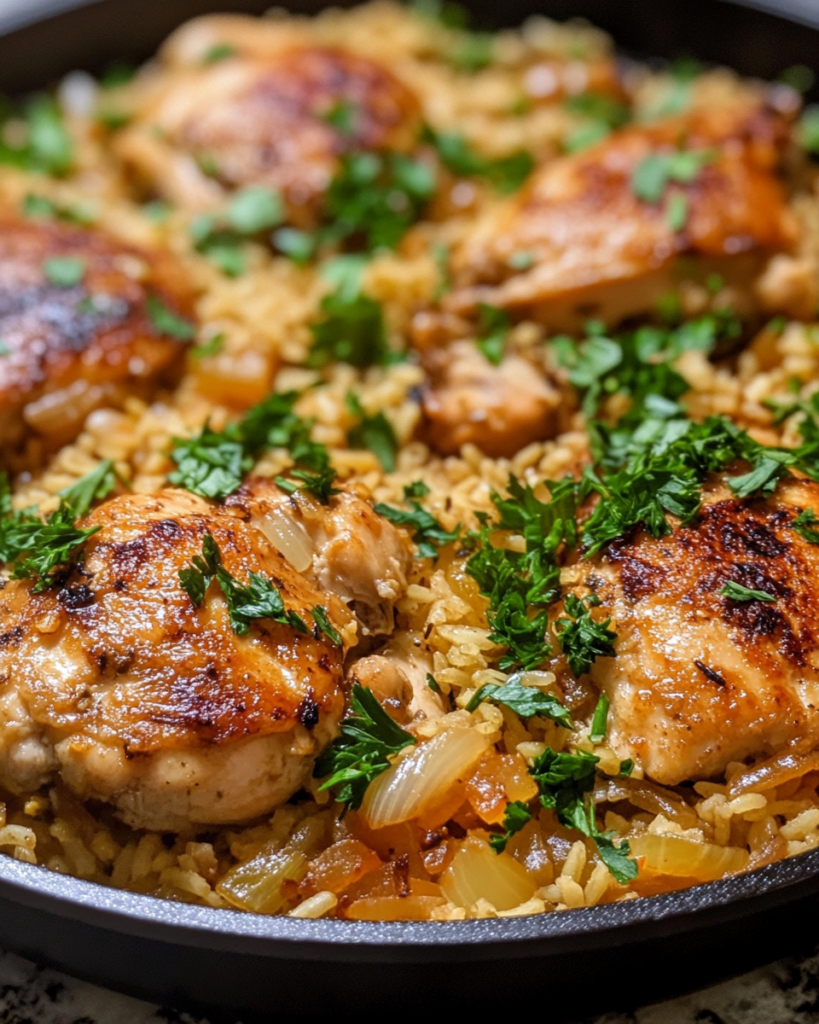
One Pot Chicken and Rice is a hearty family meal that brings tender chicken, fluffy rice, and savory seasonings together in a single pan. This classic dish is popular because it delivers rich flavor with minimal cleanup while providing a balanced combination of protein and grains.

The gentle simmering process allows the rice to absorb chicken juices, broth, and aromatics, creating a satisfying texture throughout the dish. Whether prepared for a weeknight dinner or a relaxed gathering, One Pot Chicken and Rice offers dependable comfort and a warm homemade character that appeals to all ages.

Ingredients Overview
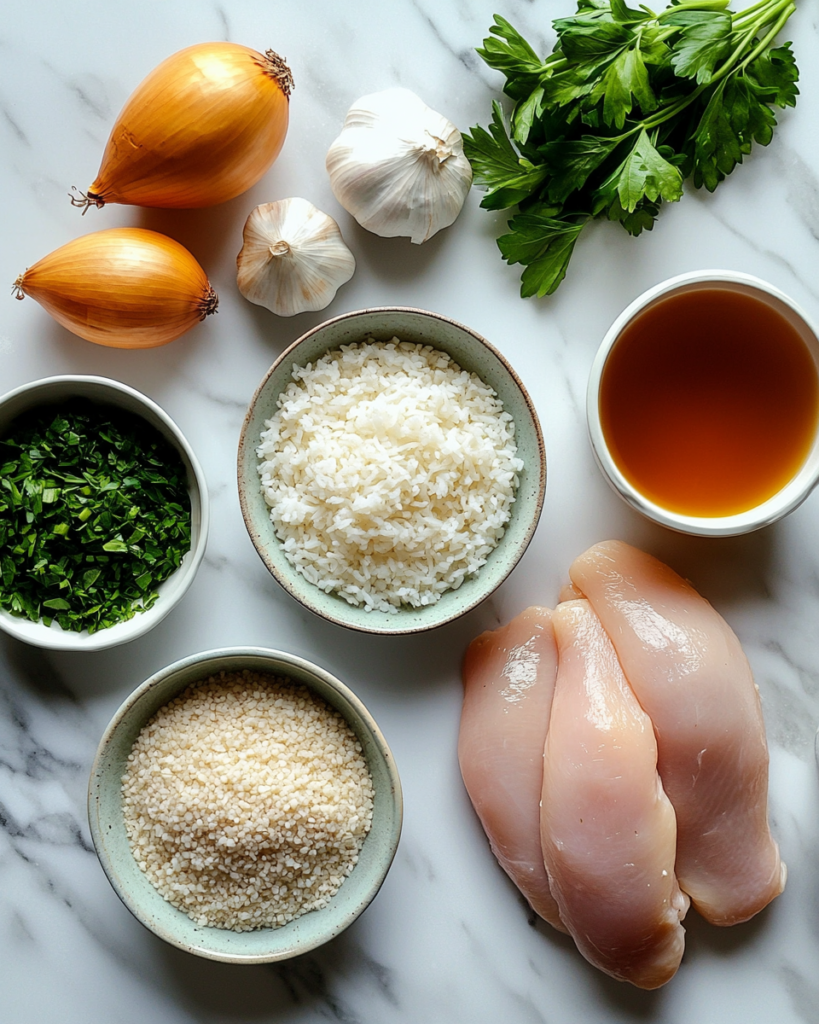
The foundation of One Pot Chicken and Rice begins with bone-in, skin-on chicken thighs. Thighs remain juicy during simmering and contribute depth to the cooking liquid. Boneless thighs may also be used, though cooking duration should be slightly reduced.

Long-grain white rice works particularly well because it cooks evenly while absorbing broth without becoming overly sticky. Jasmine rice is another suitable option that adds a subtle fragrance. Brown rice may be substituted, though additional liquid and cooking duration are usually required.

Onion and garlic create an aromatic base that supports the entire dish. These ingredients soften during cooking and blend into the broth, adding savory notes throughout every spoonful.

Chicken broth provides the primary cooking liquid. As the rice cooks, it absorbs the broth along with rendered chicken juices, creating a rich and cohesive flavor profile.

Carrots and celery contribute gentle sweetness and texture. They also add color and variety without overpowering the chicken.

Paprika, dried thyme, salt, and black pepper create balanced seasoning. Paprika adds mild warmth, thyme contributes an earthy quality, and the salt and pepper tie everything together.

Fresh parsley added near serving brings brightness and visual appeal. A squeeze of lemon may also be added for a lighter finish.

Each ingredient plays a specific role, creating a complete meal with satisfying texture, savory flavor, and appealing presentation.

Ingredients

6 bone-in, skin-on chicken thighs

1 1/2 cups long-grain white rice

1 medium onion, diced

3 cloves garlic, minced

2 medium carrots, diced

2 celery stalks, diced

3 cups chicken broth

1 tablespoon olive oil

1 teaspoon paprika

1 teaspoon dried thyme

1 teaspoon salt

1/2 teaspoon black pepper

2 tablespoons chopped fresh parsley

1 tablespoon lemon juice (optional)

Step-by-Step Instructions
Pat the chicken thighs dry with paper towels. Season both sides with the salt, pepper, paprika, and dried thyme. Dry skin helps the chicken develop attractive browning during the initial cooking stage.

Place a large deep skillet, Dutch oven, or heavy pot over medium-high heat. Add the olive oil. Once heated, place the chicken skin-side down into the pot. Cook for about 5 to 7 minutes until the skin develops a rich golden color. Turn the chicken and cook for another 3 minutes. Transfer the chicken to a plate.

Reduce the heat slightly. Add the diced onion, carrots, and celery to the same pot. Stir frequently for approximately 5 minutes until softened. Add the minced garlic and cook for about 30 seconds, stirring constantly to prevent scorching.

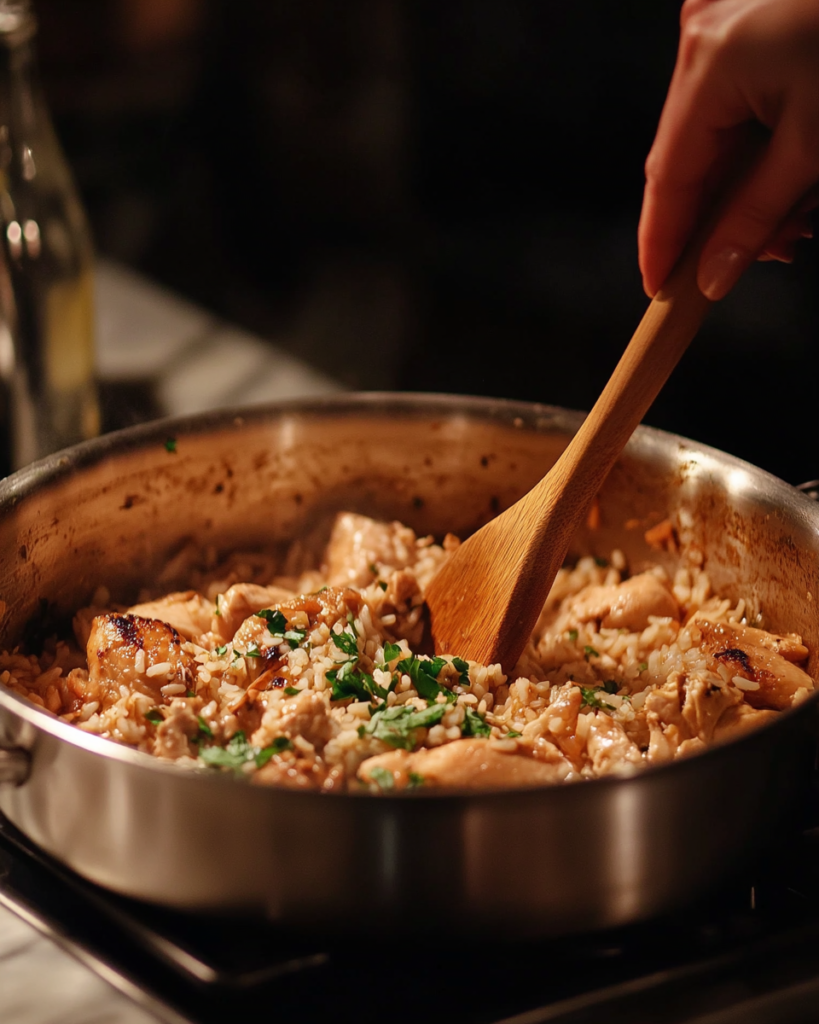
Add the uncooked rice and stir thoroughly. Coating the grains with the vegetable mixture helps create a pleasant texture after cooking.

Pour in the chicken broth and gently scrape any browned bits from the bottom of the pot. These flavorful bits contribute richness to the finished dish.

Return the chicken thighs to the pot, arranging them over the rice mixture. Place the chicken skin-side up so the surface remains appealing during simmering.

Bring the liquid to a gentle simmer. Reduce the heat to low and cover with a tight-fitting lid. Cook for 25 to 30 minutes without lifting the lid frequently. Constant lid removal releases steam and can affect rice texture.

Check the rice near the end of cooking. The grains should appear tender and most of the liquid should be absorbed. The chicken should register 165°F (74°C) in the thickest portion.

If additional liquid remains, uncover the pot and cook for several minutes. If the rice appears slightly firm, add a small splash of broth and continue cooking briefly.

Remove the pot from the heat and allow it to rest for about 10 minutes with the lid in place. This resting period helps the rice settle and finish absorbing moisture.

Sprinkle with fresh parsley and add lemon juice if desired. Fluff the rice gently before serving.

Tips, Variations & Substitutions

Chicken thighs are highly forgiving and remain juicy during extended cooking. Chicken breasts may be substituted, though careful monitoring helps prevent dryness.

For additional vegetables, peas, diced bell peppers, or chopped spinach can be stirred into the rice near the final stage of cooking. These additions provide color and variety while maintaining the character of the dish.

Brown rice is a suitable substitute for white rice. Since brown rice requires a longer cooking duration, additional broth is generally needed. Follow package guidance for the specific variety selected.

For a richer flavor profile, a small amount of butter may be stirred into the rice after cooking. This creates a slightly silkier texture.

Smoked paprika can replace regular paprika for a deeper savory note. Fresh thyme may also replace dried thyme.

A Dutch oven often produces highly consistent results because it distributes heat evenly across the cooking surface. Regardless of cookware selection, maintaining a gentle simmer helps prevent rice from sticking and promotes even cooking.

Serving Ideas & Occasions

One Pot Chicken and Rice pairs beautifully with simple vegetable side dishes. Steamed green beans, roasted broccoli, or a crisp garden salad complement the savory character of the meal without competing for attention.

Warm dinner rolls or crusty bread are useful additions for soaking up flavorful broth remaining in the pot. A light cucumber salad can also provide refreshing contrast.

This dish suits family dinners, casual gatherings, meal preparation sessions, and relaxed weekend meals. Since everything cooks together in a single vessel, it is especially practical during busy schedules.

For beverages, sparkling water with lemon, iced tea, or a light white wine pair nicely with the savory flavors and aromatic herbs found throughout the recipe.

Nutritional & Health Notes

One Pot Chicken and Rice provides a balanced combination of protein, carbohydrates, and vegetables. Chicken thighs contribute protein and satisfying richness, while rice supplies energy-supporting carbohydrates.

Carrots, celery, onion, garlic, and parsley contribute vitamins, minerals, and plant compounds that add nutritional value alongside flavor.

Portion size influences the overall nutritional profile. Serving the dish alongside vegetables can create a balanced plate while adding variety and fiber.

Using low-sodium broth offers greater control over salt content. Skinless chicken thighs may also be selected for a lighter variation.

Since the recipe combines protein, grains, and vegetables within a single pot, it provides a practical option for households seeking a complete meal with straightforward preparation.

FAQs

Can I prepare One Pot Chicken and Rice with boneless chicken?

Yes. Boneless chicken thighs are an excellent alternative and generally cook slightly faster than bone-in pieces. When using boneless thighs, monitor the internal temperature carefully and remove them once they reach 165°F (74°C). Boneless chicken breasts may also be used, though they contain less fat and can become dry if cooked for too long. Keeping the simmer gentle helps maintain moisture. Since bones contribute flavor to the broth, consider selecting a rich chicken stock when using boneless cuts. The overall method remains largely unchanged, and the finished dish still develops a satisfying texture and savory flavor.

Which rice variety works particularly well for this recipe?

Long-grain white rice is often preferred because it absorbs broth efficiently while remaining fluffy. Jasmine rice is another excellent choice that adds a pleasant aroma. Basmati rice can also perform well, though the flavor profile becomes slightly different. Brown rice may be used, but it requires extra liquid and a longer cooking duration. Short-grain rice tends to produce a softer and somewhat stickier texture. Regardless of the variety selected, rinsing the rice before cooking can help remove excess surface starch and support a cleaner finished texture within the pot.

How should leftovers be stored?

Allow the dish to cool before transferring leftovers into airtight containers. Refrigerate promptly and consume within three to four days for optimal quality. During reheating, add a small splash of broth or water to restore moisture because rice naturally absorbs liquid during storage. Reheat gently on the stovetop or in a microwave-safe container until thoroughly heated. Avoid repeated cycles of cooling and reheating, as this can affect both texture and flavor. Proper storage helps preserve the savory character of the dish while keeping the rice pleasantly tender.

Can this recipe be prepared in advance?

Yes, One Pot Chicken and Rice works well for meal preparation. The flavors often become even more developed after resting overnight in the refrigerator. Prepare the recipe according to the directions, allow it to cool, and portion it into storage containers. When ready to serve, reheat with a small amount of broth to maintain a pleasant consistency. Fresh parsley may be added after reheating rather than during storage for a fresher appearance. This approach is especially useful for lunches and planned dinners throughout the week.

Why did my rice turn out too soft?

Rice can become overly soft when excessive liquid is used or when cooking continues beyond the required duration. Accurate measurement of both rice and broth is important. Frequent stirring during the simmering stage can also affect texture because it releases starch from the grains. Maintaining low heat and keeping the lid closed helps create a steady cooking environment. If the rice appears very soft, uncovering the pot briefly near the end can help excess moisture evaporate. Careful attention to liquid ratios generally produces consistently satisfying results.

Can vegetables be added to the dish?

Absolutely. Peas, mushrooms, spinach, bell peppers, and zucchini can all be incorporated successfully. Firmer vegetables such as carrots and celery are usually added near the beginning, while delicate vegetables like spinach are better added during the final minutes of cooking. The selected vegetables may slightly affect moisture levels, though the overall method remains similar. Combining several vegetables can add color, texture, and variety while preserving the comforting character of One Pot Chicken and Rice. Seasonal produce often works particularly well within this flexible recipe.

What is the ideal pot for cooking One Pot Chicken and Rice?

A heavy Dutch oven is often preferred because it distributes heat evenly and retains warmth effectively throughout cooking. Deep skillets with fitted lids also perform well. The primary requirement is adequate depth for both the chicken and rice while allowing liquid to simmer without spilling. Thin cookware can create hot spots that increase the risk of sticking. A secure lid is equally important because trapped steam helps cook the rice properly. Selecting sturdy cookware supports even cooking and contributes to a dependable final result.

[rank_math_breadcrumb]

One Pot Chicken and Rice: 5 Practical Comforting Tips

Photo of author
Author: Olivia
Published:

One Pot Chicken and Rice is a hearty family meal that brings tender chicken, fluffy rice, and savory seasonings together in a single pan. This classic dish is popular because it delivers rich flavor with minimal cleanup while providing a balanced combination of protein and grains.

The gentle simmering process allows the rice to absorb chicken juices, broth, and aromatics, creating a satisfying texture throughout the dish. Whether prepared for a weeknight dinner or a relaxed gathering, One Pot Chicken and Rice offers dependable comfort and a warm homemade character that appeals to all ages.

Ingredients Overview

The foundation of One Pot Chicken and Rice begins with bone-in, skin-on chicken thighs. Thighs remain juicy during simmering and contribute depth to the cooking liquid. Boneless thighs may also be used, though cooking duration should be slightly reduced.

Long-grain white rice works particularly well because it cooks evenly while absorbing broth without becoming overly sticky. Jasmine rice is another suitable option that adds a subtle fragrance. Brown rice may be substituted, though additional liquid and cooking duration are usually required.

Onion and garlic create an aromatic base that supports the entire dish. These ingredients soften during cooking and blend into the broth, adding savory notes throughout every spoonful.

Chicken broth provides the primary cooking liquid. As the rice cooks, it absorbs the broth along with rendered chicken juices, creating a rich and cohesive flavor profile.

Carrots and celery contribute gentle sweetness and texture. They also add color and variety without overpowering the chicken.

Paprika, dried thyme, salt, and black pepper create balanced seasoning. Paprika adds mild warmth, thyme contributes an earthy quality, and the salt and pepper tie everything together.

Fresh parsley added near serving brings brightness and visual appeal. A squeeze of lemon may also be added for a lighter finish.

Each ingredient plays a specific role, creating a complete meal with satisfying texture, savory flavor, and appealing presentation.

Ingredients

6 bone-in, skin-on chicken thighs

1 1/2 cups long-grain white rice

1 medium onion, diced

3 cloves garlic, minced

2 medium carrots, diced

2 celery stalks, diced

3 cups chicken broth

1 tablespoon olive oil

1 teaspoon paprika

1 teaspoon dried thyme

1 teaspoon salt

1/2 teaspoon black pepper

2 tablespoons chopped fresh parsley

1 tablespoon lemon juice (optional)

Step-by-Step Instructions

Pat the chicken thighs dry with paper towels. Season both sides with the salt, pepper, paprika, and dried thyme. Dry skin helps the chicken develop attractive browning during the initial cooking stage.

Place a large deep skillet, Dutch oven, or heavy pot over medium-high heat. Add the olive oil. Once heated, place the chicken skin-side down into the pot. Cook for about 5 to 7 minutes until the skin develops a rich golden color. Turn the chicken and cook for another 3 minutes. Transfer the chicken to a plate.

Reduce the heat slightly. Add the diced onion, carrots, and celery to the same pot. Stir frequently for approximately 5 minutes until softened. Add the minced garlic and cook for about 30 seconds, stirring constantly to prevent scorching.

Add the uncooked rice and stir thoroughly. Coating the grains with the vegetable mixture helps create a pleasant texture after cooking.

Pour in the chicken broth and gently scrape any browned bits from the bottom of the pot. These flavorful bits contribute richness to the finished dish.

Return the chicken thighs to the pot, arranging them over the rice mixture. Place the chicken skin-side up so the surface remains appealing during simmering.

Bring the liquid to a gentle simmer. Reduce the heat to low and cover with a tight-fitting lid. Cook for 25 to 30 minutes without lifting the lid frequently. Constant lid removal releases steam and can affect rice texture.

Check the rice near the end of cooking. The grains should appear tender and most of the liquid should be absorbed. The chicken should register 165°F (74°C) in the thickest portion.

If additional liquid remains, uncover the pot and cook for several minutes. If the rice appears slightly firm, add a small splash of broth and continue cooking briefly.

Remove the pot from the heat and allow it to rest for about 10 minutes with the lid in place. This resting period helps the rice settle and finish absorbing moisture.

Sprinkle with fresh parsley and add lemon juice if desired. Fluff the rice gently before serving.

Tips, Variations & Substitutions

Chicken thighs are highly forgiving and remain juicy during extended cooking. Chicken breasts may be substituted, though careful monitoring helps prevent dryness.

For additional vegetables, peas, diced bell peppers, or chopped spinach can be stirred into the rice near the final stage of cooking. These additions provide color and variety while maintaining the character of the dish.

Brown rice is a suitable substitute for white rice. Since brown rice requires a longer cooking duration, additional broth is generally needed. Follow package guidance for the specific variety selected.

For a richer flavor profile, a small amount of butter may be stirred into the rice after cooking. This creates a slightly silkier texture.

Smoked paprika can replace regular paprika for a deeper savory note. Fresh thyme may also replace dried thyme.

A Dutch oven often produces highly consistent results because it distributes heat evenly across the cooking surface. Regardless of cookware selection, maintaining a gentle simmer helps prevent rice from sticking and promotes even cooking.

Serving Ideas & Occasions

One Pot Chicken and Rice pairs beautifully with simple vegetable side dishes. Steamed green beans, roasted broccoli, or a crisp garden salad complement the savory character of the meal without competing for attention.

Warm dinner rolls or crusty bread are useful additions for soaking up flavorful broth remaining in the pot. A light cucumber salad can also provide refreshing contrast.

This dish suits family dinners, casual gatherings, meal preparation sessions, and relaxed weekend meals. Since everything cooks together in a single vessel, it is especially practical during busy schedules.

For beverages, sparkling water with lemon, iced tea, or a light white wine pair nicely with the savory flavors and aromatic herbs found throughout the recipe.

Nutritional & Health Notes

One Pot Chicken and Rice provides a balanced combination of protein, carbohydrates, and vegetables. Chicken thighs contribute protein and satisfying richness, while rice supplies energy-supporting carbohydrates.

Carrots, celery, onion, garlic, and parsley contribute vitamins, minerals, and plant compounds that add nutritional value alongside flavor.

Portion size influences the overall nutritional profile. Serving the dish alongside vegetables can create a balanced plate while adding variety and fiber.

Using low-sodium broth offers greater control over salt content. Skinless chicken thighs may also be selected for a lighter variation.

Since the recipe combines protein, grains, and vegetables within a single pot, it provides a practical option for households seeking a complete meal with straightforward preparation.

FAQs

Can I prepare One Pot Chicken and Rice with boneless chicken?

Yes. Boneless chicken thighs are an excellent alternative and generally cook slightly faster than bone-in pieces. When using boneless thighs, monitor the internal temperature carefully and remove them once they reach 165°F (74°C). Boneless chicken breasts may also be used, though they contain less fat and can become dry if cooked for too long. Keeping the simmer gentle helps maintain moisture. Since bones contribute flavor to the broth, consider selecting a rich chicken stock when using boneless cuts. The overall method remains largely unchanged, and the finished dish still develops a satisfying texture and savory flavor.

Which rice variety works particularly well for this recipe?

Long-grain white rice is often preferred because it absorbs broth efficiently while remaining fluffy. Jasmine rice is another excellent choice that adds a pleasant aroma. Basmati rice can also perform well, though the flavor profile becomes slightly different. Brown rice may be used, but it requires extra liquid and a longer cooking duration. Short-grain rice tends to produce a softer and somewhat stickier texture. Regardless of the variety selected, rinsing the rice before cooking can help remove excess surface starch and support a cleaner finished texture within the pot.

How should leftovers be stored?

Allow the dish to cool before transferring leftovers into airtight containers. Refrigerate promptly and consume within three to four days for optimal quality. During reheating, add a small splash of broth or water to restore moisture because rice naturally absorbs liquid during storage. Reheat gently on the stovetop or in a microwave-safe container until thoroughly heated. Avoid repeated cycles of cooling and reheating, as this can affect both texture and flavor. Proper storage helps preserve the savory character of the dish while keeping the rice pleasantly tender.

Can this recipe be prepared in advance?

Yes, One Pot Chicken and Rice works well for meal preparation. The flavors often become even more developed after resting overnight in the refrigerator. Prepare the recipe according to the directions, allow it to cool, and portion it into storage containers. When ready to serve, reheat with a small amount of broth to maintain a pleasant consistency. Fresh parsley may be added after reheating rather than during storage for a fresher appearance. This approach is especially useful for lunches and planned dinners throughout the week.

Why did my rice turn out too soft?

Rice can become overly soft when excessive liquid is used or when cooking continues beyond the required duration. Accurate measurement of both rice and broth is important. Frequent stirring during the simmering stage can also affect texture because it releases starch from the grains. Maintaining low heat and keeping the lid closed helps create a steady cooking environment. If the rice appears very soft, uncovering the pot briefly near the end can help excess moisture evaporate. Careful attention to liquid ratios generally produces consistently satisfying results.

Can vegetables be added to the dish?

Absolutely. Peas, mushrooms, spinach, bell peppers, and zucchini can all be incorporated successfully. Firmer vegetables such as carrots and celery are usually added near the beginning, while delicate vegetables like spinach are better added during the final minutes of cooking. The selected vegetables may slightly affect moisture levels, though the overall method remains similar. Combining several vegetables can add color, texture, and variety while preserving the comforting character of One Pot Chicken and Rice. Seasonal produce often works particularly well within this flexible recipe.

What is the ideal pot for cooking One Pot Chicken and Rice?

A heavy Dutch oven is often preferred because it distributes heat evenly and retains warmth effectively throughout cooking. Deep skillets with fitted lids also perform well. The primary requirement is adequate depth for both the chicken and rice while allowing liquid to simmer without spilling. Thin cookware can create hot spots that increase the risk of sticking. A secure lid is equally important because trapped steam helps cook the rice properly. Selecting sturdy cookware supports even cooking and contributes to a dependable final result.
Name

Lorem ipsum dolor sit amet, consectetur adipiscing elit. Suspendisse varius enim in eros elementum tristique. Duis cursus, mi quis viverra ornare, eros dolor interdum nulla, ut commodo diam libero vitae erat.

You Might Also Like...

Healthy Avocado Chicken Rice Bowl: 7 Simple Devoted Meals

Healthy Avocado Chicken Rice Bowl: 7 Simple Devoted Meals

Chicken Enchilada Rice Bake: 5 Authentic Comforting Dinners

Chicken Enchilada Rice Bake: 5 Authentic Comforting Dinners

Sweet Chili Chicken Rice Bowls: 30-Minute Authentic Comfort

Sweet Chili Chicken Rice Bowls: 30-Minute Authentic Comfort

Creamy Cajun Chicken Rice: 1 Authentic Comforting Dish

Creamy Cajun Chicken Rice: 1 Authentic Comforting Dish

Tags:

You might also like these recipes

Leave a Comment