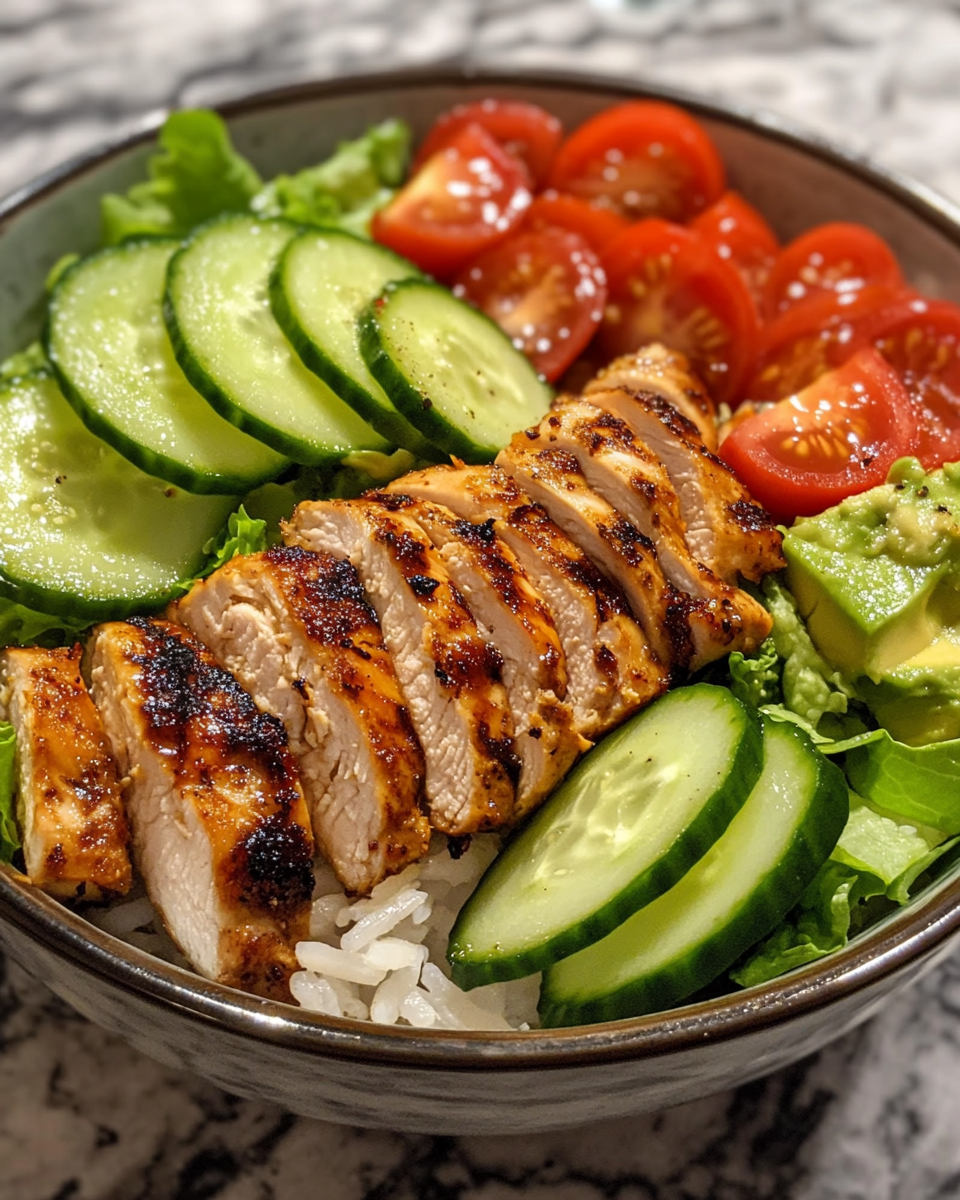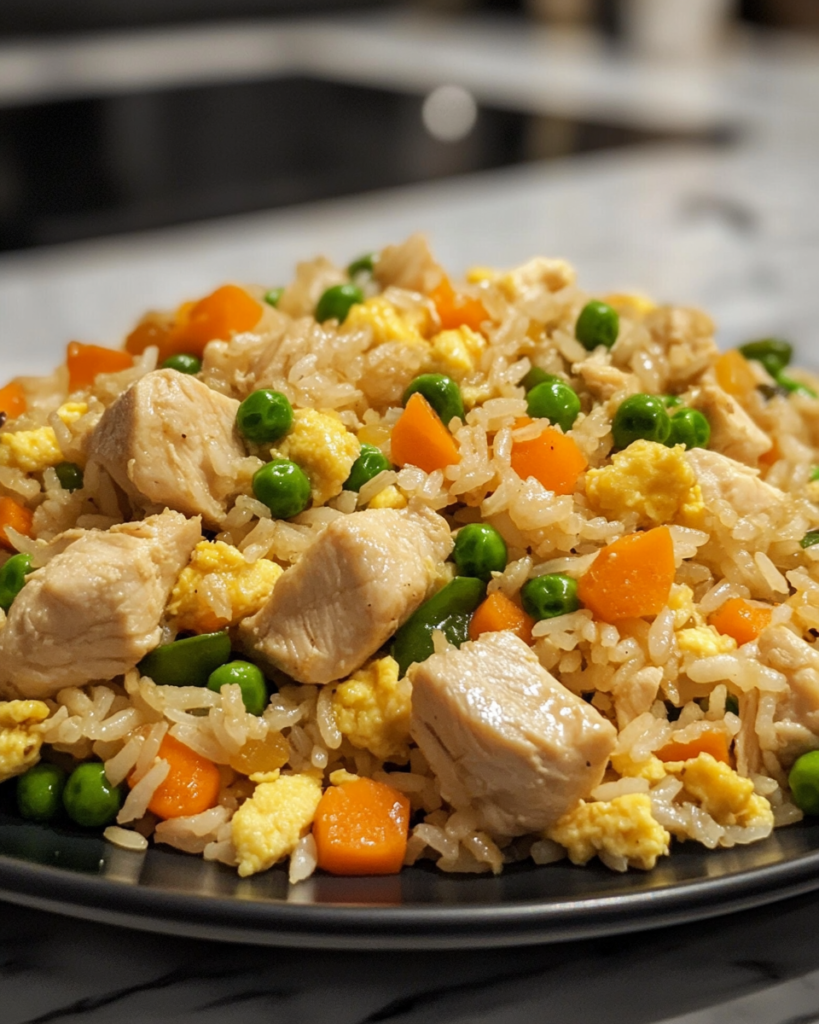
Healthy Chicken Fried Rice brings together tender chicken, crisp vegetables, fluffy rice, and a lightly savory sauce within a single skillet. This lighter variation keeps classic flavor while trimming excess oil and relying on wholesome ingredients that support balanced eating without sacrificing texture or satisfaction.
Cold cooked rice creates the signature lightly chewy texture associated with restaurant-style fried rice. Lean chicken breast contributes hearty protein, while colorful vegetables provide freshness and gentle sweetness. A brief skillet toss over medium-high heat allows every grain to absorb flavor without becoming heavy or greasy.
This dish fits busy weeknight schedules, meal-prep routines, casual family dinners, and midday lunches. Since everything cooks rapidly, ingredient preparation before heating the skillet helps the cooking process remain smooth from start to finish.
Ingredients Overview
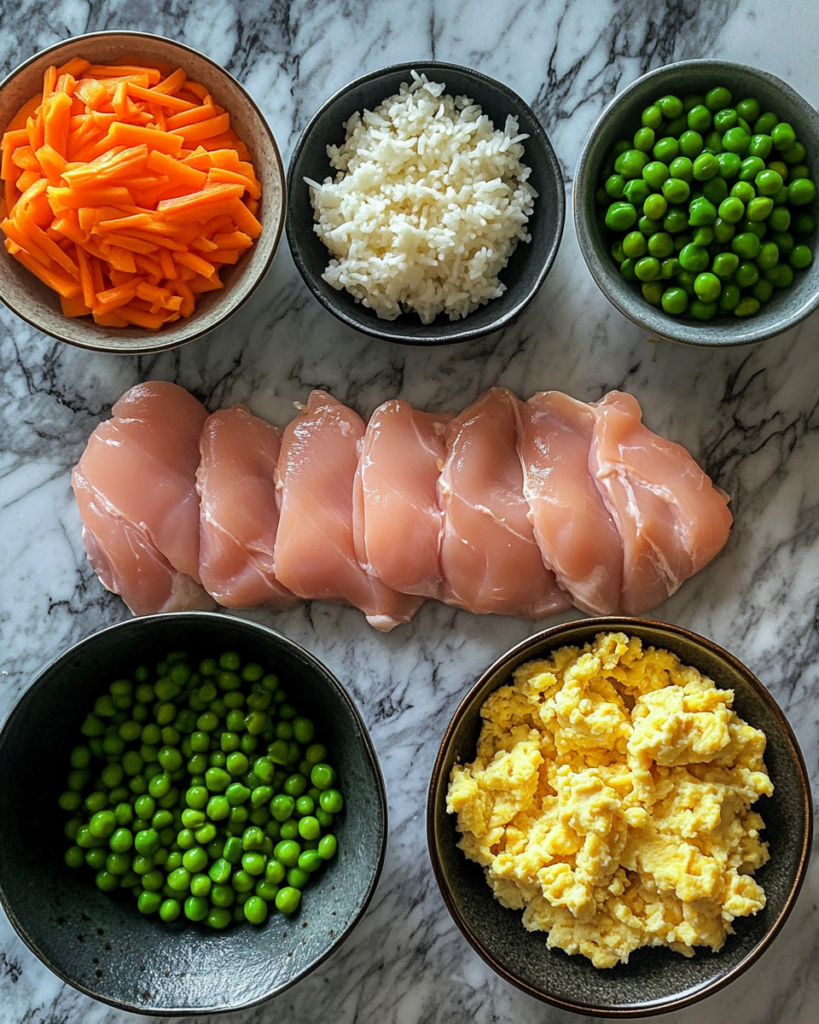
Rice serves as the structural foundation for Healthy Chicken Fried Rice. Chilled jasmine or brown rice works particularly well because cooler grains remain separated during skillet cooking. Freshly cooked warm rice often turns sticky once exposed to heat and sauce, so refrigerated rice from the previous evening delivers stronger texture.
Chicken breast supplies lean protein while staying tender through quick cooking. Boneless chicken thighs also perform nicely for diners preferring richer flavor. A brief seasoning of garlic, pepper, and soy sauce allows the chicken pieces to absorb flavor before entering the skillet.
Vegetables contribute brightness, texture, and nutritional balance. Carrots bring gentle sweetness, peas add soft texture, and green onions provide mild sharpness. Bell peppers, cabbage, mushrooms, or edamame can easily join the mixture depending upon seasonal availability.
Eggs create traditional fried rice richness while helping bind ingredients together naturally. Light soy sauce provides savory depth, while sesame oil adds a subtle toasted aroma. Fresh ginger contributes warmth without overpowering the dish.
Using avocado oil or olive oil keeps the recipe lighter than takeout variations that rely heavily upon butter or large amounts of frying oil. Low-sodium soy sauce helps control salt levels while preserving balanced savory flavor.
A final sprinkle of green onions and sesame seeds introduces freshness alongside slight crunch. Every ingredient supports the dish through flavor, texture, color, or nutritional value, creating a complete skillet meal suitable for repeated weekly cooking.
Ingredients
2 cups cooked brown rice, chilled
1 pound boneless skinless chicken breast, diced
2 teaspoons low-sodium soy sauce
1/2 teaspoon black pepper
1 tablespoon olive oil
2 large eggs, lightly beaten
1 small carrot, finely diced
1/2 cup frozen peas
1/2 cup diced red bell pepper
3 green onions, sliced
2 cloves garlic, minced
1 teaspoon fresh ginger, grated
3 tablespoons low-sodium soy sauce
1 teaspoon sesame oil
1 teaspoon rice vinegar
1 tablespoon chopped cilantro
1 teaspoon sesame seeds
Step-by-Step Instructions
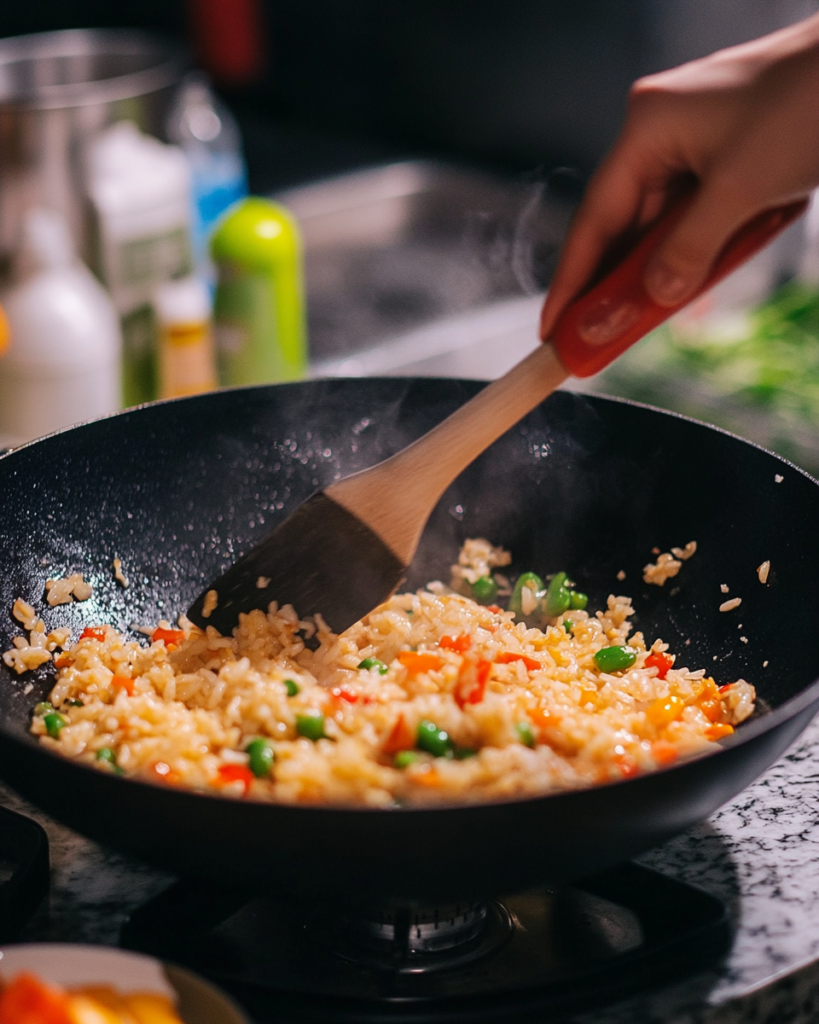
Place chilled rice inside a bowl and gently separate clumps using clean hands or a fork. Individual grains cook far better inside the skillet and develop the lightly toasted texture associated with traditional fried rice.
Transfer diced chicken into another bowl. Stir together the chicken, two teaspoons soy sauce, and black pepper. Allow the mixture to rest for roughly ten minutes while preparing remaining ingredients.
Warm a large skillet or wok over medium-high heat. Add half the olive oil. Once the oil shimmers lightly, spread the chicken across the surface in a single layer. Cook for roughly four to five minutes, stirring occasionally, until the chicken turns lightly golden and reaches full doneness. Remove the chicken from the skillet and place aside temporarily.
Reduce heat slightly. Add the remaining oil followed by garlic, ginger, carrot, and bell pepper. Stir continuously for two minutes until fragrant and slightly softened. Avoid prolonged cooking during this stage because vegetables should retain mild crispness rather than becoming limp.
Push vegetables toward one side of the skillet. Pour beaten eggs into the empty portion. Stir gently until softly set. Combine eggs with the vegetables once fully cooked.
Add chilled rice gradually, breaking apart lingering clumps with a spatula. Stir thoroughly so vegetables and eggs distribute evenly throughout the grains. Allow the rice to remain undisturbed for thirty seconds between stirs so portions lightly toast against the skillet surface.
Return cooked chicken to the skillet alongside peas. Stir together soy sauce, sesame oil, and rice vinegar inside a small bowl, then drizzle across the rice mixture. Toss continuously for another two to three minutes until everything appears evenly coated and heated throughout.
Taste the rice before adding additional soy sauce. Since sodium levels vary among brands, gradual seasoning prevents overpowering saltiness. Scatter green onions, cilantro, and sesame seeds across the finished dish shortly before serving.
Avoid overcrowding the skillet because crowded ingredients steam instead of lightly frying. Working over moderate heat also prevents burned garlic and uneven rice texture. Properly chilled rice, measured sauce quantities, and rapid stirring produce balanced flavor alongside distinct grains rather than sticky clusters.
Tips, Variations & Substitutions
Brown rice contributes additional fiber and slightly nutty flavor, though jasmine rice delivers a softer classic texture. Cauliflower rice functions nicely for lower-carbohydrate eating plans, though cooking duration should decrease slightly because cauliflower softens rapidly.
Chicken thighs remain juicy during skillet cooking and suit diners preferring deeper flavor. Shrimp, turkey, tofu, or edamame also work beautifully within this framework. For vegetarian preparation, replace chicken entirely with tofu cubes and increase vegetable quantities slightly.
Tamari substitutes smoothly for soy sauce within gluten-conscious cooking routines. Coconut aminos provide a milder savory profile with subtle sweetness. Fresh ginger delivers brighter flavor than powdered ginger, though powdered ginger remains acceptable during busy evenings.
Keeping ingredients chopped before heating the skillet simplifies the cooking flow dramatically because fried rice cooks rapidly once started. Using high heat briefly toward the final minute creates gentle toasted notes without drying the ingredients.
Leftover roasted vegetables blend naturally into the rice and reduce food waste. Corn kernels, shredded cabbage, spinach, broccoli florets, or mushrooms each contribute distinct texture and color. A small squeeze of lime shortly before serving introduces refreshing brightness.
Portioning the finished fried rice into storage containers creates practical grab-and-go lunches throughout the week. Refrigerated leftovers typically remain enjoyable for roughly three days when stored within airtight containers.
Serving Ideas & Occasions
Healthy Chicken Fried Rice pairs nicely with cucumber salad, steamed broccoli, roasted snap peas, or light cabbage slaw. Since the rice already includes protein, vegetables, and grains, side dishes can remain simple and fresh.
Sparkling water with citrus slices, chilled green tea, or lightly brewed jasmine tea complement the savory flavor profile particularly well. During cooler evenings, a small bowl of miso soup alongside the rice creates a comforting dinner combination.
This recipe suits weeknight dinners because cooking time remains relatively short once ingredients reach the skillet. It also performs wonderfully for meal-prep schedules since reheated portions maintain pleasant texture and flavor.
Large gatherings benefit from fried rice because the recipe scales easily for additional servings. Family movie evenings, casual lunches, and post-workout dinners all pair naturally with this hearty yet balanced skillet meal.
Nutritional & Health Notes
Healthy Chicken Fried Rice contains lean protein from chicken breast alongside fiber-rich vegetables and whole-grain brown rice. Compared with restaurant-style fried rice, this variation relies upon restrained oil quantities and moderate sodium levels.
Carrots and bell peppers contribute vitamin-rich color while peas add plant-based nutrients and texture. Brown rice provides lasting fullness thanks to its fiber content, supporting balanced energy throughout the day.
Using low-sodium soy sauce helps moderate salt intake without sacrificing savory flavor. Sesame oil contributes aroma through a modest quantity, allowing the dish to remain lighter overall.
Since this meal combines carbohydrates, protein, and vegetables within one skillet, it functions as a balanced option for lunch or dinner. Portion size still matters, especially alongside additional sauces or side dishes.
Home preparation also allows direct control over ingredient quality, oil quantity, and sodium content. Fresh vegetables and lean protein choices contribute stronger nutritional balance than many takeout versions.
FAQs
Can freshly cooked rice replace chilled rice?
Freshly cooked rice technically works, though texture differs noticeably. Warm rice carries extra surface moisture, causing grains to cling together once exposed to skillet heat and sauce. Chilled rice from the previous evening dries slightly within refrigeration, allowing grains to separate more cleanly during cooking.
If only fresh rice remains available, spread it across a baking sheet and allow it to cool thoroughly before skillet cooking. Roughly thirty minutes inside refrigeration also helps reduce moisture. Avoid over-stirring because excessive movement breaks delicate grains and creates a softer texture. Slightly firm rice consistently produces stronger fried rice results with clearer grain separation and gentle toasted flavor.
Which vegetables pair nicely with Healthy Chicken Fried Rice?
This recipe welcomes numerous vegetable combinations depending upon seasonal availability and household preferences. Broccoli florets, shredded cabbage, mushrooms, zucchini, corn kernels, snap peas, spinach, and edamame all blend smoothly into the skillet mixture.
Vegetables containing higher moisture levels should cook briefly so the rice avoids sogginess. Mushrooms benefit from separate sautéing before combining with remaining ingredients because they release moisture during cooking. Frozen vegetables work conveniently for busy schedules and generally require minimal preparation. A colorful combination usually delivers balanced texture alongside appealing presentation without requiring complicated preparation steps or lengthy cooking durations.
How should leftovers remain stored?
Allow leftover fried rice to cool slightly before transferring it into airtight storage containers. Refrigeration within two hours after cooking supports food freshness and texture quality. Properly refrigerated portions generally remain enjoyable for roughly three days.
Reheating inside a skillet often restores texture more effectively than microwave warming because direct heat lightly crisps portions of the rice again. A small splash of water or soy sauce during reheating helps revive moisture without creating sogginess. Avoid repeated reheating cycles because repeated temperature changes gradually weaken texture and flavor quality across the rice and vegetables.
Can frozen rice function within this recipe?
Frozen rice works surprisingly well for fried rice preparation because freezing removes excess moisture from the grains. Thaw the rice partially before adding it into the skillet so the grains separate more comfortably during stirring.
Break apart frozen clusters gently using clean hands or a fork before cooking. Since frozen rice often begins colder than refrigerated rice, additional skillet time may become necessary for thorough heating. Watch texture closely and stir steadily so all portions heat evenly. Frozen brown rice packets from grocery stores provide particularly convenient shortcuts during hectic evenings when rapid meal preparation matters.
Which protein alternatives work besides chicken?
Shrimp cooks rapidly and contributes delicate sweetness that pairs beautifully with sesame and soy sauce. Lean turkey, diced pork tenderloin, tofu cubes, and scrambled extra eggs also perform nicely inside the recipe.
Tofu benefits from pressing before cooking because removing moisture allows stronger browning within the skillet. Shrimp should cook only until pink and firm to avoid rubbery texture. Thinly sliced steak also functions nicely when cooked quickly over moderately high heat. Since the sauce remains balanced and flexible, numerous proteins integrate naturally without requiring major ingredient adjustments or complicated preparation changes.
How can sodium remain lower without losing flavor?
Lower-sodium soy sauce provides an easy starting point for reducing salt content. Garlic, ginger, sesame oil, green onions, and rice vinegar all contribute flavor complexity, allowing smaller soy sauce quantities while maintaining satisfying savory character.
Fresh herbs such as cilantro or parsley brighten the finished rice naturally. Unsalted cooked rice also helps moderate total sodium levels throughout the meal. Rather than pouring additional soy sauce directly into the skillet immediately, taste the rice first because flavors strengthen during cooking. Gradual seasoning generally creates stronger balance than heavy sauce additions introduced too early during preparation.
Is Healthy Chicken Fried Rice suitable for meal preparation?
Healthy Chicken Fried Rice functions extremely well for meal preparation because ingredients hold texture nicely after refrigeration. Dividing portions into individual containers supports convenient lunches or quick evening dinners throughout busy schedules.
Cooling the rice before sealing containers prevents excess condensation that could soften texture later. Reheated portions remain flavorful when warmed gently inside a skillet or microwave. Adding fresh green onions shortly before serving revives color and freshness after storage. Since the dish already contains protein, vegetables, and grains, it creates a practical complete meal without requiring extensive side dishes during the week.