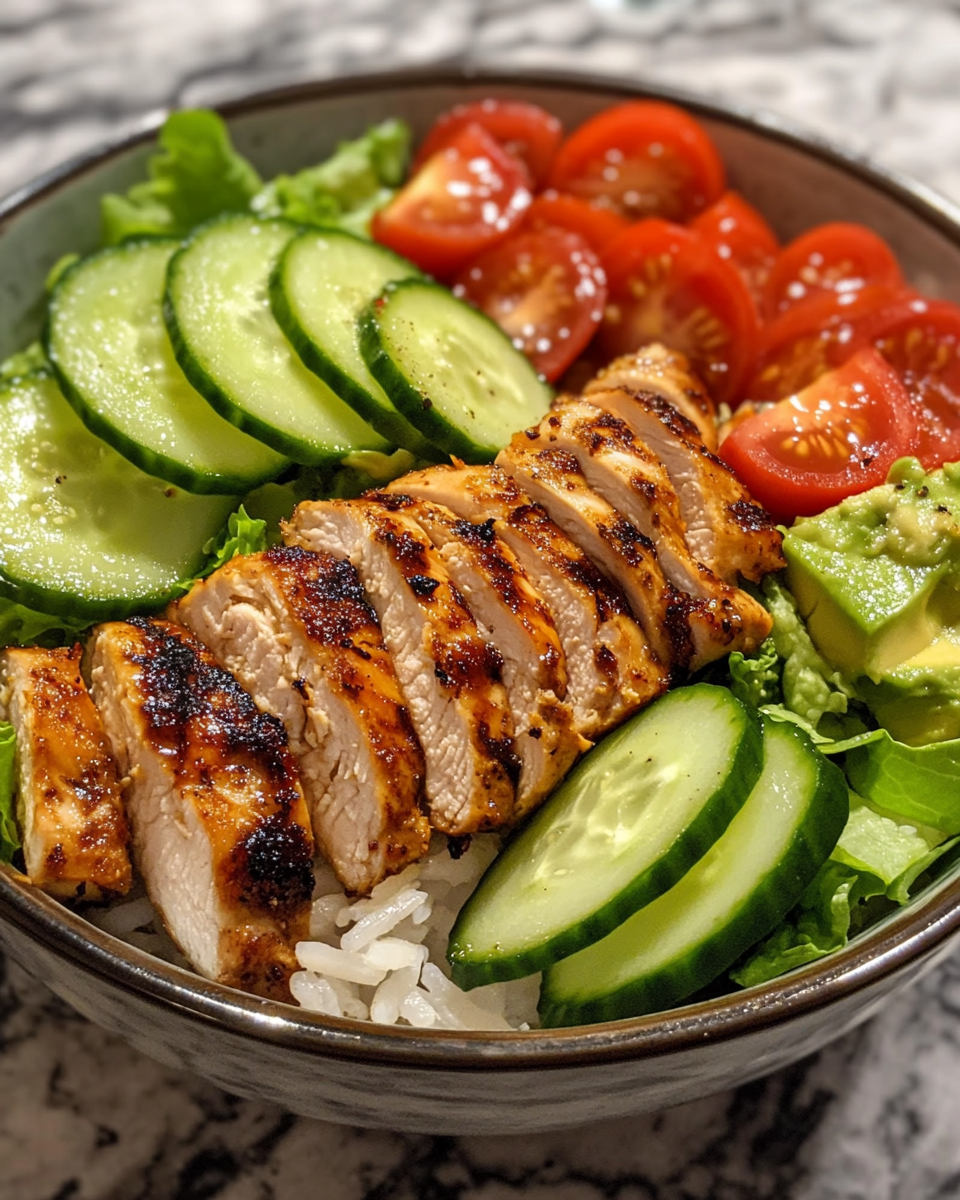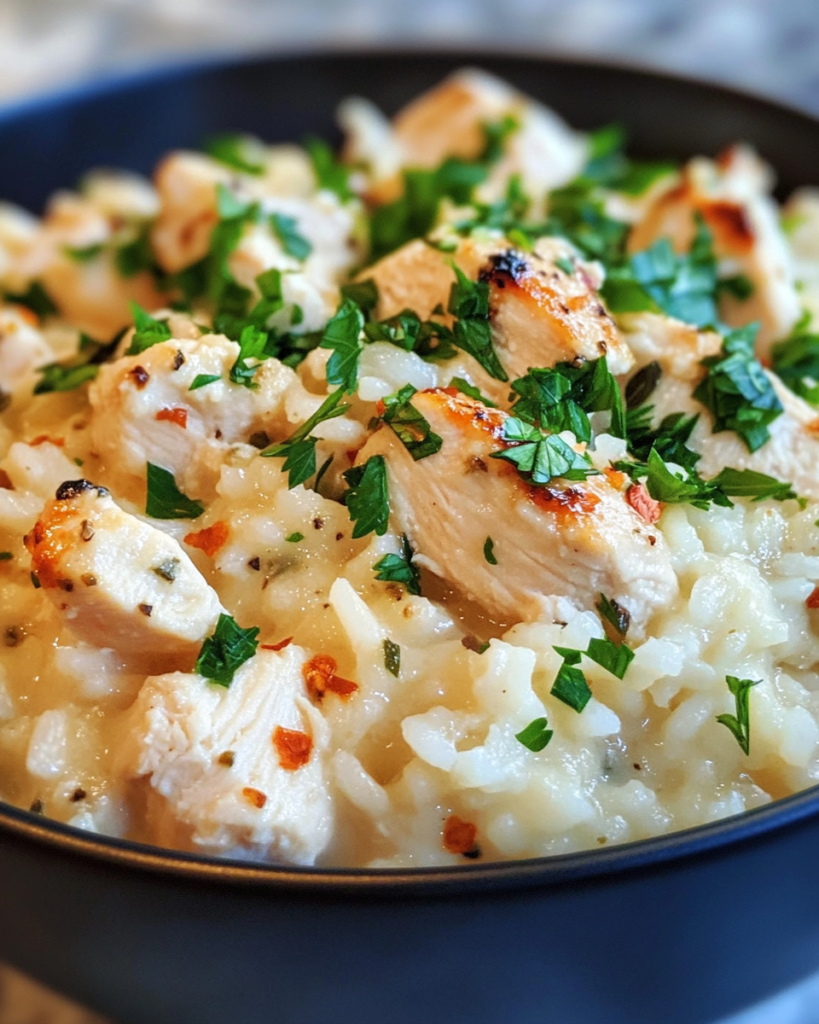
Garlic Chicken Alfredo Rice Bowls bring creamy sauce, tender chicken, and fluffy rice together in a filling dish suited for busy weekdays. The rich Alfredo coating pairs beautifully with savory garlic and juicy chicken pieces, while rice gives the bowls a satisfying base that reheats nicely during the week.
These bowls fit lunch prep, family dinners, or evening meals after long workdays. Since the ingredients hold their texture well after refrigeration, the recipe stays practical for batch cooking. Fresh parsley and parmesan add extra richness without requiring difficult preparation steps.
The recipe also allows plenty of flexibility. Broccoli, spinach, peas, or mushrooms blend nicely into the creamy sauce. Brown rice, white rice, or cauliflower rice all work comfortably depending on personal preference.
Ingredients Overview
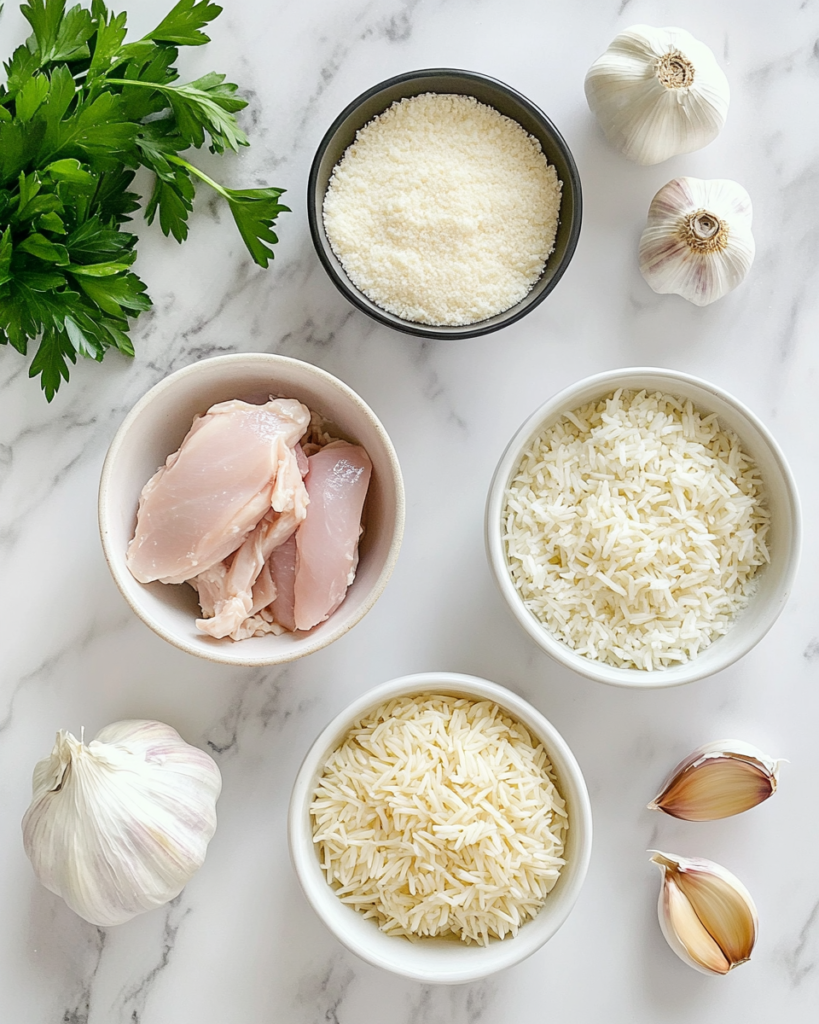
Chicken breast creates the protein foundation for these rice bowls. Boneless skinless chicken cooks quickly and stays tender when sliced into bite-sized pieces. Chicken thighs also work nicely because their slightly richer texture remains juicy after reheating. Proper seasoning helps the chicken balance the creamy Alfredo sauce without becoming bland.
Garlic gives the recipe deep savory flavor. Fresh minced garlic delivers stronger aroma than jarred garlic, though both work in this dish. Cooking the garlic briefly in butter allows its flavor to spread through the sauce without becoming bitter.
Heavy cream and parmesan cheese create the Alfredo sauce. Heavy cream forms a silky texture that coats the rice and chicken evenly. Freshly grated parmesan melts more smoothly than pre-shredded cheese because it contains fewer anti-caking ingredients. A small amount of cream cheese may also create extra richness.
Rice adds hearty texture and helps absorb the creamy sauce. Long-grain white rice stays fluffy and soft, while brown rice brings slightly nuttier flavor. Jasmine rice pairs particularly well with garlic Alfredo because of its subtle aroma.
Butter adds richness and helps the garlic cook gently. Italian seasoning, salt, and black pepper round out the flavor profile without overpowering the creamy sauce. Parsley adds brightness at the end of cooking, giving balance to the rich ingredients.
Vegetables such as broccoli, peas, or spinach can easily blend into the bowls for added color and texture. These additions also help create a fuller meal suitable for lunch or dinner portions.
Ingredients
1 1/2 pounds boneless skinless chicken breast, diced
2 tablespoons butter
4 cloves garlic, minced
1 teaspoon salt
1/2 teaspoon black pepper
1 teaspoon Italian seasoning
2 cups heavy cream
1 cup freshly grated parmesan cheese
4 ounces cream cheese
3 cups cooked jasmine rice
1 tablespoon chopped parsley
1 cup steamed broccoli florets
Optional topping: extra parmesan cheese
Step-by-Step Instructions
Begin by cooking the rice according to package directions if it has not already been prepared. Warm rice spreads evenly into meal prep containers and absorbs sauce nicely.
Pat the chicken dry with paper towels before seasoning. Dry chicken browns more evenly inside the skillet. Sprinkle the chicken pieces with salt, black pepper, and Italian seasoning.
Place a large skillet over medium heat. Melt the butter until lightly bubbling. Add the seasoned chicken and cook for about 6 to 8 minutes, stirring occasionally. The chicken should develop light golden edges while remaining juicy inside. Avoid overcrowding the skillet because crowded chicken releases excess moisture instead of browning properly.
Once the chicken reaches an internal temperature of 165 degrees Fahrenheit, transfer it temporarily onto a plate. Keep the skillet on medium-low heat.
Add the minced garlic to the remaining butter inside the skillet. Stir constantly for about 30 seconds. Garlic cooks quickly, so prolonged heat may create bitterness.
Pour the heavy cream into the skillet and stir gently. Add the cream cheese in small pieces so it melts smoothly into the sauce. Continue stirring until the mixture becomes creamy and evenly blended.
Slowly stir in the parmesan cheese. Add small handfuls at a time while whisking gently. The sauce should become thick enough to coat the back of a spoon. If the sauce thickens too heavily, stir in a splash of milk.
Return the cooked chicken to the skillet along with the steamed broccoli. Stir until the chicken becomes coated fully in the Alfredo sauce. Simmer gently for another 2 to 3 minutes so the flavors blend together.
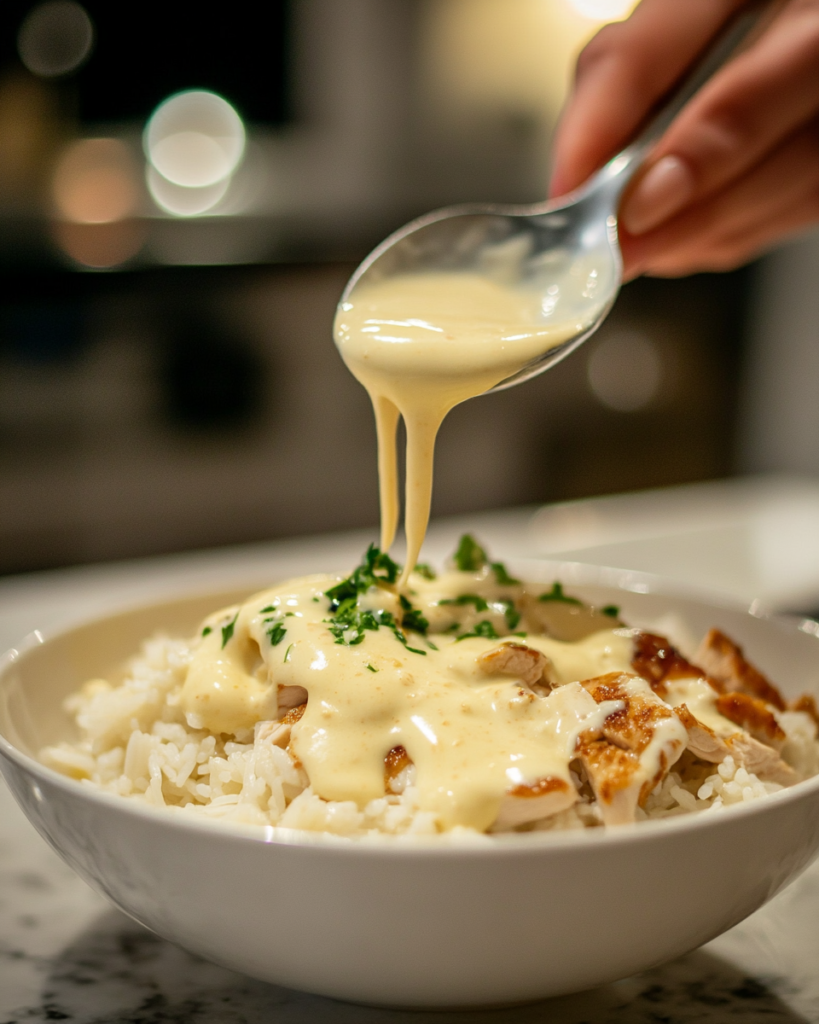
Divide the rice evenly among meal prep containers or serving bowls. Spoon the creamy chicken Alfredo mixture over the rice. Scatter parsley across the tops along with extra parmesan if desired.
Allow meal prep containers to cool slightly before refrigeration. Storing very hot containers immediately may create extra condensation inside the bowls.
Reheat refrigerated bowls in the microwave for about 1 to 2 minutes, stirring halfway through heating. A small splash of milk during reheating helps refresh the creamy texture if the sauce thickens inside the refrigerator.
One frequent issue comes from overheating the parmesan cheese. High heat may cause grainy sauce instead of silky Alfredo. Gentle heat and gradual cheese addition create smoother texture. Another common mistake involves overcooking the chicken, which can create dryness after reheating.
Tips, Variations & Substitutions
Chicken thighs create slightly richer flavor and stay tender for several days after refrigeration. Rotisserie chicken may also shorten preparation time considerably since the chicken only needs warming inside the sauce.
For lighter bowls, half-and-half may replace part of the heavy cream, though the sauce becomes slightly thinner. Cauliflower rice works nicely for a lower-carbohydrate option while still pairing comfortably with the creamy sauce.
Broccoli, spinach, mushrooms, peas, or roasted zucchini all blend nicely into the Alfredo mixture. Spinach cooks particularly quickly because it wilts directly into the warm sauce within minutes.
Cajun seasoning can create a slightly smoky version of the bowls. Red pepper flakes also add mild heat without overpowering the garlic flavor. Fresh basil or chives provide fresh finishing flavor before serving.
For thicker sauce, simmer the Alfredo mixture slightly longer before adding the chicken back into the skillet. If thinner sauce is preferred, stir in milk gradually until the desired consistency appears.
Glass meal prep containers usually reheat evenly and help preserve texture throughout the week. Keeping toppings separate until serving also helps maintain freshness.
Serving Ideas & Occasions
These rice bowls fit weekday lunches, evening dinners, or weekend batch cooking sessions. Since the sauce reheats smoothly, the bowls travel comfortably for office lunches or packed meals.
Garlic bread pairs naturally with the creamy Alfredo sauce for larger dinner portions. A crisp green salad with light vinaigrette balances the richness of the dish nicely. Roasted asparagus or green beans also work comfortably alongside the bowls.
Sparkling water with lemon or lightly brewed iced tea pairs nicely with the savory garlic flavor. During colder months, the creamy texture makes these bowls particularly comforting for evening meals.
Families often enjoy topping the bowls individually with parsley, parmesan, or chili flakes. The simple ingredient list also makes the recipe practical for meal preparation during busy weeks.
Nutritional & Health Notes
Garlic Chicken Alfredo Rice Bowls contain protein, carbohydrates, and fats that create filling portions suitable for lunch or dinner. Chicken breast supplies lean protein that supports balanced meals while remaining fairly low in saturated fat.
Rice contributes carbohydrates that provide steady energy throughout the day. Brown rice may raise fiber content slightly for those seeking additional whole grains.
Heavy cream and parmesan cheese create the creamy Alfredo texture while adding calcium and richness. Since Alfredo sauce contains higher fat content, moderate portions may fit comfortably alongside vegetables and balanced side dishes.
Broccoli contributes fiber, vitamin C, and color without adding many calories. Adding extra vegetables can increase volume while balancing the richness of the sauce.
Homemade Alfredo bowls also allow closer control over sodium and ingredient quality compared with many restaurant versions or frozen meals.
FAQs
Can I freeze Garlic Chicken Alfredo Rice Bowls?
Yes, these bowls can freeze successfully when cooled fully before storage. Place the rice and Alfredo chicken mixture into airtight freezer-safe containers. The bowls usually keep their texture for around two months.
Cream-based sauces sometimes separate slightly after thawing, though gentle reheating and stirring often restore smooth texture. Adding a small splash of milk during reheating helps refresh the sauce. Fresh parsley should remain separate until serving because herbs lose brightness during freezing.
Which rice works nicely for Alfredo bowls?
Jasmine rice pairs beautifully with creamy Alfredo because of its soft texture and subtle aroma. Long-grain white rice also stays fluffy and reheats evenly throughout the week.
Brown rice creates slightly firmer texture and adds additional fiber. Cauliflower rice may also work for lighter portions, though the bowls become less filling compared with traditional rice varieties. Freshly cooked rice generally absorbs sauce better than rice stored for several days.
How long do these bowls stay fresh?
When stored in sealed containers inside the refrigerator, Garlic Chicken Alfredo Rice Bowls usually stay fresh for about four days. Allowing the ingredients to cool slightly before refrigeration helps reduce excess moisture inside the containers.
For stronger texture, reheat the bowls gently rather than overheating them. Excessive microwave heating may cause the chicken to dry slightly and the sauce to thicken heavily. Stirring halfway through reheating keeps the temperature even.
Can I add extra vegetables?
Yes, several vegetables blend nicely into the Alfredo sauce. Broccoli, spinach, peas, mushrooms, asparagus, and zucchini all pair comfortably with garlic chicken and rice.
Steamed or roasted vegetables usually maintain stronger texture during refrigeration compared with raw vegetables. Spinach cooks especially quickly because it wilts directly into the hot sauce within moments. Additional vegetables also help create larger portions without heavily changing the flavor profile.
Why did my Alfredo sauce turn grainy?
Grainy Alfredo sauce usually happens when parmesan cheese overheats or melts too quickly over high heat. Lower temperatures help the cheese blend smoothly into the cream.
Freshly grated parmesan generally melts better than packaged shredded cheese because it lacks anti-caking ingredients. Stirring constantly while adding small amounts gradually also helps maintain silky texture. If the sauce thickens too much, warm milk may loosen the consistency slightly.
Can I prepare the sauce ahead of time?
Yes, the Alfredo sauce may be prepared a day ahead and refrigerated separately until needed. Reheat the sauce gently over low heat while stirring frequently to maintain smooth consistency.
If the sauce thickens inside the refrigerator, stirring in milk gradually during reheating helps refresh the texture. Preparing the sauce ahead can shorten cooking time considerably during busy evenings or meal prep sessions.
What chicken cut stays most tender?
Chicken thighs often remain slightly juicier than chicken breast after reheating because they contain a bit more fat. Chicken breast still works beautifully when cooked carefully without overcooking.
Cutting the chicken into evenly sized pieces helps everything cook at the same pace. Using a meat thermometer also prevents dryness by helping remove the chicken from heat once it reaches safe temperature.