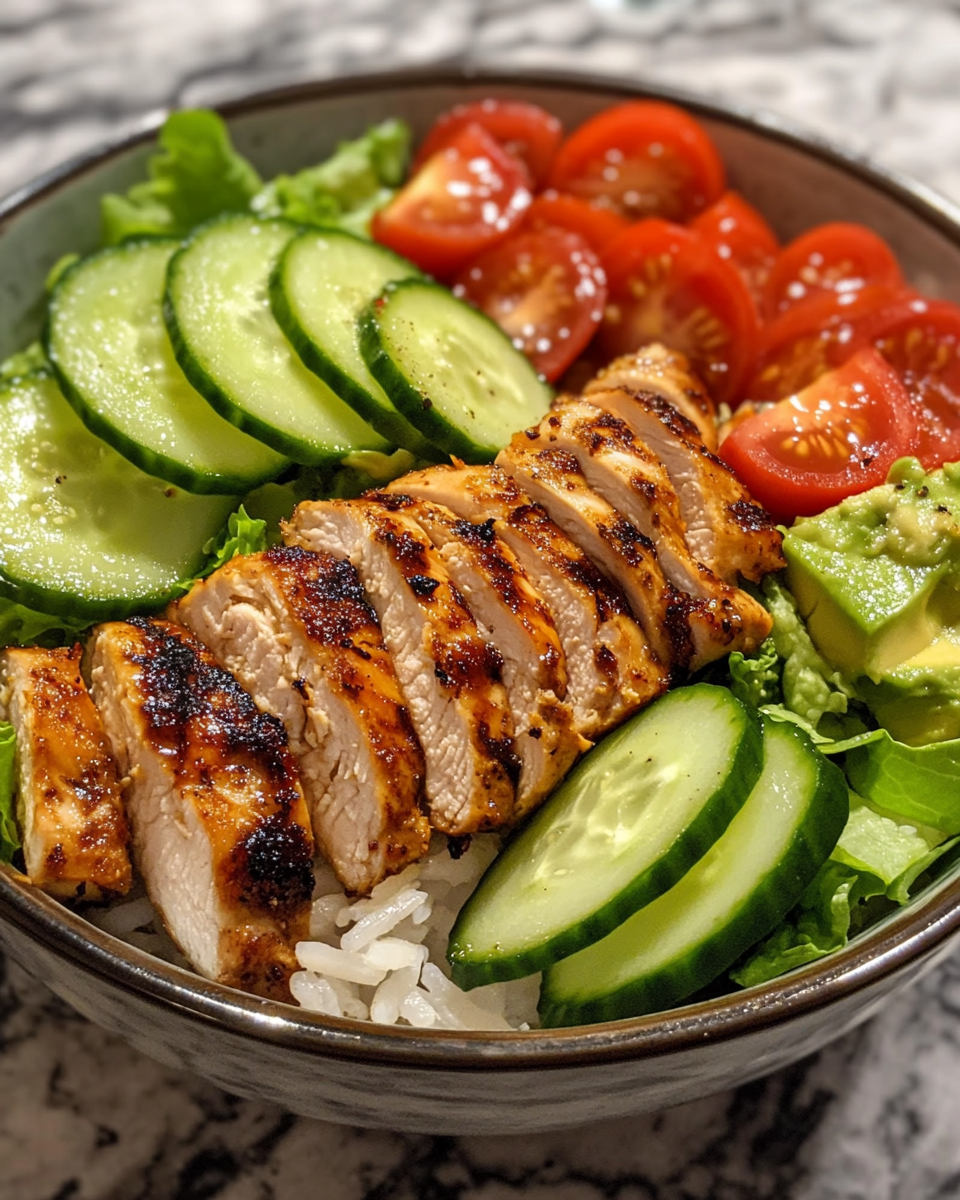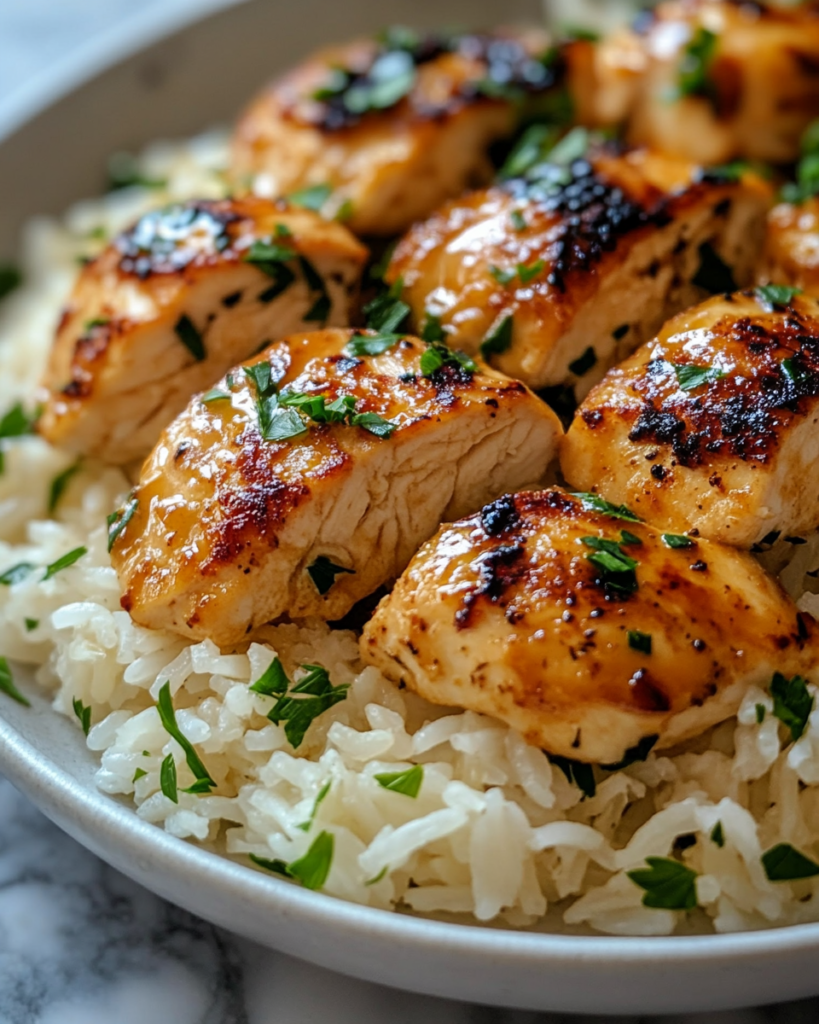
Garlic Butter Chicken Rice Skillet brings rich flavor, tender chicken, and fluffy rice together in a single pan. The buttery garlic coating settles into the rice while chicken broth adds savory depth throughout the dish. This meal suits busy evenings because the entire recipe comes together with simple kitchen staples and very little cleanup afterward.
The chicken stays juicy while the rice absorbs every bit of buttery flavor from the skillet. A touch of paprika and Italian seasoning adds warmth without overpowering the garlic. Fresh parsley at the end brightens the rich texture and gives the finished skillet a fresh finish.
This hearty dinner fits family meals, casual gatherings, and meal prep lunches alike. The skillet method keeps the cooking process straightforward while still producing restaurant-style flavor at home.
Ingredients Overview
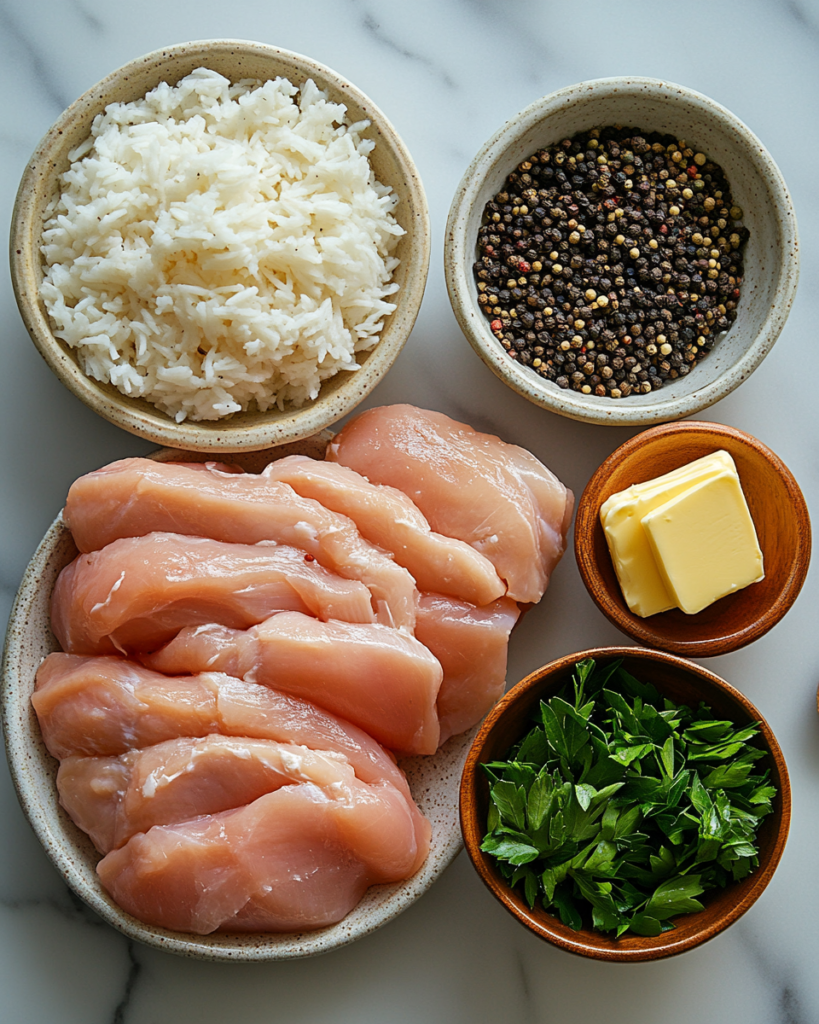
Chicken thighs or chicken breasts both work nicely in Garlic Butter Chicken Rice Skillet. Boneless skinless thighs stay especially juicy during cooking, while chicken breasts provide a slightly lighter texture. Cutting the chicken into even bite-sized pieces helps everything cook evenly in the skillet.
Butter and garlic form the flavor base of the dish. Butter creates a silky coating across the rice while garlic releases a rich aroma that fills the kitchen quickly. Fresh garlic cloves provide deeper flavor than jarred garlic, though pre-minced garlic can still work during rushed evenings.
Long-grain white rice cooks beautifully in this recipe because it absorbs broth without turning mushy. Jasmine rice also gives a pleasant aroma and slightly softer texture. Brown rice may replace white rice, though it requires additional broth and a longer cooking period.
Chicken broth gives the rice savory richness while helping the grains cook evenly. Low-sodium broth allows better control over seasoning. Paprika adds subtle warmth and color, while Italian seasoning rounds out the buttery garlic flavor with dried herbs.
Fresh parsley balances the richness with a fresh finish. Parmesan cheese may also be stirred in near the end for an extra savory touch. Frozen peas or spinach can join the skillet during the final few minutes for added vegetables without extra work.
This recipe remains flexible enough for many kitchens. Turkey, shrimp, or sliced sausage can replace chicken when desired. The core garlic butter flavor still shines through with small ingredient swaps.
Ingredients
1 1/2 pounds boneless skinless chicken thighs, cut into bite-sized pieces
1 teaspoon salt
1/2 teaspoon black pepper
1 teaspoon paprika
1 teaspoon Italian seasoning
3 tablespoons unsalted butter
5 cloves garlic, minced
1 small onion, finely chopped
1 1/2 cups long-grain white rice
3 cups chicken broth
2 tablespoons olive oil
1/4 cup chopped fresh parsley
1/4 cup grated Parmesan cheese
1 tablespoon lemon juice
Step-by-Step Instructions
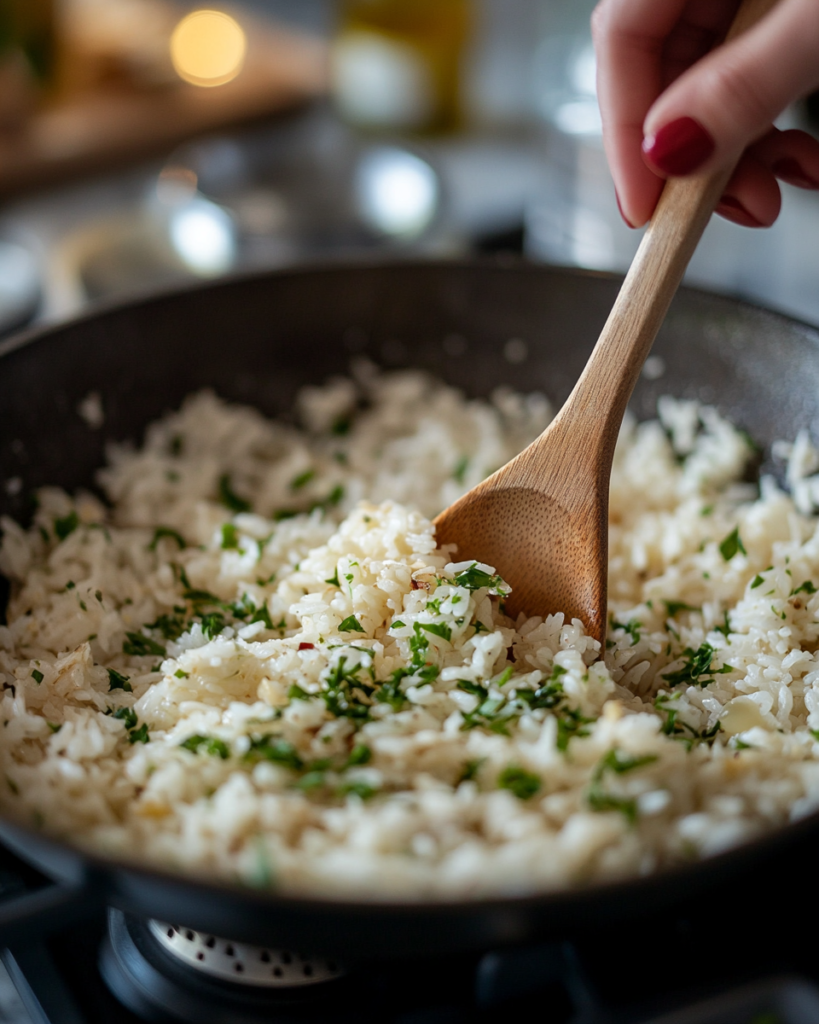
Pat the chicken dry with paper towels before seasoning. Dry chicken browns much better than damp chicken and develops richer flavor inside the skillet. Toss the chicken pieces with salt, pepper, paprika, and Italian seasoning until coated evenly.
Heat olive oil in a large deep skillet over medium-high heat. Once the oil looks glossy, add the chicken in a single layer. Avoid overcrowding the pan because crowded chicken releases moisture and prevents browning. Cook the chicken for about 5 to 7 minutes, stirring occasionally, until golden around the edges and nearly cooked through.
Transfer the chicken to a plate temporarily. Reduce the heat slightly and add butter to the skillet. Once melted, stir in the chopped onion and cook for about 3 minutes until softened. Add the minced garlic and stir constantly for about 30 seconds. Garlic burns quickly, so close attention during this step matters.
Pour the uncooked rice into the skillet and stir gently so the grains become coated in the garlic butter mixture. Toasting the rice for about 1 minute gives the finished dish deeper flavor and slightly firmer texture.
Slowly pour in the chicken broth while stirring. Scrape any browned bits from the bottom of the skillet since those pieces carry rich savory flavor. Return the chicken and any juices from the plate back into the pan.
Bring the mixture to a light boil, then reduce the heat to low. Cover the skillet tightly with a lid and allow everything to simmer for about 18 to 20 minutes. During this stage, avoid lifting the lid repeatedly because trapped steam cooks the rice evenly.
After the cooking time finishes, check the rice texture. The grains should appear tender while most liquid has absorbed fully. If the rice still seems firm, add a small splash of broth and cook for several additional minutes.
Remove the skillet from the heat and let it rest covered for 5 minutes. Resting time allows the rice to settle and finish absorbing moisture naturally.
Fluff the rice gently with a fork before stirring in parsley, Parmesan cheese, and lemon juice. The lemon brightens the buttery flavor while Parmesan adds savory richness.
Serve the Garlic Butter Chicken Rice Skillet warm straight from the pan. Fresh parsley scattered over the top gives a fresh finish and appealing color contrast.
Tips, Variations & Substitutions
Chicken thighs remain slightly juicier during skillet cooking, though chicken breast still works beautifully when cooked carefully. Avoid overcooking lean chicken breast because it can turn dry quickly after simmering.
For richer garlic flavor, roast several garlic cloves beforehand and stir them into the rice near the end. Roasted garlic gives a mellow sweetness that blends nicely with butter and Parmesan.
Jasmine rice produces softer texture and gentle aroma, while basmati rice creates lighter separate grains. Brown rice may replace white rice, though additional broth and roughly 15 extra minutes of cooking time become necessary.
Vegetables fit easily into this skillet recipe. Frozen peas, chopped spinach, diced zucchini, or mushrooms all blend nicely into the buttery rice. Stir delicate vegetables into the skillet during the final minutes so they stay vibrant.
For extra richness, stir a splash of heavy cream into the skillet before serving. Crushed red pepper flakes also add mild heat without overwhelming the garlic flavor.
Dairy-free versions can use plant-based butter and skip the Parmesan cheese entirely. Gluten-free diners can enjoy this recipe easily when using certified gluten-free broth and seasonings.
Leftovers store nicely in airtight containers for several days. A splash of broth during reheating helps restore the rice texture and keeps the chicken tender.
Serving Ideas & Occasions
Garlic Butter Chicken Rice Skillet pairs nicely with crisp green salads, roasted broccoli, green beans, or glazed carrots. Fresh vegetables balance the rich buttery rice while adding color across the plate.
Warm dinner rolls or garlic bread also complement the savory flavors beautifully. For lighter meals, cucumber salad or steamed asparagus creates a fresh contrast against the hearty skillet.
This dish suits weeknight family dinners because everything cooks in one pan with minimal cleanup afterward. It also works wonderfully during casual gatherings since the skillet stays warm easily on the table.
Meal prep cooks appreciate this recipe because the rice reheats well without losing flavor. Packed lunches stay filling and satisfying throughout busy days.
A glass of chilled sparkling water with lemon or iced tea pairs nicely alongside the buttery garlic flavor. During colder months, this skillet brings comforting warmth to the dinner table without requiring complicated preparation.
Nutritional & Health Notes
Garlic Butter Chicken Rice Skillet contains balanced portions of protein, carbohydrates, and fats in a single meal. Chicken supplies protein that supports fullness while rice contributes steady energy.
Garlic adds strong savory flavor without requiring large amounts of extra salt. Fresh parsley also contributes small amounts of vitamins and freshness that balance the richer buttery ingredients.
Using low-sodium broth allows better control over overall sodium levels. Lean chicken breast can reduce saturated fat slightly while still keeping the skillet hearty and filling.
Brown rice may raise fiber content for diners seeking a more wholesome variation. Adding vegetables such as spinach, peas, or broccoli also increases nutritional variety while blending naturally into the skillet.
Butter and Parmesan provide richness and flavor, though lighter portions may be used if preferred. Since the recipe cooks entirely in one skillet, fewer added oils and sauces become necessary compared with some restaurant-style rice dishes.
This meal feels hearty and satisfying while still fitting comfortably into balanced home cooking routines.
FAQs
Can I prepare Garlic Butter Chicken Rice Skillet ahead of time?
Yes, this skillet recipe works very well for advance preparation. The rice keeps its texture nicely when stored properly in airtight containers inside the refrigerator. After cooking, allow the skillet to cool slightly before portioning into meal prep containers. During reheating, add a small splash of broth or water to restore moisture throughout the rice. Warm the dish slowly over medium-low heat or in short microwave intervals while stirring occasionally. Fresh parsley tastes brightest when added just before serving rather than during storage. Many home cooks prepare this dish one day ahead because the garlic butter flavor settles even deeper into the rice overnight.
Which rice works nicely for this recipe?
Long-grain white rice remains the easiest choice because it cooks evenly and absorbs broth beautifully without turning sticky. Jasmine rice also produces excellent results with slightly softer texture and gentle fragrance. Basmati rice creates lighter grains with a more delicate finish. Brown rice works too, though additional broth and extended cooking time become necessary since the grains take longer to soften fully. Quick-cooking rice does not perform quite as well because it may become mushy during simmering. Rinsing the rice before cooking can remove excess starch and help produce fluffier texture throughout the skillet.
How can I keep the chicken tender?
Tender chicken begins with proper cooking temperature and timing. Cut the chicken into evenly sized pieces so everything cooks consistently. Medium-high heat helps brown the exterior quickly while keeping moisture inside the meat. Avoid overcrowding the skillet because packed chicken pieces steam rather than brown. Once the chicken turns golden and nearly cooked through, remove it briefly while the rice cooks. Returning the chicken during simmering allows it to finish gently without becoming dry. Chicken thighs naturally stay juicier than chicken breasts, though careful timing keeps either option tender and flavorful.
Can vegetables be added to the skillet?
Vegetables blend beautifully into Garlic Butter Chicken Rice Skillet and create additional texture and color. Frozen peas, spinach, mushrooms, diced carrots, or chopped zucchini all fit nicely with the buttery garlic flavor. Firmer vegetables such as carrots should cook earlier alongside the onions so they soften properly. Delicate greens like spinach work best during the final few minutes of cooking. Small vegetable additions also stretch the recipe into additional servings while keeping the skillet hearty and balanced. Many families enjoy adjusting the vegetable mixture according to seasonal produce already available in the kitchen.
What should I do if the rice remains firm?
Firm rice usually means additional moisture or cooking time is necessary. Add a few tablespoons of warm broth to the skillet, cover tightly again, and continue cooking over low heat for several extra minutes. Avoid raising the heat too high because the bottom may scorch before the rice softens properly. Different rice brands sometimes absorb liquid differently, which can slightly affect cooking time. Keeping the lid closed during simmering also matters because trapped steam finishes the cooking process evenly. Allowing the skillet to rest covered after cooking helps soften the grains further before serving.
Can I freeze leftovers?
Yes, this recipe freezes surprisingly well when stored correctly. Allow the skillet to cool completely before transferring portions into freezer-safe containers. Frozen portions generally keep their flavor and texture nicely for up to two months. Thaw overnight inside the refrigerator before reheating slowly on the stove or in the microwave. Adding a spoonful of broth while reheating helps restore moisture throughout the rice. Fresh parsley tastes brightest when added after reheating rather than before freezing. While the rice may soften slightly after freezing, the buttery garlic flavor still remains rich and satisfying.
Which seasonings pair nicely with garlic butter chicken rice?
Garlic butter flavor pairs nicely with many herbs and spices. Italian seasoning gives balanced herb flavor while paprika adds warmth and color. Thyme, oregano, parsley, and basil all blend naturally into the dish without overpowering the chicken. Crushed red pepper flakes bring mild heat for diners who enjoy a little spice. Lemon juice also brightens the buttery richness beautifully near the end of cooking. Parmesan cheese deepens the savory character further. Small seasoning adjustments allow the skillet to match different meals and personal preferences while still keeping the comforting garlic butter base intact.