Garlic Butter Chicken Pasta 5 Ultimate Comfort Delightful

Posted on

Uncategorized

Difficulty

Prep time

Cooking time

Total time

Servings

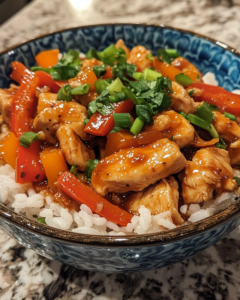
Garlic Butter Chicken Pasta brings together tender chicken, silky pasta, and a rich garlic butter coating that wraps every strand in savory depth. This dish carries a warm, comforting character that suits a wide range of dining moments, from casual evening meals to shared family plates at the table.

The combination of browned chicken pieces and butter-infused garlic creates a fragrant base that clings to pasta with a creamy texture. Each forkful delivers balanced seasoning, gentle richness, and satisfying protein, forming a cohesive dish that feels complete without requiring additional sides.

This recipe focuses on simple cooking steps that highlight natural flavors. The sauce forms directly in the pan, allowing the pasta to absorb the buttery garlic essence while remaining smooth and lightly glossy. The result is a cohesive plate where every component blends harmoniously.

Ingredients Overview

The foundation of Garlic Butter Chicken Pasta begins with boneless chicken, which provides a tender and juicy protein base. When cooked properly, it develops a light golden crust that adds depth to the overall dish without overpowering the garlic butter profile.

Butter plays a central role, creating richness and carrying the garlic aroma throughout the sauce. It melts into the pan and forms a silky coating that helps bind pasta and chicken together. Garlic adds a fragrant punch that defines the dish’s signature character.

Pasta acts as the structural element, absorbing the sauce while maintaining a firm bite. Shapes like fettuccine or linguine work especially well because they hold onto the butter mixture. Parmesan cheese adds a salty, slightly nutty finish that rounds out the flavor.

A small amount of olive oil assists in browning the chicken evenly, while salt and pepper provide basic seasoning. Optional additions like parsley introduce a fresh contrast that brightens the final plate without altering the core profile.

The balance of these ingredients creates a dish that feels cohesive and satisfying, where each element supports the next without overwhelming the palate.

Ingredients

12 ounces fettuccine pasta
1 pound boneless chicken breast, cut into bite-size pieces
3 tablespoons unsalted butter
2 tablespoons olive oil
5 garlic cloves, finely minced
1 teaspoon salt
1/2 teaspoon black pepper
1 teaspoon paprika
1 cup heavy cream
3/4 cup grated Parmesan cheese
1/2 cup reserved pasta water
2 tablespoons chopped fresh parsley

Step-by-Step Instructions
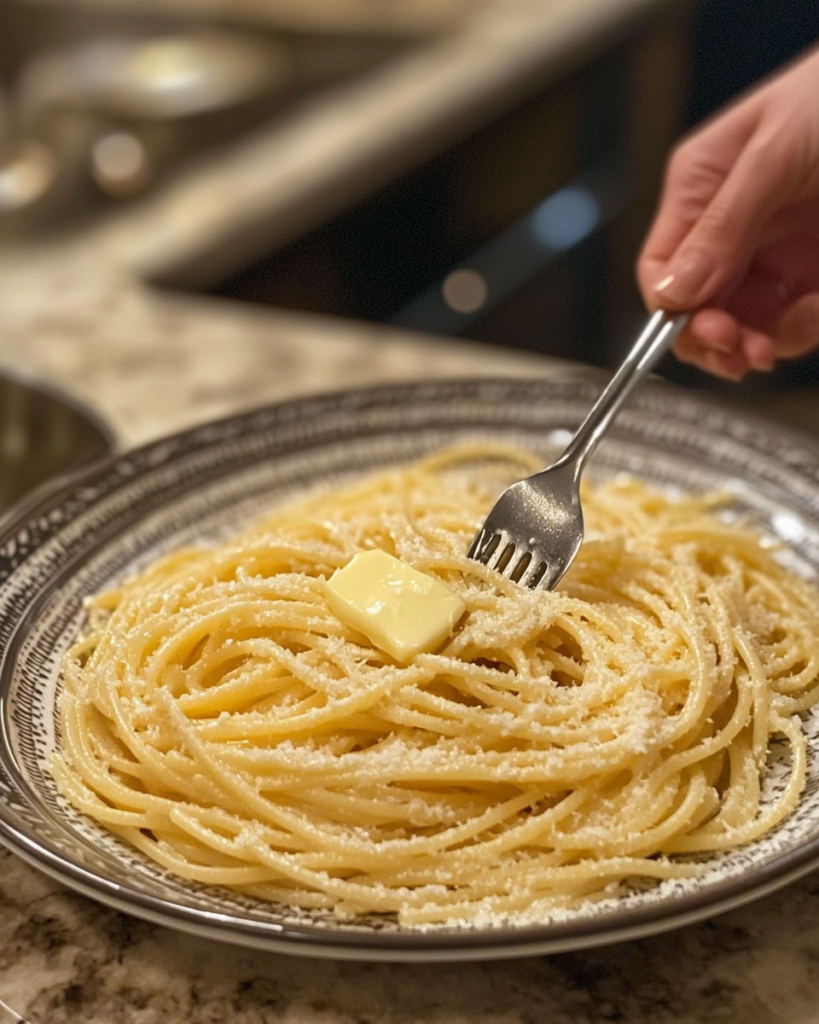
Begin by preparing the pasta in a large pot of salted water. Cook until firm yet tender, allowing the strands to maintain structure. Before draining, reserve a portion of the cooking liquid to help bind the sauce later. Set the pasta aside.

Place a large skillet over medium heat and add olive oil. Once warmed, add the chicken pieces in a single layer. Allow them to brown on each side until a golden surface forms and the interior is fully cooked. Remove the chicken from the pan and set aside.

In the same skillet, reduce heat slightly and add butter. Let it melt slowly, then add minced garlic. Stir gently to prevent burning while releasing aroma into the butter. The garlic should soften and become fragrant without turning dark.

Return the cooked chicken to the skillet. Sprinkle salt, pepper, and paprika over the mixture. Stir until the seasoning coats each piece evenly. The chicken will begin absorbing the garlic butter base.

Pour in heavy cream and stir gently, allowing it to blend with the butter. The mixture will begin to thicken slightly as it warms. Add Parmesan cheese gradually, stirring until it melts into a smooth sauce.

Add the cooked pasta directly into the skillet. Toss carefully so each strand becomes coated with sauce. If the mixture feels too thick, add reserved pasta liquid a small amount at a time until a silky consistency forms.

Allow everything to simmer briefly so flavors merge. The sauce should cling lightly to the pasta without pooling at the bottom of the pan. Finish with chopped parsley for a fresh contrast.

Remove from heat and serve immediately while warm, allowing the sauce to remain creamy and smooth.

Tips, Variations & Substitutions

For deeper flavor, chicken thighs can replace chicken breast, offering a slightly richer texture. Adjust cooking until fully tender and lightly browned on the surface. This variation adds a juicier bite to the dish.

Pasta shapes such as penne or rigatoni can be used if long strands are unavailable. These shapes hold sauce within their ridges, offering a slightly different but satisfying texture profile.

For a lighter version, reduce heavy cream and increase pasta water slightly. This creates a thinner sauce while still maintaining garlic butter character. A small amount of milk can also be used as an alternative base.

Additional vegetables such as spinach or mushrooms can be folded into the skillet during the final simmer stage. These additions introduce subtle earthiness and color contrast without overpowering the main flavors.

For extra richness, a small pinch of red pepper flakes can be added during garlic cooking. This introduces gentle heat that balances the creamy base.

Serving Ideas & Occasions

Garlic Butter Chicken Pasta pairs well with simple side dishes such as roasted vegetables or a light green salad. These sides provide contrast without competing with the creamy texture of the pasta.

It also works well as a standalone dish for evening meals, offering a satisfying combination of protein and carbohydrates in one plate. The creamy sauce makes it suitable for relaxed gatherings or shared dining moments.

For beverage pairing, sparkling water with citrus or a light herbal drink complements the richness of the sauce. These options refresh the palate between bites.

This dish fits well into casual dining settings where warm, comforting food is desired without complex preparation requirements.

Nutritional & Health Notes

This dish provides a balanced combination of protein from chicken and energy from pasta. The inclusion of butter and cream contributes richness, so portion control may be considered depending on dietary preferences.

Garlic offers natural aromatic compounds, while parsley adds a small amount of freshness and micronutrients. Parmesan contributes calcium and savory depth.

Adjusting cream quantity or using lean chicken cuts can modify overall richness. Adding vegetables can also increase fiber content and nutritional variety.

FAQs

Can chicken thighs be used instead of chicken breast?

Chicken thighs can be used as an alternative protein source. They offer a slightly juicier texture and hold moisture well during cooking. Adjust cooking until the internal portion becomes fully tender. The overall flavor becomes a bit richer due to higher natural fat content in the thighs. This substitution blends smoothly with the garlic butter base and creamy sauce.

Which pasta type works well for this dish?

Fettuccine is commonly used due to its wide surface that holds sauce effectively. Linguine also performs well, offering a similar structure. Short pasta like penne can be used for a different texture experience. The key factor is selecting pasta that retains sauce on its surface, allowing each bite to carry full flavor.

Can dairy-free alternatives be used?

Dairy-free substitutes such as plant-based butter and cream alternatives can be used. The texture may vary slightly, but garlic and seasoning still provide strong flavor. Nutritional yeast can replace Parmesan for a savory finish. Adjust consistency with pasta water to maintain a smooth coating on the pasta.

How can sauce thickness be adjusted?

If the sauce becomes too thick, adding reserved pasta water helps loosen the mixture while maintaining flavor. If too thin, gentle simmering allows gradual thickening. Parmesan cheese also contributes to structure, helping the sauce cling to pasta strands.

Can vegetables be added?

Vegetables such as spinach, mushrooms, or zucchini can be added during the final cooking stage. These ingredients introduce color, texture, and mild earthy notes. They blend well with the creamy garlic butter base without overpowering the main components.

How should leftovers be stored?

Leftovers can be placed in a sealed container and stored under refrigeration. When reheating, a small amount of water or cream can be added to restore smooth texture. Gentle heating over low heat helps maintain sauce consistency without separating.

Can this dish be prepared in advance?

Components can be prepared ahead by cooking chicken and pasta separately. The sauce can be assembled later during final heating. Combining everything just before serving maintains texture and prevents pasta from becoming overly soft.

[rank_math_breadcrumb]

Garlic Butter Chicken Pasta 5 Ultimate Comfort Delightful

Photo of author
Author: Olivia
Published:

Garlic Butter Chicken Pasta brings together tender chicken, silky pasta, and a rich garlic butter coating that wraps every strand in savory depth. This dish carries a warm, comforting character that suits a wide range of dining moments, from casual evening meals to shared family plates at the table.

The combination of browned chicken pieces and butter-infused garlic creates a fragrant base that clings to pasta with a creamy texture. Each forkful delivers balanced seasoning, gentle richness, and satisfying protein, forming a cohesive dish that feels complete without requiring additional sides.

This recipe focuses on simple cooking steps that highlight natural flavors. The sauce forms directly in the pan, allowing the pasta to absorb the buttery garlic essence while remaining smooth and lightly glossy. The result is a cohesive plate where every component blends harmoniously.

Ingredients Overview

The foundation of Garlic Butter Chicken Pasta begins with boneless chicken, which provides a tender and juicy protein base. When cooked properly, it develops a light golden crust that adds depth to the overall dish without overpowering the garlic butter profile.

Butter plays a central role, creating richness and carrying the garlic aroma throughout the sauce. It melts into the pan and forms a silky coating that helps bind pasta and chicken together. Garlic adds a fragrant punch that defines the dish’s signature character.

Pasta acts as the structural element, absorbing the sauce while maintaining a firm bite. Shapes like fettuccine or linguine work especially well because they hold onto the butter mixture. Parmesan cheese adds a salty, slightly nutty finish that rounds out the flavor.

A small amount of olive oil assists in browning the chicken evenly, while salt and pepper provide basic seasoning. Optional additions like parsley introduce a fresh contrast that brightens the final plate without altering the core profile.

The balance of these ingredients creates a dish that feels cohesive and satisfying, where each element supports the next without overwhelming the palate.

Ingredients

12 ounces fettuccine pasta
1 pound boneless chicken breast, cut into bite-size pieces
3 tablespoons unsalted butter
2 tablespoons olive oil
5 garlic cloves, finely minced
1 teaspoon salt
1/2 teaspoon black pepper
1 teaspoon paprika
1 cup heavy cream
3/4 cup grated Parmesan cheese
1/2 cup reserved pasta water
2 tablespoons chopped fresh parsley

Step-by-Step Instructions

Begin by preparing the pasta in a large pot of salted water. Cook until firm yet tender, allowing the strands to maintain structure. Before draining, reserve a portion of the cooking liquid to help bind the sauce later. Set the pasta aside.

Place a large skillet over medium heat and add olive oil. Once warmed, add the chicken pieces in a single layer. Allow them to brown on each side until a golden surface forms and the interior is fully cooked. Remove the chicken from the pan and set aside.

In the same skillet, reduce heat slightly and add butter. Let it melt slowly, then add minced garlic. Stir gently to prevent burning while releasing aroma into the butter. The garlic should soften and become fragrant without turning dark.

Return the cooked chicken to the skillet. Sprinkle salt, pepper, and paprika over the mixture. Stir until the seasoning coats each piece evenly. The chicken will begin absorbing the garlic butter base.

Pour in heavy cream and stir gently, allowing it to blend with the butter. The mixture will begin to thicken slightly as it warms. Add Parmesan cheese gradually, stirring until it melts into a smooth sauce.

Add the cooked pasta directly into the skillet. Toss carefully so each strand becomes coated with sauce. If the mixture feels too thick, add reserved pasta liquid a small amount at a time until a silky consistency forms.

Allow everything to simmer briefly so flavors merge. The sauce should cling lightly to the pasta without pooling at the bottom of the pan. Finish with chopped parsley for a fresh contrast.

Remove from heat and serve immediately while warm, allowing the sauce to remain creamy and smooth.

Tips, Variations & Substitutions

For deeper flavor, chicken thighs can replace chicken breast, offering a slightly richer texture. Adjust cooking until fully tender and lightly browned on the surface. This variation adds a juicier bite to the dish.

Pasta shapes such as penne or rigatoni can be used if long strands are unavailable. These shapes hold sauce within their ridges, offering a slightly different but satisfying texture profile.

For a lighter version, reduce heavy cream and increase pasta water slightly. This creates a thinner sauce while still maintaining garlic butter character. A small amount of milk can also be used as an alternative base.

Additional vegetables such as spinach or mushrooms can be folded into the skillet during the final simmer stage. These additions introduce subtle earthiness and color contrast without overpowering the main flavors.

For extra richness, a small pinch of red pepper flakes can be added during garlic cooking. This introduces gentle heat that balances the creamy base.

Serving Ideas & Occasions

Garlic Butter Chicken Pasta pairs well with simple side dishes such as roasted vegetables or a light green salad. These sides provide contrast without competing with the creamy texture of the pasta.

It also works well as a standalone dish for evening meals, offering a satisfying combination of protein and carbohydrates in one plate. The creamy sauce makes it suitable for relaxed gatherings or shared dining moments.

For beverage pairing, sparkling water with citrus or a light herbal drink complements the richness of the sauce. These options refresh the palate between bites.

This dish fits well into casual dining settings where warm, comforting food is desired without complex preparation requirements.

Nutritional & Health Notes

This dish provides a balanced combination of protein from chicken and energy from pasta. The inclusion of butter and cream contributes richness, so portion control may be considered depending on dietary preferences.

Garlic offers natural aromatic compounds, while parsley adds a small amount of freshness and micronutrients. Parmesan contributes calcium and savory depth.

Adjusting cream quantity or using lean chicken cuts can modify overall richness. Adding vegetables can also increase fiber content and nutritional variety.

FAQs

Can chicken thighs be used instead of chicken breast?

Chicken thighs can be used as an alternative protein source. They offer a slightly juicier texture and hold moisture well during cooking. Adjust cooking until the internal portion becomes fully tender. The overall flavor becomes a bit richer due to higher natural fat content in the thighs. This substitution blends smoothly with the garlic butter base and creamy sauce.

Which pasta type works well for this dish?

Fettuccine is commonly used due to its wide surface that holds sauce effectively. Linguine also performs well, offering a similar structure. Short pasta like penne can be used for a different texture experience. The key factor is selecting pasta that retains sauce on its surface, allowing each bite to carry full flavor.

Can dairy-free alternatives be used?

Dairy-free substitutes such as plant-based butter and cream alternatives can be used. The texture may vary slightly, but garlic and seasoning still provide strong flavor. Nutritional yeast can replace Parmesan for a savory finish. Adjust consistency with pasta water to maintain a smooth coating on the pasta.

How can sauce thickness be adjusted?

If the sauce becomes too thick, adding reserved pasta water helps loosen the mixture while maintaining flavor. If too thin, gentle simmering allows gradual thickening. Parmesan cheese also contributes to structure, helping the sauce cling to pasta strands.

Can vegetables be added?

Vegetables such as spinach, mushrooms, or zucchini can be added during the final cooking stage. These ingredients introduce color, texture, and mild earthy notes. They blend well with the creamy garlic butter base without overpowering the main components.

How should leftovers be stored?

Leftovers can be placed in a sealed container and stored under refrigeration. When reheating, a small amount of water or cream can be added to restore smooth texture. Gentle heating over low heat helps maintain sauce consistency without separating.

Can this dish be prepared in advance?

Components can be prepared ahead by cooking chicken and pasta separately. The sauce can be assembled later during final heating. Combining everything just before serving maintains texture and prevents pasta from becoming overly soft.
Name

Lorem ipsum dolor sit amet, consectetur adipiscing elit. Suspendisse varius enim in eros elementum tristique. Duis cursus, mi quis viverra ornare, eros dolor interdum nulla, ut commodo diam libero vitae erat.

You Might Also Like...

Garlic Butter Steak & Veggies: 30-Minute Amazing Supper

Garlic Butter Steak & Veggies: 30-Minute Amazing Supper

Buffalo Chicken Meal Prep Bowls: 5 Practical Savory Plates

Buffalo Chicken Meal Prep Bowls: 5 Practical Savory Plates

Mediterranean Chicken & Rice: 5 Amazing Comforting Bowls

Mediterranean Chicken & Rice: 5 Amazing Comforting Bowls

Teriyaki Chicken Meal Boxes: 5 Simple Comforting Ideas

Teriyaki Chicken Meal Boxes: 5 Simple Comforting Ideas

Tags:

You might also like these recipes

Leave a Comment