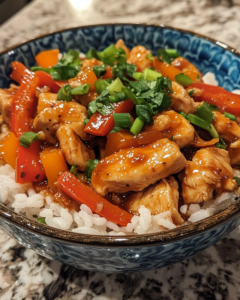
Chicken Noodles (Quick Lunch Meal) 1 Quick Amazing Dish

Posted on

Uncategorized

Difficulty

Prep time

Cooking time

Total time

Servings

A warm bowl of chicken noodles brings together tender poultry, soft noodles, and a balanced savory broth that fits perfectly into a midday meal. This dish focuses on speed, comfort, and a satisfying mix of textures without complicated preparation steps.

Chicken noodles are often prepared with pantry staples, allowing a practical approach for busy routines. The broth carries gentle seasoning, while the noodles absorb flavor as they cook, creating a cohesive dish in a single pot or pan.

The combination of protein and starch offers steady energy for the middle of the day. With minimal preparation steps and short cooking time, this recipe suits home kitchens that value efficiency and flavor in equal measure.

Ingredients Overview

Chicken noodles rely on a few essential components that work together to build depth and texture. Boneless chicken provides the main protein element, offering tenderness when cooked gently in broth or lightly sautéed before simmering. Chicken breast delivers a lean result, while thigh meat gives a slightly richer texture.

Noodles form the base of the dish. Wheat noodles, egg noodles, or rice noodles all work depending on preference. Egg noodles absorb seasoning well and hold a firm bite, while rice noodles offer a softer texture.

Garlic and onion form the aromatic foundation. These ingredients create a savory base that enhances the overall profile without overpowering the dish. Fresh ginger can be added for a light warmth that blends smoothly with the broth.

Soy sauce brings saltiness and depth. A small amount is usually sufficient to season the entire pot. Broth, whether chicken or vegetable, forms the cooking liquid and carries flavor through the noodles.

Carrots, cabbage, or green beans add light texture and color. These vegetables cook quickly and balance the softness of noodles and chicken.

A small amount of oil helps sauté the aromatics and chicken at the start. Sesame oil can be used at the end for a light nutty aroma. Black pepper and salt complete the seasoning, allowing the natural flavors of the ingredients to stand out.

Ingredients

250 g chicken breast, thinly sliced
200 g egg noodles
1 tablespoon vegetable oil
3 cloves garlic, minced
1 small onion, sliced
1 teaspoon grated ginger
1 medium carrot, julienned
1 cup cabbage, shredded
2 tablespoons soy sauce
750 ml chicken broth
1/2 teaspoon salt
1/2 teaspoon black pepper
1 teaspoon sesame oil
2 green onions, chopped

Step-by-Step Instructions

A medium pot or deep pan works well for preparing chicken noodles in a single cooking process. Start by warming vegetable oil over medium heat. Once the oil is heated, add sliced chicken pieces in a single layer. Allow the chicken to cook until the surface turns lightly golden, turning pieces to cook evenly. Remove and set aside.

In the same pan, add onion, garlic, and ginger. Stir gently while cooking until the aroma becomes noticeable and the onion softens. This step builds the flavor base for the broth.

Carrots and cabbage are added next. Stir for a short time until the vegetables begin to soften slightly but still hold texture. This prevents them from becoming overly soft during simmering.

Pour in chicken broth and bring the mixture to a gentle simmer. Soy sauce is added at this stage, blending into the liquid evenly. The broth should have a light brown tone and a savory aroma.

Return the cooked chicken to the pot. Allow it to simmer so the flavors combine. At this point, noodles are added directly into the broth. Stir gently to separate strands and prevent clumping.

Cook until noodles reach a tender consistency. Timing depends on noodle type, typically ranging from 4 to 8 minutes. The broth will reduce slightly as noodles absorb liquid.

Salt and black pepper are adjusted near the end of cooking. Sesame oil is added just before removing from heat to preserve its aroma.

Once the noodles are soft and the broth is balanced, the dish is ready for serving. The final texture should be moist with coated noodles and evenly distributed chicken and vegetables.

Tips, Variations & Substitutions

Thin slicing of chicken helps it cook evenly and remain tender. Overcooking should be avoided to maintain a soft bite. Stirring noodles gently prevents breaking and keeps the texture intact.

Rice noodles can replace egg noodles for a lighter texture. Whole wheat noodles offer a firmer bite and slightly nutty flavor. Each option changes the final consistency of the dish.

Vegetables can be adjusted based on availability. Spinach, bell peppers, or mushrooms blend well with the broth. Adding vegetables at different stages changes their texture, with earlier additions becoming softer and later additions retaining crunch.

For stronger flavor, a small amount of chili flakes or sliced fresh chili can be included during the sauté stage. This introduces gentle heat without overpowering the broth.

A richer broth can be achieved by using homemade chicken stock. For a lighter version, diluted broth or water with reduced seasoning can be used.

Serving Ideas & Occasions

Chicken noodles fit well as a midday meal due to their balanced composition of protein, carbohydrates, and vegetables. The dish pairs well with light sides such as steamed greens or a simple cucumber salad.

It also works well in cooler weather when warm broth-based dishes feel more comforting. A small bowl of fruit or a light herbal drink complements the meal without adding heaviness.

In casual dining settings, chicken noodles can be served in individual bowls with additional green onions sprinkled on top. A light squeeze of citrus can add brightness to the final flavor.

Nutritional & Health Notes

Chicken noodles provide a balanced mix of protein, carbohydrates, and vegetables. Chicken supplies amino acids essential for muscle maintenance. Noodles offer energy through complex carbohydrates, supporting sustained activity.

Vegetables contribute fiber, vitamins, and minerals, adding nutritional variety to the dish. Garlic and onion provide natural compounds that contribute to overall dietary diversity.

The broth-based preparation keeps the dish relatively light compared to fried alternatives. Sodium levels can be adjusted by controlling soy sauce and broth concentration.

Portion size influences overall calorie intake, making this dish adaptable to different dietary needs.

FAQs

Can different noodle types be used in this dish?

Various noodle types work well in chicken noodles, including egg noodles, rice noodles, and wheat-based options. Each type brings a distinct texture. Egg noodles hold firmness and absorb broth well, while rice noodles offer a softer bite. Wheat noodles provide a neutral base that carries flavor evenly. Cooking time should be adjusted based on noodle thickness and material to achieve proper tenderness without overcooking.

Can leftover chicken be used instead of fresh chicken?

Cooked leftover chicken can be added during the final stages of preparation. Since it is already cooked, it should only be warmed in the broth to prevent dryness. Shredded or chopped pieces work best for even distribution. This approach reduces cooking time and still delivers a balanced flavor profile when combined with the broth and noodles.

What vegetables work well in chicken noodles?

Carrots and cabbage are commonly used due to their quick cooking time and mild flavor. Mushrooms, spinach, bell peppers, and snap peas also blend well into the dish. Vegetables with firmer texture should be added earlier, while leafy greens are best added near the end to maintain structure and color.

Can the broth be adjusted for stronger flavor?

The broth can be intensified by using concentrated chicken stock or by simmering longer before adding noodles. A small amount of soy sauce or fish sauce can deepen flavor. Garlic and ginger can also be increased slightly for a more aromatic base. Care should be taken to maintain balance without overpowering the dish.

Can chicken noodles be prepared in advance?

Chicken noodles can be prepared in advance, but texture changes should be considered. Noodles continue absorbing liquid over time, which can soften them further. To maintain texture, broth and noodles can be stored separately and combined when serving. Reheating should be done gently to preserve consistency.

What is the best way to avoid sticky noodles?

Stirring noodles during cooking helps prevent clumping. Adding noodles gradually into simmering broth rather than boiling rapidly also reduces sticking. A small amount of oil in the cooking process can assist in separation. Choosing the correct noodle type for the liquid ratio also contributes to better texture.

Can this dish be made lighter?

A lighter version can be prepared by using more vegetables and reducing noodle quantity. Low-sodium broth and reduced soy sauce help lower salt content. Chicken breast without skin provides lean protein. Increasing broth proportion also creates a more soup-like consistency while maintaining flavor balance.

[rank_math_breadcrumb]

Chicken Noodles (Quick Lunch Meal) 1 Quick Amazing Dish

Photo of author
Author: Olivia
Published:

A warm bowl of chicken noodles brings together tender poultry, soft noodles, and a balanced savory broth that fits perfectly into a midday meal. This dish focuses on speed, comfort, and a satisfying mix of textures without complicated preparation steps.

Chicken noodles are often prepared with pantry staples, allowing a practical approach for busy routines. The broth carries gentle seasoning, while the noodles absorb flavor as they cook, creating a cohesive dish in a single pot or pan.

The combination of protein and starch offers steady energy for the middle of the day. With minimal preparation steps and short cooking time, this recipe suits home kitchens that value efficiency and flavor in equal measure.

Ingredients Overview

Chicken noodles rely on a few essential components that work together to build depth and texture. Boneless chicken provides the main protein element, offering tenderness when cooked gently in broth or lightly sautéed before simmering. Chicken breast delivers a lean result, while thigh meat gives a slightly richer texture.

Noodles form the base of the dish. Wheat noodles, egg noodles, or rice noodles all work depending on preference. Egg noodles absorb seasoning well and hold a firm bite, while rice noodles offer a softer texture.

Garlic and onion form the aromatic foundation. These ingredients create a savory base that enhances the overall profile without overpowering the dish. Fresh ginger can be added for a light warmth that blends smoothly with the broth.

Soy sauce brings saltiness and depth. A small amount is usually sufficient to season the entire pot. Broth, whether chicken or vegetable, forms the cooking liquid and carries flavor through the noodles.

Carrots, cabbage, or green beans add light texture and color. These vegetables cook quickly and balance the softness of noodles and chicken.

A small amount of oil helps sauté the aromatics and chicken at the start. Sesame oil can be used at the end for a light nutty aroma. Black pepper and salt complete the seasoning, allowing the natural flavors of the ingredients to stand out.

Ingredients

250 g chicken breast, thinly sliced
200 g egg noodles
1 tablespoon vegetable oil
3 cloves garlic, minced
1 small onion, sliced
1 teaspoon grated ginger
1 medium carrot, julienned
1 cup cabbage, shredded
2 tablespoons soy sauce
750 ml chicken broth
1/2 teaspoon salt
1/2 teaspoon black pepper
1 teaspoon sesame oil
2 green onions, chopped

Step-by-Step Instructions

A medium pot or deep pan works well for preparing chicken noodles in a single cooking process. Start by warming vegetable oil over medium heat. Once the oil is heated, add sliced chicken pieces in a single layer. Allow the chicken to cook until the surface turns lightly golden, turning pieces to cook evenly. Remove and set aside.

In the same pan, add onion, garlic, and ginger. Stir gently while cooking until the aroma becomes noticeable and the onion softens. This step builds the flavor base for the broth.

Carrots and cabbage are added next. Stir for a short time until the vegetables begin to soften slightly but still hold texture. This prevents them from becoming overly soft during simmering.

Pour in chicken broth and bring the mixture to a gentle simmer. Soy sauce is added at this stage, blending into the liquid evenly. The broth should have a light brown tone and a savory aroma.

Return the cooked chicken to the pot. Allow it to simmer so the flavors combine. At this point, noodles are added directly into the broth. Stir gently to separate strands and prevent clumping.

Cook until noodles reach a tender consistency. Timing depends on noodle type, typically ranging from 4 to 8 minutes. The broth will reduce slightly as noodles absorb liquid.

Salt and black pepper are adjusted near the end of cooking. Sesame oil is added just before removing from heat to preserve its aroma.

Once the noodles are soft and the broth is balanced, the dish is ready for serving. The final texture should be moist with coated noodles and evenly distributed chicken and vegetables.

Tips, Variations & Substitutions

Thin slicing of chicken helps it cook evenly and remain tender. Overcooking should be avoided to maintain a soft bite. Stirring noodles gently prevents breaking and keeps the texture intact.

Rice noodles can replace egg noodles for a lighter texture. Whole wheat noodles offer a firmer bite and slightly nutty flavor. Each option changes the final consistency of the dish.

Vegetables can be adjusted based on availability. Spinach, bell peppers, or mushrooms blend well with the broth. Adding vegetables at different stages changes their texture, with earlier additions becoming softer and later additions retaining crunch.

For stronger flavor, a small amount of chili flakes or sliced fresh chili can be included during the sauté stage. This introduces gentle heat without overpowering the broth.

A richer broth can be achieved by using homemade chicken stock. For a lighter version, diluted broth or water with reduced seasoning can be used.

Serving Ideas & Occasions

Chicken noodles fit well as a midday meal due to their balanced composition of protein, carbohydrates, and vegetables. The dish pairs well with light sides such as steamed greens or a simple cucumber salad.

It also works well in cooler weather when warm broth-based dishes feel more comforting. A small bowl of fruit or a light herbal drink complements the meal without adding heaviness.

In casual dining settings, chicken noodles can be served in individual bowls with additional green onions sprinkled on top. A light squeeze of citrus can add brightness to the final flavor.

Nutritional & Health Notes

Chicken noodles provide a balanced mix of protein, carbohydrates, and vegetables. Chicken supplies amino acids essential for muscle maintenance. Noodles offer energy through complex carbohydrates, supporting sustained activity.

Vegetables contribute fiber, vitamins, and minerals, adding nutritional variety to the dish. Garlic and onion provide natural compounds that contribute to overall dietary diversity.

The broth-based preparation keeps the dish relatively light compared to fried alternatives. Sodium levels can be adjusted by controlling soy sauce and broth concentration.

Portion size influences overall calorie intake, making this dish adaptable to different dietary needs.

FAQs

Can different noodle types be used in this dish?

Various noodle types work well in chicken noodles, including egg noodles, rice noodles, and wheat-based options. Each type brings a distinct texture. Egg noodles hold firmness and absorb broth well, while rice noodles offer a softer bite. Wheat noodles provide a neutral base that carries flavor evenly. Cooking time should be adjusted based on noodle thickness and material to achieve proper tenderness without overcooking.

Can leftover chicken be used instead of fresh chicken?

Cooked leftover chicken can be added during the final stages of preparation. Since it is already cooked, it should only be warmed in the broth to prevent dryness. Shredded or chopped pieces work best for even distribution. This approach reduces cooking time and still delivers a balanced flavor profile when combined with the broth and noodles.

What vegetables work well in chicken noodles?

Carrots and cabbage are commonly used due to their quick cooking time and mild flavor. Mushrooms, spinach, bell peppers, and snap peas also blend well into the dish. Vegetables with firmer texture should be added earlier, while leafy greens are best added near the end to maintain structure and color.

Can the broth be adjusted for stronger flavor?

The broth can be intensified by using concentrated chicken stock or by simmering longer before adding noodles. A small amount of soy sauce or fish sauce can deepen flavor. Garlic and ginger can also be increased slightly for a more aromatic base. Care should be taken to maintain balance without overpowering the dish.

Can chicken noodles be prepared in advance?

Chicken noodles can be prepared in advance, but texture changes should be considered. Noodles continue absorbing liquid over time, which can soften them further. To maintain texture, broth and noodles can be stored separately and combined when serving. Reheating should be done gently to preserve consistency.

What is the best way to avoid sticky noodles?

Stirring noodles during cooking helps prevent clumping. Adding noodles gradually into simmering broth rather than boiling rapidly also reduces sticking. A small amount of oil in the cooking process can assist in separation. Choosing the correct noodle type for the liquid ratio also contributes to better texture.

Can this dish be made lighter?

A lighter version can be prepared by using more vegetables and reducing noodle quantity. Low-sodium broth and reduced soy sauce help lower salt content. Chicken breast without skin provides lean protein. Increasing broth proportion also creates a more soup-like consistency while maintaining flavor balance.
Name

Lorem ipsum dolor sit amet, consectetur adipiscing elit. Suspendisse varius enim in eros elementum tristique. Duis cursus, mi quis viverra ornare, eros dolor interdum nulla, ut commodo diam libero vitae erat.

You Might Also Like...

Garlic Butter Steak & Veggies: 30-Minute Amazing Supper

Garlic Butter Steak & Veggies: 30-Minute Amazing Supper

Buffalo Chicken Meal Prep Bowls: 5 Practical Savory Plates

Buffalo Chicken Meal Prep Bowls: 5 Practical Savory Plates

Mediterranean Chicken & Rice: 5 Amazing Comforting Bowls

Mediterranean Chicken & Rice: 5 Amazing Comforting Bowls

Teriyaki Chicken Meal Boxes: 5 Simple Comforting Ideas

Teriyaki Chicken Meal Boxes: 5 Simple Comforting Ideas

Tags:

You might also like these recipes

Leave a Comment