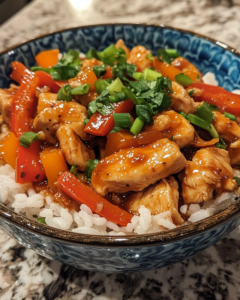
Pineapple Chicken Rice Bowls bring together tender chicken, juicy pineapple, fluffy rice, and a savory-sweet sauce in a single satisfying meal. This dish balances bright fruit flavor with hearty protein and wholesome grains, creating a bowl that feels both fresh and filling. The contrast between caramelized pineapple and seasoned chicken gives every bite a pleasant mix of sweetness and savory depth.
Popular for busy weeknight dinners, meal prep lunches, and casual gatherings, Pineapple Chicken Rice Bowls are easy to customize with vegetables, sauces, and rice varieties. The ingredients are widely available, and the cooking process is straightforward, making this a dependable option for home cooks of any skill level.
Ingredients Overview
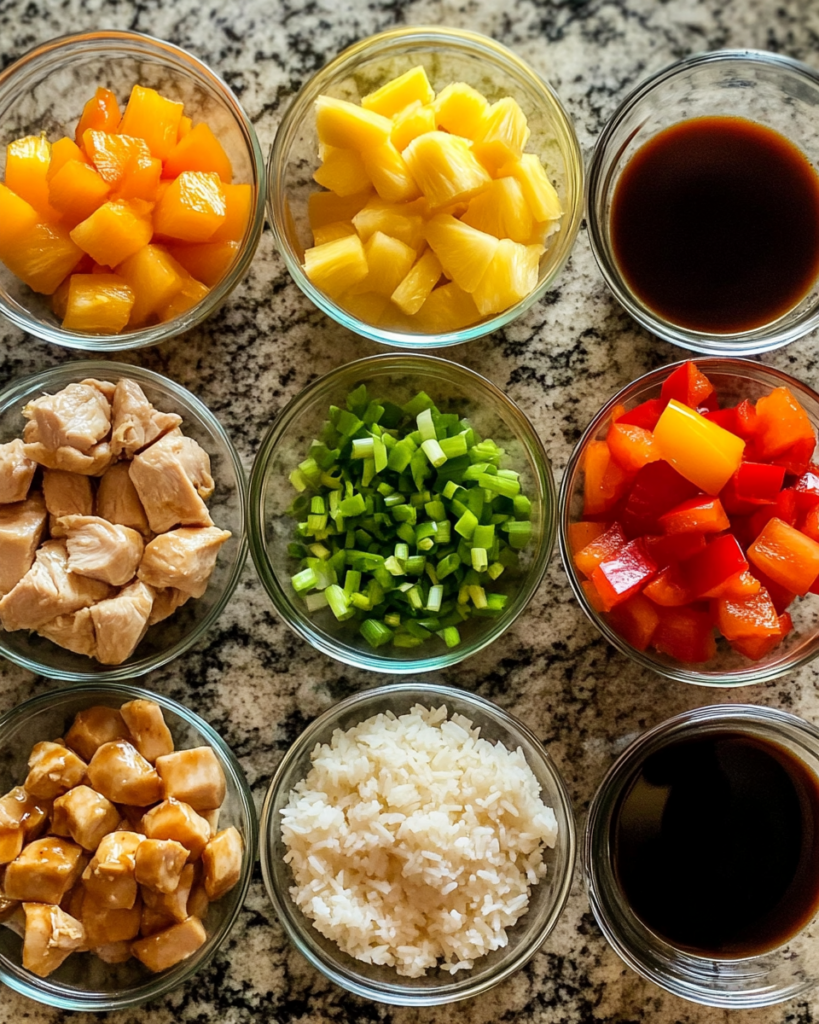
The foundation of Pineapple Chicken Rice Bowls begins with boneless, skinless chicken thighs or breasts. Chicken provides protein and develops rich flavor when seared until golden. Thighs tend to remain slightly juicier, while breasts offer a leaner option.
Fresh pineapple adds natural sweetness and a pleasant tangy note. When cooked briefly, pineapple caramelizes on the surface, creating deeper flavor while maintaining its juicy texture. Canned pineapple chunks may also be used if fresh pineapple is unavailable. Be sure to drain them well before cooking.
Rice serves as the base of the bowl. Long-grain white rice is a popular choice because it remains light and fluffy. Jasmine rice adds subtle fragrance, while brown rice contributes a nuttier taste and extra fiber.
The sauce combines soy sauce, garlic, ginger, honey, and a small amount of sesame oil. Soy sauce adds savory richness, garlic contributes aromatic depth, ginger provides warmth, and honey balances the salty elements with gentle sweetness.
Vegetables such as bell peppers, carrots, snap peas, or broccoli bring color, texture, and nutritional variety. These ingredients complement the chicken and pineapple without overpowering the dish.
Green onions and sesame seeds are commonly added as garnishes. They provide a finishing touch that contributes freshness and mild crunch.
The combination of protein, fruit, vegetables, grains, and sauce creates a balanced meal with appealing texture contrasts. Each ingredient plays a distinct role while contributing to a harmonious final bowl.
Ingredients
1 1/2 pounds boneless skinless chicken thighs, cut into bite-sized pieces
2 cups fresh pineapple chunks
3 cups cooked jasmine rice
1 red bell pepper, diced
1 yellow bell pepper, diced
1 cup broccoli florets
3 green onions, sliced
2 cloves garlic, minced
1 tablespoon fresh ginger, grated
3 tablespoons low-sodium soy sauce
2 tablespoons honey
1 tablespoon sesame oil
1 tablespoon rice vinegar
1 tablespoon cornstarch
2 tablespoons water
1 tablespoon vegetable oil
1/2 teaspoon salt
1/4 teaspoon black pepper
1 tablespoon sesame seeds
Step-by-Step Instructions
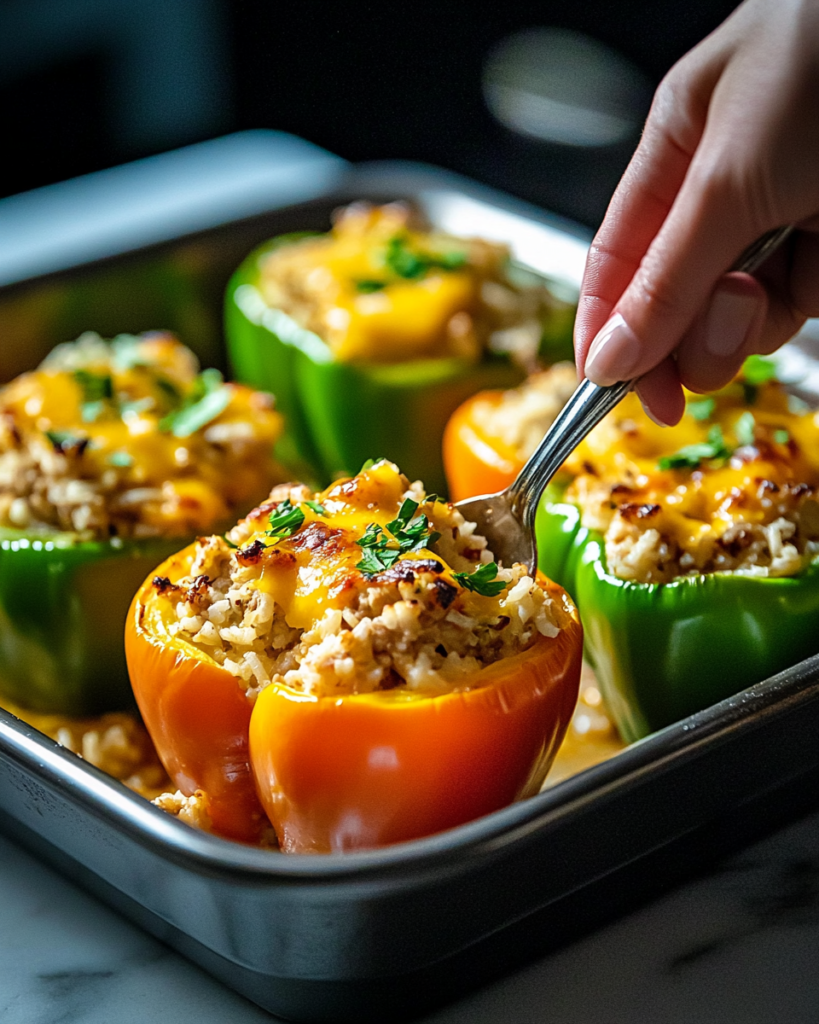
Begin by preparing the rice according to package directions. Fluffy rice is essential because it forms the base of the bowl and absorbs the flavorful sauce. Once cooked, keep the rice warm while preparing the remaining ingredients.
In a small bowl, whisk together the soy sauce, honey, sesame oil, rice vinegar, garlic, and ginger. In a separate cup, stir the cornstarch with water until smooth. Set both mixtures aside.
Pat the chicken pieces dry with paper towels. Dry chicken browns more effectively and develops richer flavor. Season the chicken with salt and black pepper.
Heat a large skillet or wok over medium-high heat. Add the vegetable oil. Once hot, place the chicken in a single layer. Avoid overcrowding the pan because crowded chicken steams rather than browns.
Cook the chicken for about 4 to 5 minutes without moving it frequently. Turn the pieces and continue cooking for another 4 to 5 minutes until golden and fully cooked. The internal temperature should reach 165°F (74°C).
Transfer the cooked chicken to a plate. Add the bell peppers and broccoli to the skillet. Stir-fry for about 3 to 4 minutes until slightly tender but still crisp.
Add the pineapple chunks and cook for another 2 minutes. The edges should begin developing light caramelization while remaining juicy.
Return the chicken to the skillet. Pour in the prepared sauce and stir thoroughly to coat all ingredients.
Add the cornstarch mixture and stir continuously. Within a minute or two, the sauce will thicken and cling to the chicken, vegetables, and pineapple. If the sauce becomes too thick, add a tablespoon or two of water.
Taste and adjust seasoning if needed. A small splash of soy sauce can add extra savory flavor, while a drizzle of honey can increase sweetness.
Divide the warm rice among serving bowls. Spoon the pineapple chicken mixture over the rice, allowing some sauce to soak into the grains.
Finish with sliced green onions and sesame seeds.
A frequent mistake is overcooking the pineapple. Excessive cooking can cause it to lose its pleasant texture. Another common issue is adding the sauce too early, which may prevent proper browning of the chicken. Cooking the chicken first and thickening the sauce near the end produces the most balanced result.
Serve immediately while hot for the best texture and flavor.
Tips, Variations & Substitutions
Chicken thighs provide rich flavor, but chicken breast works equally well for a leaner bowl. Turkey breast can also be substituted when desired.
Brown rice, basmati rice, or cauliflower rice may replace jasmine rice. Each option changes the texture slightly while maintaining the overall character of the dish.
For additional vegetables, consider snap peas, shredded carrots, zucchini, edamame, or mushrooms. These ingredients pair nicely with both pineapple and chicken.
A small amount of sriracha or red pepper flakes can add gentle heat. The sweetness of the pineapple balances spicy ingredients particularly well.
Fresh pineapple generally produces the most vibrant flavor, though canned pineapple remains a practical alternative. If using canned fruit, select pineapple packed in juice rather than heavy syrup.
Meal-prep enthusiasts often prepare a larger batch and store portions separately in airtight containers. The flavors continue to blend after refrigeration, creating a convenient lunch option for several days.
To add extra texture, top the bowls with chopped cashews, roasted peanuts, or toasted coconut. These additions contribute crunch and complement the tropical character of the dish.
When reheating leftovers, add a small splash of water before warming. This helps maintain a pleasant sauce consistency and prevents the rice from drying out.
Serving Ideas & Occasions
Pineapple Chicken Rice Bowls fit naturally into many dining occasions. They are substantial enough for dinner yet convenient for lunch preparation.
For a complete meal, pair the bowls with a crisp cucumber salad, lightly dressed cabbage slaw, or steamed green beans. These lighter side dishes provide refreshing contrast to the sweet and savory flavors.
A fruit-based beverage, sparkling water with citrus, or unsweetened iced tea complements the meal nicely without overwhelming the palate.
These bowls are particularly suitable for casual family dinners because they can be customized easily. Diners can add extra vegetables, additional sauce, or preferred garnishes according to individual tastes.
They also work well for gatherings where guests assemble their own bowls. Offering multiple toppings such as avocado slices, chopped herbs, or toasted nuts creates variety while keeping preparation manageable.
The colorful presentation of chicken, pineapple, vegetables, and rice makes the dish appealing throughout the year.
Nutritional & Health Notes
Pineapple Chicken Rice Bowls provide a balanced combination of protein, carbohydrates, and vegetables. Chicken supplies high-quality protein that contributes to satiety and supports daily nutritional needs.
Pineapple contributes vitamin C and natural sweetness, reducing the need for large amounts of added sugar. Vegetables such as bell peppers and broccoli provide fiber along with a range of vitamins and minerals.
Rice delivers energy-producing carbohydrates. Those seeking additional fiber may choose brown rice instead of white rice.
The homemade sauce allows control over sodium and sweetness levels. Using reduced-sodium soy sauce can lower overall salt content while maintaining savory flavor.
Because the meal includes multiple food groups in a single bowl, it can fit comfortably into a varied eating pattern. Portion sizes can also be adjusted according to individual dietary goals.
Selecting lean chicken breast, increasing the vegetable content, or serving smaller rice portions are simple adjustments that modify the nutritional profile without sacrificing flavor.
FAQs
Can I prepare Pineapple Chicken Rice Bowls ahead of time?
Yes. Pineapple Chicken Rice Bowls are well suited for advance preparation. Cook the rice, chicken, vegetables, and sauce, then allow everything to cool before storing. Divide the mixture into individual containers for convenient meals throughout the week. Refrigerated portions generally remain at their best for up to four days when stored properly. For the freshest texture, keep garnishes such as green onions and sesame seeds separate until serving. Reheat gently in the microwave or on the stovetop with a splash of water. This helps maintain moisture and keeps the sauce from becoming overly thick during reheating.
Can I use canned pineapple instead of fresh pineapple?
Canned pineapple is a practical substitute when fresh pineapple is unavailable. Choose pineapple packed in juice rather than syrup to avoid excessive sweetness. Drain the fruit thoroughly before adding it to the skillet. While fresh pineapple often delivers slightly brighter flavor and firmer texture, canned pineapple still works very well in this recipe. During cooking, the fruit absorbs some of the savory sauce and contributes sweetness that balances the seasoned chicken. Many home cooks keep canned pineapple on hand specifically because it simplifies preparation while still producing satisfying results.
What type of rice works best for this recipe?
Jasmine rice is a favorite choice because of its light texture and subtle fragrance. It absorbs sauce effectively without becoming heavy. Long-grain white rice is another dependable option that produces a fluffy base for the bowl. Brown rice offers additional fiber and a nuttier flavor profile. For a lower-carbohydrate variation, cauliflower rice may be used. Each option changes the final texture slightly, but the combination of chicken, pineapple, vegetables, and sauce remains appealing regardless of the rice selected. Choose the variety that best matches your dietary preferences and desired texture.
How can I add extra vegetables?
Adding vegetables is one of the simplest ways to customize Pineapple Chicken Rice Bowls. Broccoli, carrots, snap peas, zucchini, mushrooms, and edamame all work particularly well. The key is cutting vegetables into similarly sized pieces so they cook evenly. Stir-fry firmer vegetables first and add quicker-cooking ingredients slightly later. This method helps preserve texture and color. Additional vegetables blend naturally with the sweet pineapple and savory sauce, creating a bowl that feels hearty and balanced. The recipe can easily accommodate several extra cups of vegetables without requiring major adjustments.
Can I freeze Pineapple Chicken Rice Bowls?
Yes, though texture changes slightly after freezing. Allow the cooked mixture to cool completely before transferring it to freezer-safe containers. Freeze portions for up to three months. Rice and chicken generally freeze well, while pineapple may soften somewhat after thawing. When ready to serve, thaw overnight in the refrigerator and reheat gently. Adding a tablespoon or two of water during reheating can help restore the sauce consistency. Fresh garnishes should be added after warming. Freezing is particularly useful for meal planning because it provides ready-to-eat meals whenever needed.
How do I prevent the chicken from becoming dry?
Dry chicken is usually the result of overcooking or excessive heat. Cutting the chicken into evenly sized pieces promotes consistent cooking. Patting the meat dry before cooking encourages browning while preserving texture. Using a skillet that is properly heated before adding the chicken also helps. An instant-read thermometer provides the most accurate indicator of doneness. Remove the chicken once it reaches 165°F (74°C). Returning it briefly to the sauce at the end allows it to absorb flavor without prolonged cooking. Chicken thighs are especially forgiving because their slightly higher fat content helps maintain moisture.
Can I make this recipe gluten-free?
Absolutely. The primary ingredient requiring substitution is soy sauce. Replace traditional soy sauce with a certified gluten-free tamari or gluten-free soy sauce alternative. Check labels on any additional condiments used in the recipe to verify they meet gluten-free requirements. The remaining ingredients, including chicken, pineapple, vegetables, rice, honey, and sesame oil, are generally gluten-free, though individual product labels should always be reviewed. With this simple adjustment, the dish retains its signature sweet and savory flavor while fitting gluten-free dietary needs. The preparation process remains unchanged and the finished bowl remains satisfying and flavorful.