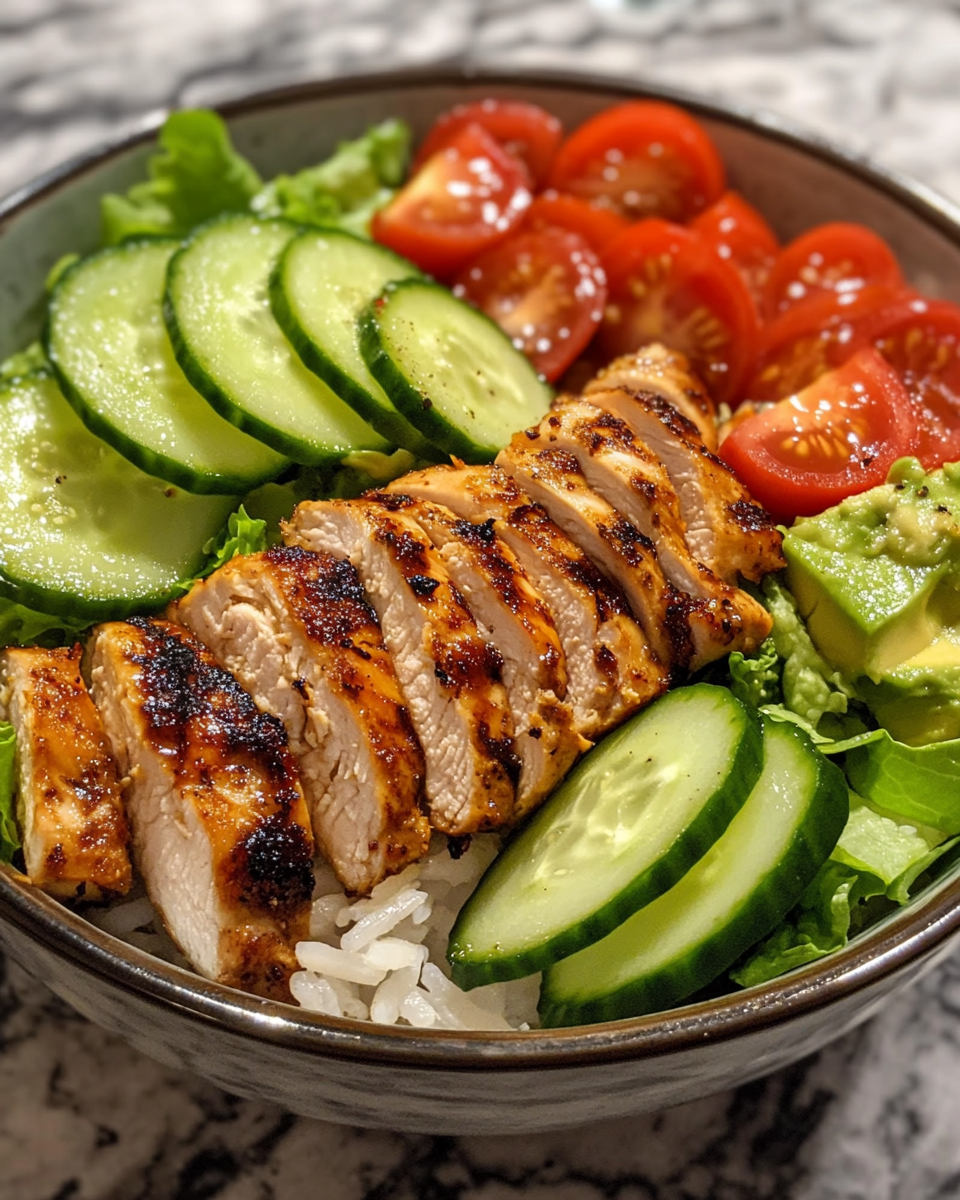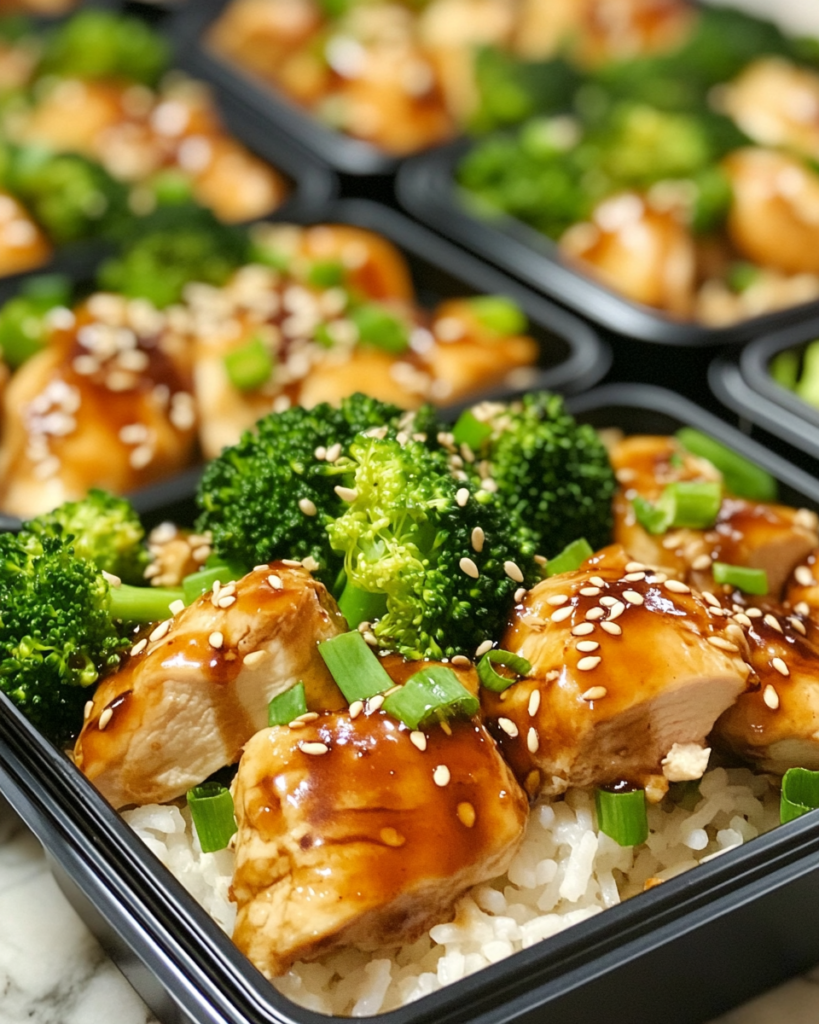
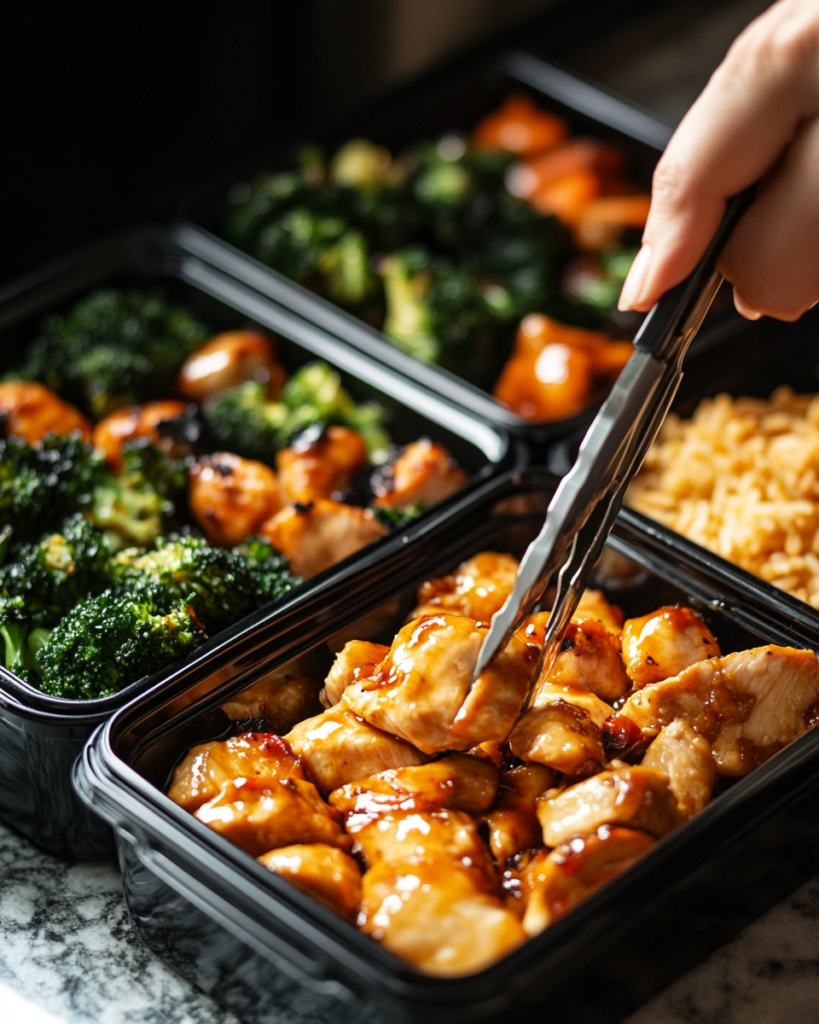
Teriyaki Chicken Meal Boxes combine tender glazed chicken, fluffy rice, crisp vegetables, and savory homemade sauce into a balanced make-ahead meal packed with comforting flavor. Sweet and savory teriyaki sauce coats juicy chicken beautifully while rice and vegetables balance the richness across each serving.
These meal boxes work wonderfully for busy weekday lunches, organized weekly meal preparation, or quick dinners after long days. Teriyaki Chicken Meal Boxes also store nicely, making them practical without sacrificing flavor or texture.
Ingredients Overview
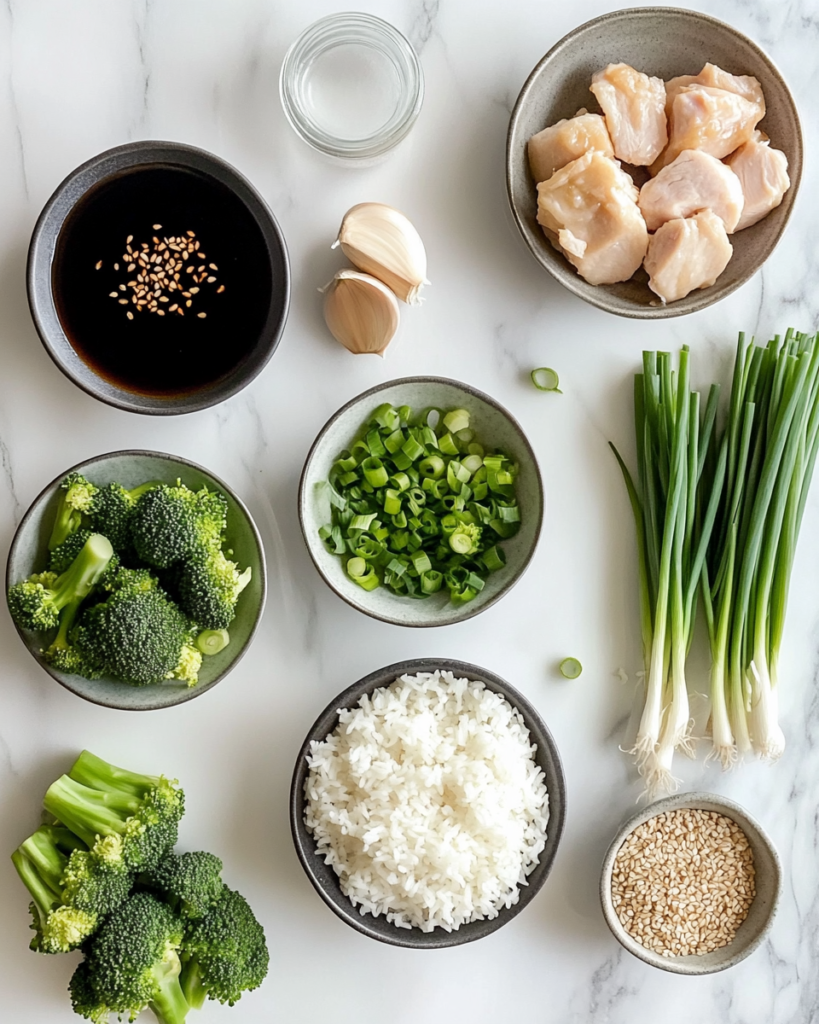
Boneless skinless chicken thighs remain especially popular for teriyaki recipes because they stay juicy during cooking while absorbing sauce beautifully. Chicken breast also works nicely for diners preferring leaner protein, though careful cooking helps prevent dryness.
Soy sauce forms the savory base of teriyaki sauce while brown sugar adds gentle sweetness and glossy texture. Garlic and ginger contribute aromatic warmth that balances the sweet notes naturally. Cornstarch thickens the sauce slightly so it clings nicely to the chicken and rice.
White rice provides soft fluffy texture beneath the saucy chicken. Jasmine rice pairs especially well because of its light fragrance. Brown rice creates a heartier variation with slightly nutty flavor and additional fiber.
Broccoli, carrots, cucumbers, snap peas, or edamame all complement teriyaki chicken beautifully through fresh texture and colorful contrast. Lightly steamed vegetables maintain pleasant bite while balancing the richer sauce.
Sesame seeds and green onions finish the meal boxes with subtle crunch and freshness. The combination of savory chicken, rice, vegetables, and glossy teriyaki sauce creates a balanced lunch or dinner that reheats comfortably throughout the week.
Ingredients
1 1/2 pounds boneless skinless chicken thighs, cut into bite-sized pieces
2 tablespoons olive oil
2 cups cooked jasmine rice
2 cups broccoli florets
1 cup shredded carrots
1 cup snap peas
2 green onions, sliced
1 tablespoon sesame seeds
For the Teriyaki Sauce:
1/2 cup low-sodium soy sauce
1/4 cup brown sugar
2 tablespoons honey
3 cloves garlic, minced
1 tablespoon fresh ginger, grated
2 tablespoons rice vinegar
1 tablespoon cornstarch
2 tablespoons water
Step-by-Step Instructions
Cook jasmine rice according to package directions and fluff gently with a fork once tender. Keep warm while preparing the remaining ingredients.
Steam broccoli and snap peas for roughly three to four minutes until bright green and slightly tender while still carrying gentle crispness. Overcooking vegetables may create soft texture after reheating, so slightly firmer vegetables work particularly well for meal preparation.
Whisk soy sauce, brown sugar, honey, garlic, ginger, and rice vinegar together inside a bowl. Stir cornstarch with water separately until smooth before adding it to the sauce mixture. This prevents clumping during cooking.
Heat olive oil within a large skillet across medium-high heat. Add chicken pieces in a single layer. Cook for roughly six to eight minutes, stirring occasionally until the chicken develops golden edges and cooks fully through. Internal temperature should reach 165 degrees Fahrenheit within the thickest pieces.
Pour the prepared teriyaki sauce into the skillet with the chicken. Stir continuously while the sauce simmers gently. Within several minutes, the sauce thickens into glossy consistency that coats the chicken evenly. Avoid excessively high heat because sugar within the sauce may darken too quickly.
Remove the skillet from the heat once the sauce reaches smooth thick texture. Sprinkle half the sliced green onions into the skillet for additional freshness.
Arrange cooked rice evenly among meal-prep containers or serving boxes. Add steamed broccoli, carrots, and snap peas beside the rice. Spoon teriyaki chicken across the rice along with extra sauce from the skillet.
Finish each meal box with sesame seeds and remaining green onions. Allow the containers to cool slightly before sealing and refrigerating.
Reheat gently before serving. A splash of water during reheating may help loosen the sauce if it thickens further during refrigeration.
Tips, Variations & Substitutions
Chicken thighs remain especially juicy after reheating, though chicken breast also works comfortably with careful cooking. Thinly sliced beef or shrimp may replace chicken for flavorful variations.
Brown rice or quinoa substitute nicely for jasmine rice. Cauliflower rice suits diners preferring lighter grain alternatives while still pairing beautifully with teriyaki sauce.
Broccoli, carrots, snap peas, edamame, bell peppers, zucchini, and cabbage all work nicely within these meal boxes. Firmer vegetables generally hold texture better during refrigeration and reheating.
Fresh ginger and garlic provide stronger flavor compared with powdered versions. Toasted sesame oil may replace part of the olive oil for deeper nutty aroma.
Meal boxes typically stay pleasant for roughly four days when refrigerated properly within sealed containers. Keeping cucumbers or delicate vegetables separate may preserve fresher texture.
For additional heat, stir red pepper flakes or sriracha into the teriyaki sauce. Pineapple chunks also pair beautifully with the savory glaze through subtle sweetness and bright acidity.
Serving Ideas & Occasions
Teriyaki Chicken Meal Boxes suit weekday lunches, organized meal preparation schedules, quick dinners, and casual packed meals for travel or workdays. Their balanced combination of rice, vegetables, and protein makes them especially practical for busy routines.
Miso soup, cucumber salad, or lightly salted edamame pair beautifully alongside these meal boxes. Fresh fruit such as pineapple or orange slices also complements the savory teriyaki flavor nicely.
These boxes travel comfortably for office lunches because the flavors remain pleasant after reheating. Divided containers help maintain separation between vegetables and rice for fresher presentation.
Build-your-own rice bowl dinners also work beautifully for family meals. Arrange vegetables, rice, and teriyaki chicken separately so diners may assemble personalized portions according to preference.
Nutritional & Health Notes
Teriyaki Chicken Meal Boxes provide balanced portions of protein, carbohydrates, and vegetables within a single meal. Chicken contributes satisfying protein while rice delivers steady energy through hearty carbohydrates.
Vegetables such as broccoli and carrots contribute fiber, vitamins, and colorful texture. Using low-sodium soy sauce helps moderate salt levels while still maintaining savory depth across the sauce.
Brown rice or quinoa may increase fiber content further for diners preferring whole-grain alternatives. Additional vegetables may also increase overall meal volume without greatly increasing calories.
Homemade teriyaki sauce allows ingredient control compared with many bottled sauces that contain heavier sugar or sodium levels. Portion flexibility also helps diners adjust rice, sauce, or vegetables according to individual preferences.
FAQs
Can chicken breast replace chicken thighs?
Chicken breast substitutes nicely for thighs within these meal boxes, though lean poultry cooks faster and may dry more easily if overcooked. Medium-high heat and shorter cooking time help maintain juicy texture. Cutting the chicken into evenly sized pieces also promotes consistent cooking throughout the skillet. Teriyaki sauce still coats chicken breast beautifully while adding moisture and savory flavor during reheating.
How long do teriyaki meal boxes stay fresh?
Properly sealed meal boxes generally stay pleasant for roughly four days inside refrigeration. Rice, chicken, and firmer vegetables such as broccoli or carrots reheat especially well. Allowing meal boxes to cool slightly before sealing helps reduce excess moisture buildup inside the containers. Reheat gently to maintain pleasant texture across the chicken and vegetables.
Which vegetables work particularly well?
Broccoli, carrots, snap peas, cabbage, zucchini, edamame, and bell peppers all pair beautifully with teriyaki chicken. Firmer vegetables tend to maintain texture better after refrigeration and reheating. Light steaming rather than heavy boiling also preserves color and slight crispness across the vegetables. Balanced texture between soft rice, glazed chicken, and crisp vegetables keeps the meal boxes satisfying.
Can the sauce become less sweet?
The sweetness adjusts easily according to personal preference. Reducing honey or brown sugar slightly still creates glossy texture while allowing soy sauce and ginger flavor to stand out more prominently. Additional rice vinegar may brighten the sauce further without making it overly sharp. Homemade sauce preparation allows flexible adjustments that bottled teriyaki sauces often cannot provide.
Is freezing suitable for these meal boxes?
Rice and teriyaki chicken freeze quite nicely when stored within sealed freezer-safe containers. Firmer vegetables such as broccoli also tolerate freezing reasonably well, though delicate vegetables may soften after thawing. Thaw overnight inside refrigeration before reheating gently. Fresh green onions and sesame seeds taste best when added shortly before serving rather than freezing alongside the meal boxes.
What rice variety pairs best with teriyaki chicken?
Jasmine rice remains especially popular because its soft texture and gentle fragrance pair naturally with savory teriyaki sauce. Long-grain white rice also works beautifully. Brown rice creates slightly nuttier flavor and additional fiber while quinoa offers heartier texture and higher protein content. Warm fluffy rice absorbs extra sauce nicely, helping balance the savory chicken and vegetables.
Can these meal boxes carry stronger spice levels?
Additional heat works very nicely with sweet teriyaki flavor. Red pepper flakes, sliced jalapeños, chili garlic sauce, or sriracha may stir directly into the sauce during cooking. Gradual seasoning adjustments help maintain balanced flavor so the garlic, ginger, and soy sauce remain noticeable beneath the added heat. Cooling vegetables and rice help balance stronger spice comfortably.