Chicken & Roasted Veggie Bowls: 5 Helpful Supper Plates

Posted on

Uncategorized

Difficulty

Prep time

Cooking time

Total time

Servings

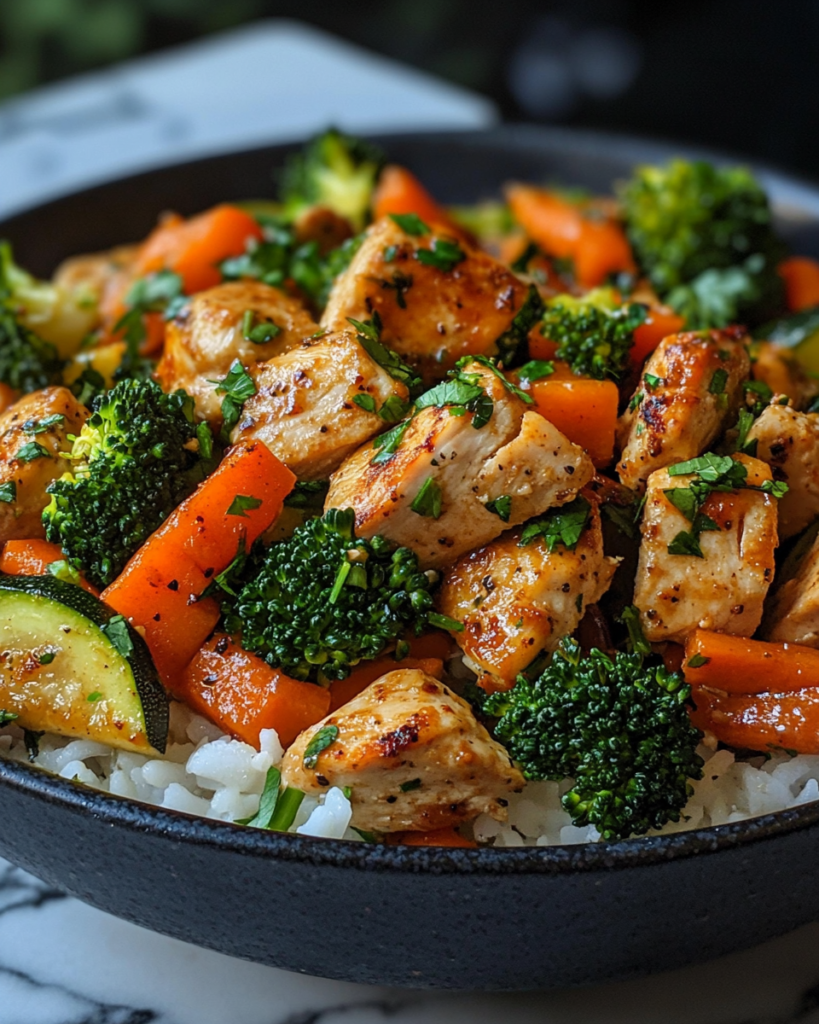
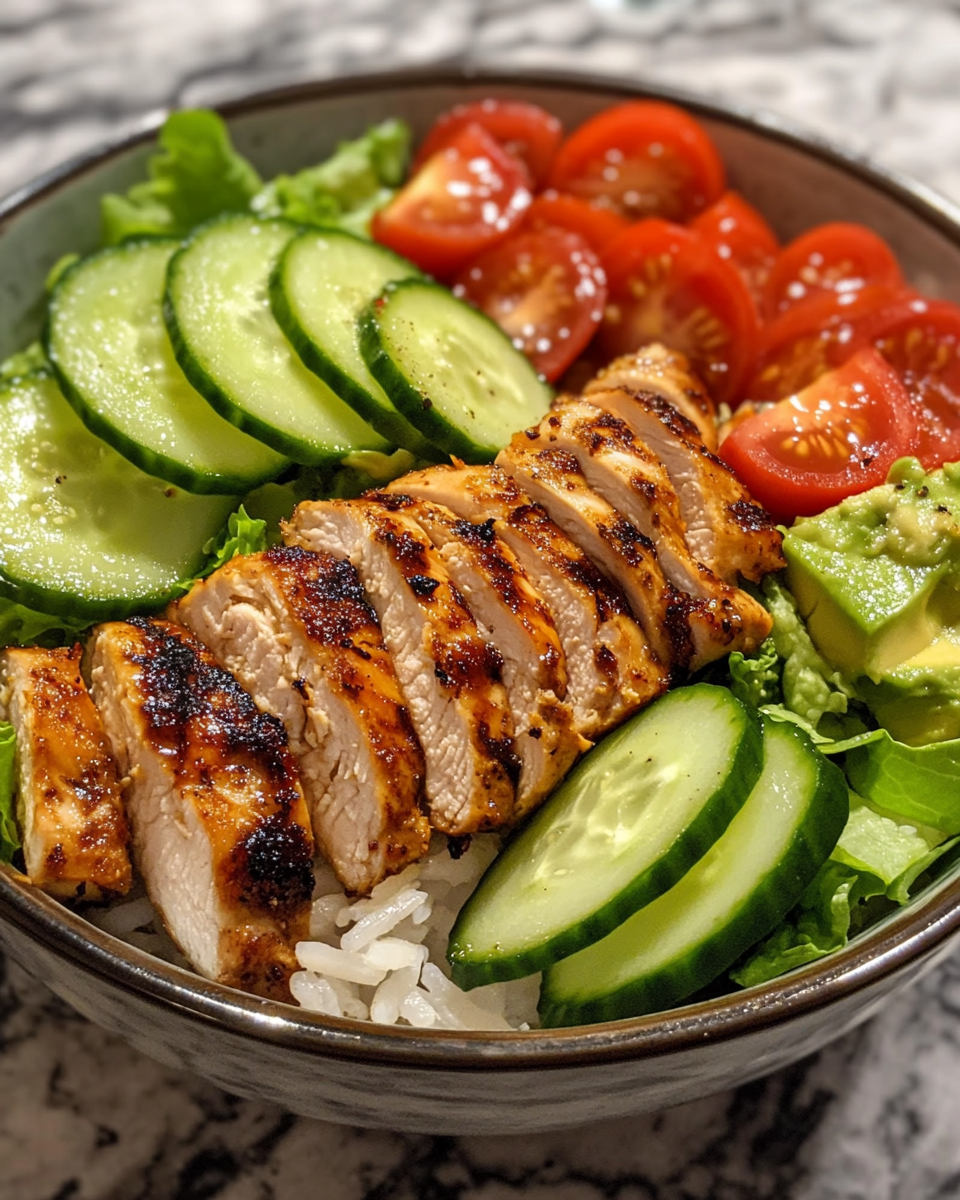
Chicken & Roasted Veggie Bowls bring together tender chicken, caramelized vegetables, hearty grains, and a creamy dressing in a single filling meal. The mix of roasted vegetables and seasoned chicken creates rich flavor with very little fuss, while the layered textures keep every bite balanced and satisfying.

These bowls fit busy weeknights, meal prep afternoons, and casual family suppers. They store well, reheat nicely, and can be changed with different grains, vegetables, or sauces depending on the season. Roasting the vegetables gives them deep savory flavor while the chicken stays juicy and lightly crisp around the edges.

The balance of protein, vegetables, and grains also makes these bowls hearty without feeling heavy. A bright dressing or squeeze of lemon ties everything together and keeps the bowl fresh tasting from the first bite to the last.

Ingredients Overview
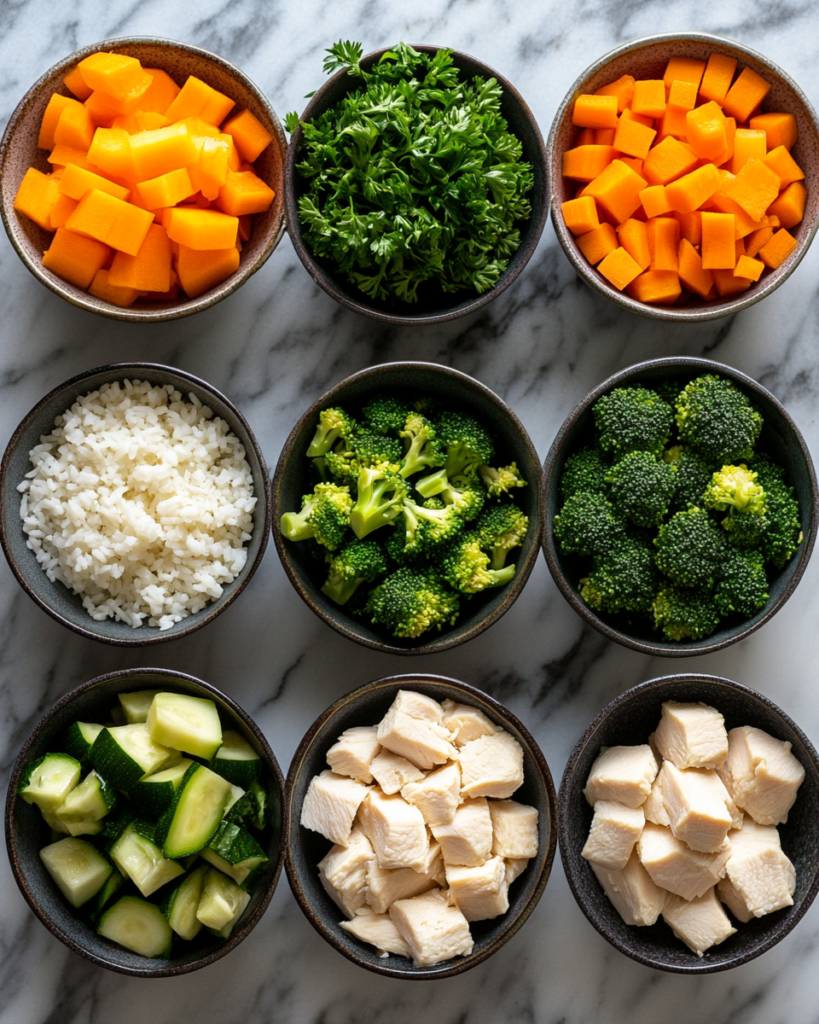
The base of Chicken & Roasted Veggie Bowls starts with boneless chicken thighs or chicken breasts. Chicken thighs stay slightly juicier during roasting, while chicken breasts create a lighter texture. Both work well with smoky spices, garlic, olive oil, and roasted vegetables.

Vegetables play a major role in the bowl. Broccoli, zucchini, carrots, red onion, and bell peppers roast beautifully because they soften while gaining browned edges. Sweet potatoes also work nicely for extra richness and texture. Cutting the vegetables into similar sizes helps them roast evenly and finish cooking at the same time.

Cooked rice, quinoa, or farro forms the grain base. Brown rice gives a nutty flavor and hearty texture, while quinoa keeps the bowl lighter. Farro adds chewiness and works nicely with roasted vegetables.

Olive oil coats the chicken and vegetables so they roast instead of drying out. Garlic powder, paprika, salt, black pepper, and dried oregano create balanced seasoning without overpowering the bowl. A small spoonful of honey or maple syrup can be added to the dressing for mild sweetness.

For the sauce, plain Greek yogurt mixed with lemon juice and garlic creates a creamy finish that balances the roasted flavor. Tahini dressing or avocado sauce also pairs nicely with the vegetables and chicken.

Fresh herbs such as parsley or cilantro brighten the finished bowl and add freshness right before serving.

Ingredients

1 1/2 pounds boneless skinless chicken thighs

2 tablespoons olive oil

1 teaspoon paprika

1 teaspoon garlic powder

1 teaspoon dried oregano

1 teaspoon salt

1/2 teaspoon black pepper

2 cups broccoli florets

1 large zucchini, sliced

1 red bell pepper, chopped

1 yellow bell pepper, chopped

1 red onion, sliced

2 carrots, peeled and sliced

1 tablespoon olive oil for vegetables

3 cups cooked brown rice

1/2 cup plain Greek yogurt

1 tablespoon lemon juice

1 small garlic clove, minced

2 tablespoons chopped parsley

Lemon wedges for serving

Step-by-Step Instructions
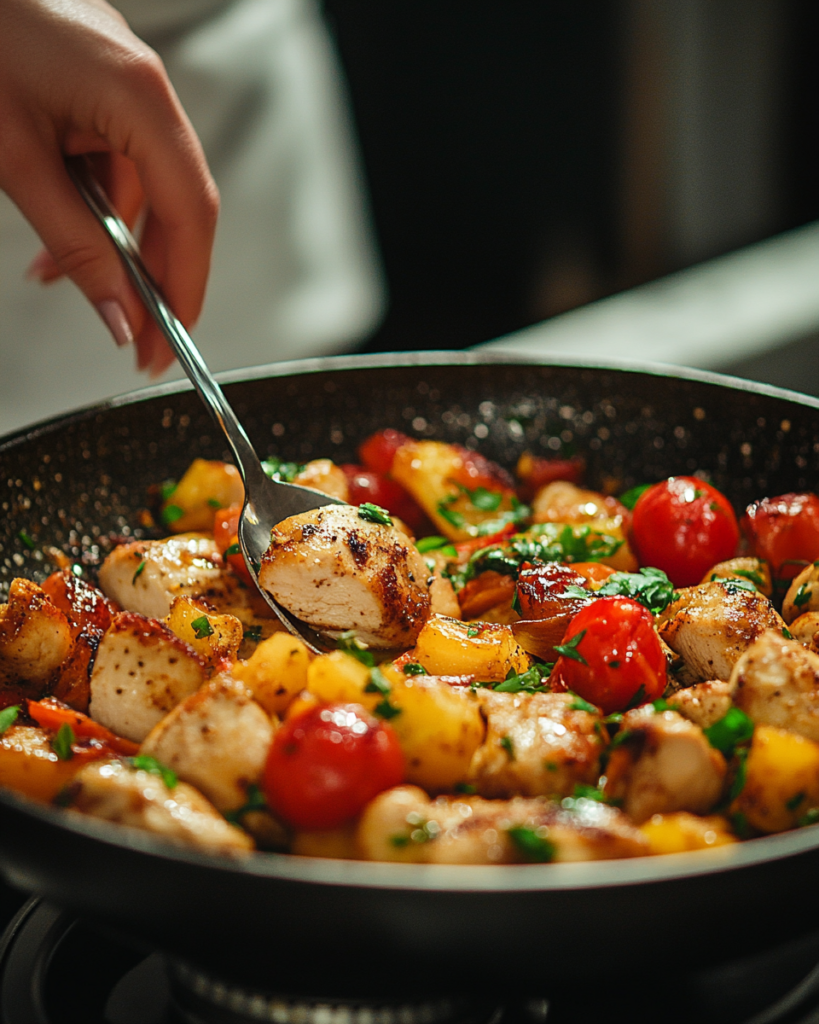
Preheat the oven to 425 degrees Fahrenheit. Line two baking sheets with parchment paper or lightly grease them with oil. Keeping the chicken and vegetables on separate pans helps everything roast evenly instead of steaming.

Pat the chicken dry with paper towels. Place it in a large bowl and coat with olive oil, paprika, garlic powder, oregano, salt, and black pepper. Toss until the seasoning fully covers the chicken pieces.

In another bowl, combine the broccoli, zucchini, bell peppers, onion, and carrots. Drizzle with olive oil and season lightly with salt and pepper. Spread the vegetables into an even layer on one baking sheet. Crowding the vegetables too closely traps moisture and prevents browning, so leave some space between pieces.

Arrange the chicken on the second baking sheet. Roast both pans in the oven for about 22 to 28 minutes. Halfway through cooking, stir the vegetables so their edges brown evenly. The chicken should reach an internal temperature of 165 degrees Fahrenheit and have lightly browned edges.

If the vegetables finish before the chicken, remove them early to avoid overcooking. Broccoli and peppers can soften quickly depending on their size. Carrots may need a few extra minutes if sliced thickly.

While everything roasts, prepare the rice according to package directions if it is not already cooked. Warm cooked rice before serving so the bowls stay hot throughout.

For the sauce, stir together the Greek yogurt, lemon juice, and minced garlic in a small bowl. Add a pinch of salt if desired. The sauce should taste creamy with a bright citrus finish.

Once the chicken finishes roasting, let it rest for about five minutes before slicing. Resting keeps the juices inside the meat instead of running onto the cutting board.

To assemble the bowls, divide the warm rice among serving bowls. Top each portion with roasted vegetables and sliced chicken. Spoon the yogurt sauce over the top and finish with chopped parsley and lemon wedges.

For added texture, toasted sunflower seeds or pumpkin seeds can be sprinkled over the bowls right before serving. If meal prepping, keep the sauce separate until serving so the vegetables stay fresh tasting.

Avoid overcooking the zucchini because it softens quickly in the oven. Cutting firmer vegetables slightly smaller than softer vegetables also helps everything roast evenly. Using high oven heat gives the vegetables caramelized edges while keeping the centers tender.

Tips, Variations & Substitutions

Chicken & Roasted Veggie Bowls work nicely with many ingredient swaps. Boneless chicken breasts can replace thighs for a leaner option, though they may cook slightly faster. Shrimp, turkey, or baked tofu also fit well in the bowls.

Vegetable choices can shift with the season. Brussels sprouts, cauliflower, asparagus, mushrooms, or sweet potatoes roast nicely and add different textures. Sweet potatoes pair especially well with smoky seasoning blends and creamy yogurt sauce.

For extra flavor, marinate the chicken for thirty minutes before roasting. Lemon juice, olive oil, garlic, and dried herbs create a balanced marinade that keeps the chicken moist during cooking.

Rice is the most common base, though quinoa, barley, couscous, or cauliflower rice work nicely too. Cauliflower rice creates a lighter bowl while farro gives a hearty texture.

The yogurt sauce can also change depending on preference. Tahini sauce gives a nutty finish, while avocado dressing creates a smooth creamy texture. A mild hot sauce or crushed red pepper flakes can add gentle heat without overpowering the vegetables.

Meal prep cooks can divide the bowls into containers for easy lunches during the week. Store the sauce separately and add fresh herbs right before serving for the freshest flavor.

Serving Ideas & Occasions

Chicken & Roasted Veggie Bowls fit many meals throughout the week because they are filling without requiring complicated preparation. They work nicely for family suppers, packed lunches, or relaxed weekend meals.

Serve the bowls with warm pita bread, a crisp green salad, or roasted chickpeas for extra texture. Sparkling water with lemon, iced tea, or citrus-infused water pairs nicely with the savory roasted vegetables and creamy sauce.

These bowls are also practical for casual gatherings because guests can build their own combinations. Setting out grains, vegetables, sauces, and toppings buffet-style allows everyone to customize their bowl.

During cooler months, roasted root vegetables create a hearty supper. In warmer weather, lighter vegetables such as zucchini and peppers keep the meal fresh and balanced. The bowls also travel well for picnics or packed work lunches since the ingredients stay flavorful even after reheating.

Nutritional & Health Notes

Chicken & Roasted Veggie Bowls provide balanced nutrition through lean protein, vegetables, healthy fats, and whole grains. Chicken supplies protein that helps create a filling meal, while roasted vegetables add fiber, vitamins, and minerals.

Brown rice contributes complex carbohydrates that pair well with the protein and vegetables. Quinoa can also add additional protein and fiber if used instead of rice. Olive oil supplies heart-friendly fats while helping the vegetables roast properly.

Greek yogurt sauce adds creaminess while contributing calcium and protein. Using plain yogurt also keeps added sugar lower than many bottled dressings.

Roasting vegetables rather than frying them keeps the dish lighter while still creating deep savory flavor. Colorful vegetables such as broccoli, carrots, and peppers provide a range of nutrients and natural sweetness.

Portion sizes can easily shift depending on appetite or dietary preference. Extra vegetables can replace part of the grain for a lighter bowl, while additional rice or quinoa creates a more filling meal for active households.

FAQs

Can I prepare Chicken & Roasted Veggie Bowls ahead of time?

Yes, these bowls work very well for meal prep. Roast the chicken and vegetables, cook the grain base, and allow everything to cool before storing in airtight containers. Keeping the sauce separate helps the vegetables stay fresh tasting and prevents the rice from becoming soggy. The bowls usually keep well in the refrigerator for up to four days. Reheat the chicken, vegetables, and grains gently in the microwave or oven before adding the sauce and fresh herbs. If preparing for several lunches, dividing the ingredients into individual containers saves time during busy mornings and helps portions stay balanced.

Which vegetables roast best in these bowls?

Firm vegetables with moderate moisture roast especially well because they brown nicely without becoming mushy. Broccoli, carrots, cauliflower, bell peppers, onions, zucchini, and Brussels sprouts are all solid choices. Root vegetables such as sweet potatoes also add hearty texture and mild sweetness. Softer vegetables should be cut slightly larger so they do not overcook before firmer vegetables finish roasting. Using a hot oven and spreading everything into a single layer also helps vegetables caramelize instead of steaming. Mixing colorful vegetables creates visual contrast and balanced texture throughout the bowl.

Can I freeze Chicken & Roasted Veggie Bowls?

The chicken and grains freeze well, though some vegetables may soften slightly after thawing. Broccoli, carrots, and peppers generally hold their texture better than zucchini after freezing. Store cooled portions in freezer-safe containers for up to three months. Thaw overnight in the refrigerator before reheating. Fresh sauce should be prepared separately after thawing because yogurt-based sauces can separate in the freezer. Adding fresh herbs and lemon juice right before serving also brightens the flavor after reheating frozen portions.

What sauce pairs nicely with these bowls?

Greek yogurt sauce is a popular option because it balances the roasted vegetables with creamy texture and mild tanginess. Tahini dressing gives a richer nutty flavor that pairs nicely with broccoli and carrots. Avocado sauce creates a smooth finish with fresh flavor, while garlic vinaigrette keeps the bowl lighter. Mild salsa, hummus, or herb dressing can also work depending on the vegetables used. Keeping the sauce simple helps the roasted ingredients remain the focus of the bowl while still adding moisture and contrast.

How do I keep the chicken from drying out?

Using chicken thighs instead of breasts often helps because thighs contain slightly more fat and remain juicy during roasting. If using chicken breasts, avoid overcooking by checking the temperature early with a meat thermometer. The chicken should reach 165 degrees Fahrenheit in the thickest part. Letting the chicken rest for several minutes after roasting also helps the juices settle back into the meat. Coating the chicken lightly with olive oil before cooking creates better browning while helping maintain moisture throughout roasting.

Can I make these bowls without grains?

Yes, the bowls can still feel filling without rice or quinoa. Extra roasted vegetables create a hearty base, while greens such as spinach or chopped romaine add freshness. Cauliflower rice also works as a lighter substitute while still giving the bowl structure. Chickpeas or white beans can replace part of the grain while adding fiber and protein. Grain-free versions pair nicely with creamy sauces because the vegetables remain the primary texture in the bowl.

What is the best way to reheat leftovers?

Microwave reheating works well for quick meals. Cover the bowl loosely and heat in short intervals while stirring occasionally so the rice and vegetables warm evenly. Oven reheating also works nicely for maintaining texture. Spread the chicken and vegetables on a baking sheet and warm at 350 degrees Fahrenheit until heated through. Adding the sauce after reheating keeps it fresh and creamy. A squeeze of fresh lemon right before serving also brightens the flavor after storage.

[rank_math_breadcrumb]

Chicken & Roasted Veggie Bowls: 5 Helpful Supper Plates

Photo of author
Author: Olivia
Published:

Chicken & Roasted Veggie Bowls bring together tender chicken, caramelized vegetables, hearty grains, and a creamy dressing in a single filling meal. The mix of roasted vegetables and seasoned chicken creates rich flavor with very little fuss, while the layered textures keep every bite balanced and satisfying.

These bowls fit busy weeknights, meal prep afternoons, and casual family suppers. They store well, reheat nicely, and can be changed with different grains, vegetables, or sauces depending on the season. Roasting the vegetables gives them deep savory flavor while the chicken stays juicy and lightly crisp around the edges.

The balance of protein, vegetables, and grains also makes these bowls hearty without feeling heavy. A bright dressing or squeeze of lemon ties everything together and keeps the bowl fresh tasting from the first bite to the last.

Ingredients Overview

The base of Chicken & Roasted Veggie Bowls starts with boneless chicken thighs or chicken breasts. Chicken thighs stay slightly juicier during roasting, while chicken breasts create a lighter texture. Both work well with smoky spices, garlic, olive oil, and roasted vegetables.

Vegetables play a major role in the bowl. Broccoli, zucchini, carrots, red onion, and bell peppers roast beautifully because they soften while gaining browned edges. Sweet potatoes also work nicely for extra richness and texture. Cutting the vegetables into similar sizes helps them roast evenly and finish cooking at the same time.

Cooked rice, quinoa, or farro forms the grain base. Brown rice gives a nutty flavor and hearty texture, while quinoa keeps the bowl lighter. Farro adds chewiness and works nicely with roasted vegetables.

Olive oil coats the chicken and vegetables so they roast instead of drying out. Garlic powder, paprika, salt, black pepper, and dried oregano create balanced seasoning without overpowering the bowl. A small spoonful of honey or maple syrup can be added to the dressing for mild sweetness.

For the sauce, plain Greek yogurt mixed with lemon juice and garlic creates a creamy finish that balances the roasted flavor. Tahini dressing or avocado sauce also pairs nicely with the vegetables and chicken.

Fresh herbs such as parsley or cilantro brighten the finished bowl and add freshness right before serving.

Ingredients

1 1/2 pounds boneless skinless chicken thighs

2 tablespoons olive oil

1 teaspoon paprika

1 teaspoon garlic powder

1 teaspoon dried oregano

1 teaspoon salt

1/2 teaspoon black pepper

2 cups broccoli florets

1 large zucchini, sliced

1 red bell pepper, chopped

1 yellow bell pepper, chopped

1 red onion, sliced

2 carrots, peeled and sliced

1 tablespoon olive oil for vegetables

3 cups cooked brown rice

1/2 cup plain Greek yogurt

1 tablespoon lemon juice

1 small garlic clove, minced

2 tablespoons chopped parsley

Lemon wedges for serving

Step-by-Step Instructions

Preheat the oven to 425 degrees Fahrenheit. Line two baking sheets with parchment paper or lightly grease them with oil. Keeping the chicken and vegetables on separate pans helps everything roast evenly instead of steaming.

Pat the chicken dry with paper towels. Place it in a large bowl and coat with olive oil, paprika, garlic powder, oregano, salt, and black pepper. Toss until the seasoning fully covers the chicken pieces.

In another bowl, combine the broccoli, zucchini, bell peppers, onion, and carrots. Drizzle with olive oil and season lightly with salt and pepper. Spread the vegetables into an even layer on one baking sheet. Crowding the vegetables too closely traps moisture and prevents browning, so leave some space between pieces.

Arrange the chicken on the second baking sheet. Roast both pans in the oven for about 22 to 28 minutes. Halfway through cooking, stir the vegetables so their edges brown evenly. The chicken should reach an internal temperature of 165 degrees Fahrenheit and have lightly browned edges.

If the vegetables finish before the chicken, remove them early to avoid overcooking. Broccoli and peppers can soften quickly depending on their size. Carrots may need a few extra minutes if sliced thickly.

While everything roasts, prepare the rice according to package directions if it is not already cooked. Warm cooked rice before serving so the bowls stay hot throughout.

For the sauce, stir together the Greek yogurt, lemon juice, and minced garlic in a small bowl. Add a pinch of salt if desired. The sauce should taste creamy with a bright citrus finish.

Once the chicken finishes roasting, let it rest for about five minutes before slicing. Resting keeps the juices inside the meat instead of running onto the cutting board.

To assemble the bowls, divide the warm rice among serving bowls. Top each portion with roasted vegetables and sliced chicken. Spoon the yogurt sauce over the top and finish with chopped parsley and lemon wedges.

For added texture, toasted sunflower seeds or pumpkin seeds can be sprinkled over the bowls right before serving. If meal prepping, keep the sauce separate until serving so the vegetables stay fresh tasting.

Avoid overcooking the zucchini because it softens quickly in the oven. Cutting firmer vegetables slightly smaller than softer vegetables also helps everything roast evenly. Using high oven heat gives the vegetables caramelized edges while keeping the centers tender.

Tips, Variations & Substitutions

Chicken & Roasted Veggie Bowls work nicely with many ingredient swaps. Boneless chicken breasts can replace thighs for a leaner option, though they may cook slightly faster. Shrimp, turkey, or baked tofu also fit well in the bowls.

Vegetable choices can shift with the season. Brussels sprouts, cauliflower, asparagus, mushrooms, or sweet potatoes roast nicely and add different textures. Sweet potatoes pair especially well with smoky seasoning blends and creamy yogurt sauce.

For extra flavor, marinate the chicken for thirty minutes before roasting. Lemon juice, olive oil, garlic, and dried herbs create a balanced marinade that keeps the chicken moist during cooking.

Rice is the most common base, though quinoa, barley, couscous, or cauliflower rice work nicely too. Cauliflower rice creates a lighter bowl while farro gives a hearty texture.

The yogurt sauce can also change depending on preference. Tahini sauce gives a nutty finish, while avocado dressing creates a smooth creamy texture. A mild hot sauce or crushed red pepper flakes can add gentle heat without overpowering the vegetables.

Meal prep cooks can divide the bowls into containers for easy lunches during the week. Store the sauce separately and add fresh herbs right before serving for the freshest flavor.

Serving Ideas & Occasions

Chicken & Roasted Veggie Bowls fit many meals throughout the week because they are filling without requiring complicated preparation. They work nicely for family suppers, packed lunches, or relaxed weekend meals.

Serve the bowls with warm pita bread, a crisp green salad, or roasted chickpeas for extra texture. Sparkling water with lemon, iced tea, or citrus-infused water pairs nicely with the savory roasted vegetables and creamy sauce.

These bowls are also practical for casual gatherings because guests can build their own combinations. Setting out grains, vegetables, sauces, and toppings buffet-style allows everyone to customize their bowl.

During cooler months, roasted root vegetables create a hearty supper. In warmer weather, lighter vegetables such as zucchini and peppers keep the meal fresh and balanced. The bowls also travel well for picnics or packed work lunches since the ingredients stay flavorful even after reheating.

Nutritional & Health Notes

Chicken & Roasted Veggie Bowls provide balanced nutrition through lean protein, vegetables, healthy fats, and whole grains. Chicken supplies protein that helps create a filling meal, while roasted vegetables add fiber, vitamins, and minerals.

Brown rice contributes complex carbohydrates that pair well with the protein and vegetables. Quinoa can also add additional protein and fiber if used instead of rice. Olive oil supplies heart-friendly fats while helping the vegetables roast properly.

Greek yogurt sauce adds creaminess while contributing calcium and protein. Using plain yogurt also keeps added sugar lower than many bottled dressings.

Roasting vegetables rather than frying them keeps the dish lighter while still creating deep savory flavor. Colorful vegetables such as broccoli, carrots, and peppers provide a range of nutrients and natural sweetness.

Portion sizes can easily shift depending on appetite or dietary preference. Extra vegetables can replace part of the grain for a lighter bowl, while additional rice or quinoa creates a more filling meal for active households.

FAQs

Can I prepare Chicken & Roasted Veggie Bowls ahead of time?

Yes, these bowls work very well for meal prep. Roast the chicken and vegetables, cook the grain base, and allow everything to cool before storing in airtight containers. Keeping the sauce separate helps the vegetables stay fresh tasting and prevents the rice from becoming soggy. The bowls usually keep well in the refrigerator for up to four days. Reheat the chicken, vegetables, and grains gently in the microwave or oven before adding the sauce and fresh herbs. If preparing for several lunches, dividing the ingredients into individual containers saves time during busy mornings and helps portions stay balanced.

Which vegetables roast best in these bowls?

Firm vegetables with moderate moisture roast especially well because they brown nicely without becoming mushy. Broccoli, carrots, cauliflower, bell peppers, onions, zucchini, and Brussels sprouts are all solid choices. Root vegetables such as sweet potatoes also add hearty texture and mild sweetness. Softer vegetables should be cut slightly larger so they do not overcook before firmer vegetables finish roasting. Using a hot oven and spreading everything into a single layer also helps vegetables caramelize instead of steaming. Mixing colorful vegetables creates visual contrast and balanced texture throughout the bowl.

Can I freeze Chicken & Roasted Veggie Bowls?

The chicken and grains freeze well, though some vegetables may soften slightly after thawing. Broccoli, carrots, and peppers generally hold their texture better than zucchini after freezing. Store cooled portions in freezer-safe containers for up to three months. Thaw overnight in the refrigerator before reheating. Fresh sauce should be prepared separately after thawing because yogurt-based sauces can separate in the freezer. Adding fresh herbs and lemon juice right before serving also brightens the flavor after reheating frozen portions.

What sauce pairs nicely with these bowls?

Greek yogurt sauce is a popular option because it balances the roasted vegetables with creamy texture and mild tanginess. Tahini dressing gives a richer nutty flavor that pairs nicely with broccoli and carrots. Avocado sauce creates a smooth finish with fresh flavor, while garlic vinaigrette keeps the bowl lighter. Mild salsa, hummus, or herb dressing can also work depending on the vegetables used. Keeping the sauce simple helps the roasted ingredients remain the focus of the bowl while still adding moisture and contrast.

How do I keep the chicken from drying out?

Using chicken thighs instead of breasts often helps because thighs contain slightly more fat and remain juicy during roasting. If using chicken breasts, avoid overcooking by checking the temperature early with a meat thermometer. The chicken should reach 165 degrees Fahrenheit in the thickest part. Letting the chicken rest for several minutes after roasting also helps the juices settle back into the meat. Coating the chicken lightly with olive oil before cooking creates better browning while helping maintain moisture throughout roasting.

Can I make these bowls without grains?

Yes, the bowls can still feel filling without rice or quinoa. Extra roasted vegetables create a hearty base, while greens such as spinach or chopped romaine add freshness. Cauliflower rice also works as a lighter substitute while still giving the bowl structure. Chickpeas or white beans can replace part of the grain while adding fiber and protein. Grain-free versions pair nicely with creamy sauces because the vegetables remain the primary texture in the bowl.

What is the best way to reheat leftovers?

Microwave reheating works well for quick meals. Cover the bowl loosely and heat in short intervals while stirring occasionally so the rice and vegetables warm evenly. Oven reheating also works nicely for maintaining texture. Spread the chicken and vegetables on a baking sheet and warm at 350 degrees Fahrenheit until heated through. Adding the sauce after reheating keeps it fresh and creamy. A squeeze of fresh lemon right before serving also brightens the flavor after storage.
Name

Lorem ipsum dolor sit amet, consectetur adipiscing elit. Suspendisse varius enim in eros elementum tristique. Duis cursus, mi quis viverra ornare, eros dolor interdum nulla, ut commodo diam libero vitae erat.

You Might Also Like...

Healthy Avocado Chicken Rice Bowl: 7 Simple Devoted Meals

Healthy Avocado Chicken Rice Bowl: 7 Simple Devoted Meals

Chicken Enchilada Rice Bake: 5 Authentic Comforting Dinners

Chicken Enchilada Rice Bake: 5 Authentic Comforting Dinners

Sweet Chili Chicken Rice Bowls: 30-Minute Authentic Comfort

Sweet Chili Chicken Rice Bowls: 30-Minute Authentic Comfort

Creamy Cajun Chicken Rice: 1 Authentic Comforting Dish

Creamy Cajun Chicken Rice: 1 Authentic Comforting Dish

Tags:

You might also like these recipes

Leave a Comment