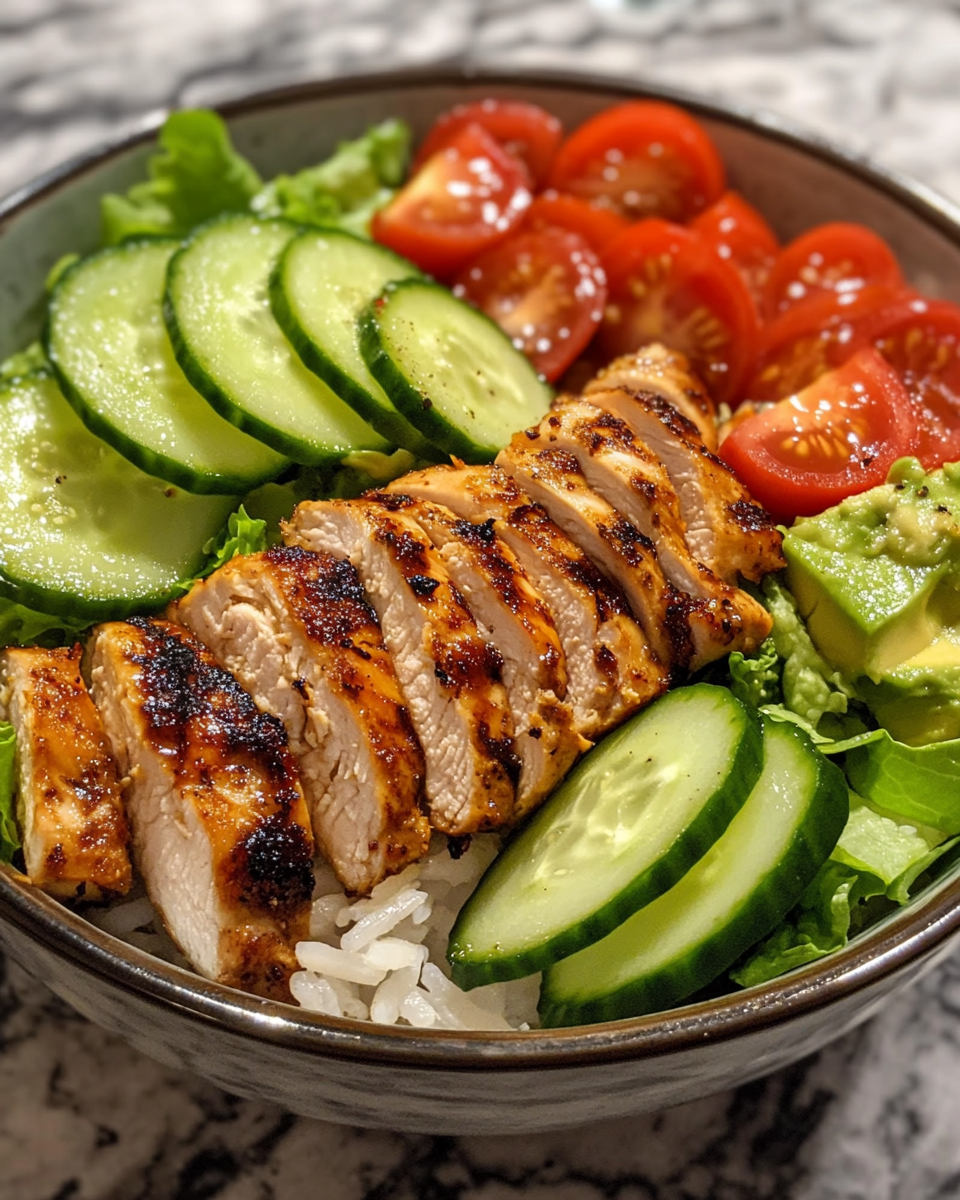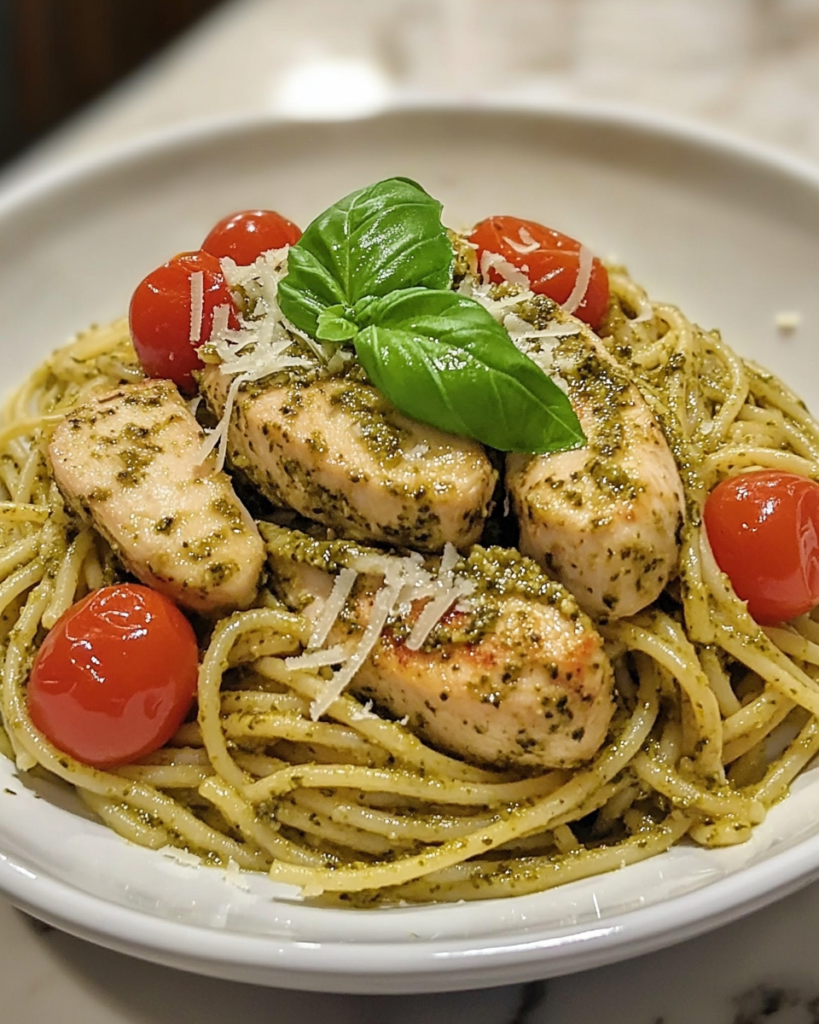
Pesto Chicken Pasta Boxes bring together basil pesto, tender chicken, pasta, and crisp vegetables in a balanced dish suited for lunch prep, casual suppers, or picnic baskets. The rich basil aroma pairs beautifully with juicy chicken and warm pasta, while parmesan adds a savory finish that ties every bite together.
These pasta boxes store well in the refrigerator, travel neatly, and hold their texture for several days. Many families favor them for weekday lunches because the flavors deepen after chilling overnight. Cold or lightly warmed, the combination remains satisfying without feeling overly heavy.
Fresh basil pesto carries herb brightness, olive oil richness, garlic depth, and nutty parmesan flavor into every forkful. Combined with seasoned chicken breast and al dente pasta, the result feels hearty while still carrying vibrant garden character.
Ingredients Overview
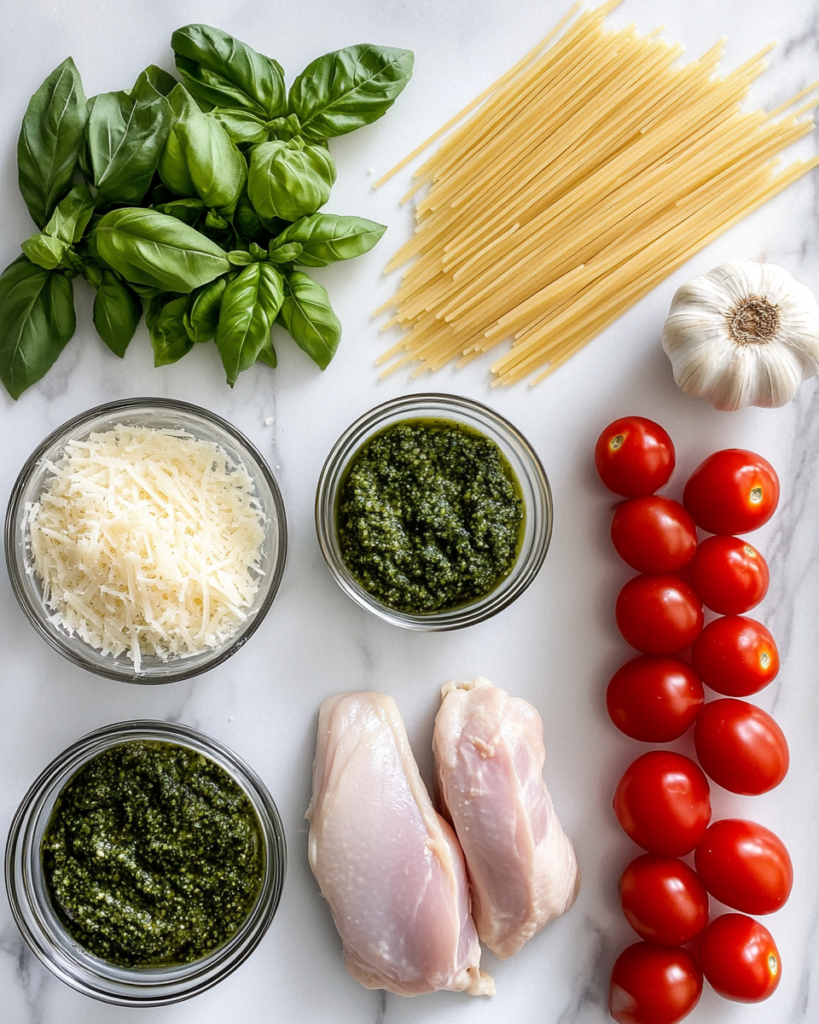
Chicken breast forms the hearty base for these pasta boxes. Boneless skinless chicken cooks quickly and absorbs pesto beautifully. Light seasoning with salt, pepper, and garlic powder keeps the flavor balanced without overpowering the basil mixture. Chicken thighs also work nicely for diners seeking richer texture.
Pasta provides structure and chew. Rotini and penne remain popular because the ridges hold pesto well. Farfalle also suits meal-prep containers since the pasta keeps its shape after chilling. Whole wheat pasta adds additional fiber along with a slightly nutty taste.
Pesto serves as the central flavor component. Traditional basil pesto includes basil leaves, parmesan cheese, olive oil, pine nuts, and garlic. Store-bought pesto works well during busy weekdays, while homemade pesto brings fresher herb character. Walnut pesto or spinach pesto can replace basil pesto if desired.
Vegetables add freshness and contrast. Cherry tomatoes contribute sweetness and acidity, while baby spinach softens slightly after mixing with warm pasta. Roasted zucchini, bell peppers, or broccoli also pair naturally with pesto chicken.
Parmesan cheese finishes the dish with salty depth. Freshly grated parmesan melts lightly into warm pasta, coating each piece without creating heaviness. Mozzarella pearls can also join the mixture for additional creaminess.
Olive oil helps the pesto coat the pasta evenly while preventing dryness during refrigeration. A small squeeze of lemon brightens the entire dish and balances the richness from cheese and nuts.
Ingredients
1 pound boneless skinless chicken breast
12 ounces rotini pasta
1 cup basil pesto
2 tablespoons olive oil
1 teaspoon garlic powder
1 teaspoon kosher salt
1/2 teaspoon black pepper
1 cup cherry tomatoes, halved
2 cups baby spinach
1/2 cup grated parmesan cheese
1 tablespoon lemon juice
1/4 cup toasted pine nuts
1/4 teaspoon red pepper flakes
Fresh basil leaves for garnish
Step-by-Step Instructions
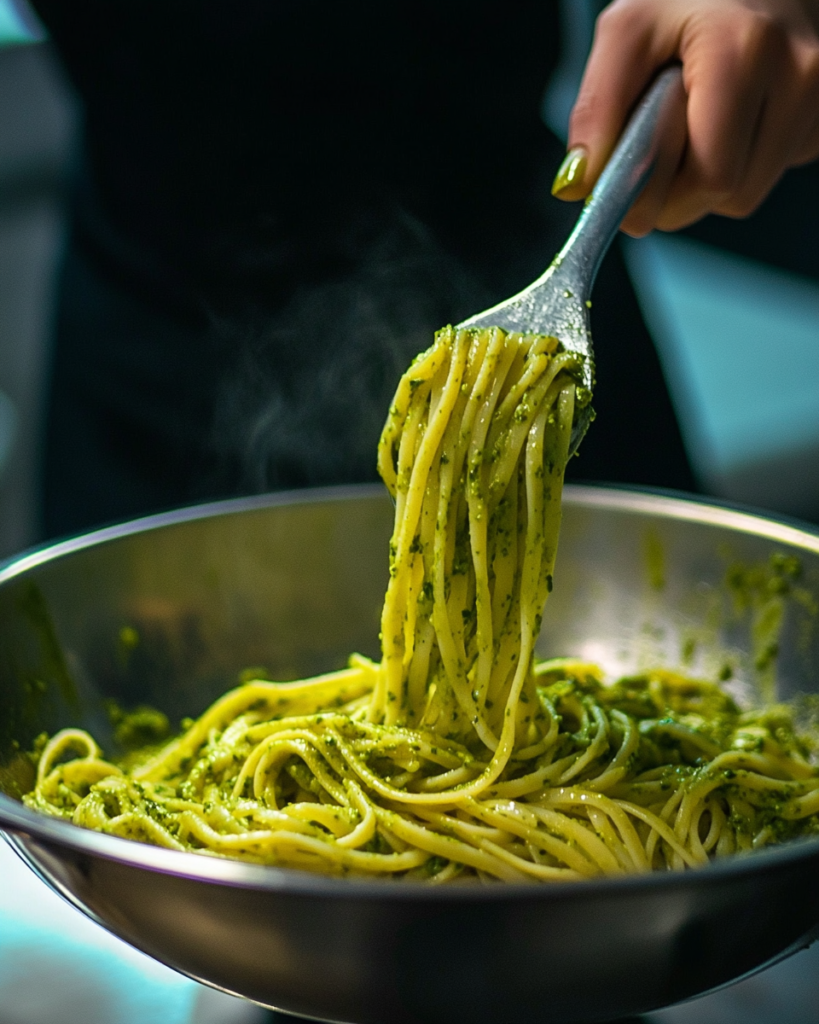
Bring a large pot of salted water to a rolling boil. Add the rotini pasta and cook until al dente according to package directions. Pasta with slight firmness holds up far better during refrigeration than overly soft pasta. Drain the pasta and rinse lightly under cool water to stop additional cooking. Toss with a small drizzle of olive oil to prevent sticking.
While the pasta cooks, pat the chicken dry with paper towels. Season both sides with garlic powder, salt, and black pepper. Heat one tablespoon olive oil in a large skillet over medium heat. Place the chicken into the hot skillet and cook for roughly six to seven minutes per side depending on thickness.
The chicken should develop golden edges while remaining juicy inside. Internal temperature should reach 165 degrees Fahrenheit. Avoid pressing the chicken with a spatula since that releases moisture and leads to dryness. Transfer the cooked chicken onto a cutting board and allow several minutes of resting time before slicing.
During resting time, prepare the remaining ingredients. Halve the cherry tomatoes, grate the parmesan cheese, and toast the pine nuts in a dry skillet for two to three minutes until lightly golden. Stir frequently because pine nuts brown quickly.
Place the cooked pasta into a large mixing bowl. Add pesto, lemon juice, and the remaining olive oil. Toss thoroughly until the pasta carries an even green coating. Fold in spinach while the pasta still carries slight warmth. The spinach will soften gently without turning soggy.
Slice the rested chicken into bite-sized strips. Add the chicken, tomatoes, parmesan cheese, pine nuts, and red pepper flakes into the pasta mixture. Toss carefully until evenly combined.
Taste the mixture before packing the containers. Additional salt or parmesan may help depending on the pesto brand used. Divide the pasta into meal-prep boxes or airtight containers.
For chilled serving, refrigerate the pasta boxes for at least one hour before eating. For warm serving, microwave gently in short intervals. Overheating can separate the pesto oil from the pasta and dry the chicken.
A frequent issue with pesto pasta involves dry texture after refrigeration. Reserving a spoonful of olive oil or additional pesto for serving time helps restore moisture beautifully. Another common mistake involves overcooking pasta, which causes soft texture after chilling overnight.
Tips, Variations & Substitutions
Grilled chicken adds smoky flavor that pairs beautifully with basil pesto. Leftover roasted chicken also works nicely during busy weekdays. Rotisserie chicken offers another practical option for quicker preparation.
For vegetarian pasta boxes, replace chicken with roasted chickpeas, white beans, or sautéed mushrooms. Those additions still provide hearty texture while blending naturally with pesto and parmesan.
Gluten-free pasta works successfully in this recipe, though slightly firmer cooking helps the noodles maintain shape after refrigeration. Brown rice pasta and chickpea pasta both hold pesto well.
Sun-dried tomatoes contribute deeper savory flavor and richer color. Roasted red peppers also bring gentle sweetness that balances basil and garlic. Fresh mozzarella pearls create creamier texture suited for picnic spreads or buffet tables.
Walnuts or almonds can replace pine nuts if necessary. Toasting whichever nut variety gets selected brings richer aroma and pleasant crunch.
For lighter texture, stir several spoonfuls of plain Greek yogurt into the pesto before mixing with pasta. The yogurt softens the richness while adding creamy consistency.
Meal-prep containers with divided sections help keep fresh vegetables crisp longer. Small basil leaves packed separately also preserve brighter color until serving time.
Serving Ideas & Occasions
Pesto Chicken Pasta Boxes suit weekday lunches, outdoor gatherings, road trips, and casual family suppers. Since the dish tastes delicious chilled, many diners pack the containers for office lunches or school meals.
Garlic bread, roasted asparagus, grilled zucchini, or mixed greens pair beautifully alongside the pasta. A bowl of fresh fruit also balances the savory richness from pesto and parmesan.
Sparkling water with lemon or lightly chilled iced tea complements the herbal basil flavor nicely. During summer gatherings, these pasta boxes fit comfortably beside grilled vegetables and cold salads.
The portable format also suits baby showers, sports events, and neighborhood potlucks. Individual containers simplify serving while keeping portions tidy and practical.
Nutritional & Health Notes
Chicken breast contributes lean protein that supports fullness and balanced meals. Combined with pasta and vegetables, the dish offers carbohydrates, protein, and healthy fats within one container.
Basil pesto contains olive oil and nuts, both contributing satisfying richness. Parmesan cheese adds calcium and savory depth, though diners watching sodium intake may prefer lighter portions.
Spinach and tomatoes contribute vitamins, minerals, and color while balancing the richer pesto ingredients. Whole wheat pasta increases fiber content and supports steadier fullness after meals.
Portion size plays an important role because pesto carries concentrated richness from oil, cheese, and nuts. Pairing moderate pasta portions with additional vegetables creates a balanced lunch suitable for meal prep throughout the week.
Can pesto chicken pasta boxes stay fresh for several days?
Pesto Chicken Pasta Boxes generally remain fresh for three to four days when stored in airtight containers inside the refrigerator. Pasta should cool fully before sealing the containers because trapped steam can create excess moisture. Adding extra pesto immediately before serving also helps maintain pleasant texture after chilling.
Chicken should reach proper cooking temperature before storage, and the containers should remain refrigerated promptly after preparation. Fresh basil garnish stays brighter when packed separately rather than mixed directly into the pasta overnight. Many diners notice the flavor becomes richer after resting overnight because the pesto coats the pasta more thoroughly during refrigeration.
Which pasta shape works nicely for pesto chicken pasta boxes?
Rotini remains one of the strongest choices because the spirals trap pesto inside every curve. Penne also performs beautifully since the hollow centers capture sauce while maintaining pleasant chew after refrigeration.
Farfalle creates attractive presentation inside meal-prep containers and remains sturdy during transport. Smaller pasta shapes usually blend more evenly with chicken and vegetables compared with long noodles such as spaghetti.
Cooking the pasta until al dente matters greatly. Slight firmness prevents mushy texture after refrigeration. Rinsing lightly under cool water immediately after draining also stops additional cooking and preserves better texture for packed lunches.
Can homemade pesto replace store-bought pesto?
Homemade pesto works beautifully in these pasta boxes and often carries fresher basil aroma. Traditional homemade pesto usually includes basil, olive oil, parmesan cheese, garlic, pine nuts, and salt blended until smooth.
Many cooks favor homemade pesto because they can adjust garlic intensity, cheese quantity, or nut selection according to personal preference. Walnut pesto, almond pesto, or spinach pesto all pair naturally with chicken and pasta.
Store-bought pesto still remains practical for busy schedules. Choosing refrigerated pesto rather than shelf-stable jars often produces fresher flavor and brighter green color. Additional lemon juice can brighten jarred pesto nicely before mixing with the pasta.
How should the pasta boxes get reheated?
Gentle reheating works far better than high heat. Microwave the pasta in short intervals while stirring between each round. Overheating can separate the olive oil from the pesto and dry the chicken.
Adding a spoonful of pesto, olive oil, or water before reheating helps restore moisture. Some diners actually favor these pasta boxes chilled because the basil flavor remains vibrant and refreshing straight from the refrigerator.
If using an oven, cover the container loosely with foil and warm at low temperature until heated through. High oven heat may toughen the chicken and dry the pasta edges.
Which vegetables pair naturally with pesto chicken pasta?
Cherry tomatoes remain highly popular because their sweet acidity balances the rich pesto. Baby spinach softens gently into the warm pasta while contributing additional color and nutrients.
Roasted zucchini, broccoli florets, asparagus, and bell peppers also complement basil beautifully. Sun-dried tomatoes contribute concentrated savory depth for diners preferring richer flavor.
Fresh vegetables with high moisture, such as cucumbers, should remain separate until serving time because excess liquid may thin the pesto coating. Roasted vegetables generally store better in meal-prep containers compared with raw watery vegetables.
Can pesto chicken pasta boxes get frozen?
Freezing remains possible, though the texture changes slightly after thawing. Pasta can soften somewhat, and pesto may separate because of the olive oil content. For strongest texture, freeze only the chicken and pasta mixture without fresh spinach or tomatoes.
Allow the containers to thaw overnight inside the refrigerator before reheating gently. Stirring in fresh pesto after thawing improves flavor and appearance considerably.
Fresh vegetables and basil garnish should always get added after reheating rather than before freezing. Many cooks prefer preparing smaller fresh batches instead because refrigerated pesto pasta already stores nicely for several days.
What protein alternatives pair nicely with pesto pasta?
Shrimp pairs beautifully with basil pesto because the light seafood flavor complements garlic and parmesan naturally. Salmon also works nicely for richer flavor and heartier texture.
Vegetarian diners often favor white beans, chickpeas, or sautéed mushrooms inside pesto pasta boxes. Grilled tofu absorbs pesto beautifully while contributing satisfying texture.
Turkey breast and grilled sausage also blend naturally with basil and parmesan. Whichever protein gets selected, balanced seasoning matters because pesto already contributes concentrated herb and garlic flavor. Mild seasoning allows the basil mixture to remain the central focus of the dish.