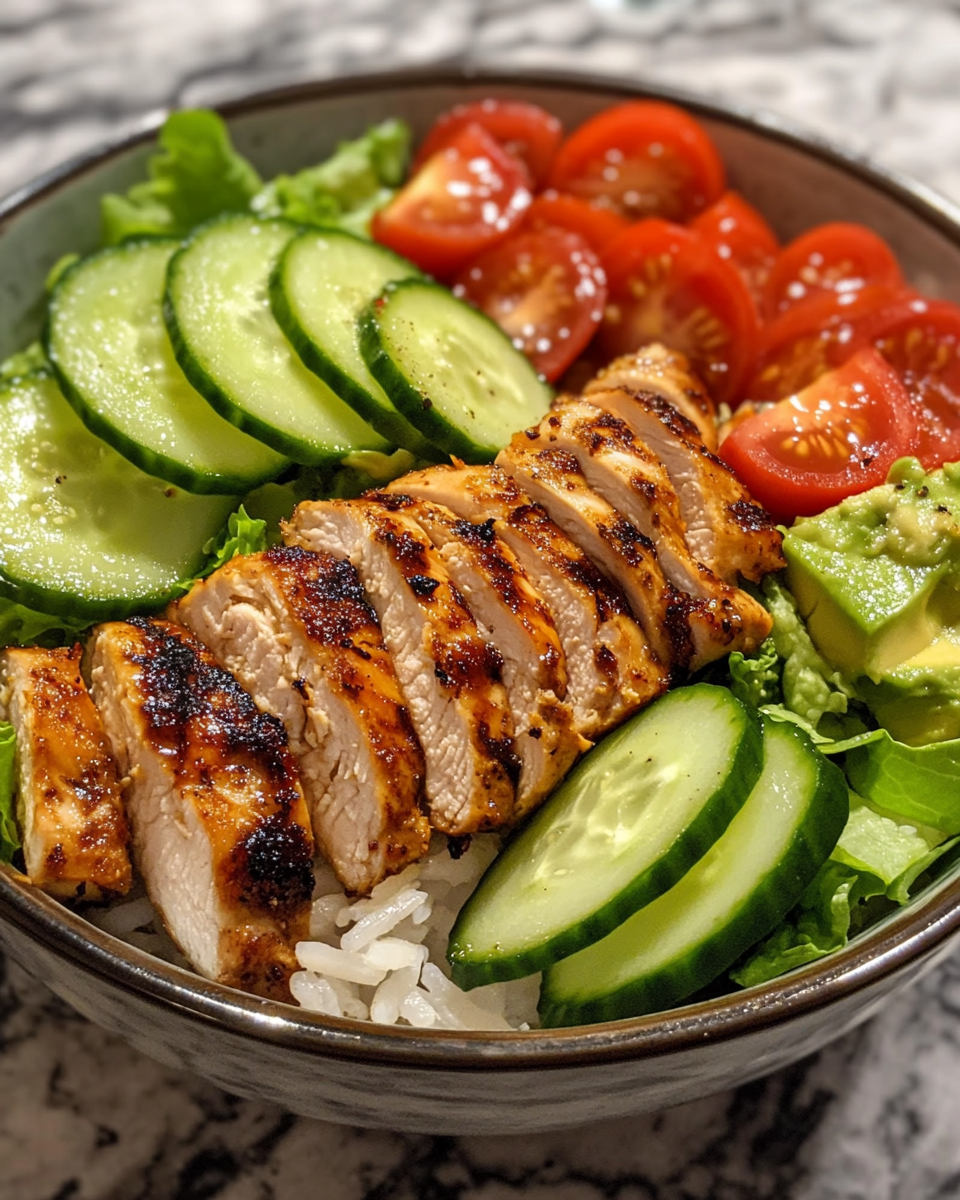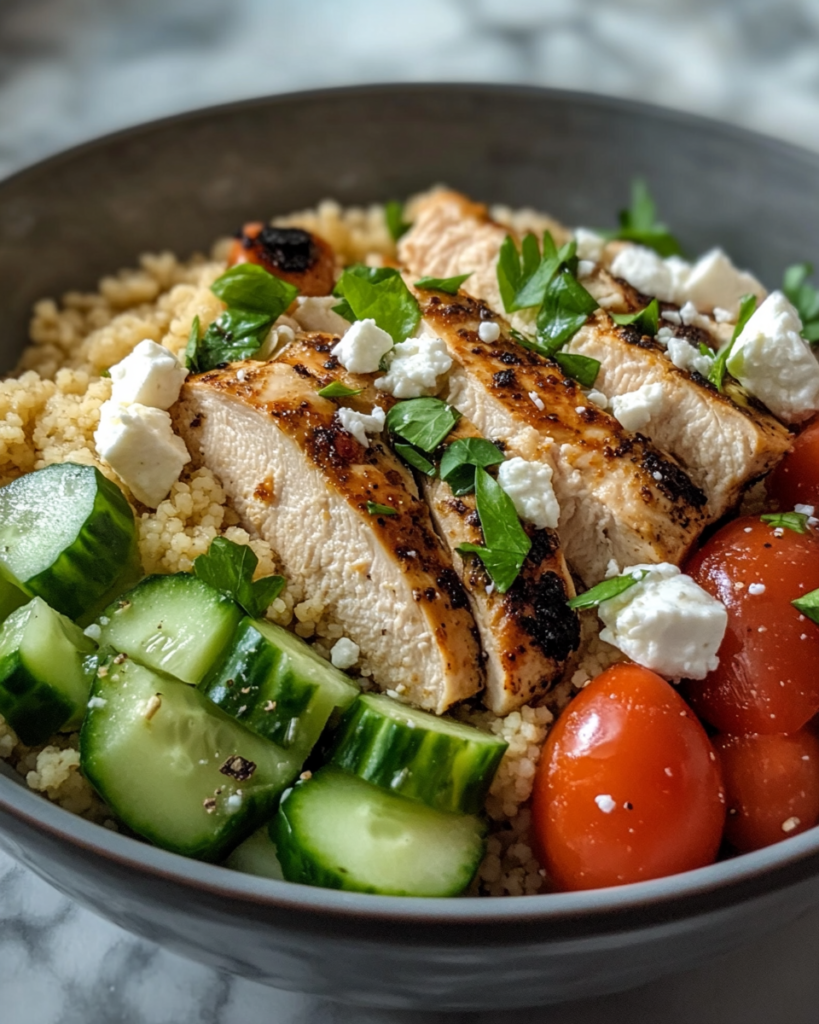
Greek Chicken Couscous Bowls bring bright Mediterranean flavor into a hearty meal filled with tender chicken, fluffy couscous, crisp vegetables, and creamy feta. This balanced dish works beautifully for weeknight dinners, packed lunches, or relaxed gatherings with friends. Each bite carries fresh herbs, lemon, olive oil, and savory spices that pair beautifully with juicy chicken and light couscous.
The bowl format keeps every ingredient distinct while still blending beautifully together. Cool cucumbers, ripe tomatoes, briny olives, and tangy yogurt sauce create contrast beside warm seasoned chicken. Greek Chicken Couscous Bowls also fit busy schedules because most ingredients come together quickly with simple cooking steps and pantry staples.
Ingredients Overview
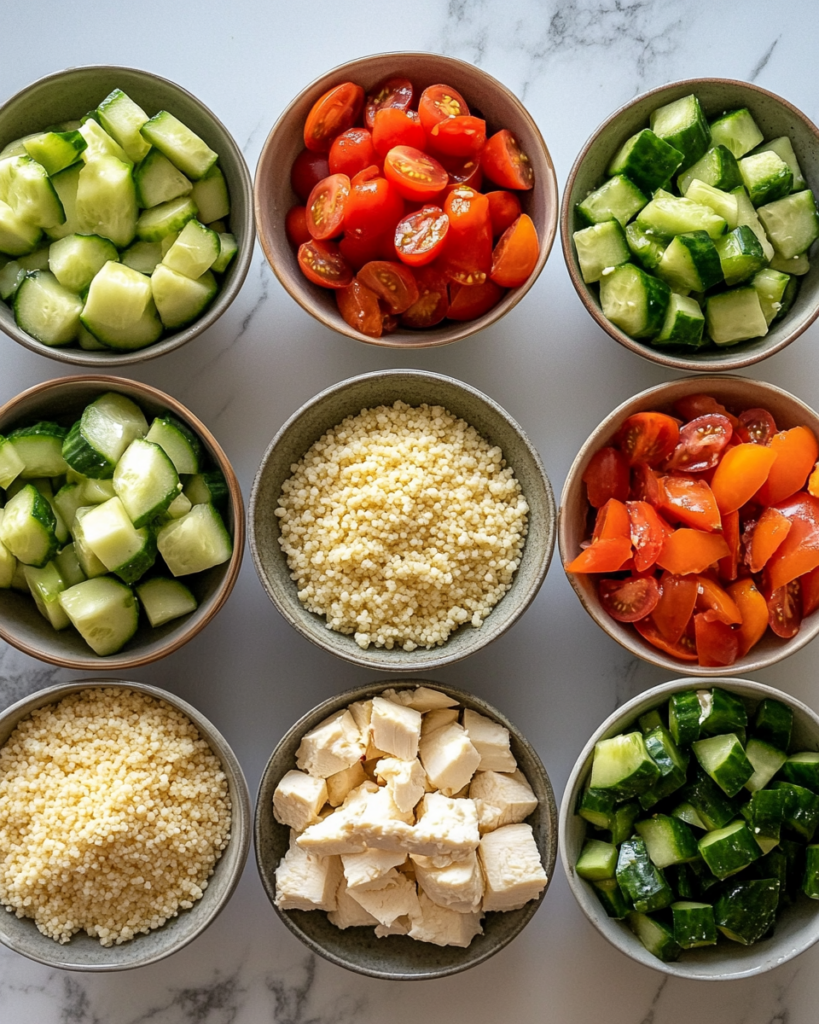
Greek Chicken Couscous Bowls rely on fresh Mediterranean ingredients that blend texture and flavor in a balanced way. Boneless chicken thighs remain juicy during cooking and absorb marinades beautifully. Chicken breast also works well for a lighter option, though thighs usually stay more tender after searing.
Couscous cooks quickly and provides a soft, fluffy base that absorbs lemon juice, olive oil, and savory chicken drippings. Pearl couscous creates a slightly chewier texture, while traditional couscous stays lighter and finer. Either version works nicely depending on personal preference.
Fresh vegetables brighten the dish and balance the richer chicken and feta. Cucumbers add cool crunch, tomatoes contribute sweetness and acidity, and red onion brings sharpness that cuts through the creamy yogurt sauce. Kalamata olives bring salty depth that pairs beautifully with oregano and garlic.
Greek yogurt forms the base of a creamy sauce that cools the spices and ties the bowl together. Lemon juice sharpens the flavor while dill and parsley contribute fresh herbal notes. Crumbled feta adds creamy saltiness across the finished bowls.
Olive oil remains central throughout the recipe because it coats the chicken, seasons the couscous, and carries flavor into every ingredient. Garlic, oregano, paprika, cumin, salt, and black pepper provide savory Mediterranean character without overwhelming the fresh ingredients.
For substitutions, quinoa or rice can replace couscous. Dairy-free yogurt works nicely in the sauce, while chickpeas may replace chicken for a vegetarian version. Spinach, roasted peppers, or artichokes also fit naturally into these bowls.
Ingredients
1 1/2 pounds boneless skinless chicken thighs
2 tablespoons olive oil
3 cloves garlic, minced
1 tablespoon lemon juice
1 teaspoon dried oregano
1 teaspoon paprika
1/2 teaspoon ground cumin
1 teaspoon kosher salt
1/2 teaspoon black pepper
1 cup couscous
1 1/4 cups chicken broth
1 tablespoon olive oil
1/2 teaspoon salt
1 cup diced cucumber
1 cup halved cherry tomatoes
1/4 cup thinly sliced red onion
1/3 cup kalamata olives, sliced
1/2 cup crumbled feta cheese
2 tablespoons chopped parsley
For the yogurt sauce:
3/4 cup plain Greek yogurt
1 tablespoon lemon juice
1 tablespoon olive oil
1 tablespoon chopped fresh dill
1 small garlic clove, grated
1/4 teaspoon salt
1/4 teaspoon black pepper
Step-by-Step Instructions
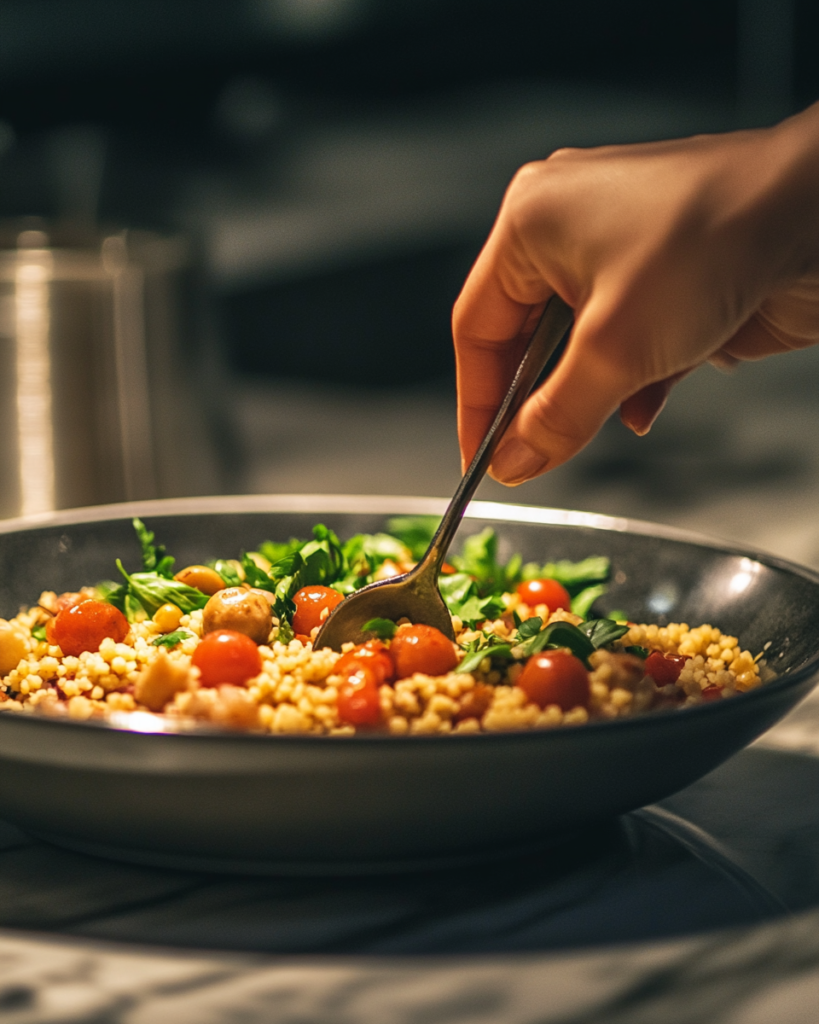
Start by marinating the chicken. Place the chicken thighs in a medium bowl with olive oil, garlic, lemon juice, oregano, paprika, cumin, salt, and black pepper. Toss thoroughly so every piece becomes coated. Let the chicken rest for at least 20 minutes at room temperature. For deeper flavor, refrigerate the chicken for up to 8 hours.
While the chicken marinates, prepare the couscous. Bring chicken broth to a gentle boil in a medium saucepan. Stir in the couscous, olive oil, and salt. Remove the pan from heat immediately and cover tightly. Let the couscous sit for about 5 minutes until the liquid absorbs completely. Fluff gently using a fork so the grains remain light instead of clumping together.
Prepare the yogurt sauce by stirring Greek yogurt, lemon juice, olive oil, dill, garlic, salt, and pepper together in a small bowl. Refrigerate until serving time. Chilling slightly helps the flavors blend together beautifully.
Heat a large skillet over medium-high heat. Add a small drizzle of olive oil if the pan feels dry. Place the marinated chicken into the skillet in a single layer. Avoid overcrowding because crowded chicken steams rather than browns properly.
Cook the chicken for roughly 5 to 6 minutes per side. The outside should develop rich golden color while the inside reaches 165 degrees Fahrenheit. Thicker pieces may require another minute or two. Rest the cooked chicken for several minutes before slicing so the juices remain inside the meat.
During resting time, prepare the fresh toppings. Dice the cucumber, halve the tomatoes, slice the onion, and prepare the olives and feta. Keeping the vegetables similar in size helps every bite remain balanced.
Assemble the bowls by spooning couscous into each serving bowl first. Arrange sliced chicken over the top, followed by cucumbers, tomatoes, onions, olives, and feta. Scatter parsley across each bowl for freshness.
Finish each serving with a generous spoonful of yogurt sauce. A final squeeze of lemon brightens every flavor beautifully.
Avoid overcooking the couscous because excessive liquid creates a mushy texture. Likewise, avoid flipping the chicken too early in the skillet. Proper browning develops deeper savory flavor and keeps the chicken juicy.
Tips, Variations & Substitutions
Greek Chicken Couscous Bowls adapt beautifully for different tastes and dietary needs. For additional vegetables, roasted zucchini, eggplant, or bell peppers pair naturally with the Mediterranean seasoning blend. Roasted chickpeas also add hearty texture alongside the chicken.
Pearl couscous creates a slightly firmer bite compared with traditional couscous. Rice, quinoa, or cauliflower rice also fit beautifully if couscous is unavailable. Brown rice contributes extra fiber while quinoa adds additional protein.
Chicken breasts work well in place of thighs, though careful cooking prevents dryness. A meat thermometer helps maintain juicy texture without guesswork. Shrimp or salmon also pair wonderfully with the lemon and herb flavors.
Fresh herbs create brighter flavor than dried herbs whenever available. Mint, basil, or cilantro may join the parsley and dill for extra freshness. Feta packed in brine usually carries richer flavor and creamier texture compared with pre-crumbled varieties.
Meal prep becomes very simple with this recipe. Store the couscous, chicken, vegetables, and sauce separately in airtight containers. Assembling shortly before serving keeps the vegetables crisp and fresh.
For additional richness, add hummus or sliced avocado. A small handful of toasted pine nuts or almonds also contributes pleasant crunch across the finished bowls.
Serving Ideas & Occasions
Greek Chicken Couscous Bowls fit beautifully into many occasions because they balance freshness and hearty comfort. They work especially well for quick family dinners during busy weekdays since much of the preparation can happen ahead of time. The ingredients also travel well, making these bowls excellent for packed lunches or picnic meals.
Warm pita bread pairs beautifully alongside the bowls and helps scoop extra yogurt sauce and vegetables. Roasted potatoes, grilled vegetables, or lemon green beans also complement the Mediterranean flavors nicely.
For drinks, sparkling water with lemon, iced herbal tea, or crisp white wine pair naturally with the bright citrus and herb notes. During warm weather, these bowls feel light and refreshing without sacrificing satisfaction.
These bowls also suit casual gatherings because guests can customize toppings according to personal preference. Arranging the ingredients buffet-style creates an easy and colorful dinner spread that feels relaxed yet still polished.
Nutritional & Health Notes
Greek Chicken Couscous Bowls provide balanced nutrition through lean protein, vegetables, healthy fats, and grains. Chicken contributes satisfying protein that helps the meal feel hearty without excessive heaviness. Greek yogurt and feta also add protein along with calcium.
Fresh vegetables bring fiber, vitamins, and refreshing texture. Cucumbers and tomatoes contribute hydration and brightness while olives and olive oil provide heart-friendly fats commonly associated with Mediterranean-style eating patterns.
Couscous creates an approachable carbohydrate source that cooks quickly and pairs beautifully with savory ingredients. Whole wheat couscous offers additional fiber for those seeking a more filling option.
The yogurt sauce delivers creaminess without relying heavily on mayonnaise or heavy cream. Lemon juice and herbs provide flavor naturally, allowing the dish to remain vibrant without excessive salt or rich sauces.
Portion flexibility also makes these bowls practical for different dietary goals. Larger vegetable portions create a lighter meal, while additional couscous or chicken creates a heartier serving after active days.
FAQs
Can I prepare Greek Chicken Couscous Bowls ahead of time?
Greek Chicken Couscous Bowls work wonderfully for meal preparation because the ingredients store well separately. Cook the chicken and couscous in advance, then refrigerate them in airtight containers for up to four days. The yogurt sauce also keeps nicely in the refrigerator for several days without losing texture.
For the freshest flavor, chop vegetables shortly before serving. Cucumbers and tomatoes release moisture over time, which may soften the bowls slightly during storage. Keeping toppings separate preserves crisp texture and bright flavor.
When reheating, warm only the chicken and couscous. Cold vegetables and yogurt sauce maintain the refreshing contrast that makes these bowls especially satisfying.
Which couscous works best for this recipe?
Traditional couscous creates a light and fluffy texture that absorbs sauces beautifully. Pearl couscous delivers a slightly firmer and chewier bite that many people enjoy in grain bowls. Both versions fit nicely within this recipe.
Traditional couscous cooks very quickly and works beautifully for busy evenings. Pearl couscous usually requires simmering for a longer period but contributes extra texture and heartiness. Whole wheat couscous adds additional fiber and slightly nutty flavor.
Regardless of the variety chosen, avoid overcooking. Couscous should remain tender yet separate rather than sticky or mushy. Fluffing with a fork after cooking helps maintain the ideal texture.
Can I grill the chicken instead of cooking it in a skillet?
Grilled chicken pairs beautifully with the Mediterranean flavors in Greek Chicken Couscous Bowls. The smoky char from grilling complements the lemon, oregano, and garlic marinade especially nicely during warm-weather meals.
Preheat the grill to medium-high heat and lightly oil the grates before cooking. Grill the chicken thighs for roughly 5 to 6 minutes per side until the internal temperature reaches 165 degrees Fahrenheit. Resting the chicken afterward keeps the juices inside the meat.
Grilling also works beautifully for vegetables like zucchini or peppers. Adding grilled vegetables creates deeper savory flavor while still keeping the meal fresh and colorful.
How can I keep chicken juicy during cooking?
Marinating helps the chicken remain tender while adding flavor throughout the meat. Chicken thighs naturally contain slightly more fat than chicken breasts, which helps them stay juicy even during high-heat cooking.
Avoid cooking directly from very cold refrigerator temperatures. Letting the chicken rest briefly at room temperature promotes more even cooking. During skillet cooking, avoid moving the chicken constantly. Allowing proper browning develops richer flavor and seals moisture inside.
Using a thermometer provides the most reliable results. Remove the chicken once it reaches 165 degrees Fahrenheit and allow it to rest for several minutes before slicing. Resting keeps flavorful juices from spilling out immediately.
What vegetables pair nicely with these bowls?
Greek Chicken Couscous Bowls welcome many colorful vegetables beyond the classic cucumber and tomato combination. Roasted zucchini, grilled eggplant, spinach, artichoke hearts, and bell peppers all fit beautifully with the Mediterranean seasoning profile.
Crunchy vegetables balance the soft couscous and creamy yogurt sauce especially nicely. Radishes, shredded lettuce, or celery also contribute pleasant texture contrast. During summer months, fresh seasonal vegetables create especially vibrant flavor.
Roasted vegetables contribute deeper savory notes while fresh vegetables keep the bowls light and refreshing. Combining both styles creates additional variety within each serving without adding complicated preparation.
Is this recipe suitable for a lighter dinner?
Greek Chicken Couscous Bowls fit nicely into lighter meal plans because they balance lean protein, vegetables, and moderate portions of grains. The yogurt sauce provides creaminess without relying on heavy cream or large amounts of mayonnaise.
For a lighter version, increase the vegetable portions and slightly reduce the couscous. Using chicken breast instead of thighs also lowers overall fat content while still delivering satisfying protein. Additional herbs and lemon juice maintain bold flavor naturally.
Because the bowls contain protein, fiber, and healthy fats together, they remain satisfying without feeling overly rich. The fresh ingredients also create a bright, clean flavor profile that works beautifully during warmer seasons.
Can I serve these bowls cold?
Greek Chicken Couscous Bowls taste excellent both warm and chilled. Many people enjoy them cold for lunches because the flavors continue blending together during refrigeration. Couscous absorbs the lemon and herb flavors beautifully as it rests.
For cold servings, refrigerate the cooked chicken and couscous separately until fully chilled. Assemble the bowls shortly before eating so the vegetables remain crisp and fresh. The cool yogurt sauce pairs especially nicely with chilled ingredients.
Cold bowls travel well for picnics, work lunches, or road trips. Packing the sauce separately until serving time helps maintain the best texture across every ingredient.