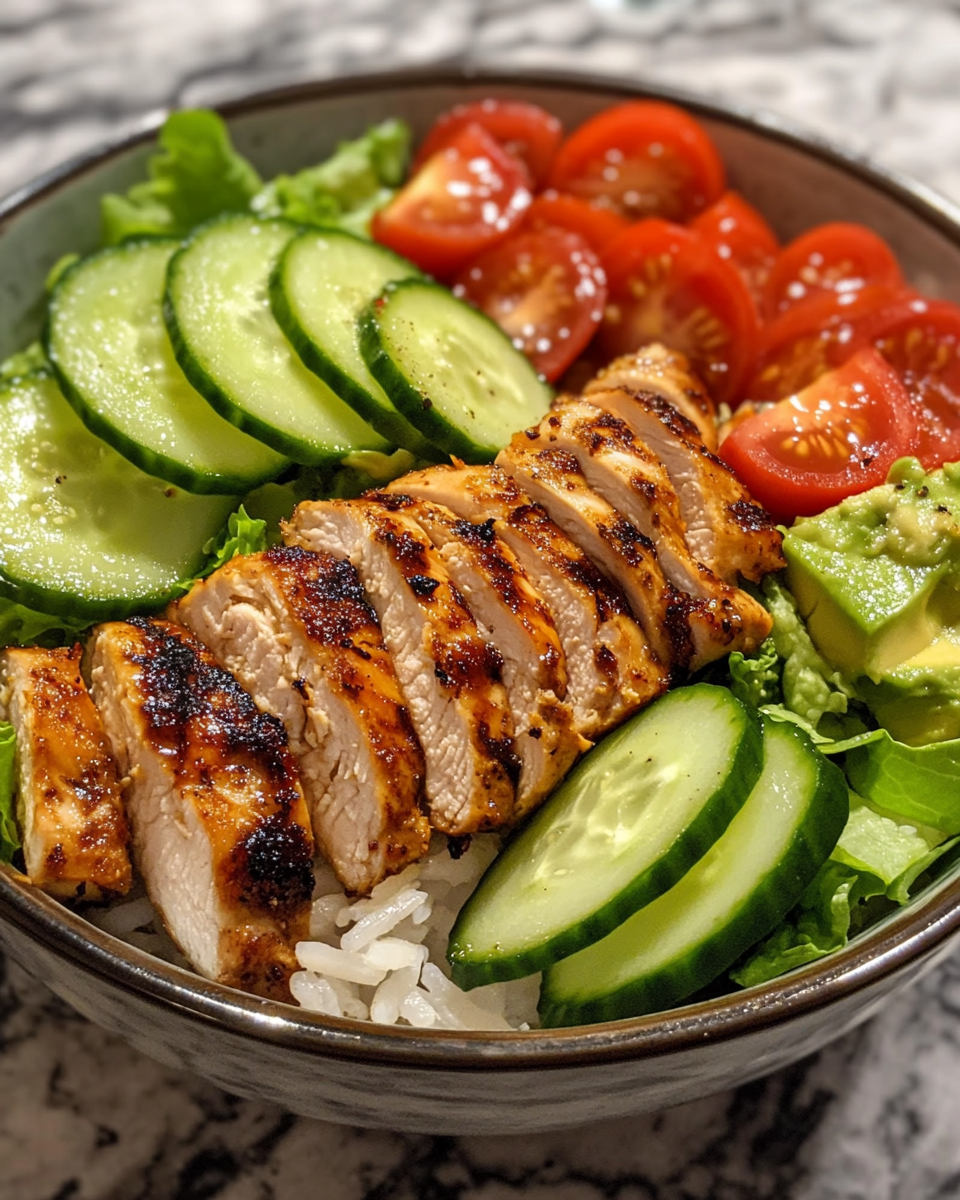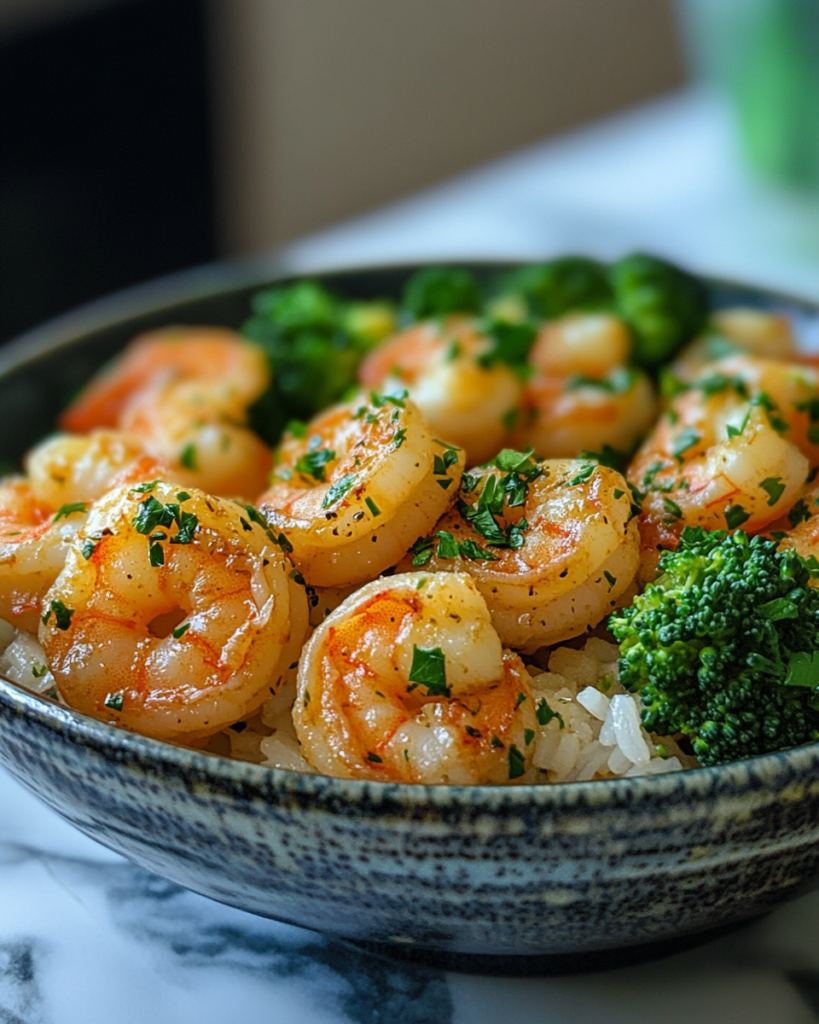
Garlic Shrimp Rice Bowls bring together tender shrimp, fluffy rice, crisp vegetables, and a deeply savory garlic sauce in a meal that feels comforting while still light enough for busy evenings. The balance of juicy seafood, warm rice, and fresh toppings creates a bowl packed with texture and flavor in every forkful.
This dish fits weeknight dinners, casual family meals, and meal prep lunches with ease. Shrimp cooks quickly, which means dinner reaches the table fast without sacrificing rich flavor. The garlic sauce coats every bite while the vegetables add freshness and crunch.
Rice bowls also allow flexibility. Brown rice, jasmine rice, or cauliflower rice all work well, and toppings can shift with the season or personal preference. Garlic Shrimp Rice Bowls can lean spicy, citrusy, smoky, or herb-filled depending on the seasoning blend you choose.
The recipe below focuses on simple preparation and balanced flavor while keeping the shrimp tender and the rice perfectly cooked.
Ingredients Overview
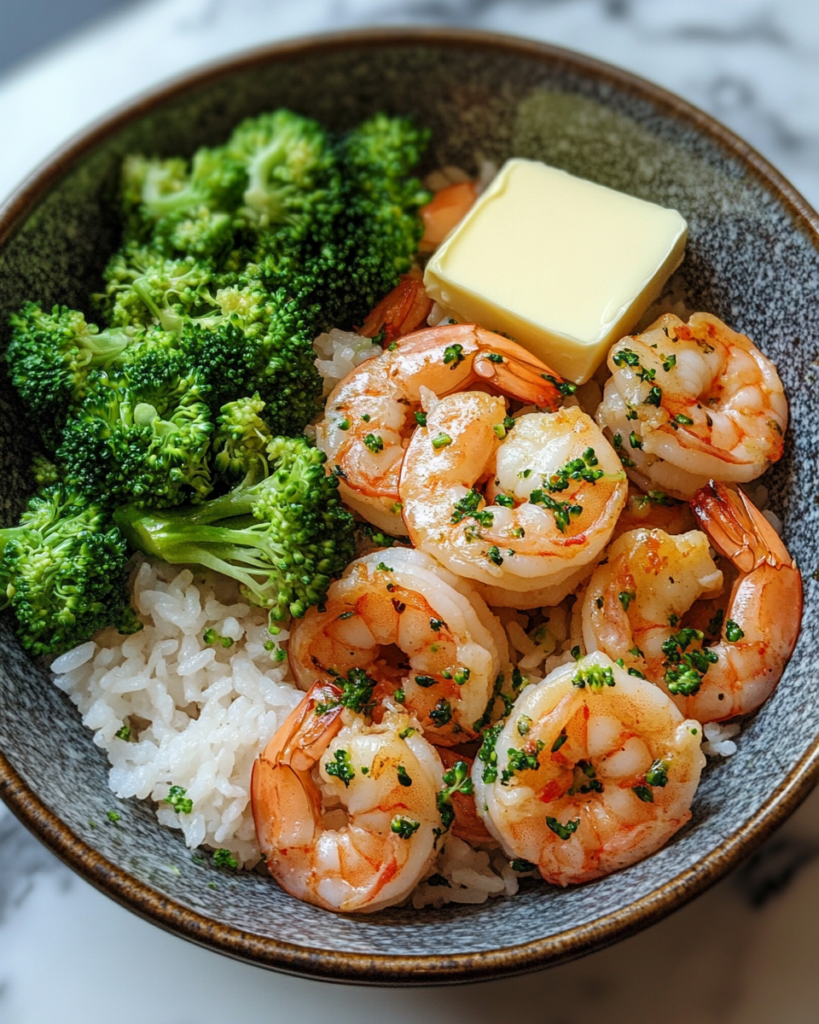
The foundation of Garlic Shrimp Rice Bowls starts with shrimp. Large shrimp work best because they stay juicy during cooking and absorb the garlic sauce beautifully. Fresh or frozen shrimp both perform well as long as frozen shrimp are thawed fully and patted dry before cooking. Dry shrimp develop better color in the skillet and avoid steaming.
Garlic is the central flavor in this recipe. Fresh cloves deliver a rich aroma and mellow sweetness once cooked in butter and olive oil. Using freshly minced garlic instead of jarred garlic creates a cleaner taste throughout the sauce.
Rice gives the bowl structure and warmth. Jasmine rice creates a fragrant base with soft grains, while brown rice adds a nuttier texture. Short-grain rice produces a slightly stickier bowl that holds sauce especially well.
Soy sauce brings savory depth while honey balances the saltiness with gentle sweetness. Fresh lime juice brightens the bowl and cuts through the richness of the butter sauce. A touch of sesame oil rounds everything out with a toasted finish.
Vegetables add contrast and freshness. Cucumbers, shredded carrots, edamame, cabbage, or avocado all fit naturally in these bowls. Crisp vegetables help balance the warm garlic shrimp and tender rice.
Red pepper flakes provide mild heat, though smoked paprika or chili paste can shift the flavor profile in different directions. Fresh herbs such as cilantro or green onions finish the bowls with color and brightness.
These ingredients work together to create a bowl filled with savory garlic flavor, balanced acidity, gentle sweetness, and varied texture.
Ingredients
1 pound large shrimp, peeled and deveined
2 cups cooked jasmine rice
4 cloves garlic, minced
2 tablespoons butter
1 tablespoon olive oil
3 tablespoons low-sodium soy sauce
1 tablespoon honey
1 tablespoon lime juice
1 teaspoon sesame oil
1/2 teaspoon paprika
1/4 teaspoon crushed red pepper flakes
1/2 teaspoon salt
1/4 teaspoon black pepper
1 cup shredded carrots
1 cup sliced cucumber
1 cup shelled edamame
1 avocado, sliced
2 green onions, thinly sliced
1 tablespoon sesame seeds
Fresh cilantro for garnish
Lime wedges for serving
Step-by-Step Instructions
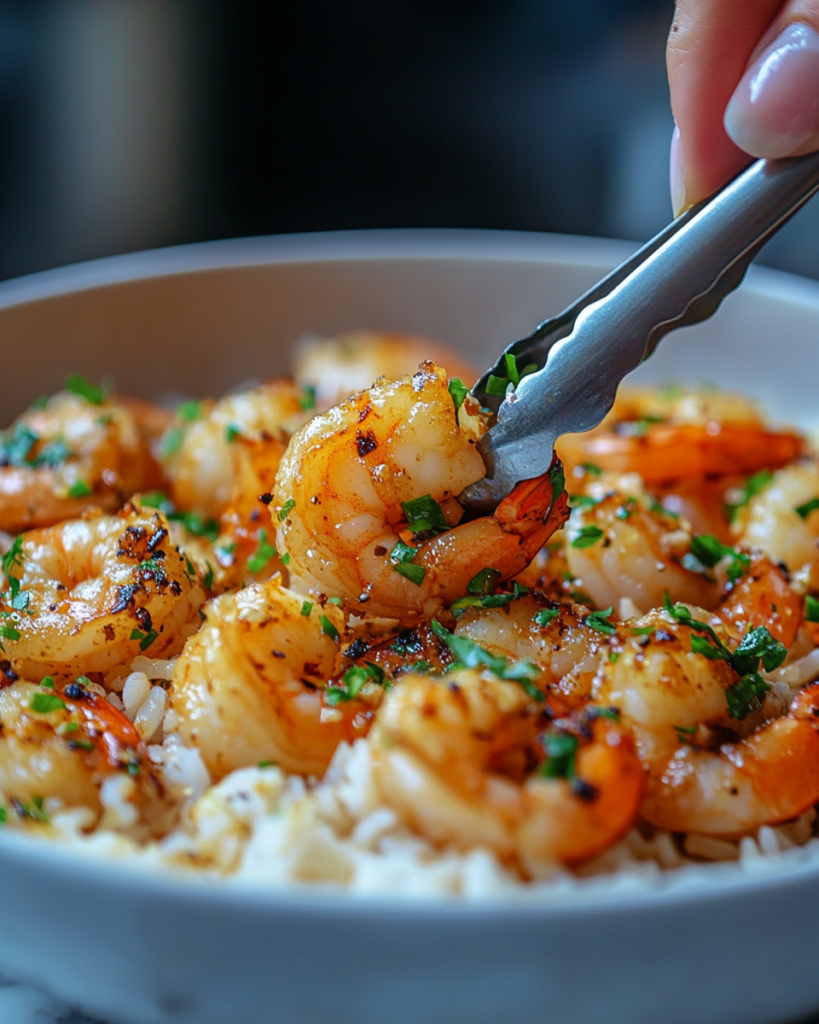
Start by preparing the rice according to package directions if it is not already cooked. Warm rice works best for serving because it absorbs the garlic sauce from the shrimp. Fluff the rice gently with a fork after cooking so the grains stay separate rather than clumped together.
Pat the shrimp dry with paper towels. This step matters because excess moisture prevents browning. Place the shrimp in a bowl and season with paprika, salt, black pepper, and crushed red pepper flakes. Toss until evenly coated.
Heat a large skillet over medium-high heat. Add olive oil and butter together. Once the butter melts and begins to bubble lightly, stir in the minced garlic. Cook for about 30 seconds while stirring constantly. Garlic burns quickly, so keep the heat moderate and watch closely. The garlic should smell fragrant and turn lightly golden rather than dark brown.
Add the shrimp to the skillet in a single layer. Avoid overcrowding because crowded shrimp steam instead of searing. Cook for about 2 minutes on the first side until pink along the edges and lightly golden underneath. Flip and cook another 1 to 2 minutes until fully opaque.
In a small bowl, stir together soy sauce, honey, lime juice, and sesame oil. Pour the sauce into the skillet and toss the shrimp gently until coated. Let the sauce simmer for about 1 minute so it thickens slightly and clings to the shrimp.
Taste the sauce and adjust seasoning if needed. Additional lime juice adds brightness, while extra soy sauce deepens the savory flavor.
Assemble the bowls by dividing warm rice among serving bowls. Arrange cucumbers, carrots, edamame, and avocado around the rice for colorful sections. Spoon the garlic shrimp over the top along with any remaining sauce from the skillet.
Scatter sliced green onions, sesame seeds, and cilantro over each bowl. Serve immediately with lime wedges on the side.
A common mistake with shrimp is overcooking. Shrimp continue cooking slightly after leaving the skillet, so remove them once they turn opaque and curl into a loose “C” shape. Tight curls usually signal overcooked shrimp.
Another issue comes from adding garlic too early or cooking it over excessive heat. Burned garlic creates bitterness throughout the sauce, so keep the cooking time short and stir continuously.
For meal prep, store the shrimp, vegetables, and rice separately so the vegetables stay crisp. Reheat the shrimp gently to avoid toughness.
Tips, Variations & Substitutions
Garlic Shrimp Rice Bowls adapt easily to different ingredients and dietary preferences. Brown rice adds extra fiber and a heartier texture, while cauliflower rice creates a lighter bowl with fewer carbohydrates. Quinoa also works well because it absorbs the garlic sauce beautifully.
For stronger heat, stir sriracha or chili garlic sauce into the glaze. A small spoonful changes the flavor profile without overpowering the shrimp. Smoked paprika adds a deeper savory note with subtle warmth.
Chicken or salmon can replace shrimp if seafood is unavailable. Thinly sliced chicken breast cooks quickly and pairs naturally with the garlic sauce. Tofu also works for a vegetarian version when pressed well before cooking.
Vegetables can shift with the season. Snap peas, roasted broccoli, shredded cabbage, mango, or radishes all fit naturally into these bowls. Crisp vegetables create balance against the warm rice and buttery shrimp.
Fresh herbs brighten the final dish significantly. Cilantro, Thai basil, or parsley each bring different character. Toasted sesame seeds add gentle crunch and extra depth.
If preparing these bowls ahead of time, keep avocado separate until serving so it stays fresh. Reheat the shrimp briefly in a skillet over medium heat rather than microwaving for too long, since shrimp can become rubbery very quickly.
For extra citrus flavor, add lime zest directly into the sauce. The oils from the zest give the bowls a brighter finish without excessive acidity.
Serving Ideas & Occasions
Garlic Shrimp Rice Bowls fit many occasions because they feel balanced, filling, and fresh without requiring lengthy preparation. They work especially well for weeknight dinners when time feels limited but a warm homemade meal still sounds appealing.
Serve the bowls alongside miso soup, seaweed salad, or lightly steamed vegetables for a fuller dinner spread. Chilled cucumber salad pairs nicely with the warm garlic shrimp because it adds extra freshness and crunch.
Sparkling water with lime or iced green tea complements the savory garlic sauce particularly well. A citrus drink balances the richness from the butter and sesame oil.
These bowls also shine during casual gatherings because guests can customize toppings according to preference. Arranging toppings buffet-style creates a relaxed serving option for family dinners or informal weekend meals.
For lunch meal prep, pack rice in one section and vegetables in another to maintain texture. The shrimp reheats quickly, making these bowls practical for busy schedules.
During warmer months, the bright lime and crisp vegetables feel especially refreshing, while the warm garlic sauce keeps the dish comforting during cooler evenings.
Nutritional & Health Notes
Garlic Shrimp Rice Bowls provide a balanced combination of protein, carbohydrates, healthy fats, and vegetables. Shrimp supplies lean protein while remaining relatively low in fat. It also contains minerals such as selenium and iodine that support overall nutrition.
Rice contributes energy through carbohydrates, and choosing brown rice increases fiber content. Fiber helps create a meal that feels satisfying for longer periods. Vegetables such as cucumbers, carrots, and edamame contribute vitamins, texture, and freshness.
Avocado and sesame oil add healthy fats that round out the bowl and create a richer mouthfeel. These fats also help balance the sharper flavors from soy sauce and lime juice.
Using low-sodium soy sauce keeps salt levels more moderate while still delivering savory depth. Fresh garlic contributes strong flavor naturally, reducing the need for excessive added ingredients.
Because shrimp cooks rapidly, this recipe requires minimal oil and short cooking times. That approach keeps the dish lighter than heavily fried seafood meals while still delivering rich flavor and satisfying texture.
Portion sizes can shift depending on appetite and dietary goals. Adding extra vegetables creates a lighter bowl, while increasing rice makes the meal more filling for active days.
FAQs
Can I use frozen shrimp for Garlic Shrimp Rice Bowls?
Frozen shrimp works very well in Garlic Shrimp Rice Bowls and often provides excellent texture because shrimp is commonly frozen shortly after harvest. Thaw the shrimp fully before cooking by placing it in the refrigerator overnight or running cold water over it for several minutes. After thawing, pat the shrimp dry thoroughly with paper towels. Excess moisture prevents browning and can water down the garlic sauce. Avoid cooking shrimp directly from frozen because uneven cooking may leave some shrimp overcooked while others remain underdone. Once thawed and dried properly, frozen shrimp cooks almost identically to fresh shrimp and absorbs the garlic sauce beautifully.
What type of rice tastes best in this recipe?
Jasmine rice is a favorite choice because its soft texture and fragrant aroma pair naturally with garlic shrimp. The grains stay fluffy and absorb sauce without becoming overly sticky. Brown rice creates a nuttier flavor and heartier texture while adding additional fiber. Short-grain white rice produces a softer bowl with a slightly stickier consistency that holds toppings well. Cauliflower rice offers a lighter alternative for those seeking fewer carbohydrates. Quinoa also performs nicely because it adds a gentle earthy flavor. The best choice depends on personal texture preference and dietary goals, though jasmine rice remains especially popular for its balanced flavor and versatility.
How do I keep shrimp tender instead of rubbery?
Tender shrimp comes from careful timing and moderate heat. Shrimp cooks extremely quickly, usually within just a few minutes. Overcooking is the primary reason shrimp becomes rubbery. Watch closely for visual cues during cooking. Properly cooked shrimp turns pink and opaque while curling into a loose “C” shape. Tight curls often signal overcooked shrimp. Cooking shrimp in a single layer also helps because overcrowding traps steam and affects texture. Another helpful step involves removing shrimp from the heat immediately once cooked through since residual heat continues cooking them slightly after leaving the skillet. Patting shrimp dry before cooking also improves texture and browning.
Can Garlic Shrimp Rice Bowls be prepared ahead of time?
These bowls work very well for meal prep when the components are stored separately. Keep the rice, vegetables, and shrimp in individual containers so the vegetables remain crisp and fresh. Reheat the shrimp gently in a skillet or microwave using short intervals to avoid overcooking. Fresh toppings such as avocado should be sliced right before serving because they brown over time. The garlic sauce can also be prepared in advance and stored in the refrigerator for a couple of days. Assembling the bowls just before eating creates the freshest texture while still keeping preparation convenient during busy weekdays.
Which vegetables pair nicely with garlic shrimp?
Many vegetables complement garlic shrimp because the savory sauce pairs nicely with both crisp and roasted produce. Cucumbers and shredded carrots add refreshing crunch that balances the warm shrimp and rice. Edamame contributes protein and a buttery texture. Roasted broccoli, snap peas, cabbage, radishes, bell peppers, and avocado also fit naturally into the bowls. Mango creates a slightly sweet contrast that works surprisingly well with garlic and lime flavors. Choosing a combination of crunchy, creamy, and fresh ingredients creates the most balanced bowl. Seasonal vegetables often taste especially fresh and allow the recipe to shift throughout the year.
Is this recipe spicy?
The recipe carries mild heat from crushed red pepper flakes, though the spice level stays fairly gentle overall. The butter, rice, and vegetables soften the heat considerably. For a completely mild version, simply leave out the pepper flakes. Those who enjoy stronger spice can stir chili garlic sauce, diced jalapeños, or sriracha into the sauce. Adding spice gradually works best because shrimp absorbs flavor quickly. Lime juice also helps balance stronger heat levels by adding brightness. The flexibility of rice bowls makes adjusting spice easy for different tastes while keeping the overall dish balanced and flavorful.
What sauces can I add to Garlic Shrimp Rice Bowls?
Several sauces pair beautifully with Garlic Shrimp Rice Bowls depending on the flavor direction you prefer. Spicy mayo creates creamy richness and mild heat, while teriyaki sauce adds sweeter savory depth. Yum yum sauce contributes tangy creaminess that complements the garlic shrimp particularly well. A drizzle of chili crisp introduces crunch and stronger spice. Ponzu sauce adds bright citrus flavor with lighter saltiness than soy sauce alone. Peanut sauce creates a richer variation with nutty character. When adding additional sauces, start lightly so the garlic flavor from the shrimp still remains noticeable rather than getting buried beneath heavier toppings.