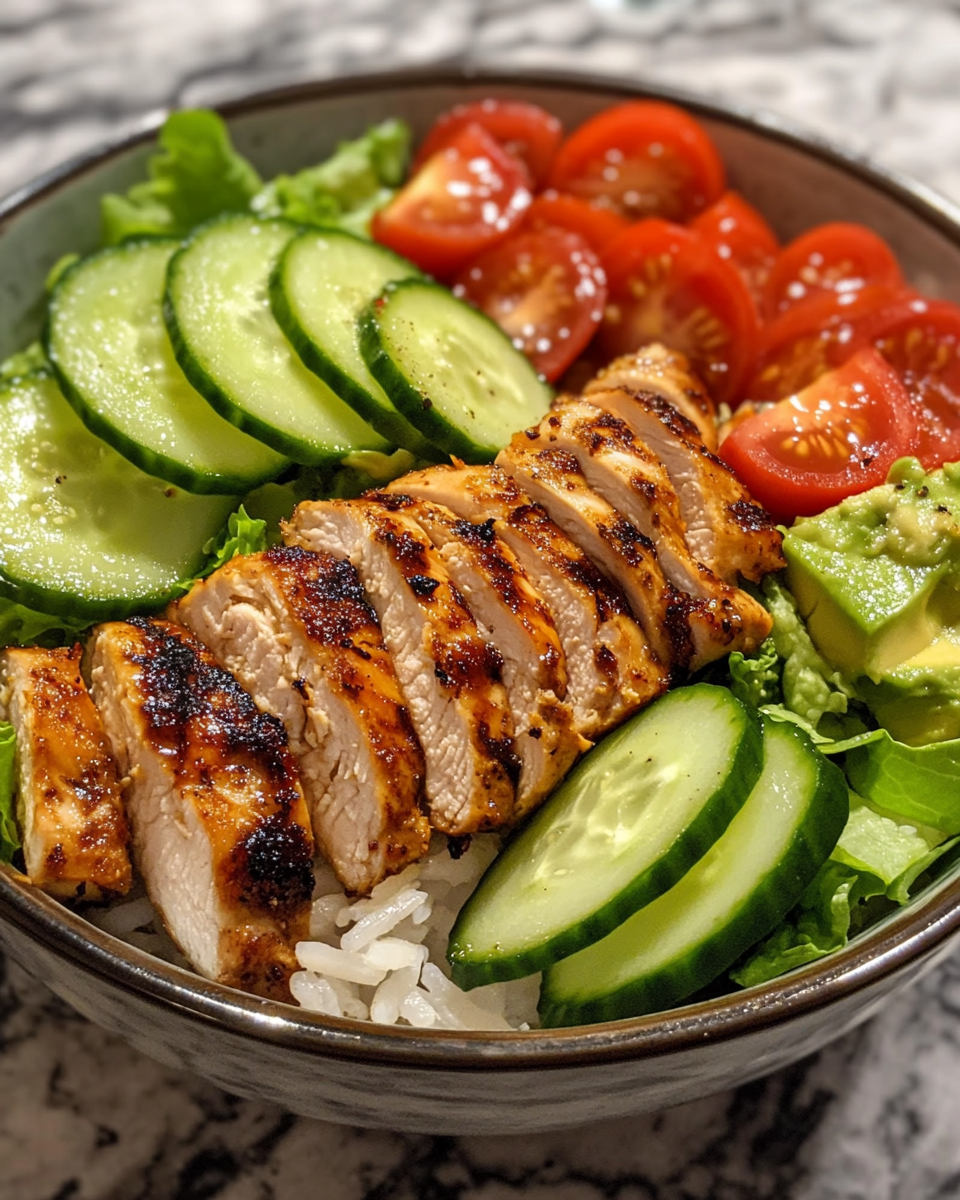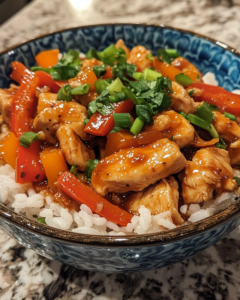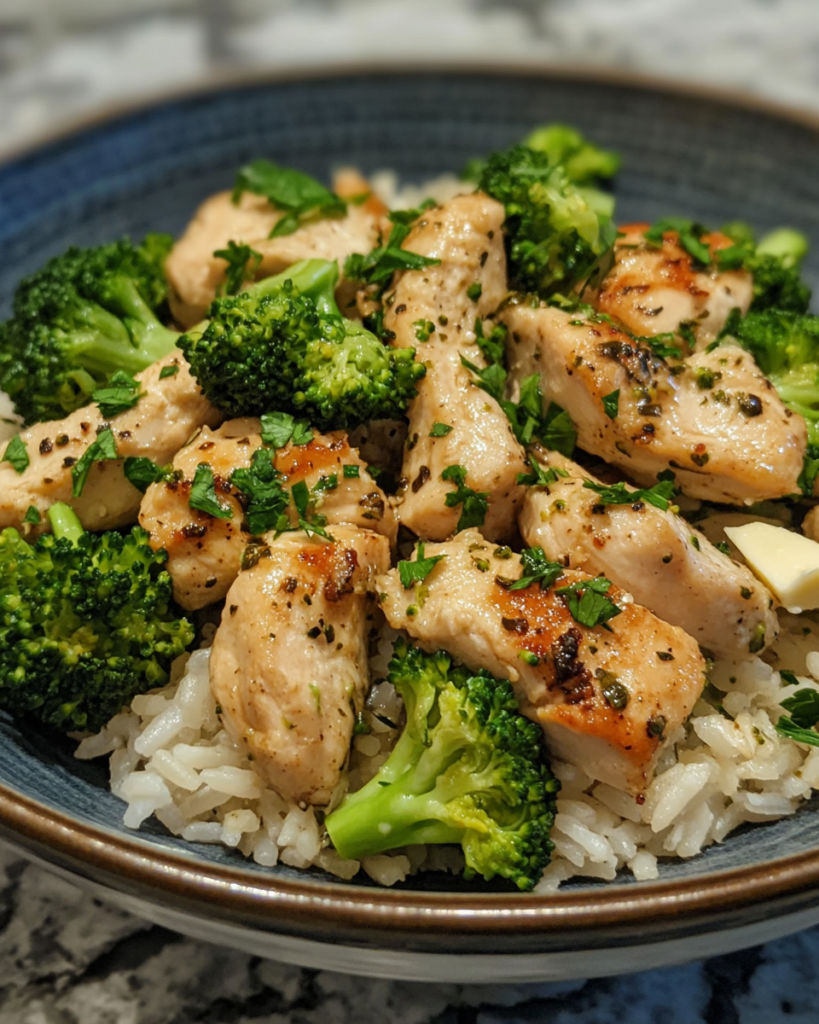
Garlic Chicken Rice Bowls bring together tender chicken, fluffy rice, crisp vegetables, and a rich garlic sauce in a single comforting meal. This dish fits busy weeknights, relaxed family dinners, and weekly meal prep because it comes together with pantry staples and simple cooking steps.
The balance of savory chicken, warm rice, and fresh toppings creates a satisfying bowl with plenty of texture. Each bite carries buttery garlic flavor paired with lightly caramelized chicken and soft grains of rice. Fresh vegetables brighten the bowl while sauces add richness without feeling heavy.
One reason Garlic Chicken Rice Bowls remain popular is their flexibility. The recipe works with white rice, brown rice, jasmine rice, or even cauliflower rice. Different vegetables and sauces can shift the flavor profile while keeping the core dish familiar and comforting.
The cooking process stays approachable for beginners while still delivering restaurant-style flavor. A hot skillet, fresh garlic, and properly cooked rice create the foundation for a bowl that tastes balanced and filling.
Ingredients Overview
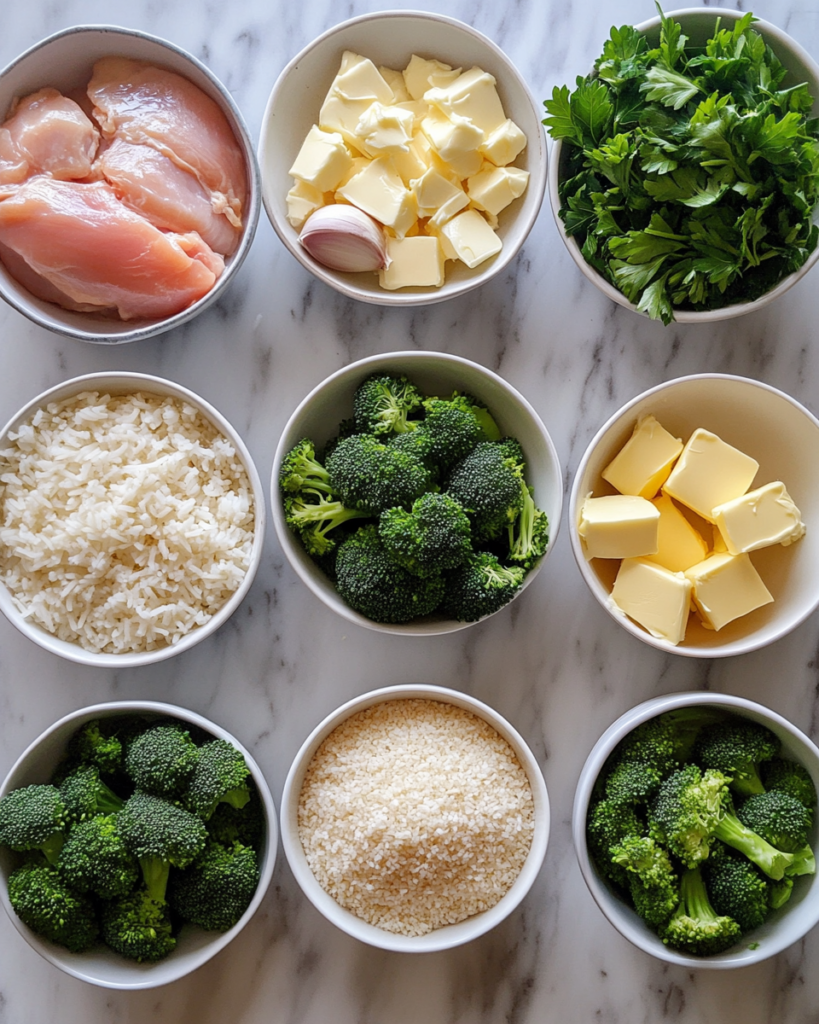
The heart of Garlic Chicken Rice Bowls starts with boneless skinless chicken thighs or chicken breasts. Chicken thighs stay slightly juicier during cooking because of their higher fat content, while chicken breasts offer a leaner option with a firmer texture. Both work beautifully when cooked over medium-high heat until golden brown.
Fresh garlic carries the dominant flavor in this dish. Minced garlic becomes fragrant quickly in hot oil and creates a savory base that coats the chicken and rice. Fresh cloves provide deeper flavor than jarred garlic, though pre-minced garlic can still work during busy evenings.
Rice acts as the foundation of the bowl. Jasmine rice delivers a soft floral aroma and tender texture, while long-grain white rice stays light and fluffy. Brown rice adds a nutty taste and extra fiber. Properly cooked rice absorbs the garlic sauce without becoming mushy.
Soy sauce adds salty depth while honey balances the savory notes with mild sweetness. Sesame oil contributes richness and a lightly toasted finish. A small amount goes a long way because sesame oil carries concentrated flavor.
Vegetables add freshness and color. Broccoli, carrots, cucumbers, edamame, or bell peppers pair especially well with garlic chicken. Crisp vegetables contrast nicely against warm rice and tender chicken.
Green onions and sesame seeds finish the bowls with texture and brightness. Lime wedges can also add fresh acidity that balances the richness of the garlic sauce.
Ingredients
1 1/2 pounds boneless skinless chicken thighs, cut into bite-sized pieces
3 cups cooked jasmine rice
2 tablespoons olive oil
1 tablespoon sesame oil
6 cloves garlic, minced
1 teaspoon grated fresh ginger
1/4 cup low-sodium soy sauce
2 tablespoons honey
1 tablespoon rice vinegar
1 teaspoon cornstarch
2 tablespoons water
1 cup broccoli florets
1 cup shredded carrots
1 cucumber, thinly sliced
1 cup shelled edamame
2 green onions, sliced
1 tablespoon sesame seeds
1/2 teaspoon salt
1/4 teaspoon black pepper
1/2 teaspoon paprika
Lime wedges for serving
Step-by-Step Instructions
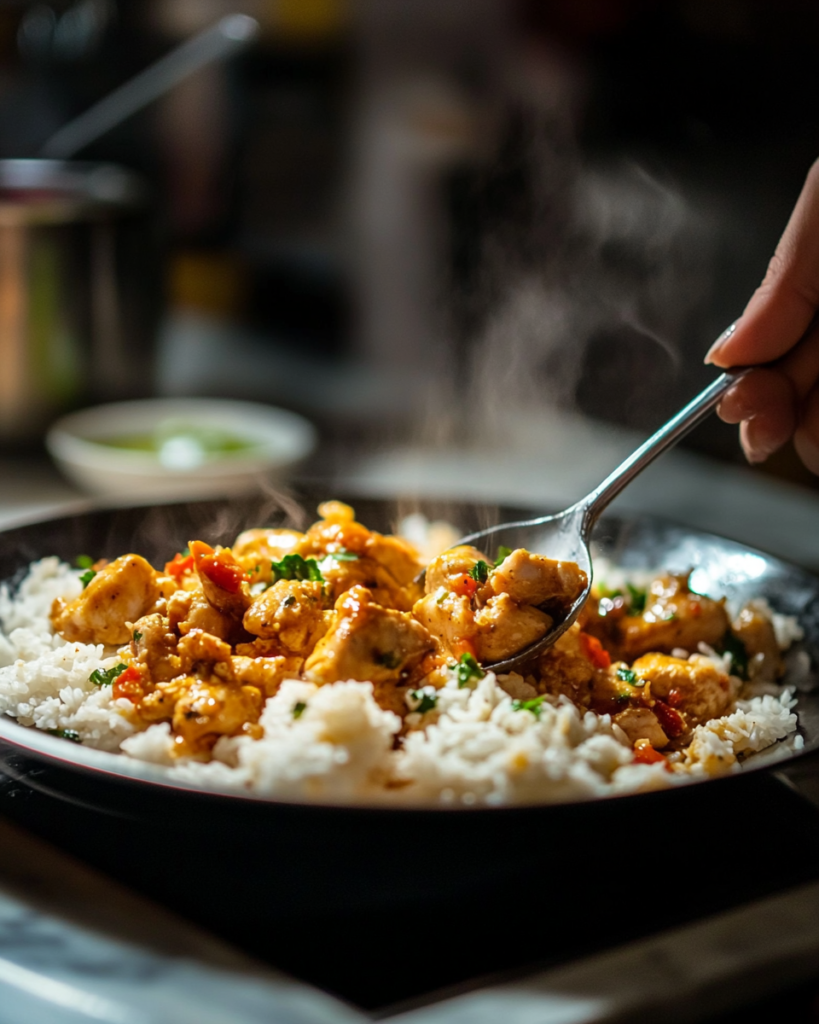
Begin by cooking the rice according to package directions if it has not already been prepared. Fluffy rice creates the ideal base for Garlic Chicken Rice Bowls because it absorbs the garlic sauce without turning sticky. After cooking, gently fluff the rice with a fork and keep it warm.
Pat the chicken pieces dry with paper towels before seasoning them with salt, black pepper, and paprika. Dry chicken browns more evenly in the skillet and develops richer flavor during cooking.
Heat olive oil in a large skillet over medium-high heat. Once the oil shimmers lightly, add the chicken in a single layer. Avoid overcrowding the pan because packed chicken releases steam instead of browning properly. Cook the chicken for about 4 to 5 minutes per side until golden and fully cooked through. The internal temperature should reach 165 degrees Fahrenheit.
Transfer the cooked chicken to a plate temporarily while preparing the garlic sauce. Lower the heat slightly to prevent the garlic from burning. Add sesame oil, minced garlic, and grated ginger to the skillet. Stir constantly for about 30 seconds until fragrant. Garlic cooks quickly, and burned garlic can create bitterness throughout the sauce.
In a small bowl, whisk together soy sauce, honey, rice vinegar, cornstarch, and water. Pour the mixture into the skillet and stir continuously. The sauce should thicken slightly after 1 to 2 minutes. Return the chicken to the skillet and toss everything together until coated evenly.
Steam or sauté the broccoli until bright green and slightly tender. The vegetables should still retain a bit of firmness for texture contrast. Warm the edamame briefly if frozen.
To assemble the bowls, divide the warm rice among serving bowls. Spoon the garlic chicken over the rice and arrange the broccoli, carrots, cucumber slices, and edamame around the edges. Drizzle extra sauce from the skillet over the top.
Finish each bowl with green onions, sesame seeds, and a squeeze of fresh lime juice if desired.
A frequent mistake with rice bowls involves overcooking the chicken. Chicken pieces continue cooking slightly after leaving the skillet, so removing them once fully cooked helps maintain tenderness. Another issue comes from adding garlic too early over high heat, which can produce harsh flavor instead of mellow richness.
For meal prep, cool the ingredients separately before storing them in airtight containers. Keeping vegetables separate from the hot ingredients helps preserve freshness and texture throughout the week.
Tips, Variations & Substitutions
Chicken thighs remain especially flavorful in Garlic Chicken Rice Bowls, though shrimp, tofu, or thinly sliced beef can replace the chicken successfully. Tofu works particularly well when pressed thoroughly before cooking because excess moisture prevents proper browning.
Brown rice creates a heartier bowl with additional fiber, while cauliflower rice offers a lighter option. Quinoa also pairs nicely with the garlic sauce and adds a slightly nutty finish.
For additional heat, stir crushed red pepper flakes or a spoonful of chili garlic sauce into the skillet. A drizzle of spicy mayo over the finished bowl also adds creamy texture with mild heat.
Vegetable choices can shift based on seasonal availability. Snow peas, cabbage, snap peas, mushrooms, and roasted zucchini all fit naturally into the bowl. Crisp vegetables bring freshness while roasted vegetables add deeper savory flavor.
A cast-iron skillet works particularly well because it browns the chicken evenly and helps create caramelized edges. Nonstick skillets still work nicely for beginners because cleanup stays simpler.
Leftover rice performs beautifully in this recipe since chilled rice tends to separate more easily than freshly cooked rice. If refrigerated rice feels dry, sprinkle in a tablespoon of water before reheating.
Tamari can replace soy sauce for a gluten-free version. Maple syrup can substitute for honey if preferred. Fresh garlic remains strongly recommended because it creates the signature flavor throughout the dish.
Serving Ideas & Occasions
Garlic Chicken Rice Bowls fit casual family dinners, meal-prep lunches, and relaxed weekend gatherings. Since the bowls contain protein, grains, and vegetables together, they function as a complete meal without requiring complicated side dishes.
For additional variety, pair the bowls with miso soup, steamed dumplings, or a crisp cabbage salad. Roasted green beans or lightly charred asparagus also complement the savory garlic flavor.
Sparkling water with citrus, iced green tea, or light lemonade pair nicely alongside the bowls because they balance the rich garlic sauce without overpowering it.
These bowls also work beautifully for packed lunches because the flavors remain satisfying after reheating. Keeping fresh toppings separate until serving helps maintain texture during storage.
During colder months, warm rice bowls provide comforting hearty meals, while chilled cucumber and crisp vegetables keep the dish suitable for warmer weather as well.
Nutritional & Health Notes
Garlic Chicken Rice Bowls provide a balanced mixture of protein, carbohydrates, and vegetables. Chicken supplies protein that supports fullness and helps create a satisfying meal. Rice contributes steady energy while vegetables add fiber and texture.
Garlic contains naturally occurring compounds associated with savory depth and aromatic flavor. Fresh vegetables such as broccoli and carrots contribute vitamins, minerals, and color variety to the meal.
Using low-sodium soy sauce helps moderate salt levels while still delivering rich savory taste. Brown rice or cauliflower rice can shift the nutritional profile depending on dietary goals.
Sesame oil contributes richness, though only a small quantity is needed because of its concentrated flavor. Adding extra vegetables increases fiber and volume without heavily increasing calories.
Homemade rice bowls also provide greater control over ingredients compared with many restaurant takeout meals. Adjusting sauce quantities, rice portions, and toppings allows the dish to fit different eating preferences comfortably.
FAQs
Can I prepare Garlic Chicken Rice Bowls ahead of time?
Garlic Chicken Rice Bowls work extremely well for meal prep because the ingredients reheat nicely throughout the week. Store the rice, chicken, and vegetables in separate airtight containers whenever possible. Keeping the cucumber and fresh toppings apart from the hot ingredients helps preserve texture and freshness.
When reheating, add a small splash of water to the rice before warming it in the microwave. This prevents dryness and helps restore fluffy texture. The chicken should stay tender for about four days when refrigerated properly. Assemble the bowls shortly before serving for the freshest flavor and texture balance.
Which rice works best for this recipe?
Jasmine rice remains a favorite choice because of its light floral aroma and fluffy texture. It absorbs the garlic sauce beautifully without becoming overly sticky. Long-grain white rice also works very well and stays light in the bowl.
Brown rice offers a heartier texture with a nutty flavor and additional fiber. Sushi rice creates a slightly stickier bowl with richer texture. Cauliflower rice can replace traditional rice for a lighter version while still carrying the savory sauce nicely. Each option changes the final texture slightly, though all pair well with the garlic chicken.
How can I keep the chicken juicy?
Chicken stays juicier when cooked over medium-high heat without overcrowding the skillet. Crowding traps steam and prevents proper browning. Patting the chicken dry before cooking also helps create caramelized edges and better texture.
Chicken thighs naturally stay more tender because they contain slightly higher fat content. If using chicken breasts, avoid overcooking by checking the internal temperature early. Once the chicken reaches 165 degrees Fahrenheit, remove it promptly from the skillet. Letting the chicken rest briefly before serving also helps retain juices inside the meat.
Can I freeze Garlic Chicken Rice Bowls?
The chicken and rice freeze very well for future meals. Allow both components to cool fully before transferring them into freezer-safe containers. For the best texture, freeze the vegetables separately or add fresh vegetables after reheating.
Frozen garlic chicken and rice generally stay at their best for about two months. Reheat gently in the microwave or skillet with a splash of water to restore moisture. Fresh toppings like cucumber, green onions, and sesame seeds should always be added after reheating for the freshest flavor and texture.
What vegetables pair nicely with garlic chicken?
Broccoli, carrots, cucumbers, and edamame create a balanced combination of texture and flavor in Garlic Chicken Rice Bowls. Crisp vegetables contrast beautifully against warm rice and savory chicken.
Other excellent additions include snap peas, mushrooms, cabbage, zucchini, roasted sweet potatoes, and bell peppers. Steamed vegetables provide a softer texture while roasted vegetables contribute deeper savory flavor. Fresh toppings such as avocado or shredded cabbage also fit nicely. Mixing raw and cooked vegetables often creates the most balanced bowl experience.
Is this recipe spicy?
Traditional Garlic Chicken Rice Bowls are mild and savory rather than spicy. The garlic sauce focuses on rich flavor with light sweetness from honey and savory depth from soy sauce.
For extra heat, add chili garlic sauce, crushed red pepper flakes, sriracha, or sliced jalapeños during cooking. Spicy mayo drizzled over the finished bowl also adds creamy heat without overpowering the garlic flavor. Since spice levels can vary widely between households, adjusting the heat at the end often works best.
Can I prepare this recipe without sesame oil?
Yes, the bowls still taste delicious without sesame oil. Sesame oil adds toasted richness and mild nutty flavor, though olive oil or avocado oil can replace it successfully.
If sesame allergies are a concern, simply leave out the sesame oil and sesame seeds entirely. The garlic, soy sauce, and ginger still create plenty of savory flavor throughout the dish. Adding a squeeze of lime juice or extra green onions can help brighten the bowl and maintain balanced flavor even without sesame ingredients.