Buffalo Chicken Pasta Skillet: 5 Amazing Comforts

Posted on

Uncategorized

Difficulty

Prep time

Cooking time

Total time

Servings

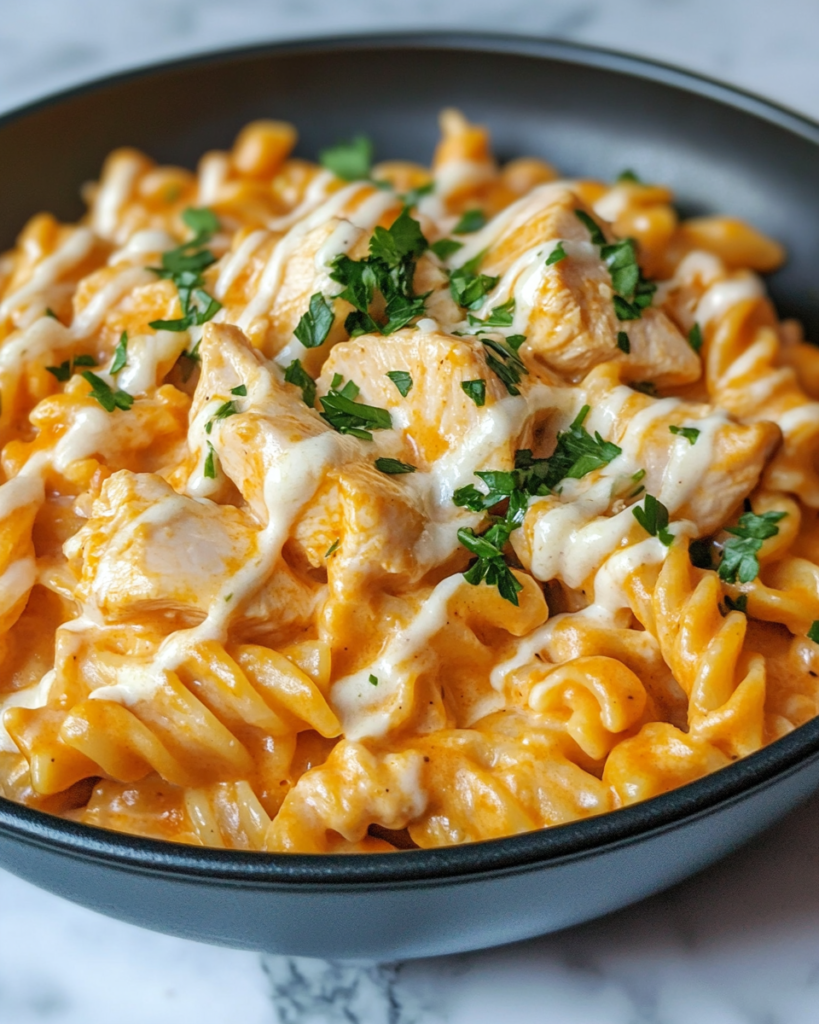
Buffalo Chicken Pasta Skillet brings together tender chicken, creamy sauce, pasta, and the bold taste of buffalo sauce in one hearty pan. This dish has the rich texture of a baked pasta dinner while keeping the cooking process simple enough for a busy evening. The creamy cheese balances the heat from the buffalo sauce, while pasta absorbs every bit of flavor during cooking.

One-pan meals remain popular because they cut down on cleanup and keep dinner practical without losing flavor. Buffalo Chicken Pasta Skillet fits perfectly into that style of cooking. Everything cooks together in layers, creating a creamy, savory meal with a little heat in every forkful.

This recipe works well for family dinners, game-day gatherings, and casual weekend meals. The combination of chicken, pasta, and cheese creates a filling dish that feels warm and satisfying. Fresh herbs, crisp celery, or extra cheese on top can finish the skillet with added texture and flavor.

Ingredients Overview
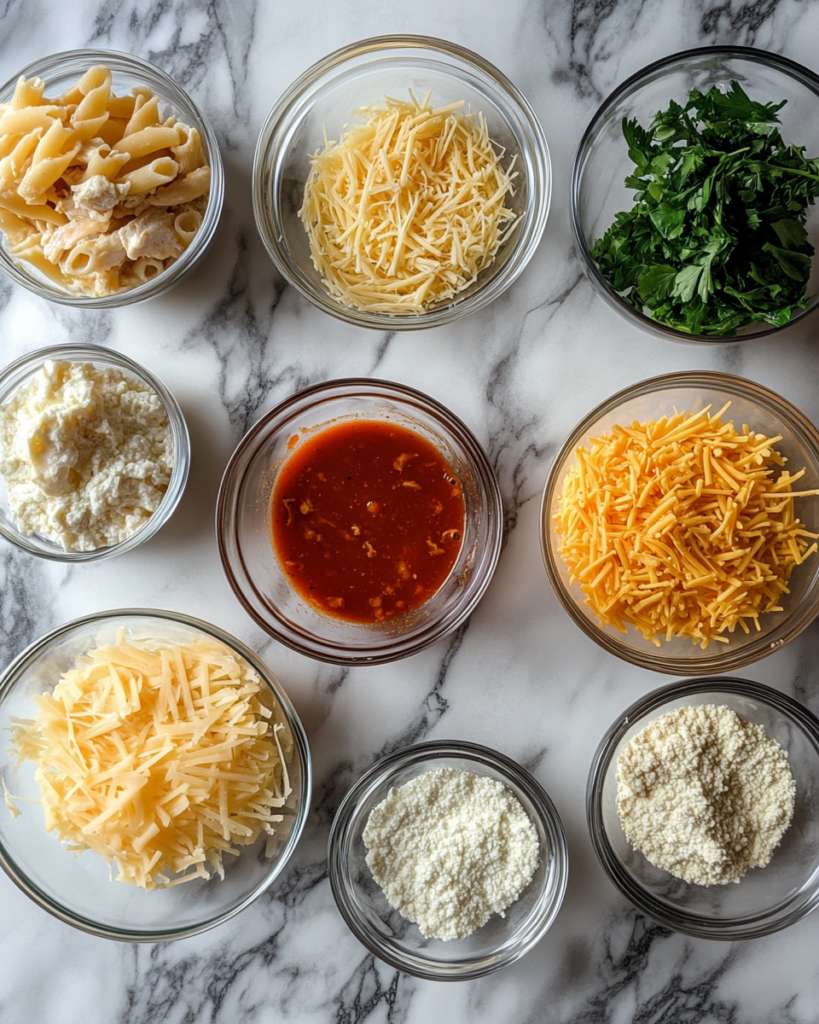
The main ingredient in Buffalo Chicken Pasta Skillet is boneless skinless chicken breast. Chicken thighs also work well because they stay juicy during cooking and bring slightly richer flavor. The chicken absorbs the buffalo sauce while cooking, helping the heat spread throughout the entire dish.

Buffalo sauce gives the skillet its signature flavor. Traditional cayenne-based buffalo sauce adds heat, tanginess, and a buttery finish. Mild buffalo sauce creates a gentler dish, while hot buffalo sauce adds extra spice for heat lovers. A small amount of ranch seasoning softens the sharpness of the sauce and brings balance to the skillet.

Pasta acts as the base of the meal. Short pasta shapes such as penne, rotini, or shells work best because they hold sauce inside every bite. Cooking the pasta directly in the skillet allows it to soak up flavor from the broth and sauce instead of plain water.

Cream cheese and shredded cheddar create the creamy texture. Cream cheese melts into the broth and buffalo sauce, forming a rich coating for the pasta. Sharp cheddar adds depth and gives the skillet a thick, cheesy finish. Monterey Jack or mozzarella can replace cheddar for a smoother texture.

Chicken broth helps cook the pasta while adding savory flavor. Garlic and onion provide the foundation for the dish and help round out the spicy notes from the buffalo sauce. Green onions or parsley added at the end bring freshness and color.

Ingredients

1 pound boneless skinless chicken breast, diced

2 tablespoons olive oil

1 small yellow onion, finely chopped

3 cloves garlic, minced

2 cups chicken broth

1 1/2 cups milk

1/2 cup buffalo sauce

8 ounces penne pasta

4 ounces cream cheese, softened

1 1/2 cups shredded sharp cheddar cheese

1/2 cup shredded mozzarella cheese

1 teaspoon ranch seasoning

1/2 teaspoon smoked paprika

1/2 teaspoon salt

1/4 teaspoon black pepper

2 tablespoons chopped green onions

1 tablespoon chopped parsley

Optional celery slices for serving

Optional blue cheese crumbles for topping

Step-by-Step Instructions
Place a large deep skillet over medium heat. Add olive oil and allow it to warm for about 30 seconds. Add the diced chicken along with salt, pepper, and smoked paprika. Cook for 5 to 7 minutes, stirring occasionally, until the chicken turns lightly golden and no pink remains in the center.

Add the chopped onion and cook for another 3 minutes until softened. Stir in the garlic and cook for 30 seconds. Garlic burns quickly, so keep it moving in the pan during this stage.

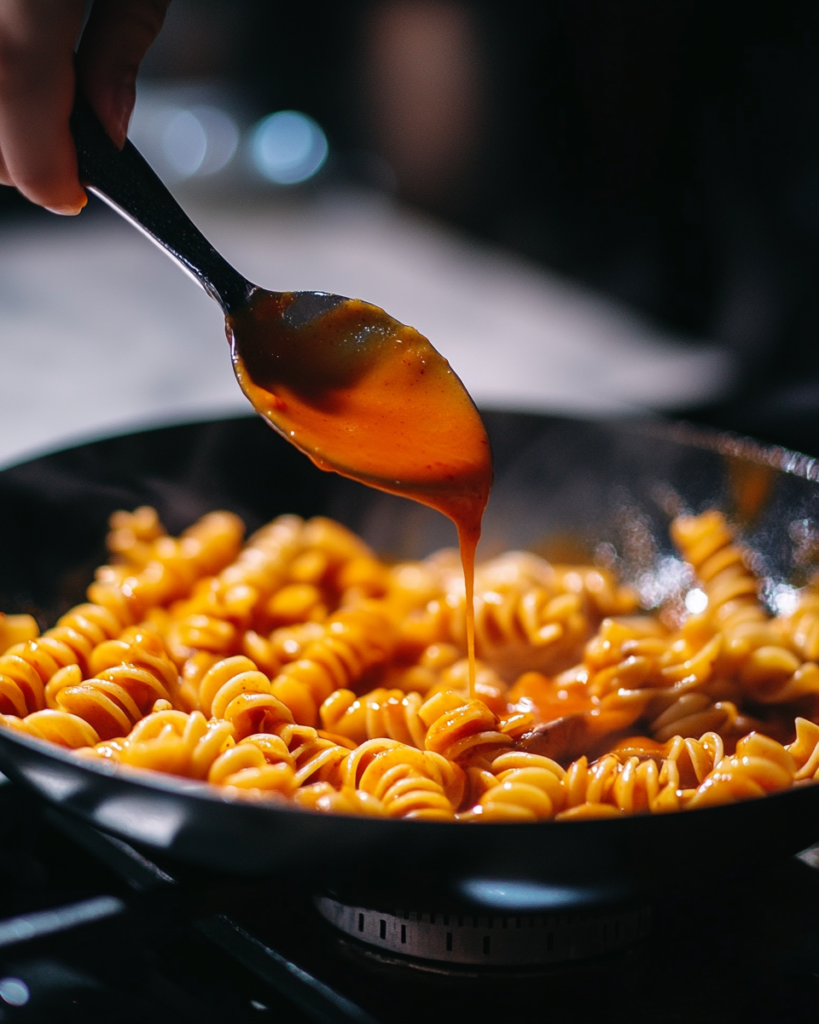
Pour in the chicken broth, milk, and buffalo sauce. Stir well so the flavors combine evenly. Add the dry pasta directly into the skillet and press it gently into the liquid. Bring the mixture to a gentle boil.

Reduce the heat to medium-low and cover the skillet. Cook for 12 to 15 minutes, stirring every few minutes so the pasta cooks evenly and does not stick to the bottom. The pasta should become tender while most of the liquid thickens into a creamy sauce.

Once the pasta reaches an al dente texture, add the cream cheese in small pieces. Stir slowly until fully melted. Sprinkle in the cheddar cheese and mozzarella cheese a little at a time while stirring continuously. The sauce should become thick, creamy, and glossy.

If the sauce feels too thick, add a small splash of broth or milk. If it feels too thin, allow the skillet to simmer uncovered for 2 to 3 minutes.

Taste the skillet and adjust the buffalo sauce if desired. A small extra splash can increase the heat level without changing the creamy texture too much.

Remove the skillet from the heat and allow it to rest for 3 minutes before serving. This resting period helps the sauce settle and cling to the pasta more evenly.

Top with chopped green onions, parsley, celery slices, or blue cheese crumbles before serving.

One common mistake is cooking the pasta over heat that is too high. Rapid boiling may cause the liquid to disappear before the pasta softens fully. Another issue comes from adding cheese too quickly. Slow stirring prevents clumping and keeps the sauce smooth.

Tips, Variations & Substitutions

Rotisserie chicken works very well in this recipe when time feels short. Simply skip the raw chicken step and stir shredded cooked chicken into the skillet once the pasta becomes tender.

For a richer skillet, replace part of the milk with heavy cream. This creates an extra creamy sauce that coats the pasta more heavily. Greek yogurt can replace cream cheese for a lighter version with slight tanginess.

Whole wheat pasta adds extra fiber and holds up nicely in skillet cooking. Gluten-free pasta also works, though cooking times may vary slightly depending on the brand.

Blue cheese fans can stir crumbles directly into the sauce for a stronger buffalo-wing flavor. Ranch dressing can also replace part of the milk for a richer finish.

Vegetables such as spinach, diced bell peppers, or corn fit nicely into the skillet. Stir spinach in near the end so it wilts gently without becoming mushy.

For added crunch, toasted breadcrumbs sprinkled on top create texture similar to baked buffalo chicken pasta. Crushed crackers also bring a crisp topping without needing the oven.

Leftovers store well in the refrigerator for up to 3 days. Reheat slowly with a splash of milk to keep the sauce creamy.

Serving Ideas & Occasions

Buffalo Chicken Pasta Skillet pairs nicely with crisp green salads, roasted broccoli, garlic bread, or celery sticks. The creamy sauce balances fresh and crunchy side dishes very well.

Cold sparkling water, iced tea, or lemonade help cool the heat from the buffalo sauce. For casual gatherings, the skillet pairs nicely with light lagers or citrus-flavored drinks.

This recipe fits game-day spreads, weekend dinners, potlucks, and relaxed family meals. Because everything cooks in one pan, it also works nicely for busy weeknights when kitchen cleanup needs to stay simple.

Small toppings set out in bowls can turn dinner into a customizable meal. Chopped herbs, extra buffalo sauce, ranch dressing, and blue cheese allow each person to finish their serving according to taste.

The skillet also reheats nicely for lunch the next day, making it practical for meal prep.

Nutritional & Health Notes

Buffalo Chicken Pasta Skillet contains protein from chicken and dairy along with carbohydrates from pasta, creating a filling balanced meal. Chicken breast keeps the dish leaner while still providing satisfying texture and flavor.

Using reduced-fat cream cheese and lower-fat cheddar can lower the overall richness without changing the dish too much. Adding vegetables such as spinach or broccoli increases fiber and nutrients while bringing extra color to the skillet.

Buffalo sauce contains sodium, so lower-sodium broth may help balance the meal. Whole wheat pasta can add additional fiber and help create a steadier texture that holds the sauce well.

Portion size also matters because creamy pasta dishes become filling quickly. Pairing the skillet with a salad or fresh vegetables can create a more balanced plate.

The recipe contains dairy, though dairy-free cream cheese and shredded cheese alternatives can work for those avoiding milk products.

FAQs

Can I make Buffalo Chicken Pasta Skillet ahead of time?

Yes, this skillet can be prepared ahead and reheated later. The pasta absorbs sauce as it sits, so the texture becomes thicker after refrigeration. When reheating, add a splash of milk or broth to loosen the sauce and restore creaminess. Warm the skillet slowly over medium-low heat or microwave in short intervals while stirring between each round. If preparing the dish for guests, slightly undercook the pasta during the first cooking stage so it stays tender after reheating. Fresh herbs and toppings should be added just before serving for the best flavor and texture. The skillet keeps well in an airtight container for about 3 days in the refrigerator.

What pasta shape works best for this recipe?

Short pasta shapes hold sauce best in Buffalo Chicken Pasta Skillet. Penne, rotini, shells, and cavatappi all work nicely because their ridges and curves catch the creamy buffalo sauce. Long noodles such as spaghetti do not mix as evenly in skillet-style recipes and may clump together during cooking. Pasta with thicker walls tends to hold up better during simmering since it cooks directly in the sauce instead of separate boiling water. Cooking times can vary slightly depending on the pasta shape and brand. Stirring every few minutes during cooking helps the pasta soften evenly and prevents sticking near the bottom of the skillet.

Can I freeze Buffalo Chicken Pasta Skillet?

Freezing is possible, though creamy sauces sometimes change texture slightly after thawing. For the best results, allow the skillet to cool fully before transferring it into freezer-safe containers. Freeze for up to 2 months. Thaw overnight in the refrigerator before reheating. Warm slowly on the stovetop with extra milk or broth stirred in gradually to smooth out the sauce. Pasta may soften slightly after freezing, though the flavor remains rich and satisfying. Fresh toppings such as green onions or parsley should be added after reheating rather than before freezing. Smaller portions tend to reheat more evenly than one large container.

How spicy is this dish?

The heat level depends mostly on the buffalo sauce used. Mild buffalo sauce creates gentle warmth, while hot buffalo sauce brings much stronger heat. Cream cheese and cheddar soften the spice considerably, making the overall dish creamy rather than overpowering. Those who enjoy stronger spice can stir in extra buffalo sauce or a pinch of cayenne pepper near the end of cooking. For a gentler version, reduce the buffalo sauce slightly and add a bit more milk or cream cheese. Serving the skillet with ranch dressing or blue cheese dressing can also cool the heat level while adding extra flavor to each bite.

Can I use leftover chicken?

Leftover chicken works very well in this recipe. Shredded rotisserie chicken, grilled chicken, or baked chicken can all replace freshly cooked chicken breast. Add the cooked chicken once the pasta has nearly finished simmering so the meat warms through without drying out. Using leftover chicken cuts down on cooking time and makes the skillet even more practical for busy evenings. Dark meat chicken stays especially tender in creamy sauces, though white meat also works nicely. Since cooked chicken already contains seasoning, taste the skillet before adding extra salt to avoid making the dish overly salty.

Why did my sauce turn too thick?

The sauce thickens as the pasta absorbs liquid during cooking and resting. If the skillet becomes too thick, stir in warm milk or broth a little at a time until the texture loosens. Cooking over high heat can also reduce liquid too quickly before the pasta finishes cooking. Keeping the skillet at a gentle simmer allows the pasta to soften gradually while maintaining enough sauce. Cheese added over very high heat may tighten the sauce as well. Lower heat and steady stirring help keep the sauce creamy and smooth. Leftovers naturally thicken in the refrigerator, though reheating with extra liquid usually fixes the texture easily.

What toppings pair nicely with Buffalo Chicken Pasta Skillet?

Fresh toppings add balance and texture to the creamy pasta. Green onions bring mild sharpness and color, while parsley adds freshness. Blue cheese crumbles create a classic buffalo-wing flavor that pairs especially well with spicy sauce. Celery slices add crisp texture and cool contrast against the warm creamy pasta. Ranch dressing drizzled lightly over the top can soften the heat while adding richness. Crushed crackers or toasted breadcrumbs bring crunch similar to baked casseroles. Extra shredded cheddar melted over the top right before serving also creates a rich cheesy finish that many people enjoy during casual family dinners or game-day meals.

[rank_math_breadcrumb]

Buffalo Chicken Pasta Skillet: 5 Amazing Comforts

Photo of author
Author: Olivia
Published:

Buffalo Chicken Pasta Skillet brings together tender chicken, creamy sauce, pasta, and the bold taste of buffalo sauce in one hearty pan. This dish has the rich texture of a baked pasta dinner while keeping the cooking process simple enough for a busy evening. The creamy cheese balances the heat from the buffalo sauce, while pasta absorbs every bit of flavor during cooking.

One-pan meals remain popular because they cut down on cleanup and keep dinner practical without losing flavor. Buffalo Chicken Pasta Skillet fits perfectly into that style of cooking. Everything cooks together in layers, creating a creamy, savory meal with a little heat in every forkful.

This recipe works well for family dinners, game-day gatherings, and casual weekend meals. The combination of chicken, pasta, and cheese creates a filling dish that feels warm and satisfying. Fresh herbs, crisp celery, or extra cheese on top can finish the skillet with added texture and flavor.

Ingredients Overview

The main ingredient in Buffalo Chicken Pasta Skillet is boneless skinless chicken breast. Chicken thighs also work well because they stay juicy during cooking and bring slightly richer flavor. The chicken absorbs the buffalo sauce while cooking, helping the heat spread throughout the entire dish.

Buffalo sauce gives the skillet its signature flavor. Traditional cayenne-based buffalo sauce adds heat, tanginess, and a buttery finish. Mild buffalo sauce creates a gentler dish, while hot buffalo sauce adds extra spice for heat lovers. A small amount of ranch seasoning softens the sharpness of the sauce and brings balance to the skillet.

Pasta acts as the base of the meal. Short pasta shapes such as penne, rotini, or shells work best because they hold sauce inside every bite. Cooking the pasta directly in the skillet allows it to soak up flavor from the broth and sauce instead of plain water.

Cream cheese and shredded cheddar create the creamy texture. Cream cheese melts into the broth and buffalo sauce, forming a rich coating for the pasta. Sharp cheddar adds depth and gives the skillet a thick, cheesy finish. Monterey Jack or mozzarella can replace cheddar for a smoother texture.

Chicken broth helps cook the pasta while adding savory flavor. Garlic and onion provide the foundation for the dish and help round out the spicy notes from the buffalo sauce. Green onions or parsley added at the end bring freshness and color.

Ingredients

1 pound boneless skinless chicken breast, diced

2 tablespoons olive oil

1 small yellow onion, finely chopped

3 cloves garlic, minced

2 cups chicken broth

1 1/2 cups milk

1/2 cup buffalo sauce

8 ounces penne pasta

4 ounces cream cheese, softened

1 1/2 cups shredded sharp cheddar cheese

1/2 cup shredded mozzarella cheese

1 teaspoon ranch seasoning

1/2 teaspoon smoked paprika

1/2 teaspoon salt

1/4 teaspoon black pepper

2 tablespoons chopped green onions

1 tablespoon chopped parsley

Optional celery slices for serving

Optional blue cheese crumbles for topping

Step-by-Step Instructions

Place a large deep skillet over medium heat. Add olive oil and allow it to warm for about 30 seconds. Add the diced chicken along with salt, pepper, and smoked paprika. Cook for 5 to 7 minutes, stirring occasionally, until the chicken turns lightly golden and no pink remains in the center.

Add the chopped onion and cook for another 3 minutes until softened. Stir in the garlic and cook for 30 seconds. Garlic burns quickly, so keep it moving in the pan during this stage.

Pour in the chicken broth, milk, and buffalo sauce. Stir well so the flavors combine evenly. Add the dry pasta directly into the skillet and press it gently into the liquid. Bring the mixture to a gentle boil.

Reduce the heat to medium-low and cover the skillet. Cook for 12 to 15 minutes, stirring every few minutes so the pasta cooks evenly and does not stick to the bottom. The pasta should become tender while most of the liquid thickens into a creamy sauce.

Once the pasta reaches an al dente texture, add the cream cheese in small pieces. Stir slowly until fully melted. Sprinkle in the cheddar cheese and mozzarella cheese a little at a time while stirring continuously. The sauce should become thick, creamy, and glossy.

If the sauce feels too thick, add a small splash of broth or milk. If it feels too thin, allow the skillet to simmer uncovered for 2 to 3 minutes.

Taste the skillet and adjust the buffalo sauce if desired. A small extra splash can increase the heat level without changing the creamy texture too much.

Remove the skillet from the heat and allow it to rest for 3 minutes before serving. This resting period helps the sauce settle and cling to the pasta more evenly.

Top with chopped green onions, parsley, celery slices, or blue cheese crumbles before serving.

One common mistake is cooking the pasta over heat that is too high. Rapid boiling may cause the liquid to disappear before the pasta softens fully. Another issue comes from adding cheese too quickly. Slow stirring prevents clumping and keeps the sauce smooth.

Tips, Variations & Substitutions

Rotisserie chicken works very well in this recipe when time feels short. Simply skip the raw chicken step and stir shredded cooked chicken into the skillet once the pasta becomes tender.

For a richer skillet, replace part of the milk with heavy cream. This creates an extra creamy sauce that coats the pasta more heavily. Greek yogurt can replace cream cheese for a lighter version with slight tanginess.

Whole wheat pasta adds extra fiber and holds up nicely in skillet cooking. Gluten-free pasta also works, though cooking times may vary slightly depending on the brand.

Blue cheese fans can stir crumbles directly into the sauce for a stronger buffalo-wing flavor. Ranch dressing can also replace part of the milk for a richer finish.

Vegetables such as spinach, diced bell peppers, or corn fit nicely into the skillet. Stir spinach in near the end so it wilts gently without becoming mushy.

For added crunch, toasted breadcrumbs sprinkled on top create texture similar to baked buffalo chicken pasta. Crushed crackers also bring a crisp topping without needing the oven.

Leftovers store well in the refrigerator for up to 3 days. Reheat slowly with a splash of milk to keep the sauce creamy.

Serving Ideas & Occasions

Buffalo Chicken Pasta Skillet pairs nicely with crisp green salads, roasted broccoli, garlic bread, or celery sticks. The creamy sauce balances fresh and crunchy side dishes very well.

Cold sparkling water, iced tea, or lemonade help cool the heat from the buffalo sauce. For casual gatherings, the skillet pairs nicely with light lagers or citrus-flavored drinks.

This recipe fits game-day spreads, weekend dinners, potlucks, and relaxed family meals. Because everything cooks in one pan, it also works nicely for busy weeknights when kitchen cleanup needs to stay simple.

Small toppings set out in bowls can turn dinner into a customizable meal. Chopped herbs, extra buffalo sauce, ranch dressing, and blue cheese allow each person to finish their serving according to taste.

The skillet also reheats nicely for lunch the next day, making it practical for meal prep.

Nutritional & Health Notes

Buffalo Chicken Pasta Skillet contains protein from chicken and dairy along with carbohydrates from pasta, creating a filling balanced meal. Chicken breast keeps the dish leaner while still providing satisfying texture and flavor.

Using reduced-fat cream cheese and lower-fat cheddar can lower the overall richness without changing the dish too much. Adding vegetables such as spinach or broccoli increases fiber and nutrients while bringing extra color to the skillet.

Buffalo sauce contains sodium, so lower-sodium broth may help balance the meal. Whole wheat pasta can add additional fiber and help create a steadier texture that holds the sauce well.

Portion size also matters because creamy pasta dishes become filling quickly. Pairing the skillet with a salad or fresh vegetables can create a more balanced plate.

The recipe contains dairy, though dairy-free cream cheese and shredded cheese alternatives can work for those avoiding milk products.

FAQs

Can I make Buffalo Chicken Pasta Skillet ahead of time?

Yes, this skillet can be prepared ahead and reheated later. The pasta absorbs sauce as it sits, so the texture becomes thicker after refrigeration. When reheating, add a splash of milk or broth to loosen the sauce and restore creaminess. Warm the skillet slowly over medium-low heat or microwave in short intervals while stirring between each round. If preparing the dish for guests, slightly undercook the pasta during the first cooking stage so it stays tender after reheating. Fresh herbs and toppings should be added just before serving for the best flavor and texture. The skillet keeps well in an airtight container for about 3 days in the refrigerator.

What pasta shape works best for this recipe?

Short pasta shapes hold sauce best in Buffalo Chicken Pasta Skillet. Penne, rotini, shells, and cavatappi all work nicely because their ridges and curves catch the creamy buffalo sauce. Long noodles such as spaghetti do not mix as evenly in skillet-style recipes and may clump together during cooking. Pasta with thicker walls tends to hold up better during simmering since it cooks directly in the sauce instead of separate boiling water. Cooking times can vary slightly depending on the pasta shape and brand. Stirring every few minutes during cooking helps the pasta soften evenly and prevents sticking near the bottom of the skillet.

Can I freeze Buffalo Chicken Pasta Skillet?

Freezing is possible, though creamy sauces sometimes change texture slightly after thawing. For the best results, allow the skillet to cool fully before transferring it into freezer-safe containers. Freeze for up to 2 months. Thaw overnight in the refrigerator before reheating. Warm slowly on the stovetop with extra milk or broth stirred in gradually to smooth out the sauce. Pasta may soften slightly after freezing, though the flavor remains rich and satisfying. Fresh toppings such as green onions or parsley should be added after reheating rather than before freezing. Smaller portions tend to reheat more evenly than one large container.

How spicy is this dish?

The heat level depends mostly on the buffalo sauce used. Mild buffalo sauce creates gentle warmth, while hot buffalo sauce brings much stronger heat. Cream cheese and cheddar soften the spice considerably, making the overall dish creamy rather than overpowering. Those who enjoy stronger spice can stir in extra buffalo sauce or a pinch of cayenne pepper near the end of cooking. For a gentler version, reduce the buffalo sauce slightly and add a bit more milk or cream cheese. Serving the skillet with ranch dressing or blue cheese dressing can also cool the heat level while adding extra flavor to each bite.

Can I use leftover chicken?

Leftover chicken works very well in this recipe. Shredded rotisserie chicken, grilled chicken, or baked chicken can all replace freshly cooked chicken breast. Add the cooked chicken once the pasta has nearly finished simmering so the meat warms through without drying out. Using leftover chicken cuts down on cooking time and makes the skillet even more practical for busy evenings. Dark meat chicken stays especially tender in creamy sauces, though white meat also works nicely. Since cooked chicken already contains seasoning, taste the skillet before adding extra salt to avoid making the dish overly salty.

Why did my sauce turn too thick?

The sauce thickens as the pasta absorbs liquid during cooking and resting. If the skillet becomes too thick, stir in warm milk or broth a little at a time until the texture loosens. Cooking over high heat can also reduce liquid too quickly before the pasta finishes cooking. Keeping the skillet at a gentle simmer allows the pasta to soften gradually while maintaining enough sauce. Cheese added over very high heat may tighten the sauce as well. Lower heat and steady stirring help keep the sauce creamy and smooth. Leftovers naturally thicken in the refrigerator, though reheating with extra liquid usually fixes the texture easily.

What toppings pair nicely with Buffalo Chicken Pasta Skillet?

Fresh toppings add balance and texture to the creamy pasta. Green onions bring mild sharpness and color, while parsley adds freshness. Blue cheese crumbles create a classic buffalo-wing flavor that pairs especially well with spicy sauce. Celery slices add crisp texture and cool contrast against the warm creamy pasta. Ranch dressing drizzled lightly over the top can soften the heat while adding richness. Crushed crackers or toasted breadcrumbs bring crunch similar to baked casseroles. Extra shredded cheddar melted over the top right before serving also creates a rich cheesy finish that many people enjoy during casual family dinners or game-day meals.
Name

Lorem ipsum dolor sit amet, consectetur adipiscing elit. Suspendisse varius enim in eros elementum tristique. Duis cursus, mi quis viverra ornare, eros dolor interdum nulla, ut commodo diam libero vitae erat.

You Might Also Like...

Healthy Avocado Chicken Rice Bowl: 7 Simple Devoted Meals

Healthy Avocado Chicken Rice Bowl: 7 Simple Devoted Meals

Chicken Enchilada Rice Bake: 5 Authentic Comforting Dinners

Chicken Enchilada Rice Bake: 5 Authentic Comforting Dinners

Sweet Chili Chicken Rice Bowls: 30-Minute Authentic Comfort

Sweet Chili Chicken Rice Bowls: 30-Minute Authentic Comfort

Creamy Cajun Chicken Rice: 1 Authentic Comforting Dish

Creamy Cajun Chicken Rice: 1 Authentic Comforting Dish

Tags:

You might also like these recipes

Leave a Comment