Buffalo Chicken Pasta Skillet 1 Simple Cozy Fix

Posted on

Uncategorized

Difficulty

Prep time

Cooking time

Total time

Servings

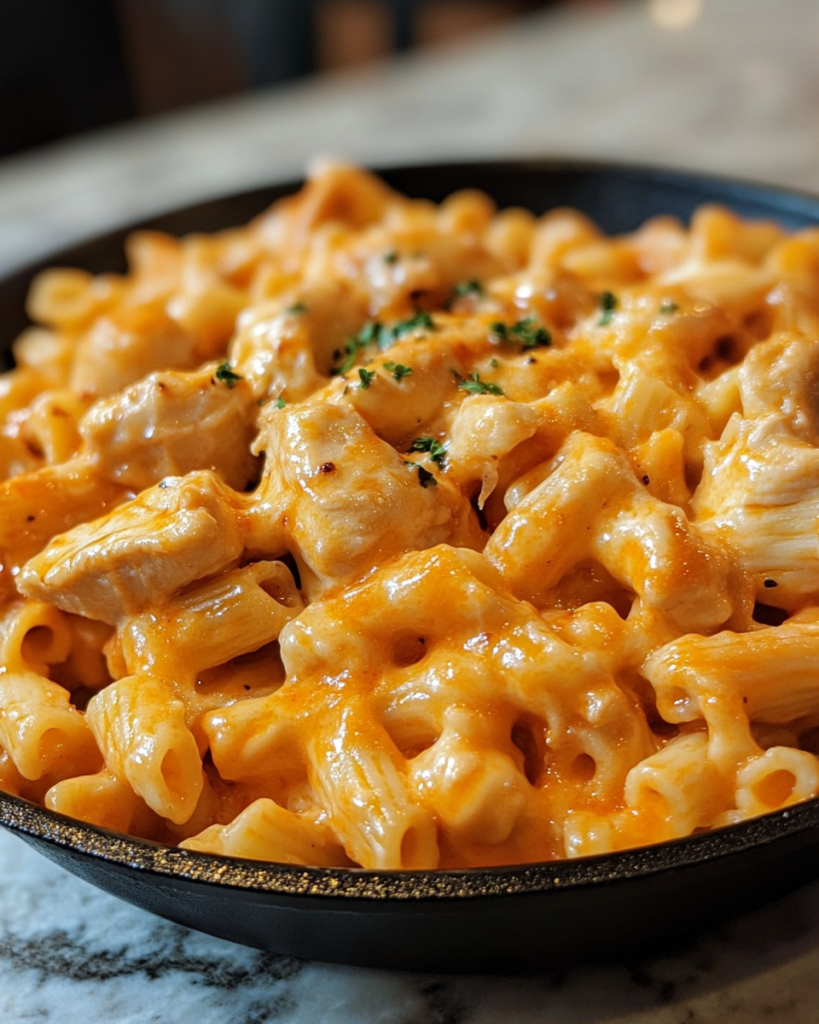
Creamy, spicy pasta with tender chicken and a bold buffalo-style sauce comes together in a single pan in Buffalo Chicken Pasta Skillet. This dish blends comfort-style pasta with the punchy flavor of hot sauce, creating a filling meal that works for busy weeknights or relaxed weekend cooking.

The pasta absorbs a rich, tangy sauce while the chicken adds protein and texture. Melted cheese rounds everything out, giving each bite a smooth finish. Cooking everything in one skillet keeps the process straightforward and reduces cleanup time.

This style of pasta dish is inspired by classic American buffalo wings, but it transforms those familiar flavors into a hearty pasta dinner. It is flexible enough for ingredient swaps and can be adjusted for heat level depending on preference.


Ingredients Overview
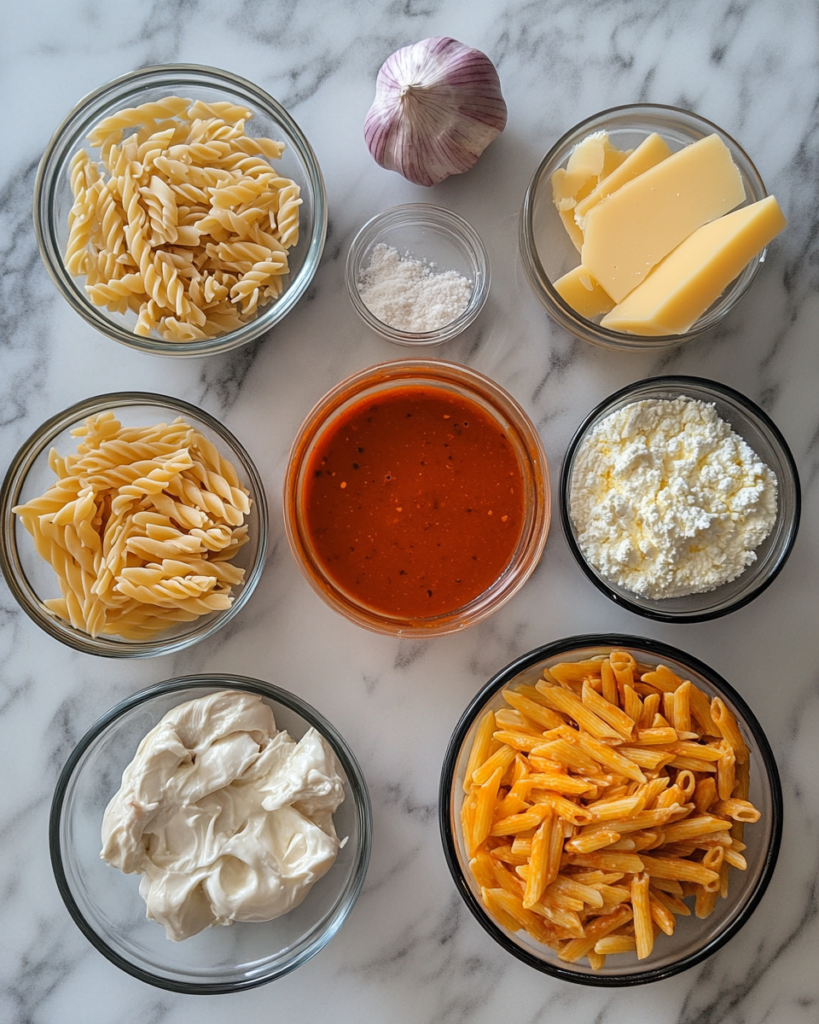
Buffalo Chicken Pasta Skillet relies on a balance of heat, creaminess, and savory depth. Each ingredient plays a clear role in building the final dish.

Chicken is the main protein and absorbs the buffalo sauce as it cooks. Boneless chicken breast is commonly used because it cooks quickly and stays tender when cut into bite-sized pieces. Chicken thighs can also be used for a slightly richer texture.

Buffalo-style hot sauce brings the signature tang and heat. It blends with butter to create a smooth sauce that coats the pasta evenly. The butter softens the sharpness of the hot sauce, helping it blend into the cream-based elements.

Pasta is the base that holds everything together. Short shapes like penne or rotini work well because they catch sauce in their ridges and curves. Cooking the pasta directly in the skillet allows it to absorb flavor while it softens.

Cream cheese or heavy cream adds richness and balances the heat from the buffalo sauce. This ingredient is key for achieving a smooth, velvety texture.

Cheddar cheese melts into the sauce and adds depth. It also helps thicken the mixture slightly as it blends with the cream.

Garlic and onion form the aromatic base, giving the dish savory undertones. They are cooked first to release flavor before adding other ingredients.

Chicken broth helps cook the pasta and adds extra savory notes. It also keeps the sauce from becoming too thick too quickly.

A small amount of butter is used to start the cooking process and helps brown the chicken while carrying flavor from the aromatics.

Seasonings such as salt, pepper, and paprika round out the dish without overpowering the buffalo sauce.


Ingredients

1 pound boneless chicken breast, cut into bite-sized pieces
2 cups uncooked penne pasta
2 cups chicken broth
1 cup buffalo-style hot sauce
3 tablespoons unsalted butter
1 small yellow onion, finely chopped
3 cloves garlic, minced
4 ounces cream cheese, softened
1 cup shredded cheddar cheese
1/2 teaspoon salt
1/2 teaspoon black pepper
1/2 teaspoon paprika
2 tablespoons chopped green onions for garnish


Step-by-Step Instructions
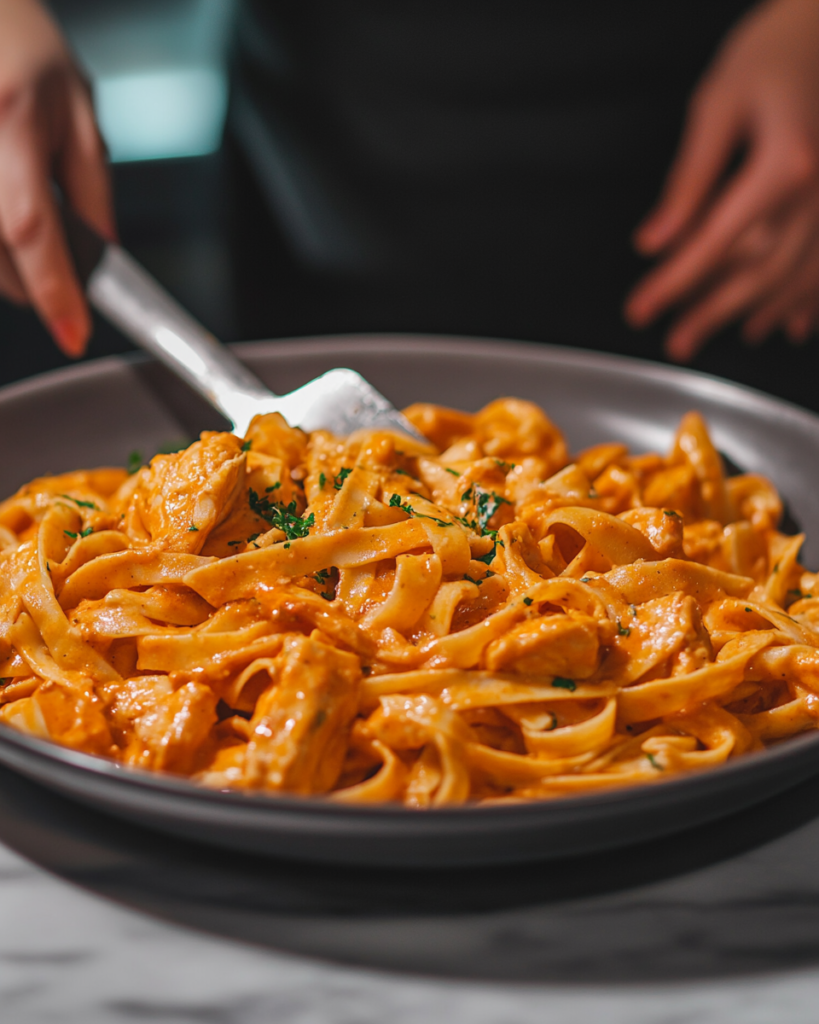
Start by heating a large skillet over medium heat. Add butter and allow it to melt fully, coating the bottom of the pan. This creates a base that helps brown the chicken evenly.

Add the chicken pieces to the skillet in a single layer. Cook for several minutes, turning occasionally until all sides develop light browning. The chicken does not need to be fully cooked at this stage, as it will continue cooking later with the pasta.

Once the chicken has some color, add chopped onion. Stir and cook until the onion becomes soft and slightly translucent. This step builds flavor for the base of the dish.

Add minced garlic and cook briefly until fragrant. Garlic cooks quickly, so it should only stay in the pan for a short time to avoid bitterness.

Pour in the chicken broth and buffalo-style hot sauce. Stir to combine all ingredients evenly, scraping the bottom of the skillet to release any browned bits. These add depth to the sauce.

Add uncooked pasta directly into the skillet. Stir well so the pasta is submerged as much as possible. Bring the mixture to a gentle simmer.

Cover the skillet and cook for several minutes, stirring occasionally to prevent sticking. The pasta will absorb liquid as it softens, so add a small splash of broth if needed to maintain a saucy consistency.

Once the pasta reaches a tender texture, reduce the heat slightly. Add cream cheese in small portions, stirring until it melts fully into the sauce. This step creates a smooth, creamy base.

Sprinkle in shredded cheddar cheese and stir until fully melted. The sauce will thicken slightly and coat the pasta evenly. At this stage, the chicken should be fully cooked and tender.

Season with salt, black pepper, and paprika. Taste the sauce and adjust seasoning if needed, keeping the balance between heat, creaminess, and savory notes.

Allow the skillet to rest for a few minutes before serving. This helps the sauce settle and thicken slightly. Garnish with chopped green onions for a fresh contrast.


Tips, Variations & Substitutions

Adjusting the heat level is simple. For a milder version, reduce the amount of buffalo sauce and increase the cream cheese slightly. For extra heat, add a pinch of cayenne or use a hotter sauce blend.

Chicken thighs can replace chicken breast if a richer texture is preferred. They stay juicy and hold flavor well during cooking.

For a lighter version, substitute half of the cream cheese with Greek yogurt added at the end of cooking off heat. This keeps the sauce creamy while reducing richness.

Pasta shapes can vary based on preference. Shells, fusilli, or farfalle all work well since they hold sauce effectively.

Adding vegetables such as spinach or bell peppers can increase texture and color. These should be added near the end of cooking so they maintain structure.

For extra depth, a small splash of ranch seasoning can be stirred into the sauce for a familiar flavor combination.


Serving Ideas & Occasions

Buffalo Chicken Pasta Skillet works well as a standalone dinner since it combines protein, starch, and sauce in one dish. It pairs well with simple side salads or roasted vegetables for added freshness.

Garlic bread or toasted rolls can be served alongside to soak up extra sauce from the skillet. The creamy texture of the pasta complements crisp or crunchy sides.

This dish is commonly served during casual dinners, shared meals, or gatherings where a single-pan recipe is convenient. It also reheats well, making it practical for meal preparation.

A chilled beverage or simple sparkling drink pairs well with the spicy and creamy profile of the dish.


Nutritional & Health Notes

This recipe contains a balance of protein from chicken, carbohydrates from pasta, and fats from cheese and butter. The combination creates a filling meal that provides sustained energy.

Buffalo-style sauce contributes sodium and heat, so portion awareness is helpful for those monitoring salt intake. Using reduced-sodium broth can help balance this.

Cream cheese and cheddar add richness and calcium, though they also increase fat content. Adjusting quantities can help tailor the dish to personal dietary needs.

Including vegetables can increase fiber and micronutrient content while keeping the dish balanced.


FAQs

Can I use pre-cooked chicken?

Yes, pre-cooked chicken can be used in this recipe. It should be added after the pasta has softened in the sauce. This prevents overcooking and keeps the chicken tender. Shredded rotisserie chicken works especially well since it absorbs the buffalo sauce quickly and blends into the creamy base without requiring extra cooking time.

What pasta works best for this dish?

Short pasta shapes such as penne, rotini, or shells work best. These shapes hold onto the sauce and provide a consistent texture in every bite. Long pasta like spaghetti can be used, but it may not capture the sauce as effectively. Cooking pasta directly in the skillet helps it absorb more flavor.

Can the dish be made less spicy?

Yes, reducing the amount of buffalo sauce will lower the heat level. Adding more cream cheese or a small amount of heavy cream also softens the spice. Choosing a mild buffalo-style sauce instead of a hot version creates a smoother flavor profile while maintaining the signature taste.

Can I prepare this ahead of time?

This dish can be prepared ahead and stored in the refrigerator. When reheating, add a splash of broth or milk to restore the creamy texture. Heating over low heat helps prevent the sauce from separating. It is best consumed within a few days for optimal texture.

What cheese works instead of cheddar?

Mozzarella, Monterey Jack, or Colby can replace cheddar. Mozzarella creates a smoother melt, while Monterey Jack adds mild creaminess. Each cheese slightly changes the flavor but still blends well with buffalo sauce and cream cheese.

Can vegetables be added?

Yes, vegetables such as spinach, bell peppers, or mushrooms can be included. They should be added near the end of cooking so they retain texture. Spinach wilts quickly and blends into the sauce, while peppers and mushrooms add more structure.

How do I keep the sauce creamy?

Keeping the heat at a moderate level helps prevent the sauce from separating. Stirring in cream cheese gradually ensures smooth blending. If the sauce thickens too much, a small amount of broth or milk can be added to restore consistency.

[rank_math_breadcrumb]

Buffalo Chicken Pasta Skillet 1 Simple Cozy Fix

Photo of author
Author: Olivia
Published:

Creamy, spicy pasta with tender chicken and a bold buffalo-style sauce comes together in a single pan in Buffalo Chicken Pasta Skillet. This dish blends comfort-style pasta with the punchy flavor of hot sauce, creating a filling meal that works for busy weeknights or relaxed weekend cooking.

The pasta absorbs a rich, tangy sauce while the chicken adds protein and texture. Melted cheese rounds everything out, giving each bite a smooth finish. Cooking everything in one skillet keeps the process straightforward and reduces cleanup time.

This style of pasta dish is inspired by classic American buffalo wings, but it transforms those familiar flavors into a hearty pasta dinner. It is flexible enough for ingredient swaps and can be adjusted for heat level depending on preference.


Ingredients Overview

Buffalo Chicken Pasta Skillet relies on a balance of heat, creaminess, and savory depth. Each ingredient plays a clear role in building the final dish.

Chicken is the main protein and absorbs the buffalo sauce as it cooks. Boneless chicken breast is commonly used because it cooks quickly and stays tender when cut into bite-sized pieces. Chicken thighs can also be used for a slightly richer texture.

Buffalo-style hot sauce brings the signature tang and heat. It blends with butter to create a smooth sauce that coats the pasta evenly. The butter softens the sharpness of the hot sauce, helping it blend into the cream-based elements.

Pasta is the base that holds everything together. Short shapes like penne or rotini work well because they catch sauce in their ridges and curves. Cooking the pasta directly in the skillet allows it to absorb flavor while it softens.

Cream cheese or heavy cream adds richness and balances the heat from the buffalo sauce. This ingredient is key for achieving a smooth, velvety texture.

Cheddar cheese melts into the sauce and adds depth. It also helps thicken the mixture slightly as it blends with the cream.

Garlic and onion form the aromatic base, giving the dish savory undertones. They are cooked first to release flavor before adding other ingredients.

Chicken broth helps cook the pasta and adds extra savory notes. It also keeps the sauce from becoming too thick too quickly.

A small amount of butter is used to start the cooking process and helps brown the chicken while carrying flavor from the aromatics.

Seasonings such as salt, pepper, and paprika round out the dish without overpowering the buffalo sauce.


Ingredients

1 pound boneless chicken breast, cut into bite-sized pieces
2 cups uncooked penne pasta
2 cups chicken broth
1 cup buffalo-style hot sauce
3 tablespoons unsalted butter
1 small yellow onion, finely chopped
3 cloves garlic, minced
4 ounces cream cheese, softened
1 cup shredded cheddar cheese
1/2 teaspoon salt
1/2 teaspoon black pepper
1/2 teaspoon paprika
2 tablespoons chopped green onions for garnish


Step-by-Step Instructions

Start by heating a large skillet over medium heat. Add butter and allow it to melt fully, coating the bottom of the pan. This creates a base that helps brown the chicken evenly.

Add the chicken pieces to the skillet in a single layer. Cook for several minutes, turning occasionally until all sides develop light browning. The chicken does not need to be fully cooked at this stage, as it will continue cooking later with the pasta.

Once the chicken has some color, add chopped onion. Stir and cook until the onion becomes soft and slightly translucent. This step builds flavor for the base of the dish.

Add minced garlic and cook briefly until fragrant. Garlic cooks quickly, so it should only stay in the pan for a short time to avoid bitterness.

Pour in the chicken broth and buffalo-style hot sauce. Stir to combine all ingredients evenly, scraping the bottom of the skillet to release any browned bits. These add depth to the sauce.

Add uncooked pasta directly into the skillet. Stir well so the pasta is submerged as much as possible. Bring the mixture to a gentle simmer.

Cover the skillet and cook for several minutes, stirring occasionally to prevent sticking. The pasta will absorb liquid as it softens, so add a small splash of broth if needed to maintain a saucy consistency.

Once the pasta reaches a tender texture, reduce the heat slightly. Add cream cheese in small portions, stirring until it melts fully into the sauce. This step creates a smooth, creamy base.

Sprinkle in shredded cheddar cheese and stir until fully melted. The sauce will thicken slightly and coat the pasta evenly. At this stage, the chicken should be fully cooked and tender.

Season with salt, black pepper, and paprika. Taste the sauce and adjust seasoning if needed, keeping the balance between heat, creaminess, and savory notes.

Allow the skillet to rest for a few minutes before serving. This helps the sauce settle and thicken slightly. Garnish with chopped green onions for a fresh contrast.


Tips, Variations & Substitutions

Adjusting the heat level is simple. For a milder version, reduce the amount of buffalo sauce and increase the cream cheese slightly. For extra heat, add a pinch of cayenne or use a hotter sauce blend.

Chicken thighs can replace chicken breast if a richer texture is preferred. They stay juicy and hold flavor well during cooking.

For a lighter version, substitute half of the cream cheese with Greek yogurt added at the end of cooking off heat. This keeps the sauce creamy while reducing richness.

Pasta shapes can vary based on preference. Shells, fusilli, or farfalle all work well since they hold sauce effectively.

Adding vegetables such as spinach or bell peppers can increase texture and color. These should be added near the end of cooking so they maintain structure.

For extra depth, a small splash of ranch seasoning can be stirred into the sauce for a familiar flavor combination.


Serving Ideas & Occasions

Buffalo Chicken Pasta Skillet works well as a standalone dinner since it combines protein, starch, and sauce in one dish. It pairs well with simple side salads or roasted vegetables for added freshness.

Garlic bread or toasted rolls can be served alongside to soak up extra sauce from the skillet. The creamy texture of the pasta complements crisp or crunchy sides.

This dish is commonly served during casual dinners, shared meals, or gatherings where a single-pan recipe is convenient. It also reheats well, making it practical for meal preparation.

A chilled beverage or simple sparkling drink pairs well with the spicy and creamy profile of the dish.


Nutritional & Health Notes

This recipe contains a balance of protein from chicken, carbohydrates from pasta, and fats from cheese and butter. The combination creates a filling meal that provides sustained energy.

Buffalo-style sauce contributes sodium and heat, so portion awareness is helpful for those monitoring salt intake. Using reduced-sodium broth can help balance this.

Cream cheese and cheddar add richness and calcium, though they also increase fat content. Adjusting quantities can help tailor the dish to personal dietary needs.

Including vegetables can increase fiber and micronutrient content while keeping the dish balanced.


FAQs

Can I use pre-cooked chicken?

Yes, pre-cooked chicken can be used in this recipe. It should be added after the pasta has softened in the sauce. This prevents overcooking and keeps the chicken tender. Shredded rotisserie chicken works especially well since it absorbs the buffalo sauce quickly and blends into the creamy base without requiring extra cooking time.

What pasta works best for this dish?

Short pasta shapes such as penne, rotini, or shells work best. These shapes hold onto the sauce and provide a consistent texture in every bite. Long pasta like spaghetti can be used, but it may not capture the sauce as effectively. Cooking pasta directly in the skillet helps it absorb more flavor.

Can the dish be made less spicy?

Yes, reducing the amount of buffalo sauce will lower the heat level. Adding more cream cheese or a small amount of heavy cream also softens the spice. Choosing a mild buffalo-style sauce instead of a hot version creates a smoother flavor profile while maintaining the signature taste.

Can I prepare this ahead of time?

This dish can be prepared ahead and stored in the refrigerator. When reheating, add a splash of broth or milk to restore the creamy texture. Heating over low heat helps prevent the sauce from separating. It is best consumed within a few days for optimal texture.

What cheese works instead of cheddar?

Mozzarella, Monterey Jack, or Colby can replace cheddar. Mozzarella creates a smoother melt, while Monterey Jack adds mild creaminess. Each cheese slightly changes the flavor but still blends well with buffalo sauce and cream cheese.

Can vegetables be added?

Yes, vegetables such as spinach, bell peppers, or mushrooms can be included. They should be added near the end of cooking so they retain texture. Spinach wilts quickly and blends into the sauce, while peppers and mushrooms add more structure.

How do I keep the sauce creamy?

Keeping the heat at a moderate level helps prevent the sauce from separating. Stirring in cream cheese gradually ensures smooth blending. If the sauce thickens too much, a small amount of broth or milk can be added to restore consistency.
Name

Lorem ipsum dolor sit amet, consectetur adipiscing elit. Suspendisse varius enim in eros elementum tristique. Duis cursus, mi quis viverra ornare, eros dolor interdum nulla, ut commodo diam libero vitae erat.

You Might Also Like...

Healthy Avocado Chicken Rice Bowl: 7 Simple Devoted Meals

Healthy Avocado Chicken Rice Bowl: 7 Simple Devoted Meals

Chicken Enchilada Rice Bake: 5 Authentic Comforting Dinners

Chicken Enchilada Rice Bake: 5 Authentic Comforting Dinners

Sweet Chili Chicken Rice Bowls: 30-Minute Authentic Comfort

Sweet Chili Chicken Rice Bowls: 30-Minute Authentic Comfort

Creamy Cajun Chicken Rice: 1 Authentic Comforting Dish

Creamy Cajun Chicken Rice: 1 Authentic Comforting Dish

Tags:

You might also like these recipes

Leave a Comment