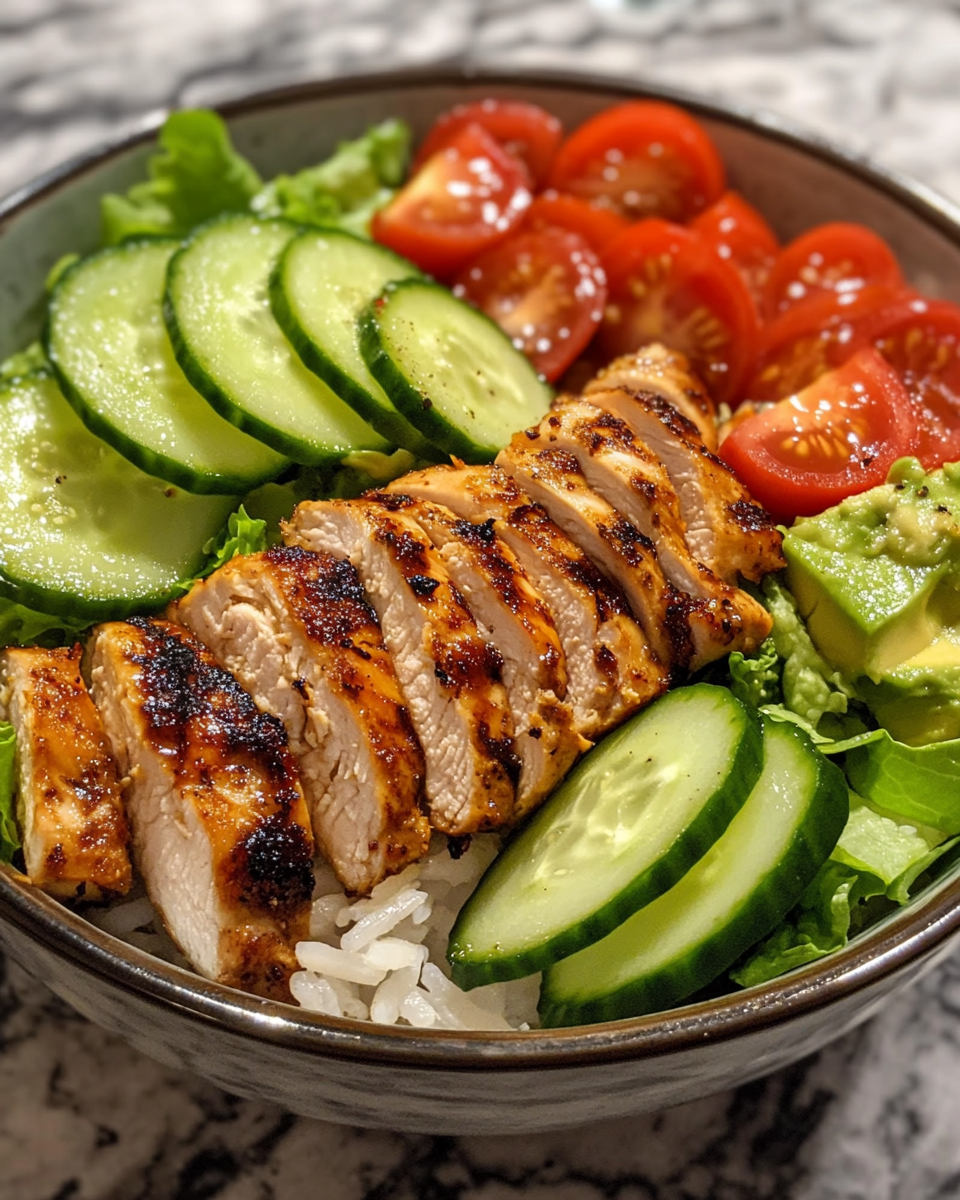
A warm bowl of Tomato Chicken Pasta brings together tender chicken, rich tomato sauce, and perfectly cooked pasta in a way that feels both comforting and full of character. This dish fits into busy weeknights as well as slow, relaxed dinners where a homemade meal is the center of the table.
The combination of juicy chicken pieces simmered in tomato sauce creates a deep, savory base that coats every strand of pasta. Garlic, herbs, and a touch of creaminess bring balance, while the tomatoes add brightness that keeps the dish lively.
Simple ingredients come together in a single pan approach, making it practical without losing flavor. Each bite carries soft pasta, hearty protein, and a sauce that clings just right.
Ingredients Overview

Tomato Chicken Pasta relies on a small set of everyday ingredients that work together to build layers of flavor. Chicken breast or thighs are the main protein, offering tenderness and a mild taste that absorbs seasoning well. When cooked properly, the chicken stays juicy and pairs smoothly with the sauce.
Tomatoes form the heart of the dish. Crushed tomatoes or tomato passata give the sauce its body, while diced tomatoes add slight texture. Their natural acidity balances the richness of the chicken and any added dairy.
Garlic and onion create the aromatic base. When sautéed, they release sweetness and depth that support the entire sauce. Olive oil helps carry these flavors and adds smoothness.
Pasta choice matters. Short pasta like penne or rigatoni holds sauce in its ridges, while spaghetti offers a lighter coating. Both work depending on preference.
Herbs such as basil and oregano introduce warmth and freshness. A small amount of cream or grated cheese can soften the tomato acidity and create a silkier finish.
Salt and black pepper round everything out, while optional chili flakes bring gentle heat for those who enjoy a slight kick.
Together, these ingredients create a balanced dish that feels hearty without being heavy.
Ingredients
12 oz penne pasta
1 lb chicken breast, cut into bite-size pieces
2 tablespoons olive oil
1 small onion, finely chopped
4 cloves garlic, minced
1 can (14 oz) crushed tomatoes
1/2 cup tomato passata
1/2 teaspoon dried oregano
1/2 teaspoon dried basil
1/4 teaspoon chili flakes (optional)
1/2 cup heavy cream
1/2 cup grated Parmesan cheese
1 teaspoon salt
1/2 teaspoon black pepper
1/2 cup reserved pasta water
Fresh basil leaves for garnish
Step-by-Step Instructions
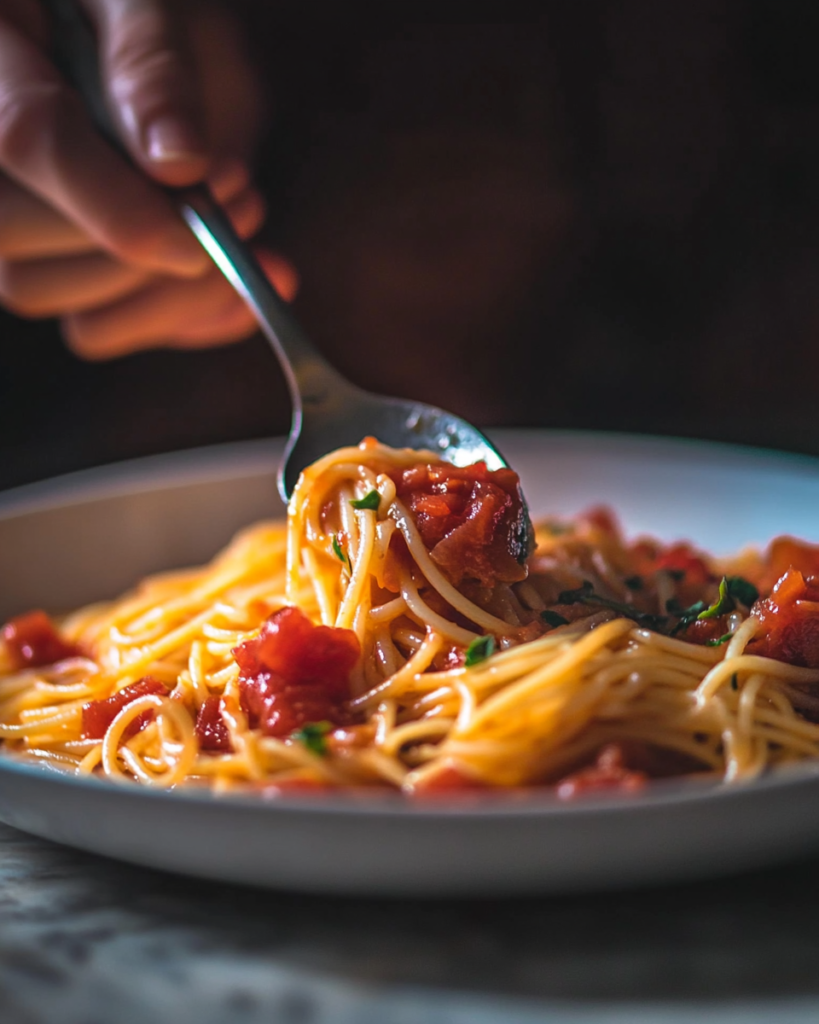
Start by cooking the pasta in a large pot of salted boiling water. Cook until just al dente, following the package timing. Before draining, reserve about half a cup of pasta water, then set the pasta aside.
While the pasta cooks, heat olive oil in a large skillet over medium heat. Add the chicken pieces in a single layer. Let them cook without stirring for a few minutes so they develop light browning. Stir and continue cooking until fully cooked through and lightly golden on the edges. Remove the chicken from the pan and set aside.
In the same skillet, add chopped onion. Cook until it softens and turns slightly translucent. Add minced garlic and stir for about a minute until fragrant.
Pour in crushed tomatoes and tomato passata. Stir well to combine with the onion and garlic base. Add oregano, basil, salt, black pepper, and chili flakes if using. Let the sauce simmer gently so it thickens slightly and the flavors blend together.
Return the cooked chicken to the skillet. Stir to coat each piece with the tomato sauce. Let it simmer for a few minutes so the chicken absorbs the flavor.
Lower the heat and pour in the cream. Stir slowly until the sauce becomes smooth and slightly lighter in color. Add Parmesan cheese and mix until melted into the sauce.
Add the cooked pasta directly into the skillet. Toss everything together so the pasta is fully coated. If the sauce feels too thick, add a splash of reserved pasta water until the texture becomes silky and smooth.
Let everything cook together for another minute so the pasta absorbs the sauce. Turn off the heat and finish with fresh basil leaves.
Tips, Variations & Substitutions
Chicken thighs can be used instead of chicken breast for a richer taste and softer texture. If you prefer a lighter version, skip the cream and rely only on tomato sauce and pasta water for consistency.
Whole wheat or gluten-free pasta works well in this dish, though cooking times may vary slightly. For added vegetables, spinach, zucchini, or bell peppers can be stirred into the sauce during simmering.
For a stronger herb profile, fresh basil added at the end brings brightness. Dried herbs work best during cooking, while fresh herbs shine as finishing touches.
If you prefer a spicier version, increase chili flakes or add a small amount of chopped fresh chili during the onion stage. For a milder flavor, leave them out completely.
A sprinkle of mozzarella on top before serving can add a soft, melted layer if the dish is placed under gentle heat for a short time.
Serving Ideas & Occasions
Tomato Chicken Pasta works well as a main dinner dish served with a simple green salad or roasted vegetables. Garlic bread or toasted baguette slices pair nicely, especially for soaking up extra sauce.
It fits casual family dinners, quick weekday meals, or relaxed gatherings with friends. A glass of sparkling water with lemon or a light juice pairs well alongside it.
This dish also holds up well for meal prep, making it useful for packed lunches or reheated dinners during the week.
Nutritional & Health Notes
This pasta dish provides a balanced mix of protein, carbohydrates, and fats. Chicken supplies lean protein, while pasta offers energy-rich carbohydrates.
Tomatoes contribute natural vitamins and antioxidants, especially when cooked into sauce. Olive oil adds healthy fats that support flavor and texture.
Cream and cheese bring richness, so portion control can help balance overall intake if desired. Using less cream or reduced-fat cheese can adjust the dish without changing its structure.
Adding vegetables can increase fiber and nutrient content, making the meal more filling and balanced.
FAQs
Can I use another type of pasta?
Yes, many pasta shapes work well in Tomato Chicken Pasta. Penne, rigatoni, fusilli, and spaghetti are all solid options. Short pasta tends to hold sauce better because of its ridges and hollow shapes, while long pasta gives a smoother coating. The key is to cook the pasta until just al dente so it maintains structure when mixed with the sauce. Slight variations in texture will not affect the overall taste of the dish.
Can I prepare this dish ahead of time?
This recipe can be prepared ahead, making it practical for busy schedules. Cook the sauce and chicken first, then store it in the refrigerator. Cook fresh pasta when ready to serve for the best texture. If storing everything together, add a small splash of water when reheating to bring back the creamy consistency. The flavors often deepen after resting, making leftovers very satisfying.
What type of chicken works best?
Both chicken breast and chicken thighs work well. Chicken breast offers a leaner result and cooks quickly, while chicken thighs provide a juicier and slightly richer texture. Cutting the chicken into even pieces helps it cook uniformly. Browning the chicken before adding sauce improves flavor depth and gives the dish a more satisfying finish.
Can I make this without cream?
Yes, cream is optional in this recipe. The tomato sauce alone creates a flavorful base. If you skip cream, adding a bit more pasta water and a small amount of olive oil can help maintain a smooth texture. Cheese can also provide mild richness without making the dish too heavy.
How do I make the sauce thicker?
To thicken the sauce, let it simmer uncovered for a few extra minutes so excess liquid evaporates naturally. You can also reduce the amount of added liquid from pasta water. Stirring in grated Parmesan helps slightly thicken and bind the sauce as well.
Can I add vegetables?
Yes, vegetables fit well in this dish. Spinach, mushrooms, bell peppers, and zucchini all blend nicely with the tomato sauce. Add firmer vegetables earlier during cooking so they soften properly. Leafy greens like spinach should be added near the end to keep their texture.
How should leftovers be stored?
Leftovers should be placed in an airtight container and stored in the refrigerator. When reheating, add a small splash of water or milk to loosen the sauce. Heat gently on the stove or in the microwave until warmed through. The pasta may absorb sauce over time, so adjusting moisture helps restore its original texture.