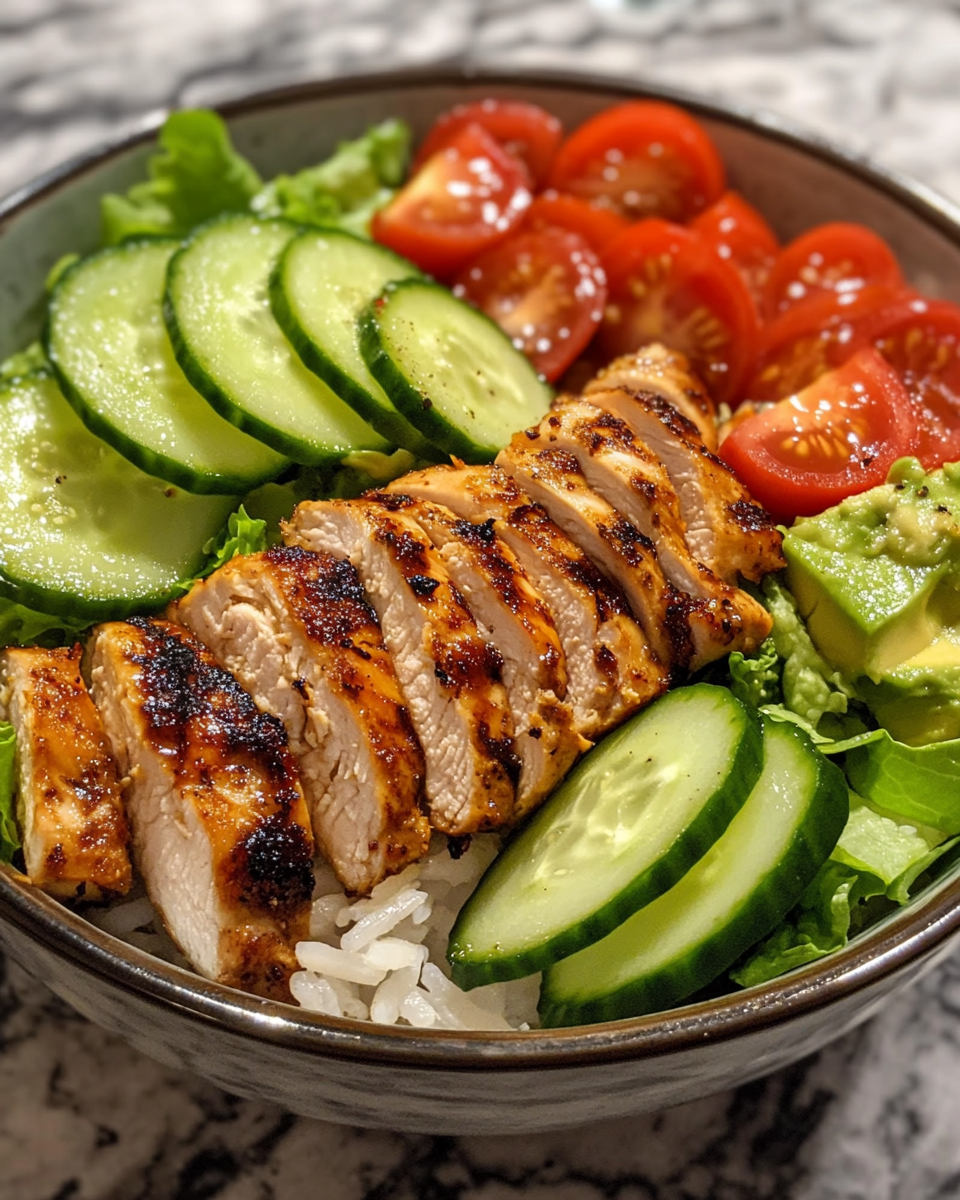
A chicken pasta meal prep lunch brings together tender chicken, hearty pasta, and balanced seasoning for containers that hold up well across several days. This style of cooking focuses on practical preparation that fits busy schedules while still delivering satisfying texture and flavor.
Each portion can be prepared in advance, stored, and reheated without losing structure. The combination of lean protein and pasta creates a steady source of energy, while simple seasoning keeps the dish flexible for different preferences throughout the week.
Ingredients Overview
Chicken pasta meal prep relies on straightforward ingredients that work together in a balanced way. Pasta forms the base, offering structure and a neutral backdrop for seasoning and sauces. Short pasta shapes like penne or rotini hold sauce effectively, making each bite consistent in flavor.
Chicken breast or boneless chicken thigh provides the main protein. Chicken breast offers a leaner profile, while thighs bring slightly richer flavor and softer texture after cooking. Both options absorb seasoning well when marinated briefly before cooking.
Olive oil supports cooking and adds mild richness. Garlic and onion build a savory foundation, while salt and pepper define the base seasoning. Paprika or Italian seasoning can add depth without overpowering the dish.
For moisture and cohesion, a light sauce such as a tomato-based blend or a creamy yogurt-style mix works well. Tomato sauce brings acidity and brightness, while creamier options create a smoother texture that coats pasta evenly.
Vegetables such as spinach, bell peppers, or zucchini can be added for color and texture variety. They also help balance the meal nutritionally without changing preparation complexity.
Parmesan cheese or a similar hard cheese can be sprinkled on top after reheating. It adds a salty finish and enhances overall flavor without requiring additional cooking steps.
The ingredients remain flexible, allowing adjustments based on availability or preference while maintaining structure and consistency across meal prep portions.
Ingredients
12 oz penne pasta
1 lb chicken breast, diced
2 tablespoons olive oil
3 cloves garlic, minced
1 small onion, chopped
1 teaspoon salt
1/2 teaspoon black pepper
1 teaspoon paprika
1 teaspoon Italian seasoning
1 cup tomato sauce
1/2 cup chicken broth
1 cup spinach, chopped
1 bell pepper, diced
1/3 cup grated Parmesan cheese
Step-by-Step Instructions
Start by preparing the pasta in a large pot of salted boiling water. Cook until firm but tender, following package timing. Drain and set aside while allowing excess moisture to release so the pasta holds texture during storage.
Heat olive oil in a large skillet over medium heat. Add diced chicken and cook until the surface turns lightly golden and the interior becomes fully cooked. Stir occasionally to promote even browning.
Add chopped onion and minced garlic to the skillet. Stir gently as they soften, releasing aroma and blending with the chicken. This step builds the base flavor for the entire dish.
Season the mixture with salt, pepper, paprika, and Italian seasoning. Stir thoroughly so the seasoning coats the chicken evenly. Allow the spices to warm in the pan for a deeper flavor profile.
Pour in tomato sauce and chicken broth. Stir until the mixture becomes uniform and begins to lightly simmer. This creates a sauce that will coat both chicken and pasta during mixing.
Add diced bell pepper and chopped spinach. Stir until the vegetables soften slightly but still retain some structure. This keeps texture varied in each bite.
Combine cooked pasta with the chicken and sauce mixture. Toss gently until all pieces are evenly coated. Keep heat low during this step to prevent overcooking the pasta.
Remove from heat and allow the mixture to cool slightly before portioning into containers. This helps prevent condensation buildup during storage.
Sprinkle Parmesan cheese over each portion if desired. Store containers in the refrigerator once fully cooled.
Reheat portions as needed in a microwave or skillet, adding a small splash of water if the sauce thickens too much during storage.
Tips, Variations & Substitutions
Chicken pasta meal prep can shift easily between flavor profiles. A tomato-based sauce creates a classic savory base, while a lighter yogurt or broth-based sauce offers a softer finish. Both options hold up well over several days.
Protein can be adjusted depending on preference. Chicken thigh brings a richer texture, while turkey or plant-based alternatives can replace chicken without changing cooking structure significantly.
Vegetables can vary based on availability. Zucchini, mushrooms, or broccoli all blend well into the sauce and maintain structure after reheating. Cutting vegetables into similar sizes helps them cook evenly.
For added depth, a small amount of chili flakes can be introduced during cooking. This adds mild heat without overpowering the dish.
Pasta type can also be changed. Whole wheat pasta adds a firmer bite, while gluten-free varieties may require slightly adjusted cooking time to maintain texture during storage.
Serving Ideas & Occasions
This chicken pasta meal prep works well for weekday lunches, evening meals, or structured weekly planning. It holds up well in refrigerated storage, making it practical for multi-day preparation.
It pairs well with simple side options such as cucumber slices, mixed greens, or roasted vegetables. These additions bring freshness without requiring complex preparation.
For beverage pairing, water, herbal tea, or lightly flavored sparkling water complement the dish without overpowering its seasoning.
The format suits work lunches, school meal planning, or post-training meals where balanced nutrition and consistency are priorities. Each portion delivers steady energy and reheats quickly, fitting into structured daily routines.
Nutritional & Health Notes
Chicken pasta meal prep offers a balanced mix of protein, carbohydrates, and fats. Chicken provides lean protein that supports muscle maintenance, while pasta supplies carbohydrates that contribute to sustained energy release.
Vegetables add fiber and micronutrients, supporting digestion and overall dietary balance. Olive oil contributes healthy fats that assist with satiety and flavor absorption.
Portion control plays a key role in maintaining balance. Dividing the dish evenly ensures consistent intake across multiple servings.
This meal can be adjusted for lighter or more calorie-dense needs by modifying pasta quantity, sauce type, or protein ratio. The structure remains adaptable while maintaining core nutritional balance.
FAQs
What pasta type works well for meal prep?
Short pasta shapes such as penne, rotini, or farfalle work well because they hold sauce effectively and maintain structure after reheating. These shapes prevent clumping and distribute flavor evenly throughout each portion. Long pasta can be used, but it may require extra care during storage to avoid sticking.
Can chicken thighs replace chicken breast?
Chicken thighs can replace chicken breast without changing the cooking process. Thighs contain slightly more fat, resulting in a richer texture and deeper flavor. They remain tender after reheating, which makes them suitable for multi-day meal prep. Cooking time remains similar, but checking doneness helps maintain consistency.
How long can this meal stay refrigerated?
Properly stored chicken pasta meal prep can remain in the refrigerator for several days. Containers should be sealed tightly once cooled to maintain freshness. Reheating should be done until the center reaches a hot temperature throughout. Adding a small amount of liquid during reheating can help restore sauce texture.
Can vegetables be changed in this recipe?
Vegetables can be adjusted based on preference or availability. Options such as zucchini, broccoli, mushrooms, or carrots work well in this dish. Cutting vegetables into similar sizes helps maintain even cooking. Adding them during the final cooking stage preserves texture after storage and reheating.
What sauce works best for meal prep pasta?
Tomato-based sauces work well because they maintain consistency after refrigeration. Light cream sauces or broth-based mixtures can also be used if kept balanced in thickness. Thick sauces may become denser after chilling, so adding a small amount of liquid during reheating helps restore texture.
Can this meal be frozen?
This dish can be frozen in sealed containers. Cooling completely before freezing helps maintain texture. When reheated, pasta may soften slightly, but stirring during reheating helps redistribute sauce and restore consistency. Portioning before freezing makes it easier to reheat only what is needed.
How can flavor be adjusted without changing ingredients?
Flavor can be adjusted by modifying seasoning levels such as salt, pepper, paprika, or Italian seasoning. A small amount of chili flakes adds mild heat, while additional herbs can shift the profile toward a more aromatic finish. Adjusting seasoning during cooking allows flexible flavor balance across portions.